One of the most common questions after fertility treatment is about the sleeping position after IUI treatment. Many patients worry that sleeping on the wrong side, turning over at night, or changing positions might reduce their chances of pregnancy.
The reassuring news is that there is no strong scientific evidence that a particular sleeping position improves or reduces the success of IUI. Once the sperm has been placed inside the uterus during the procedure, it begins moving toward the fallopian tubes within minutes. Sleeping on your back, left side, or right side does not cause the sperm to “fall out” or affect fertilization.
This guide explains what medical experts recommend, common myths, and practical tips to help you stay comfortable after IUI.
What Is the Best Sleeping Position After IUI Treatment?
The best sleeping position after IUI treatment is simply the one that allows you to sleep comfortably and get enough rest.
You can safely sleep:
- On your back
- On your left side
- On your right side
- In any comfortable position recommended by your healthcare provider
There is no evidence that sleeping on one particular side increases the chances of implantation or pregnancy after IUI.
The body naturally protects the uterus, and sperm quickly move through the reproductive tract after insemination.
Why Is Sleeping Position After IUI Treatment a Common Concern?
Many people believe they must remain completely still after IUI or avoid certain sleeping positions to help the sperm stay inside the uterus.
These concerns usually arise because patients want to do everything possible to improve the chances of pregnancy.
However:
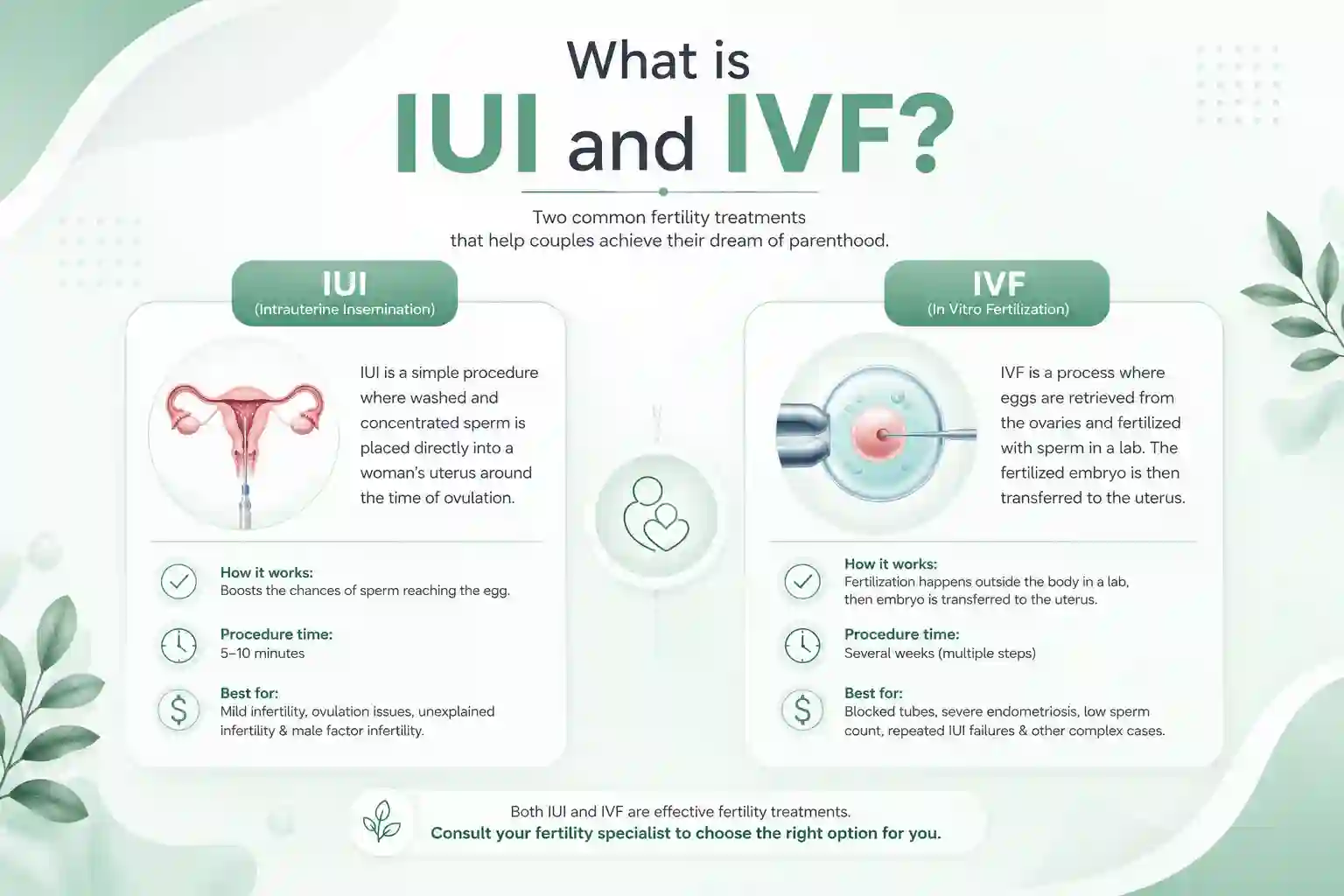
- The uterus is separate from the vagina.
- Sperm begin moving almost immediately after insemination.
- Gravity does not determine whether fertilization occurs.
- Changing positions during sleep does not remove sperm from the uterus.
The factors that influence pregnancy are primarily egg quality, sperm quality, ovulation timing, embryo implantation, and overall reproductive health.
How Does Pregnancy Occur After IUI?
Understanding what happens after IUI can help explain why sleeping position has little effect.
Step 1: Ovulation
An egg is released naturally or after fertility medication.
Step 2: Insemination
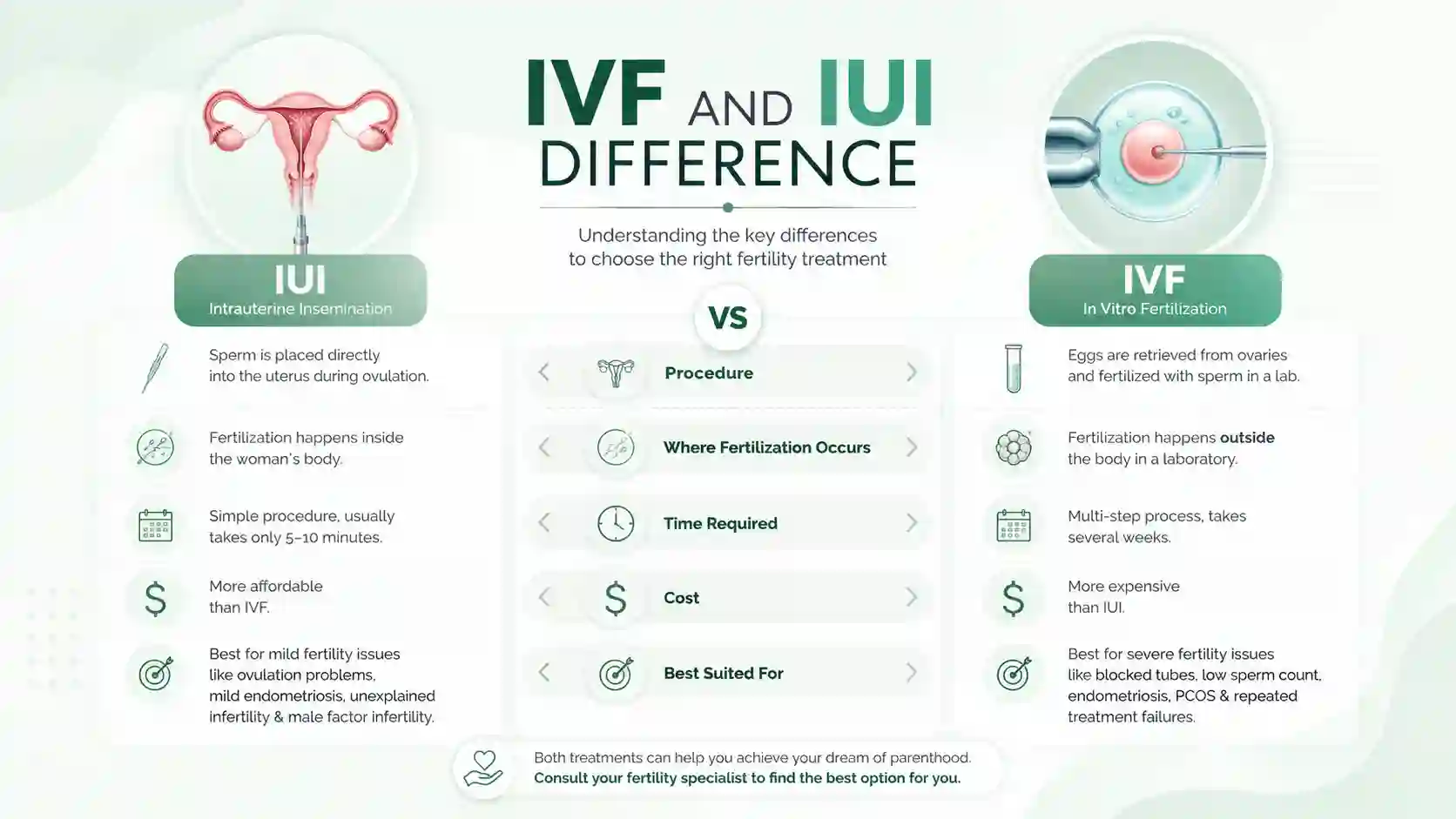
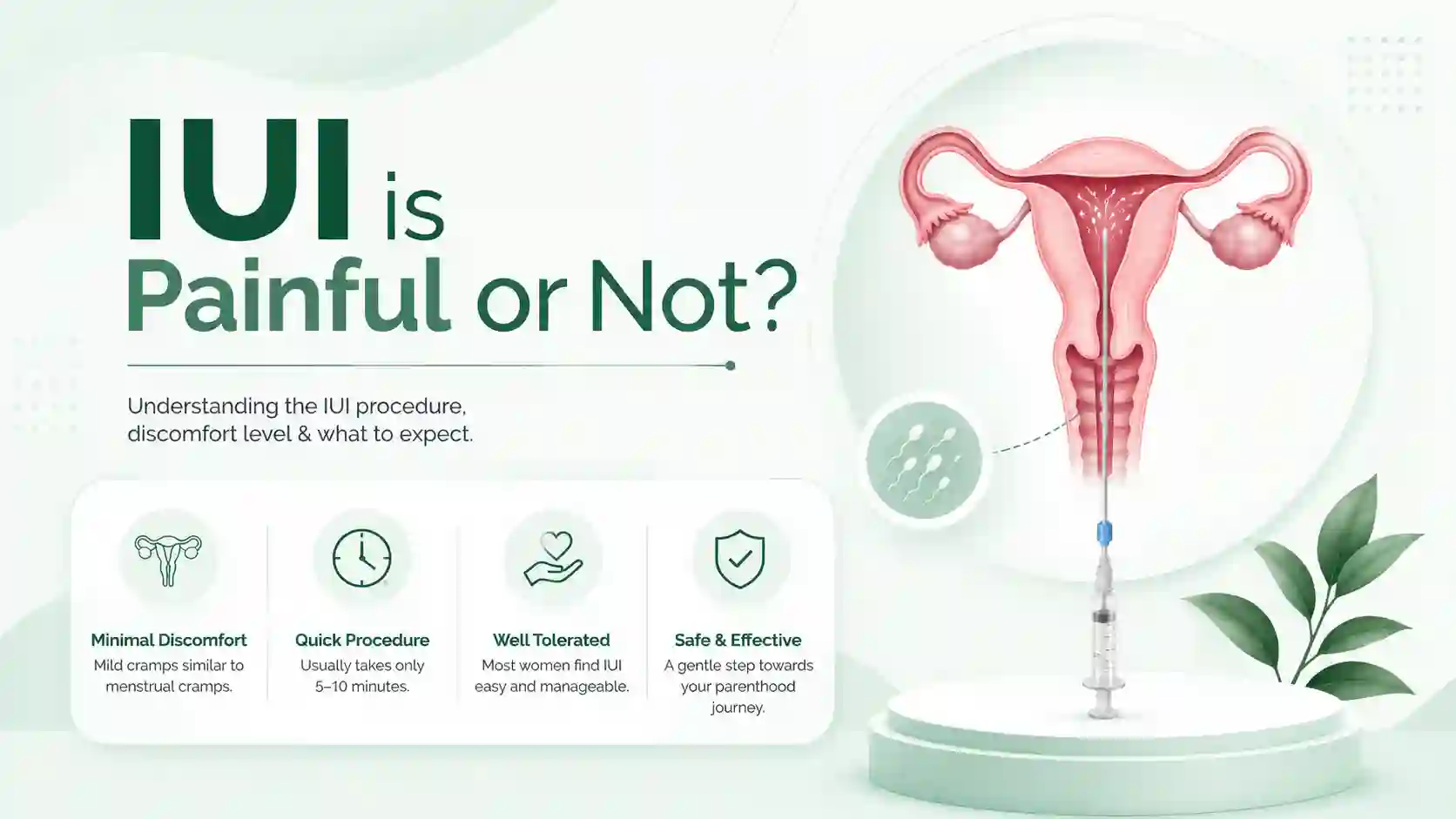
Prepared sperm is placed directly into the uterus using a thin catheter.
Step 3: Sperm Movement
Healthy sperm begin swimming toward the fallopian tubes within minutes.
Step 4: Fertilization
If a sperm meets the egg, fertilization occurs naturally inside the fallopian tube.
Step 5: Implantation
Several days later, the developing embryo travels to the uterus and implants in the uterine lining.
Because sperm rapidly leave the uterus after insemination, your sleeping position does not interfere with this process.
Benefits of Good Sleep After IUI
Although sleeping position is not considered a major factor, getting adequate sleep is important for overall health and well-being.
Healthy sleep may help by:
- Supporting normal hormone regulation
- Reducing stress
- Improving mood
- Promoting physical recovery
- Supporting overall reproductive health
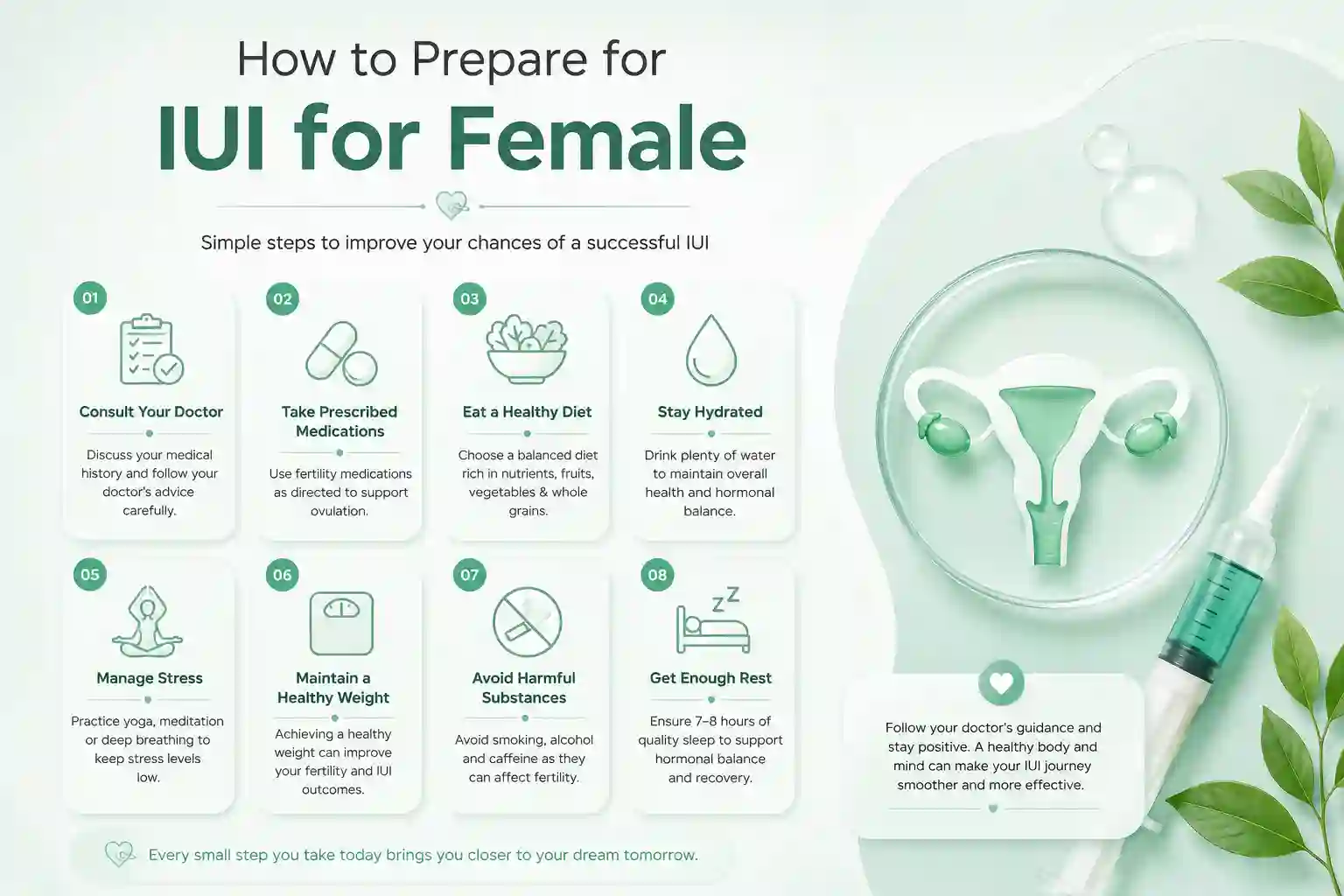
Aim for 7–9 hours of quality sleep each night unless your healthcare provider advises otherwise.
Risks, Side Effects, or Limitations
There are no known risks associated with sleeping on your side or back after IUI.
However, you should contact your fertility clinic if you experience:
- Severe abdominal pain
- Heavy vaginal bleeding
- Fever
- Persistent vomiting
- Difficulty breathing
- Significant abdominal swelling, which could suggest ovarian hyperstimulation syndrome (OHSS) in patients using fertility medications
Sleeping position itself is not associated with these complications.
Common Myths About Sleeping Position After IUI Treatment
Myth 1: You Must Sleep Only on Your Left Side
Fact: There is no medical evidence that sleeping only on the left side improves implantation or pregnancy after IUI.
Myth 2: Sleeping on Your Stomach Causes Treatment Failure
Fact: Sleeping on your stomach after IUI has not been shown to reduce pregnancy chances.
Myth 3: You Should Stay Flat All Night
Fact: While some clinics may ask patients to rest for a few minutes immediately after the procedure, remaining flat for hours or overnight has not been shown to improve outcomes.
Myth 4: Turning Over in Bed Can Dislodge the Sperm
Fact: Once insemination is complete, sperm quickly move toward the fallopian tubes. Normal movement during sleep does not affect this process.
Factors That Truly Affect IUI Success
Several factors have a much greater impact on pregnancy than sleeping position.
Female Age
Egg quality naturally declines with age.
Ovulation Timing
Proper timing between ovulation and insemination is essential.
Sperm Quality
Healthy sperm count, motility, and morphology improve fertilization chances.
Uterine and Fallopian Tube Health
A healthy uterus and at least one open fallopian tube are usually necessary for successful IUI.
Lifestyle Habits
A balanced diet, regular physical activity, maintaining a healthy weight, avoiding smoking, limiting alcohol, and managing chronic health conditions may positively influence fertility.
Emotional & Patient Perspective
The two-week wait after IUI is often filled with questions about what you should or shouldn’t do.
Many patients worry about:
- Sleeping position
- Walking
- Climbing stairs
- Exercising
- Traveling
- Everyday movements
These concerns are understandable. Remember that normal daily activities and comfortable sleeping positions generally do not interfere with implantation.
Focusing on rest, good nutrition, and stress management is often more helpful than worrying about every movement.
Tips for Sleeping Comfortably After IUI
To improve comfort and support your recovery:
- Sleep in the position that feels most comfortable.
- Aim for 7–9 hours of sleep each night.
- Use pillows for additional support if needed.
- Stay hydrated.
- Continue medications exactly as prescribed.
- Avoid smoking and alcohol.
- Practice relaxation techniques if you’re feeling anxious.
- Follow any specific instructions provided by your fertility specialist.
When to See a Fertility Specialist
Contact your fertility specialist if you experience:
- Severe pelvic or abdominal pain
- Heavy vaginal bleeding
- Fever
- Persistent vomiting
- Difficulty breathing
- Significant abdominal swelling
- Any symptoms that concern you after the procedure
Your healthcare provider can determine whether additional evaluation is needed.
When it comes to the sleeping position after IUI treatment, the evidence is reassuring. There is no scientifically proven sleeping position that increases or decreases the chances of pregnancy after IUI. Once the sperm has been placed into the uterus, it begins moving toward the fallopian tubes within minutes, and normal sleeping positions do not interfere with this process. The best approach is to focus on getting adequate rest, following your fertility specialist’s instructions, maintaining a healthy lifestyle, and attending all follow-up appointments. If you have concerns during the two-week wait, your fertility team can provide guidance tailored to your individual situation.
FAQs About Sleeping Position After IUI Treatment
1. What is the best sleeping position after IUI treatment?
There is no medically recommended sleeping position after IUI. You can sleep on your back, left side, or right side—whichever is most comfortable.
2. Can sleeping on my side affect IUI success?
No. Sleeping on either side has not been shown to reduce or improve pregnancy chances after IUI.
3. Is it safe to sleep on my stomach after IUI?
Yes. There is no evidence that sleeping on your stomach affects fertilization or implantation after IUI.
4. Should I remain lying down after the IUI procedure?
Some clinics may recommend resting for a few minutes immediately after the procedure. However, prolonged bed rest has not been shown to improve pregnancy rates.
5. Can sperm fall out while I sleep after IUI?
No. The sperm used for IUI is placed directly into the uterus, and healthy sperm begin moving toward the fallopian tubes shortly after insemination.
6. Does getting enough sleep improve fertility?
Good-quality sleep supports overall health and hormone regulation, which are important for reproductive health, although sleep alone cannot guarantee pregnancy.
7. When should I contact my fertility specialist after IUI?
Seek medical advice if you experience severe pain, heavy bleeding, fever, persistent vomiting, significant abdominal swelling, or any symptoms that concern you after the procedure.