Many people exploring fertility treatments wonder whether IUI at home is a safe and practical alternative to visiting a fertility clinic. The idea of performing insemination at home may seem more convenient, private, and less expensive. However, it’s important to understand that true intrauterine insemination (IUI) is a medical procedure that should be performed by trained healthcare professionals in a clinical setting.
There is often confusion between IUI at home and home insemination, also known as intracervical insemination (ICI). Although both aim to help achieve pregnancy, they are different procedures with different techniques, equipment, and medical considerations. This guide explains the differences, addresses common misconceptions, and outlines when professional medical care is recommended.
What Is IUI at Home?
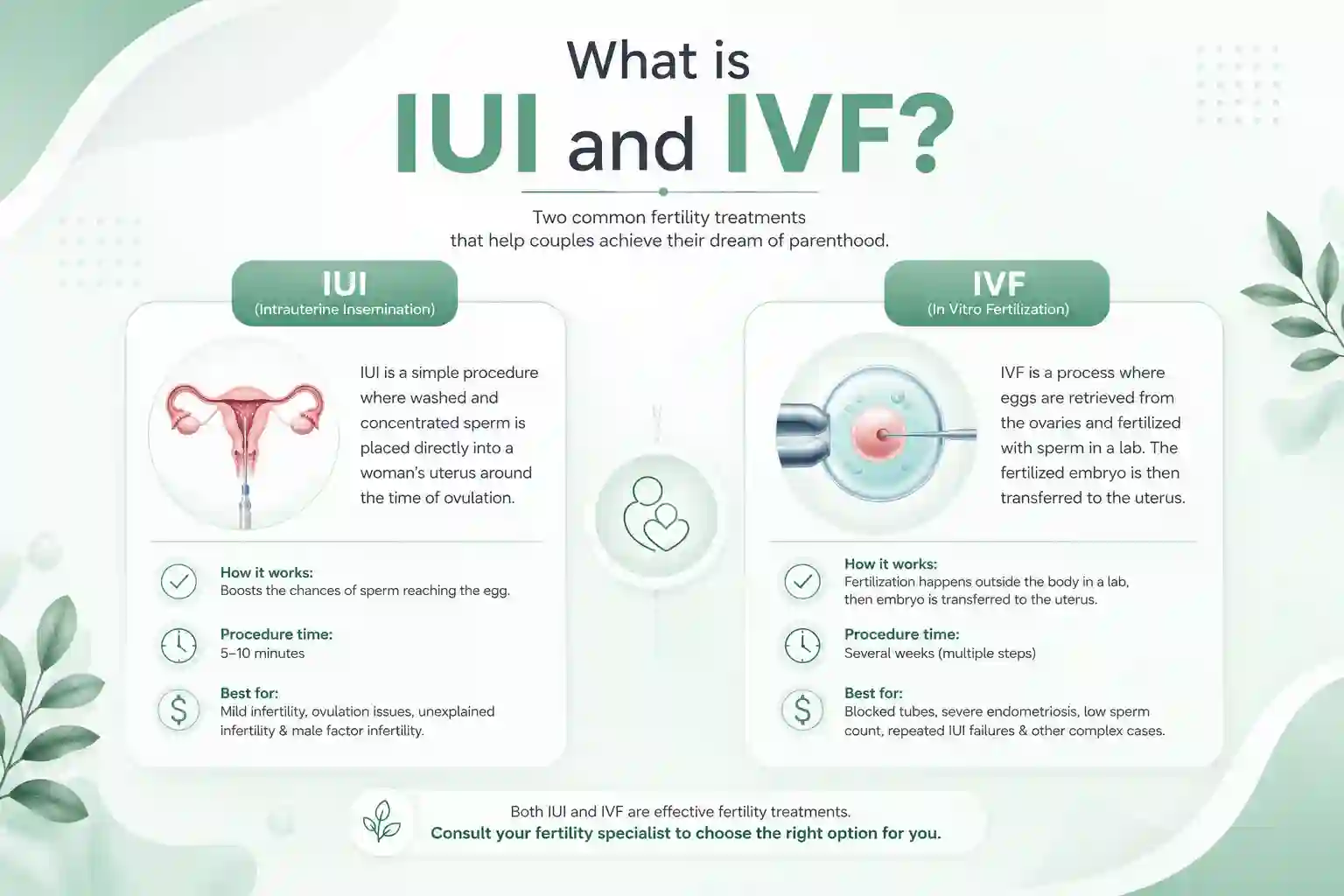
The term IUI at home is commonly used to describe attempts to perform insemination outside a fertility clinic. However, true IUI cannot be safely performed at home because the procedure involves placing specially prepared (washed) sperm directly into the uterus using sterile medical equipment.
In a fertility clinic, IUI includes:
- Fertility assessment
- Ovulation monitoring
- Laboratory sperm washing
- Sterile catheter placement into the uterus
- Careful timing with ovulation
Without these steps, the procedure is not considered IUI.
Many products marketed for “home IUI” actually support intracervical insemination (ICI), where semen is placed near the cervix rather than inside the uterus.
Why Is Professional IUI Important?
Understanding the difference between IUI at home and clinic-based IUI helps patients make informed decisions.
A fertility clinic provides:
- Comprehensive fertility evaluation
- Sterile medical equipment
- Proper sperm preparation
- Accurate ovulation timing
- Professional monitoring
- Immediate medical assistance if needed
These factors contribute to patient safety and help ensure that the procedure is performed correctly.
How Does a Clinical IUI Procedure Work?
A standard IUI treatment follows several carefully planned steps.
Step 1: Fertility Evaluation
Your fertility specialist reviews your medical history and may recommend:
- Hormone blood tests
- Pelvic ultrasound
- Ovulation assessment
- Semen analysis
- Fallopian tube evaluation when appropriate
Step 2: Ovulation Monitoring
Ovulation is tracked naturally or with fertility medications to identify the optimal time for insemination.
Step 3: Sperm Washing
The semen sample is processed in a specialized laboratory.
Sperm washing:
- Removes seminal fluid
- Concentrates healthy, motile sperm
- Reduces substances that may cause uterine cramping
This laboratory preparation is an essential part of IUI.
Step 4: Insemination
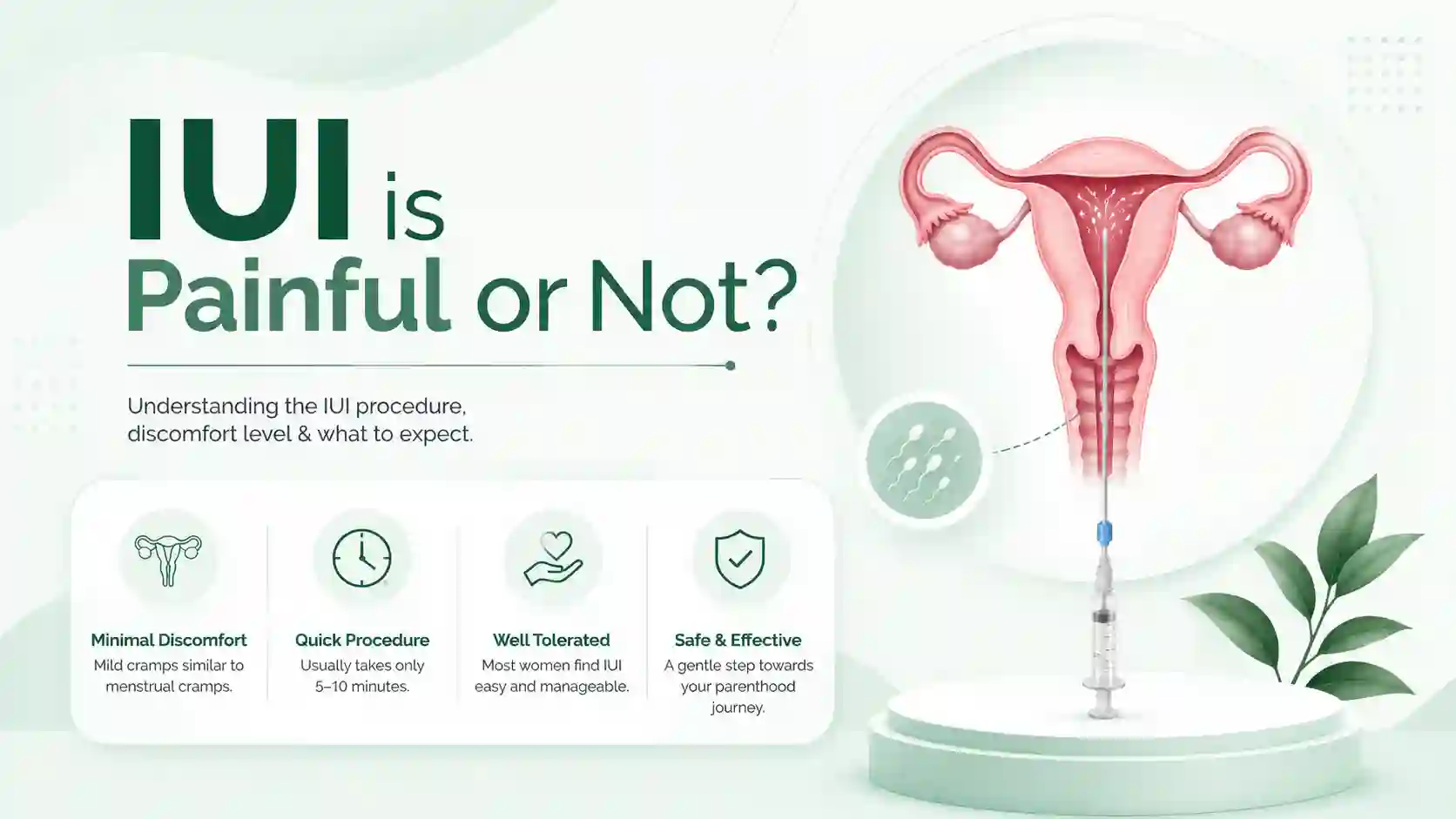
A fertility specialist places the prepared sperm directly into the uterus using a sterile, flexible catheter.
The procedure is quick, minimally invasive, and usually takes only a few minutes.
Step 5: Pregnancy Test
A pregnancy test is typically performed about two weeks after the procedure.
How Is Home Insemination Different?
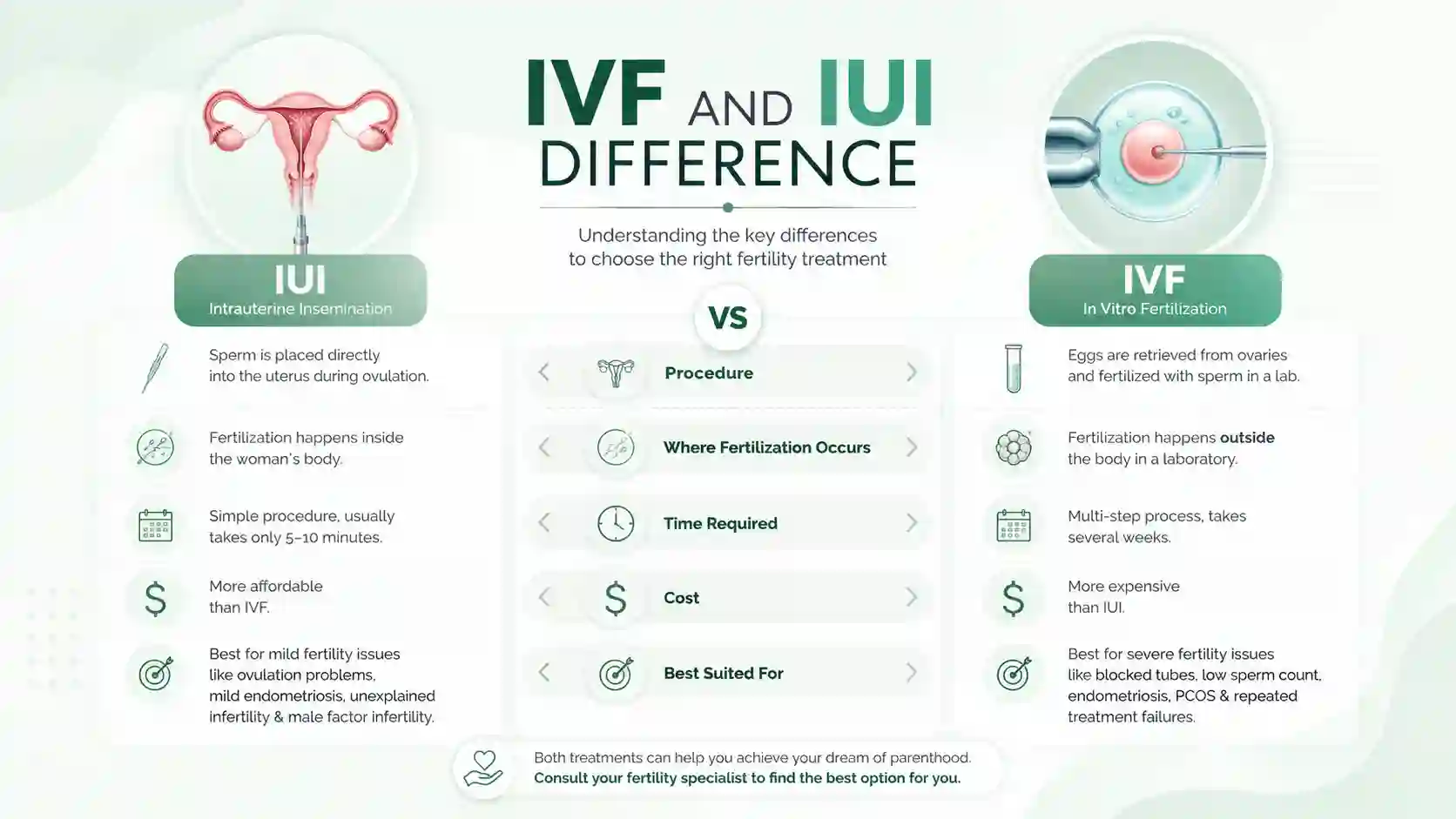
Home insemination usually refers to intracervical insemination (ICI) rather than IUI.
With ICI:
- Semen is placed into the vagina or near the cervix.
- The sperm is not washed in a fertility laboratory.
- No catheter is inserted into the uterus.
- Fertilization, if it occurs, still happens naturally inside the body.
While home insemination may be an option for some individuals using donor sperm under appropriate guidance, it is not the same as IUI.
Benefits of Clinical IUI
Clinic-based IUI offers several advantages.
Benefits include:
- Sterile medical environment
- Proper sperm preparation
- Professional ovulation monitoring
- Reduced infection risk
- Accurate catheter placement
- Personalized fertility care
- Access to additional fertility treatments if needed
Risks, Side Effects, or Limitations
Attempting to perform true IUI at home is not recommended because it may carry risks.
Potential concerns include:
- Infection due to non-sterile technique
- Injury to the cervix or uterus
- Improper catheter placement
- Use of unwashed semen inside the uterus, which can cause severe cramping or infection
- Delayed diagnosis of underlying fertility conditions
For these reasons, true IUI should always be performed by qualified healthcare professionals.
Cost Considerations
Some people consider home insemination because it may appear less expensive than clinic-based treatment.
However, it’s important to remember that clinical IUI includes services such as:
- Fertility consultation
- Ovulation monitoring
- Laboratory sperm preparation
- Sterile equipment
- Professional medical expertise
These services are designed to improve safety and ensure appropriate care.
Factors Affecting Pregnancy Success
Whether conception occurs depends on several factors, including:
Female Age
Age has a significant influence on fertility and pregnancy rates.
Ovulation Timing
Accurate timing is essential for successful conception.
Sperm Quality
Healthy sperm count, motility, and morphology improve the chances of fertilization.
Fallopian Tube Health
At least one open fallopian tube is generally required for conception through IUI.
Overall Reproductive Health
Underlying fertility conditions may affect pregnancy outcomes regardless of where insemination takes place.
Emotional & Patient Perspective
Choosing fertility treatment can feel overwhelming.
Patients often have concerns about:
- Treatment costs
- Privacy
- Convenience
- Safety
- Success rates
While home insemination may seem appealing because of its simplicity, it’s important to understand that clinic-based IUI provides medical supervision and specialized laboratory preparation that cannot be safely replicated at home.
Discussing your options with a fertility specialist can help you choose the approach that best fits your medical needs.
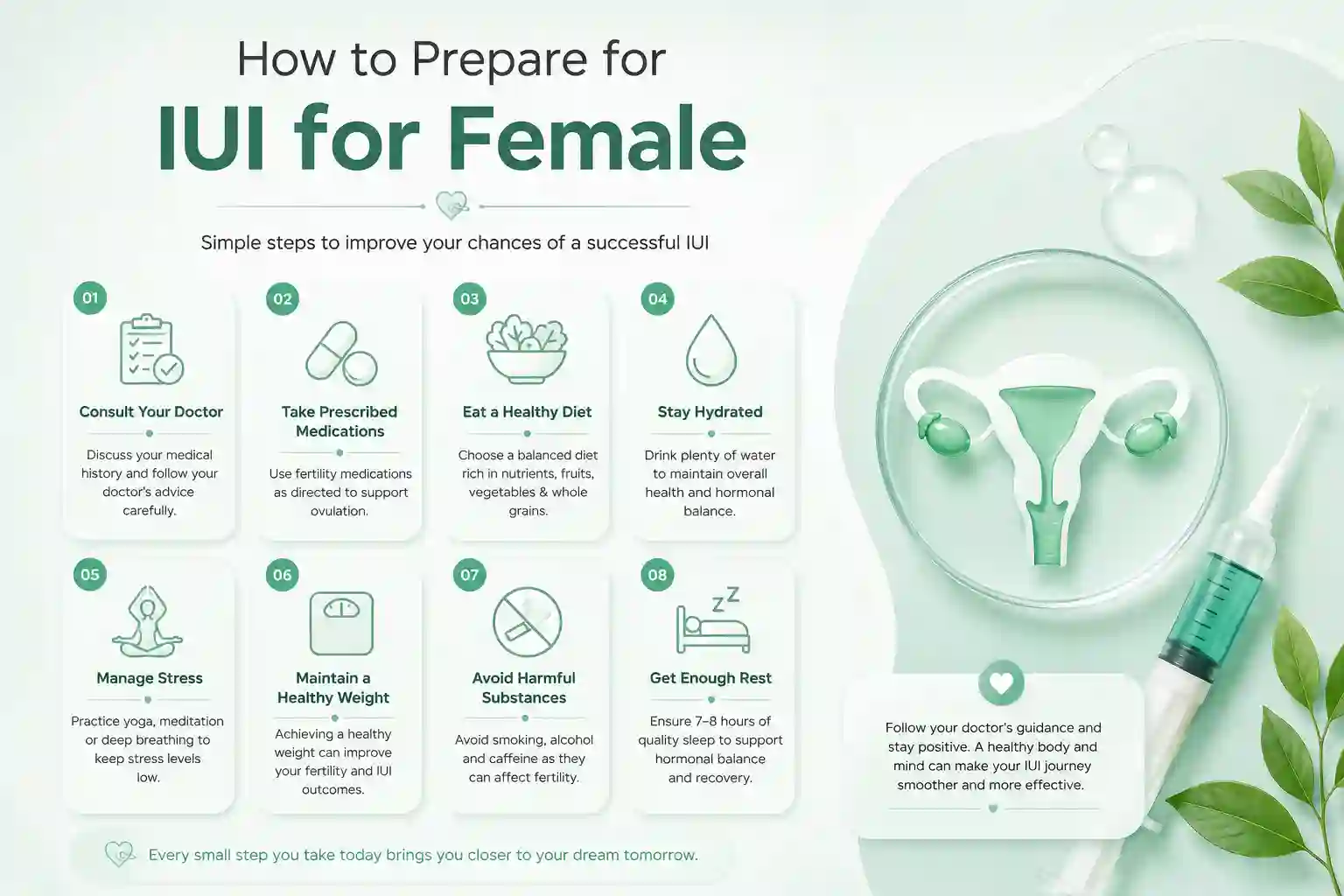
Tips Before Considering IUI
If you’re exploring fertility treatment:
- Schedule a fertility evaluation.
- Discuss all available treatment options.
- Understand the difference between IUI and home insemination.
- Follow your healthcare provider’s recommendations.
- Use only medically approved donor sperm if applicable.
- Avoid attempting uterine insemination without professional medical supervision.
These steps help support both safety and informed decision-making.
When to See a Fertility Specialist
Consult a fertility specialist if:
- You have been trying to conceive without success.
- You are considering IUI or donor insemination.
- You have irregular menstrual cycles.
- You have known fertility concerns.
- You have experienced recurrent pregnancy loss.
- You have questions about home insemination or fertility treatment options.
A personalized fertility assessment can help determine the most appropriate treatment for your situation.
Although many people search for IUI at home, it’s important to understand that true intrauterine insemination is a medical procedure that should be performed in a fertility clinic. Home insemination is typically a different technique known as intracervical insemination (ICI), which does not involve placing washed sperm directly into the uterus. If you’re considering fertility treatment, consulting a qualified fertility specialist can help you understand your options, receive an accurate diagnosis, and choose the safest and most appropriate path toward pregnancy.
FAQs About IUI at Home
1. Can I perform IUI at home?
True IUI should not be performed at home. It requires washed sperm, sterile equipment, and placement of sperm directly into the uterus by a trained healthcare professional.
2. Is home insemination the same as IUI?
No. Home insemination usually refers to intracervical insemination (ICI), where semen is placed near the cervix rather than inside the uterus.
3. Why can’t unwashed sperm be placed directly into the uterus?
Unwashed semen contains substances that may cause severe uterine cramping, inflammation, or infection if introduced directly into the uterus. Sperm washing is an essential part of clinical IUI.
4. Is home insemination safe?
Home insemination may be appropriate in certain situations, such as when using screened donor sperm under medical guidance. However, it is different from IUI and may not be suitable for everyone.
5. Does clinic-based IUI have advantages over home insemination?
Yes. Clinical IUI includes fertility evaluation, ovulation monitoring, sperm washing, sterile technique, and professional medical care.
6. Who should consider clinic-based IUI?
People with unexplained infertility, mild male factor infertility, ovulation disorders, cervical factor infertility, or those advised by a fertility specialist may be candidates for IUI.
7. When should I consult a fertility specialist?
If you have been unable to conceive after the recommended time based on your age, have irregular menstrual cycles, or are considering insemination, a fertility specialist can help determine the safest and most effective treatment option.