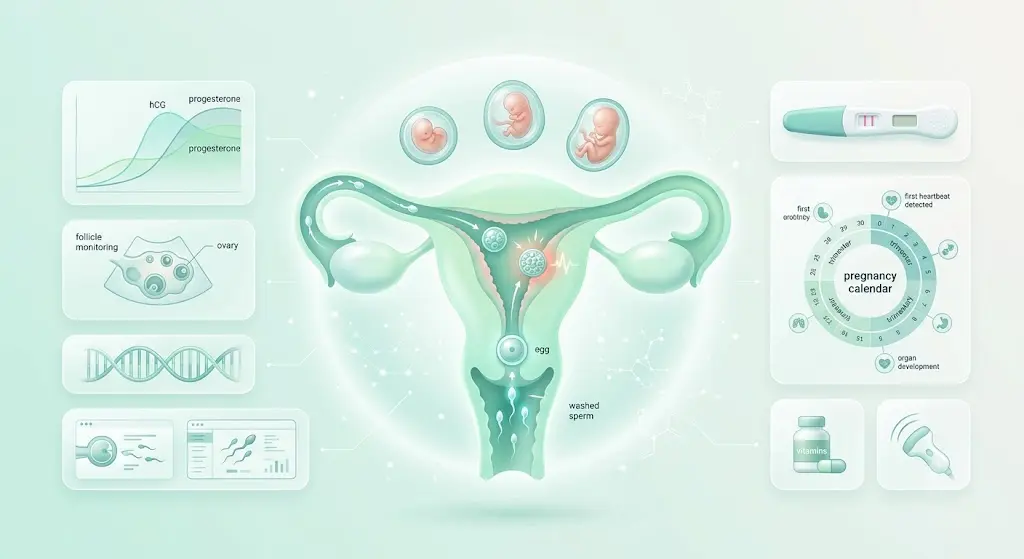
For many individuals and couples facing fertility challenges, achieving an IUI pregnancy is an exciting milestone. Intrauterine insemination (IUI) is one of the most commonly recommended fertility treatments because it is minimally invasive, relatively affordable, and can improve the chances of pregnancy in selected cases.
If you’ve recently undergone IUI—or are considering it—you may be wondering how pregnancy occurs, what symptoms to expect, and how long it takes to know whether the treatment has been successful. This guide explains everything you need to know about IUI pregnancy, from conception and implantation to early pregnancy care and factors that influence success.
What Is an IUI Pregnancy?
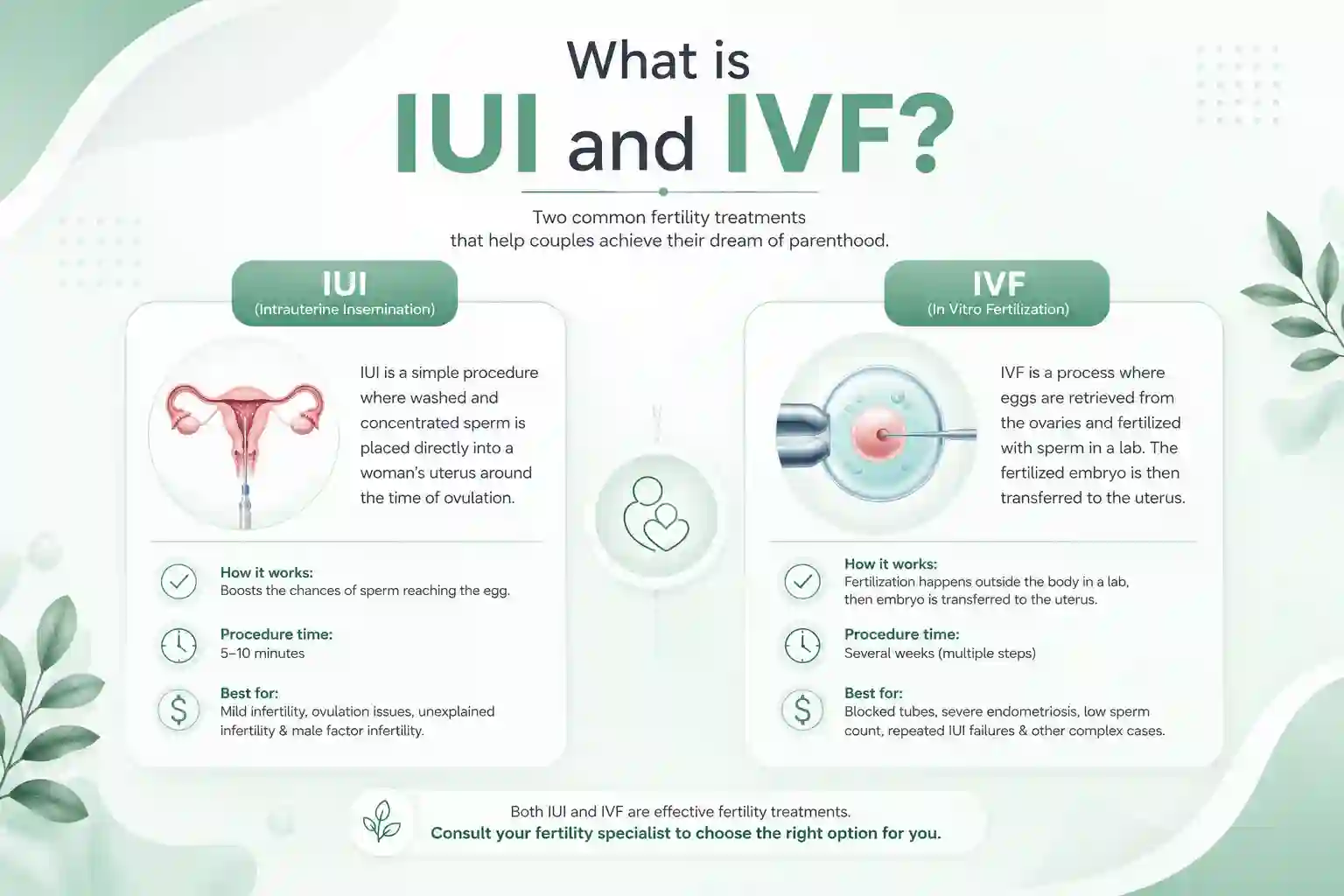
An IUI pregnancy is a pregnancy achieved after Intrauterine Insemination (IUI), a fertility treatment in which specially prepared sperm is placed directly into the uterus during the fertile window.
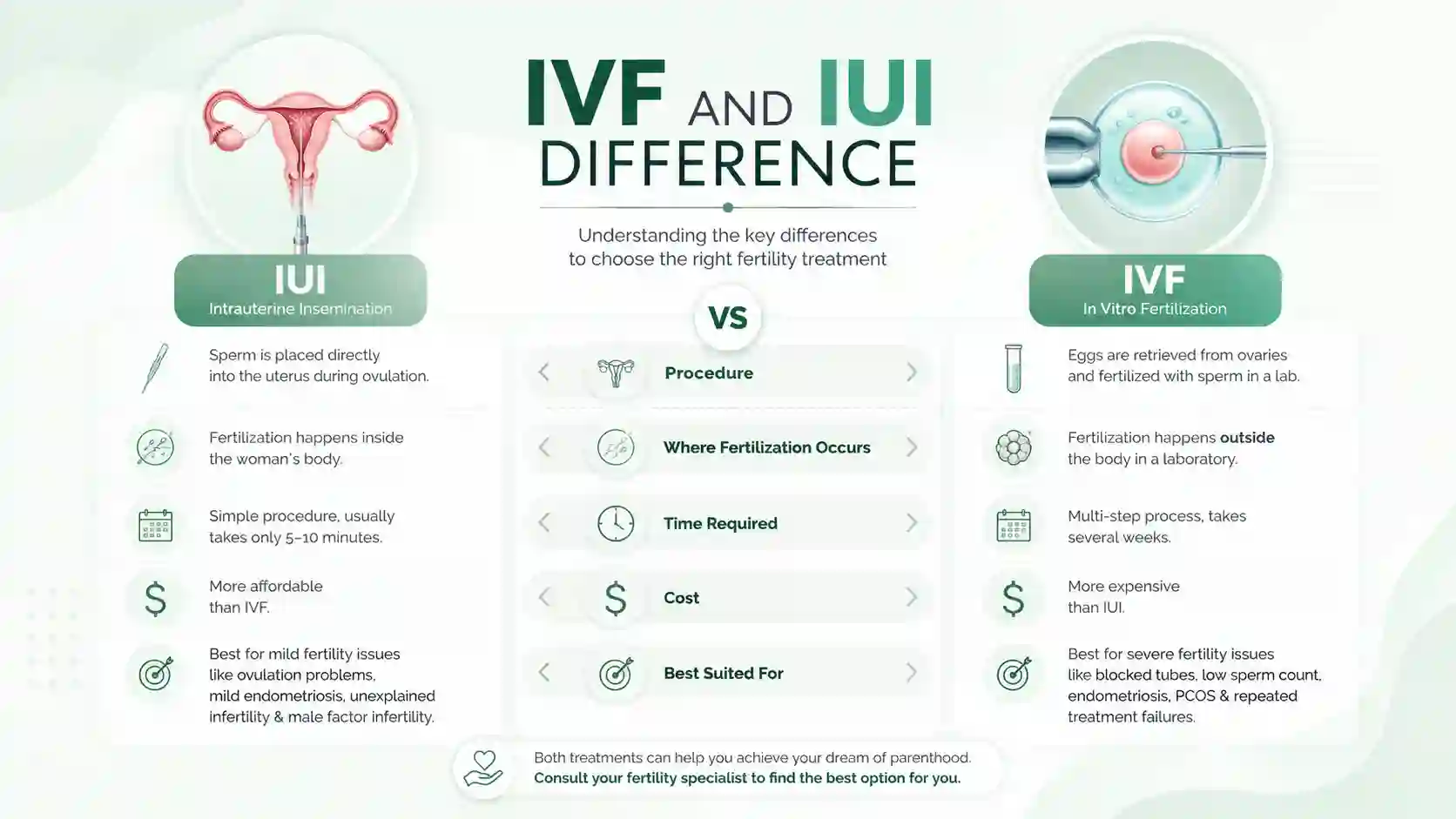
Unlike In Vitro Fertilization (IVF), fertilization in IUI occurs naturally inside the fallopian tube after the sperm meets the egg.
An IUI pregnancy develops in the same way as a naturally conceived pregnancy once fertilization and implantation occur.
IUI may be recommended for:
- Unexplained infertility
- Mild male factor infertility
- Ovulation disorders
- Cervical factor infertility
- Couples using donor sperm
- Single women or same-sex female couples using donor sperm
Why Is IUI Pregnancy Important?
Understanding IUI pregnancy helps patients know what to expect during the days and weeks after treatment.
It also helps you:
- Understand the normal pregnancy timeline.
- Recognize common early pregnancy symptoms.
- Avoid unnecessary anxiety during the two-week wait.
- Know when to take a pregnancy test.
- Understand the importance of early prenatal care.
Every pregnancy is unique, and symptoms can vary from person to person.
How Does an IUI Pregnancy Happen?
The journey to an IUI pregnancy involves several important steps.
Step 1: Ovulation
An egg is released naturally or after ovulation-inducing medications.
Step 2: Sperm Preparation
A semen sample is processed in the laboratory through sperm washing to select healthy, motile sperm.
Step 3: Insemination
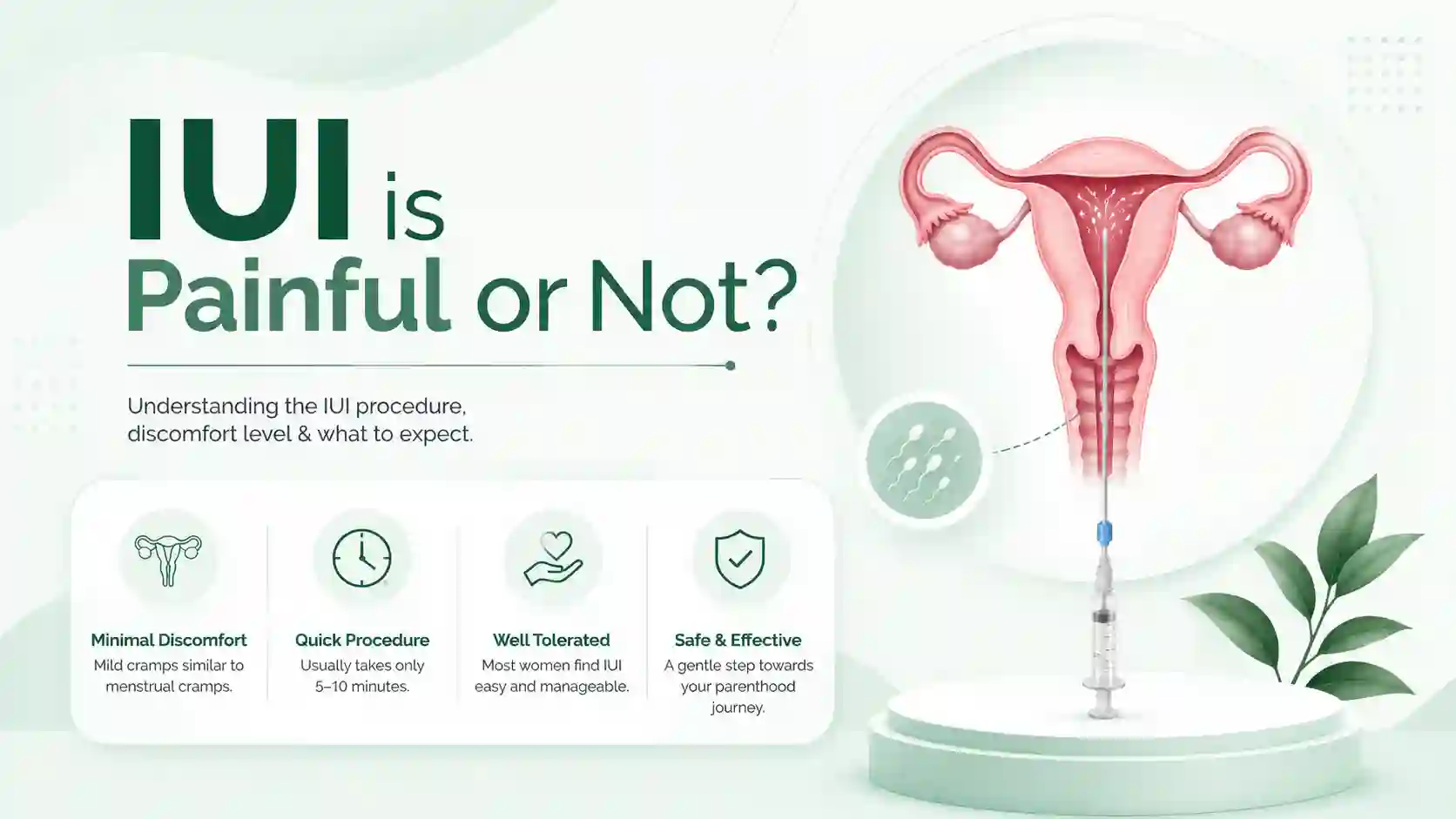
Prepared sperm is placed directly into the uterus using a thin catheter during the fertile window.
Step 4: Fertilization
The sperm travels to the fallopian tube, where it may fertilize the egg naturally.
Step 5: Embryo Development
The fertilized egg divides into an embryo while traveling toward the uterus.
Step 6: Implantation
The embryo attaches to the uterine lining several days later.
Step 7: Pregnancy Hormone Production
After implantation, the body begins producing human chorionic gonadotropin (hCG), the hormone detected by pregnancy tests.
Benefits of IUI Pregnancy
For suitable patients, IUI offers several advantages.
Benefits include:
- Minimally invasive fertility treatment
- No surgery required
- Fertilization occurs naturally
- Lower cost than IVF
- Short outpatient procedure
- Minimal recovery time
- Can be combined with fertility medications
IUI is often recommended before moving to more advanced fertility treatments.
Risks, Side Effects, or Limitations
Although IUI is generally safe, there are some possible risks and limitations.
Possible side effects after the procedure include:
- Mild cramping
- Light spotting
- Temporary pelvic discomfort
Potential risks include:
- Multiple pregnancy when fertility medications are used
- Rare infection
- Ovarian Hyperstimulation Syndrome (OHSS), though uncommon
- Unsuccessful treatment cycle
If you experience severe abdominal pain, heavy bleeding, fever, or significant swelling, contact your fertility clinic promptly.
Timeline and Pregnancy Testing
Understanding the timeline can help reduce anxiety after IUI.
Days 1–5
The sperm and egg may meet, and fertilization can occur if conditions are favorable.
Days 6–10
If fertilization is successful, the embryo may implant into the uterine lining.
Days 10–14
Pregnancy hormone levels begin rising after implantation.
Around Day 14
A blood or urine pregnancy test is usually recommended about two weeks after IUI for the most accurate result.
Testing too early may produce false-positive or false-negative results.
Early Signs of an IUI Pregnancy
Some women experience early pregnancy symptoms, while others notice none.
Possible symptoms include:
- Mild cramping
- Breast tenderness
- Fatigue
- Bloating
- Light implantation spotting
- Frequent urination
- Mild nausea
- Increased sensitivity to smells
These symptoms are not reliable proof of pregnancy because fertility medications can cause similar changes.
Factors Affecting IUI Pregnancy
Several factors influence the chances of achieving an IUI pregnancy.
Female Age
Age is one of the strongest predictors of fertility treatment success.
Cause of Infertility
IUI is often most effective for unexplained infertility, ovulation disorders, mild male factor infertility, and cervical factor infertility.
Sperm Quality
Healthy sperm count, movement, and shape improve fertilization chances.
Ovulation Timing
Accurate timing between ovulation and insemination is essential.
Lifestyle Factors
Maintaining a healthy weight, eating a balanced diet, avoiding smoking, limiting alcohol, and managing chronic medical conditions may support fertility.
Emotional & Patient Perspective
The period after IUI can be emotionally challenging.
Patients often experience:
- Hope
- Excitement
- Anxiety during the two-week wait
- Constant symptom checking
- Fear of disappointment
It’s important to remember that many successful pregnancies begin without noticeable symptoms.
Following your fertility specialist’s recommendations and avoiding early pregnancy testing can help reduce unnecessary stress.
Tips for a Healthy IUI Pregnancy
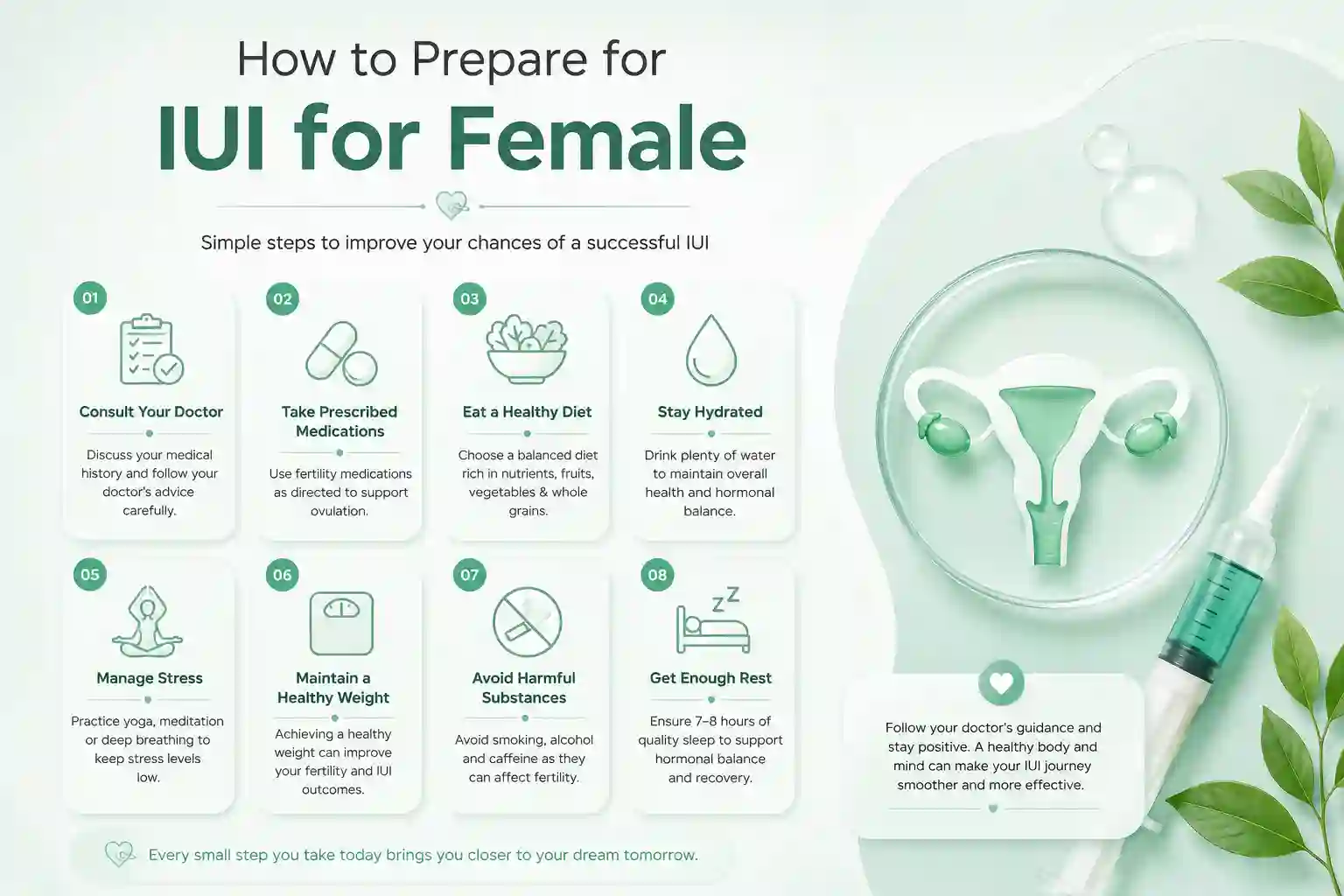
If you have undergone IUI, these recommendations may help support a healthy pregnancy:
- Continue prescribed medications exactly as directed.
- Avoid smoking, alcohol, and recreational drugs.
- Eat a nutritious, balanced diet.
- Stay hydrated.
- Get adequate sleep.
- Attend all scheduled appointments.
- Begin prenatal vitamins if recommended by your healthcare provider.
- Contact your clinic if you develop severe symptoms.
Early prenatal care is essential once pregnancy is confirmed.
When to See a Fertility Specialist
Consult your fertility specialist if:
- Your pregnancy test is positive.
- You experience heavy bleeding.
- You develop severe abdominal pain.
- You have fever or signs of infection.
- You experience symptoms of OHSS.
- Pregnancy has not occurred after the recommended number of IUI cycles.
Your fertility specialist can advise on the next steps and discuss additional treatment options if necessary.
An IUI pregnancy begins when fertilization occurs naturally after specially prepared sperm is placed into the uterus during ovulation. Once implantation takes place, pregnancy develops in the same way as a naturally conceived pregnancy. While early symptoms such as mild cramping, breast tenderness, or fatigue may occur, they vary from person to person and are not reliable indicators of success. The best way to confirm an IUI pregnancy is with a pregnancy test performed at the time recommended by your fertility specialist. With proper medical guidance and prenatal care, many people go on to have healthy pregnancies after IUI.
FAQs About IUI Pregnancy
1. How long does it take to know if an IUI pregnancy is successful?
Most fertility specialists recommend taking a pregnancy test about 14 days after the IUI procedure for the most accurate result.
2. What are the first signs of an IUI pregnancy?
Some women experience breast tenderness, mild cramping, fatigue, bloating, light implantation spotting, or nausea. Others may have no symptoms before a positive pregnancy test.
3. Is an IUI pregnancy different from a natural pregnancy?
No. Once fertilization and implantation occur, an IUI pregnancy develops the same way as a naturally conceived pregnancy.
4. Can I exercise after IUI?
Light daily activities are usually safe, but your fertility specialist may recommend avoiding strenuous exercise for a short period based on your treatment plan.
5. Is bleeding normal after IUI?
Light spotting shortly after the procedure can be normal. However, heavy bleeding should be evaluated by your healthcare provider.
6. When should I start prenatal vitamins after IUI?
Many fertility specialists recommend taking prenatal vitamins while trying to conceive or immediately after pregnancy is confirmed. Follow your healthcare provider’s advice.
7. What should I do if my IUI cycle is unsuccessful?
If pregnancy does not occur, your fertility specialist will review your treatment cycle and discuss whether another IUI attempt or a different fertility treatment, such as IVF, is appropriate.