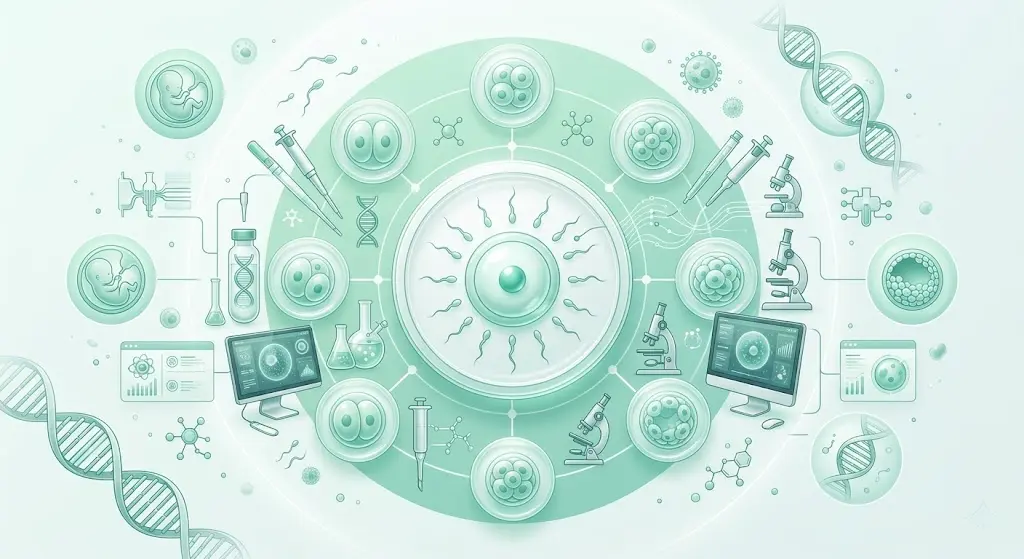
Many people researching fertility treatments search for IVF vs test tube baby because they are unsure whether these terms describe different procedures. The truth is that IVF and test tube baby are closely related, but they are not two separate fertility treatments.
IVF (In Vitro Fertilization) is the medical procedure, while test tube baby is a popular term used to describe a baby conceived through IVF. Understanding this distinction can help clear up confusion and provide a better understanding of modern fertility treatment.
What Is IVF vs Test Tube Baby?
The phrase IVF vs test tube baby compares a fertility treatment with the outcome of that treatment.
What Is IVF?
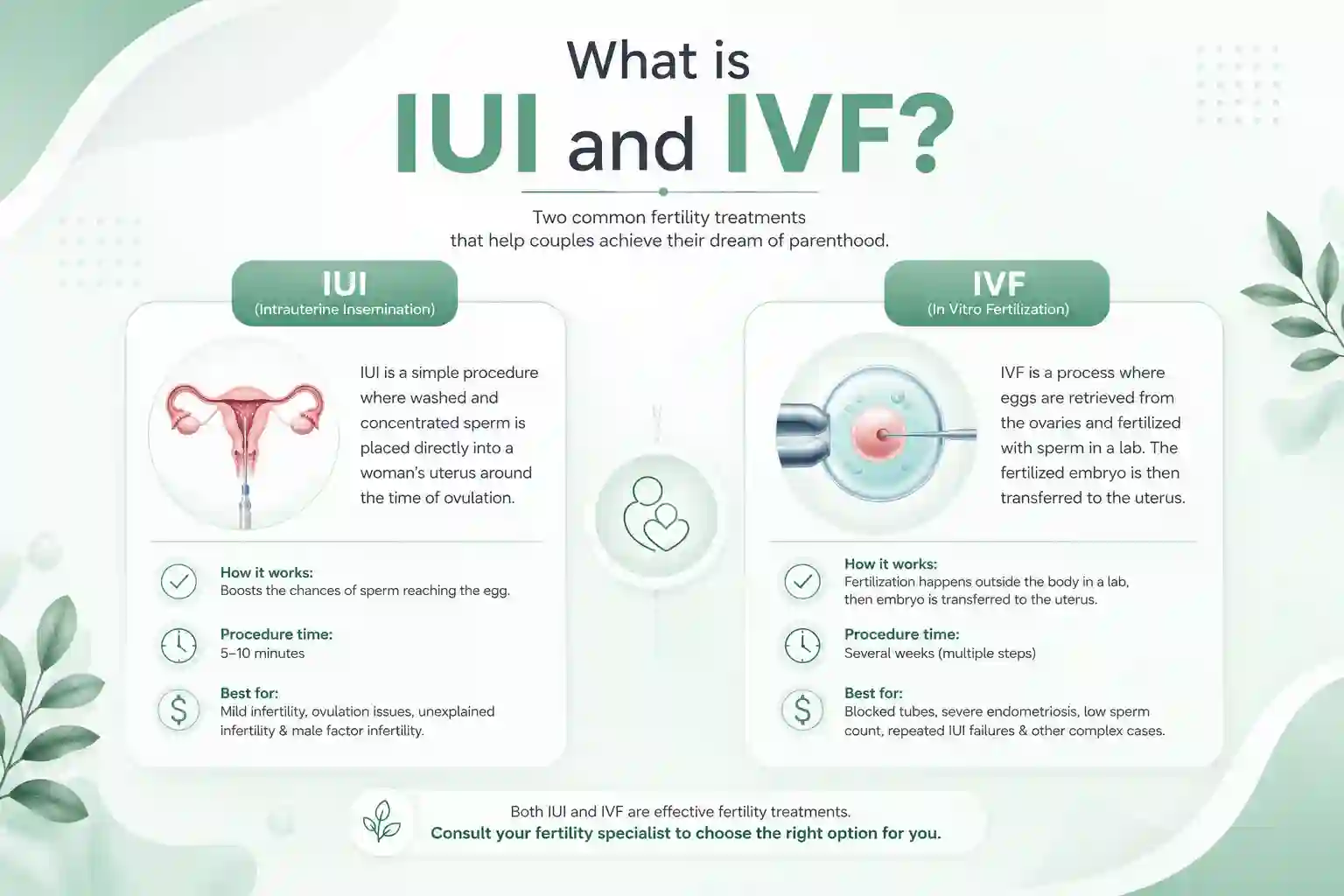
IVF stands for In Vitro Fertilization.
It is a fertility treatment where:
- Eggs are collected from the ovaries.
- Sperm is collected and prepared.
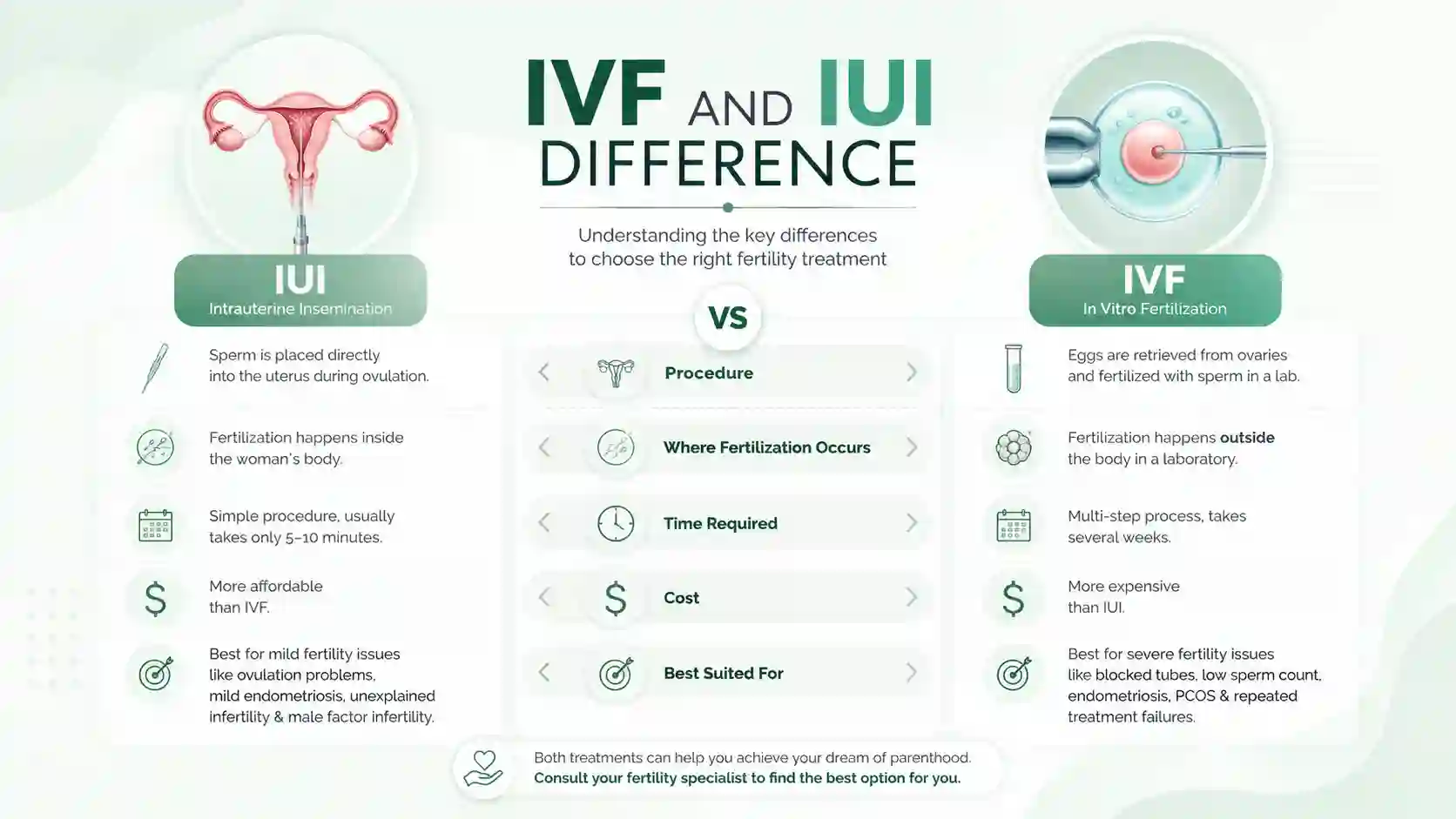
- Fertilization occurs in a laboratory.
- Embryos are developed and monitored.
- A selected embryo is transferred into the uterus.
IVF is the medical process used to help achieve pregnancy.
What Is a Test Tube Baby?
A test tube baby is a baby conceived through IVF.
The term became popular after the birth of Louise Brown, the world’s first baby born through IVF in 1978.
Therefore:
- IVF = The treatment
- Test Tube Baby = The child born as a result of the treatment
Why Is Understanding IVF vs Test Tube Baby Important?
Many people mistakenly believe:
- IVF and test tube baby are different treatments.
- Babies grow entirely outside the body.
- Test tube babies are different from naturally conceived babies.
Understanding the facts helps patients make informed decisions and reduces unnecessary anxiety about fertility treatment.
How Does IVF Work?
To understand IVF vs test tube baby, it helps to know how IVF works.
Step 1: Fertility Evaluation
Doctors assess fertility through:
- Hormone testing
- Ultrasound scans
- Semen analysis
- Medical history review
Step 2: Ovarian Stimulation
Fertility medications stimulate the ovaries to produce multiple eggs.
Step 3: Egg Retrieval
Mature eggs are collected through a minimally invasive procedure.
Step 4: Fertilization
Eggs and sperm are combined in a laboratory.
Fertilization may occur through:
- Conventional IVF
- ICSI (Intracytoplasmic Sperm Injection)
Step 5: Embryo Development
Embryos are cultured and monitored for several days.
Step 6: Embryo Transfer
A selected embryo is transferred into the uterus.
Step 7: Pregnancy
If implantation occurs successfully, pregnancy develops naturally.
The baby born from this process is often called a test tube baby.
Do Test Tube Babies Grow in Test Tubes?
No.
This is one of the most common myths about IVF.
In reality:
- Fertilization occurs in a specialized laboratory dish.
- The embryo develops in a controlled laboratory environment for a few days.
- The embryo is transferred to the uterus.
- Pregnancy develops naturally inside the mother’s womb.
Modern IVF laboratories do not grow babies in test tubes.
Benefits of IVF
Since a test tube baby is the result of IVF, the benefits relate to the IVF process itself.
Helps Overcome Infertility
IVF can help individuals and couples with:
- Blocked fallopian tubes
- Male infertility
- Endometriosis
- Ovulation disorders
- Unexplained infertility
Higher Pregnancy Potential
For many fertility conditions, IVF offers higher success rates than other fertility treatments.
Fertility Preservation
Eggs and embryos can be frozen for future use.
Advanced Reproductive Options
IVF can include:
- ICSI
- Embryo freezing
- Genetic testing
- Donor egg programs
Are Test Tube Babies Healthy?
A common concern is whether IVF-conceived children are healthy.
Research and decades of experience show that most IVF-conceived children:
- Grow normally
- Develop normally
- Attend school normally
- Live healthy lives
Once implantation occurs, fetal development generally follows the same biological process as naturally conceived pregnancies.
Risks, Side Effects, or Limitations
Medication Side Effects
Patients may experience:
- Bloating
- Fatigue
- Mood swings
- Breast tenderness
Ovarian Hyperstimulation Syndrome (OHSS)
Rarely, fertility medications may overstimulate the ovaries.
Emotional Stress
The fertility journey can be emotionally challenging.
No Guaranteed Success
Even with healthy embryos, IVF cannot guarantee pregnancy.
Cost, Timeline, or Success Rate
Typical IVF Timeline
| IVF Stage | Duration |
| Fertility testing | 1–2 weeks |
| Ovarian stimulation | 8–14 days |
| Egg retrieval | 1 day |
| Embryo development | 3–5 days |
| Embryo transfer | 1 day |
| Pregnancy testing | 9–14 days later |
A complete IVF cycle generally takes:
4–8 weeks
Success Rates
Success depends on:
- Female age
- Egg quality
- Embryo quality
- Sperm quality
- Uterine health
Younger patients generally have higher success rates.
Factors Affecting IVF Success
Several factors influence whether IVF leads to a successful pregnancy.
Female Age
Age remains one of the strongest predictors of IVF success.
Embryo Quality
Healthy embryos improve implantation chances.
Uterine Health
A healthy uterine lining supports pregnancy.
Male Fertility
Sperm quality contributes to embryo development.
Lifestyle Factors
Smoking, obesity, excessive alcohol consumption, and poor sleep may affect fertility outcomes.
Emotional & Patient Perspective
For many couples, IVF represents hope after months or years of infertility.
Patients often experience:
- Excitement
- Anxiety
- Uncertainty
- Optimism
Learning that a “test tube baby” is simply a baby conceived through IVF can help reduce fears and misconceptions about treatment.
Support from fertility specialists, counselors, and loved ones can make the journey easier.
Tips Before Starting IVF
If you are considering IVF:
- Schedule a fertility evaluation
- Learn about the treatment process
- Understand success rates based on age
- Ask about treatment costs
- Seek emotional support when needed
Being informed can help you feel more confident throughout treatment.
When to See a Fertility Specialist
You should consider consulting a fertility specialist if:
- You have been trying to conceive for over one year
- You are over age 35 and have been trying for six months
- You have irregular menstrual cycles
- You have recurrent miscarriages
- Male infertility concerns exist
- You have known reproductive health conditions
Early evaluation may improve treatment planning and outcomes.
When comparing IVF vs test tube baby, it is important to understand that they are not competing treatments or separate procedures. IVF is the medical process used to achieve fertilization outside the body, while a test tube baby is simply a child conceived through IVF.
The term “test tube baby” is a popular, non-medical expression that has been used for decades. Today, IVF remains one of the most effective fertility treatments available and has helped millions of individuals and couples achieve their dream of parenthood.
FAQs About IVF vs Test Tube Baby
What is the difference between IVF and a test tube baby?
IVF is the fertility treatment, while a test tube baby is the baby conceived through that treatment.
Is a test tube baby different from an IVF baby?
No. Both terms refer to the same concept.
Do babies grow in test tubes during IVF?
No. Fertilization occurs in a laboratory, but pregnancy develops naturally in the uterus after embryo transfer.
Are IVF babies healthy?
Most IVF-conceived children are healthy and develop normally.
Who was the first test tube baby?
Louise Brown was the first baby born through IVF in 1978.