
If you’re considering fertility treatment, one of the first questions you’ll likely ask is: Is IVF successful? The answer is yes—IVF (In Vitro Fertilization) has helped millions of people worldwide achieve pregnancy and build families. However, IVF success is not the same for everyone.
Success rates depend on several factors, including age, egg quality, sperm quality, embryo quality, and overall reproductive health. While IVF is one of the most effective fertility treatments available, it does not guarantee pregnancy in every cycle.
Understanding what influences IVF success can help patients set realistic expectations and make informed decisions.
What Does IVF Success Mean?
When discussing whether IVF is successful, it’s important to understand how success is measured.
Success may refer to:
- Positive pregnancy test
- Clinical pregnancy (confirmed by ultrasound)
- Ongoing pregnancy
- Live birth
Most fertility specialists consider live birth rate the most meaningful measure of IVF success.
Why Is IVF Considered Successful?
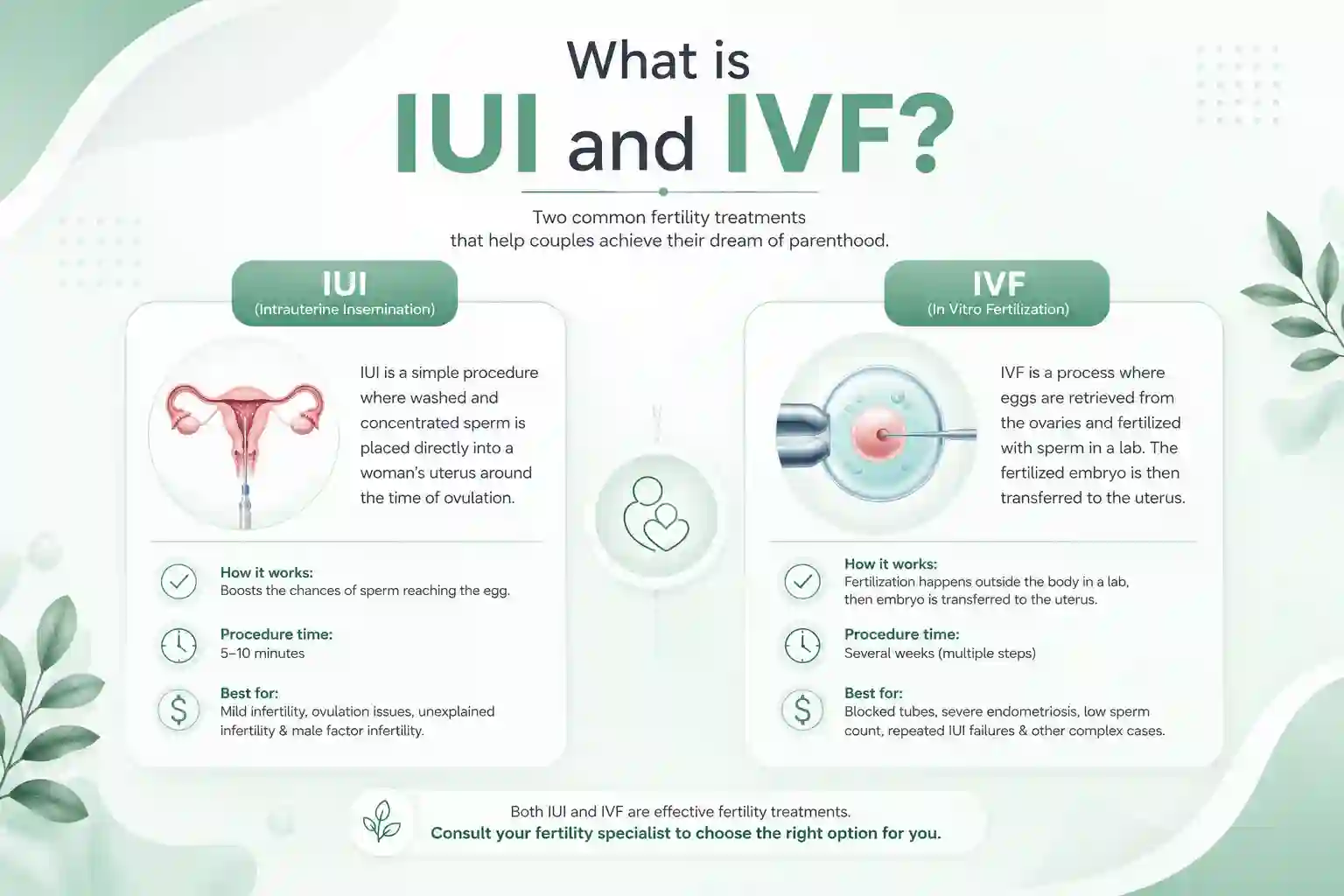
IVF has become a leading fertility treatment because it can help overcome many causes of infertility.
IVF may help patients with:
- Blocked fallopian tubes
- Male infertility
- Endometriosis
- Ovulation disorders
- Unexplained infertility
- Advanced maternal age
- Recurrent pregnancy loss
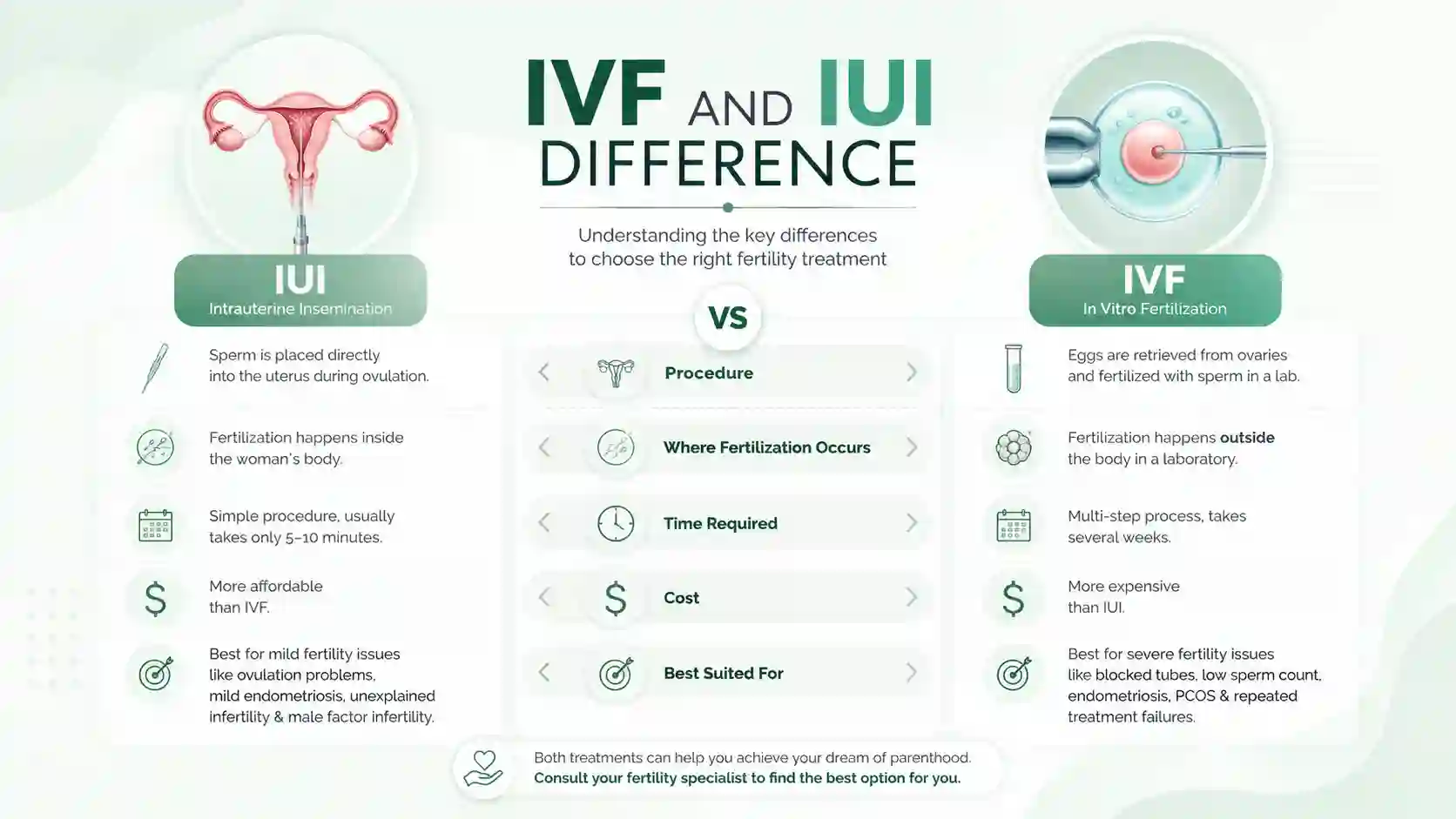
For many couples, IVF offers a higher chance of pregnancy than other fertility treatments.
How Does IVF Work?
Understanding the IVF process helps explain why success rates vary.
Step 1: Ovarian Stimulation
Fertility medications stimulate the ovaries to produce multiple eggs.
Step 2: Egg Retrieval
Mature eggs are collected from the ovaries.
Step 3: Fertilization
Eggs and sperm are combined in a laboratory.
Step 4: Embryo Development
Embryos are monitored for several days.
Step 5: Embryo Transfer
A selected embryo is transferred into the uterus.
Step 6: Pregnancy Test
A blood test determines whether implantation and pregnancy have occurred.
Each stage can influence the final outcome.
IVF Success Rates by Age
Age is one of the most important factors affecting IVF success.
Under Age 35
Patients in this age group generally experience the highest success rates because egg quality is usually better.
Age 35–37
Success rates remain relatively strong but may begin to decline gradually.
Age 38–40
Pregnancy rates often decrease due to age-related changes in egg quality.
Over Age 40
Success rates may decline more significantly, although successful pregnancies still occur.
Younger patients generally have a higher likelihood of achieving pregnancy and live birth through IVF.
Benefits of IVF
Helps Overcome Infertility
IVF can address a wide range of fertility challenges.
Higher Pregnancy Potential
Compared with many other fertility treatments, IVF often provides higher success rates.
Embryo Selection
Embryologists can monitor embryo development before transfer.
Fertility Preservation
Eggs and embryos can be frozen for future use.
Genetic Testing Options
When medically appropriate, embryos can undergo genetic testing before transfer.
Factors Affecting IVF Success
Several factors influence whether IVF is successful.
Female Age
Age remains the strongest predictor of IVF success.
As age increases:
- Egg quality declines
- Chromosomal abnormalities become more common
- Miscarriage risk increases
Embryo Quality
Healthy embryos are more likely to implant successfully.
Egg Quality
Good-quality eggs improve embryo development and pregnancy potential.
Sperm Quality
Sperm health contributes to successful fertilization and embryo development.
Uterine Health
A healthy uterine lining supports implantation and pregnancy.
Lifestyle Factors
Certain lifestyle factors may affect outcomes, including:
- Smoking
- Obesity
- Excessive alcohol use
- Poor sleep habits
Fertility Diagnosis
The underlying cause of infertility may influence success rates.
Risks, Side Effects, or Limitations
Although IVF is highly effective, there are limitations.
No Guaranteed Pregnancy
Even healthy embryos may not implant successfully.
Multiple Cycles May Be Needed
Many patients require more than one IVF cycle.
Emotional Stress
The treatment process can be emotionally demanding.
Financial Cost
IVF can represent a significant financial investment.
Cost, Timeline, or Success Rate
Typical IVF Timeline
| IVF Stage | Duration |
| Fertility testing | 1–2 weeks |
| Ovarian stimulation | 8–14 days |
| Egg retrieval | 1 day |
| Embryo development | 3–5 days |
| Embryo transfer | 1 day |
| Pregnancy testing | 9–14 days later |
Most IVF cycles take approximately:
4–8 weeks
Is IVF Successful After Multiple Cycles?
Success often increases over multiple treatment attempts because doctors can adjust treatment protocols and learn from previous cycles.
Many patients achieve pregnancy after more than one IVF cycle.
Emotional & Patient Perspective
One of the most challenging aspects of IVF is managing expectations.
Patients often feel:
- Hopeful
- Excited
- Nervous
- Frustrated if treatment is unsuccessful
It is important to remember that IVF success is a journey rather than a single event. Some patients achieve pregnancy during their first cycle, while others require additional treatment.
Support from fertility specialists, counselors, and loved ones can be extremely valuable throughout the process.
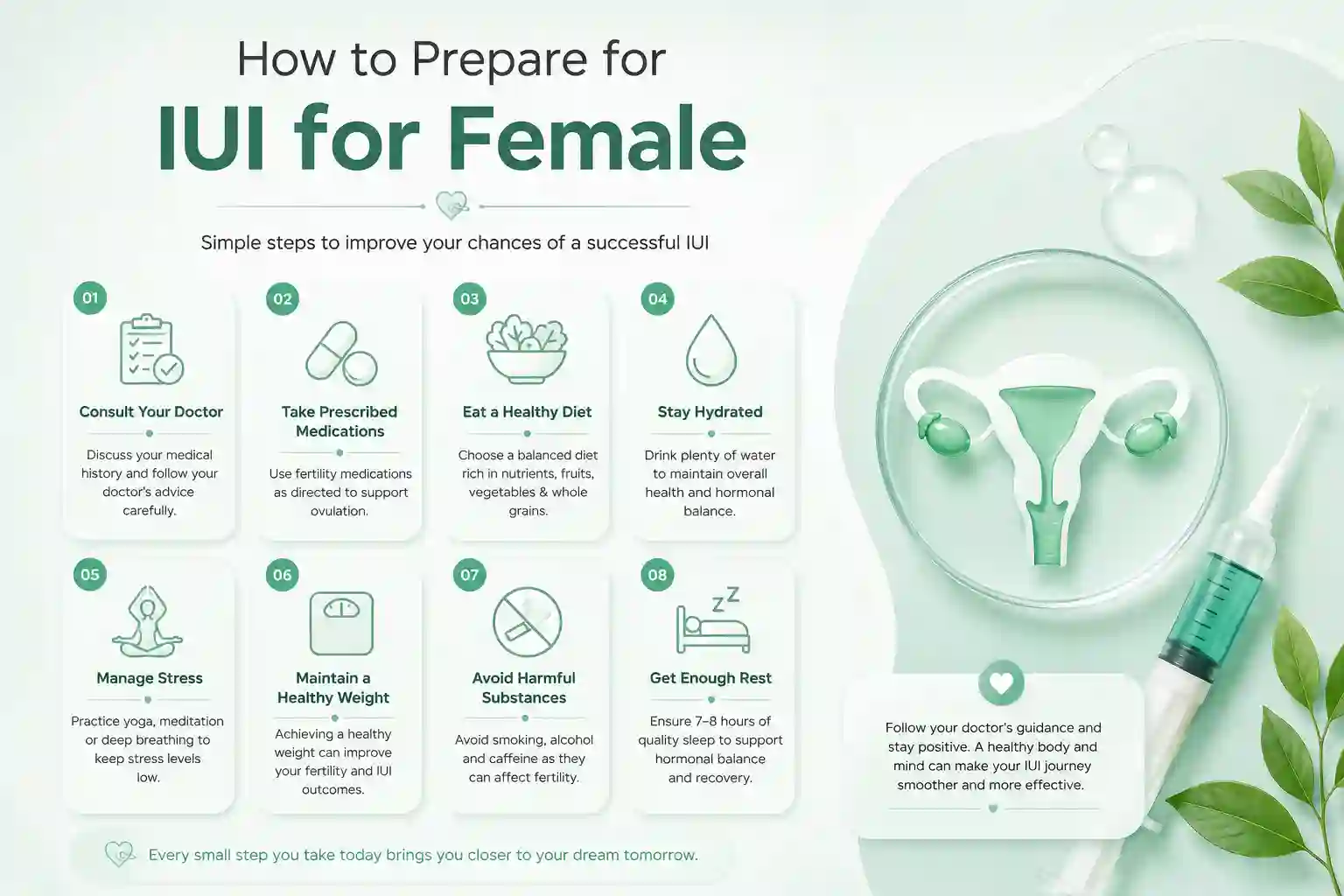
Tips to Improve IVF Success
While no strategy can guarantee pregnancy, patients can support overall reproductive health by:
- Following medication instructions carefully
- Attending all monitoring appointments
- Maintaining a healthy weight
- Avoiding smoking
- Limiting alcohol consumption
- Managing stress
- Following medical recommendations
A personalized treatment plan offers the best opportunity for success.
When to See a Fertility Specialist
Consider consulting a fertility specialist if:
- You have been trying to conceive for over one year
- You are over age 35 and have been trying for six months
- You have irregular menstrual cycles
- You have recurrent miscarriages
- Male infertility concerns exist
- You have known reproductive health conditions
Early evaluation may improve treatment planning and outcomes.
So, is IVF successful? For many individuals and couples, the answer is yes. IVF has helped millions of people achieve pregnancy and become parents. However, success depends on factors such as age, egg quality, sperm quality, embryo health, and overall reproductive health.
While IVF cannot guarantee pregnancy, it remains one of the most effective fertility treatments available. Working closely with an experienced fertility specialist can help you understand your individual chances of success and choose the most appropriate treatment plan.
FAQs About Is IVF Successful
Is IVF successful on the first try?
Some patients achieve pregnancy during their first IVF cycle, but success varies from person to person.
What affects IVF success the most?
Female age is one of the most important factors influencing IVF success.
Can IVF work after age 40?
Yes. Successful pregnancies can occur after age 40, although success rates are generally lower than in younger patients.
Does IVF guarantee a baby?
No. IVF can improve the chances of pregnancy but cannot guarantee success.
Can lifestyle affect IVF outcomes?
Healthy lifestyle habits may support overall reproductive health and fertility treatment outcomes.