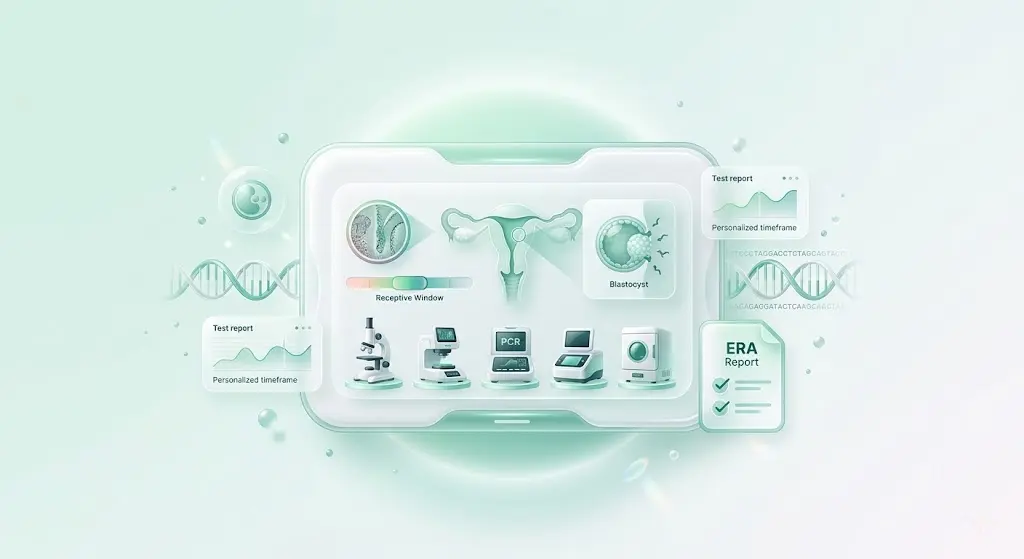
For couples experiencing repeated IVF failure, doctors may recommend advanced fertility testing to improve implantation chances. One important test often discussed in fertility treatment is the ERA Test IVF.
The ERA test is designed to help fertility specialists determine the best timing for embryo transfer by analyzing the receptivity of the uterine lining. Understanding how this test works can help patients make informed decisions during IVF treatment.
What Is ERA Test IVF?
ERA Test IVF stands for Endometrial Receptivity Analysis. It is a specialized test used during fertility treatment to identify the ideal time for embryo transfer.
The test evaluates:
- Whether the uterine lining is ready for embryo implantation
- The most receptive implantation window for pregnancy
This information may help improve IVF success in selected patients.
Why Is the ERA Test Done in IVF?
During IVF treatment, embryo transfer timing is extremely important.
Even high-quality embryos may fail to implant if:
- The uterine lining is not receptive at the correct time.
The ERA test helps determine:
- Whether implantation timing should be adjusted for better results.
Doctors commonly recommend ERA testing for:
- Repeated IVF failure
- Failed embryo implantation
- Recurrent unsuccessful embryo transfers
How ERA Test IVF Works
The ERA test follows several carefully planned steps.
Step 1: Hormonal Preparation
The patient receives hormone medications similar to those used during an embryo transfer cycle.
The goal is to:
- Prepare the uterine lining for evaluation.
Step 2: Endometrial Biopsy
At a specific point in the cycle:
- A small sample of the uterine lining is collected.
This procedure is called:
- Endometrial biopsy.
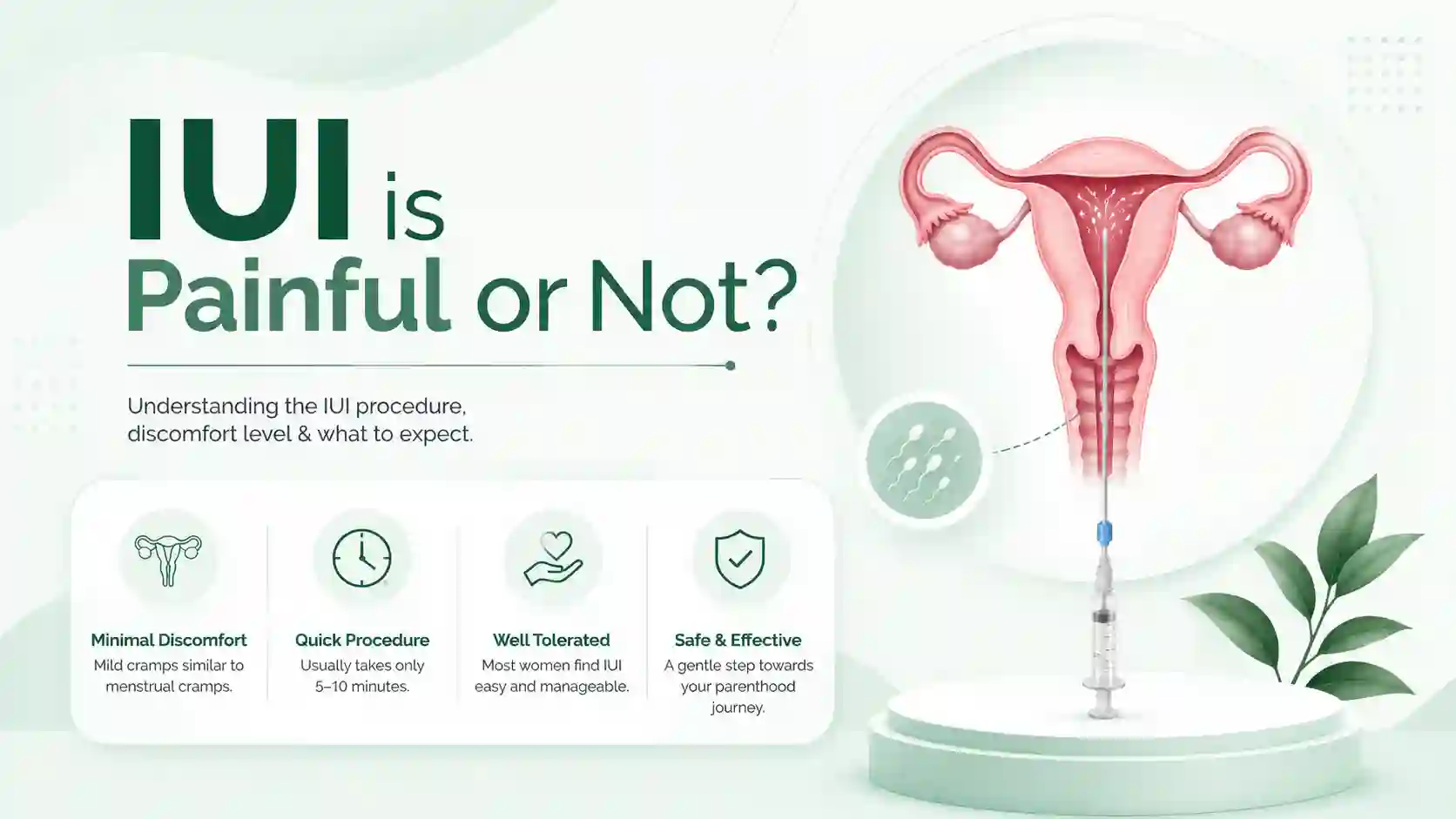
The biopsy usually causes mild discomfort or cramping.
Step 3: Laboratory Analysis
The tissue sample is analyzed in a laboratory to evaluate:
- Gene expression related to implantation readiness.
The results determine whether the uterine lining is:
- Receptive
- Pre-receptive
- Post-receptive
Step 4: Personalized Embryo Transfer Timing
Based on the ERA test results:
- Doctors may adjust embryo transfer timing to match the patient’s implantation window.
This is called:
- Personalized embryo transfer (pET).
Who May Benefit from ERA Test IVF?
ERA testing may help patients who:
- Have repeated failed IVF cycles
- Experience implantation failure
- Have good-quality embryos but no pregnancy success
It is not always necessary for every IVF patient.
Does ERA Test Improve IVF Success?
The benefits of ERA testing are still being studied, but some fertility specialists believe it may improve implantation success in selected patients with repeated IVF failure.
Success depends on:
- Embryo quality
- Uterine health
- Patient age
- Overall fertility condition
ERA testing mainly focuses on improving transfer timing.
Risks and Side Effects of ERA Test IVF
The ERA test is generally safe, but some patients may experience:
- Mild cramping
- Light spotting
- Temporary discomfort after biopsy
Serious complications are uncommon.
Cost of ERA Test IVF
The cost of ERA testing varies depending on:
- Fertility clinic
- Country
- Laboratory fees
- Additional IVF procedures
ERA testing is usually an additional cost beyond standard IVF treatment.
Emotional Aspects of Repeated IVF Failure
Patients considering ERA testing often feel emotionally exhausted after failed IVF attempts.
Common emotions include:
- Anxiety
- Frustration
- Fear of another failed cycle
- Emotional stress during treatment
Counseling and emotional support may help patients cope better during fertility treatment.
When to Discuss ERA Test with Your Doctor
You should discuss ERA testing with your fertility specialist if:
- Multiple embryo transfers failed
- Good-quality embryos did not implant
- Doctors suspect implantation timing problems
Not every patient requires ERA testing, so medical guidance is important.
ERA Test IVF is an advanced fertility test designed to evaluate the best timing for embryo transfer by analyzing uterine receptivity. For some patients experiencing repeated implantation failure, ERA testing may help personalize IVF treatment and improve implantation timing.
Consulting an experienced fertility specialist is the best way to determine whether ERA testing is appropriate for your fertility journey.
FAQs About ERA Test IVF
What is ERA Test IVF?
A test used to determine the best timing for embryo transfer.
Why is ERA testing done?
Mostly for repeated IVF failure or implantation problems.
Is ERA testing painful?
It may cause mild cramping during the biopsy procedure.
Can ERA improve IVF success?
It may help selected patients by optimizing transfer timing.
What is an implantation window?
The time when the uterus is most ready for embryo implantation.