Many couples searching online for home IVF are looking for more private, affordable, or convenient fertility treatment options. With growing awareness about fertility care, interest in at-home reproductive solutions has increased significantly.
However, it is important to understand what home IVF actually means, what is medically possible at home, and which parts of IVF treatment always require professional medical supervision.
What Is Home IVF?
The term home IVF is often used to describe:
- At-home fertility support methods
- Home-based fertility monitoring
- Simplified fertility treatments
- IVF preparation performed partially at home
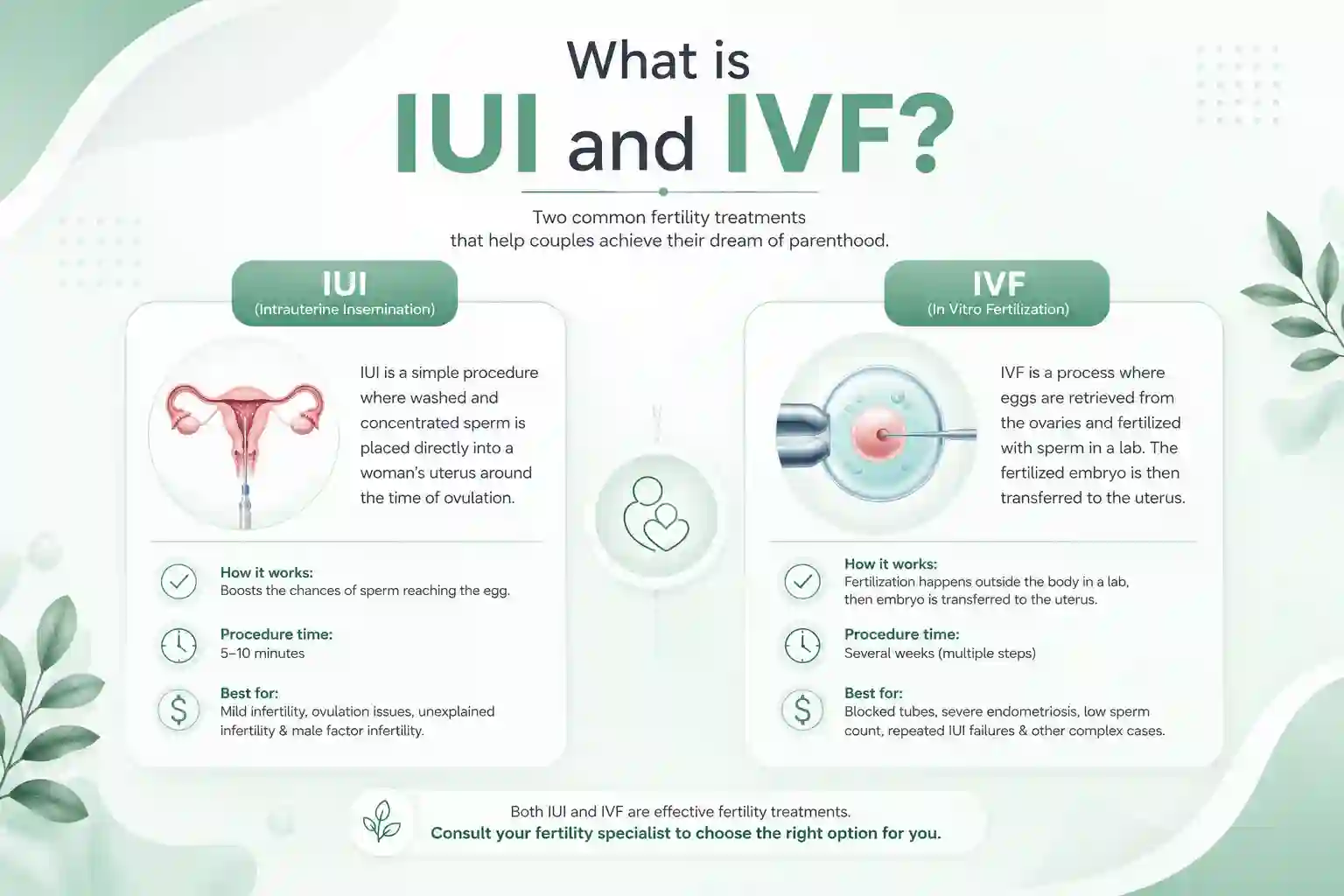
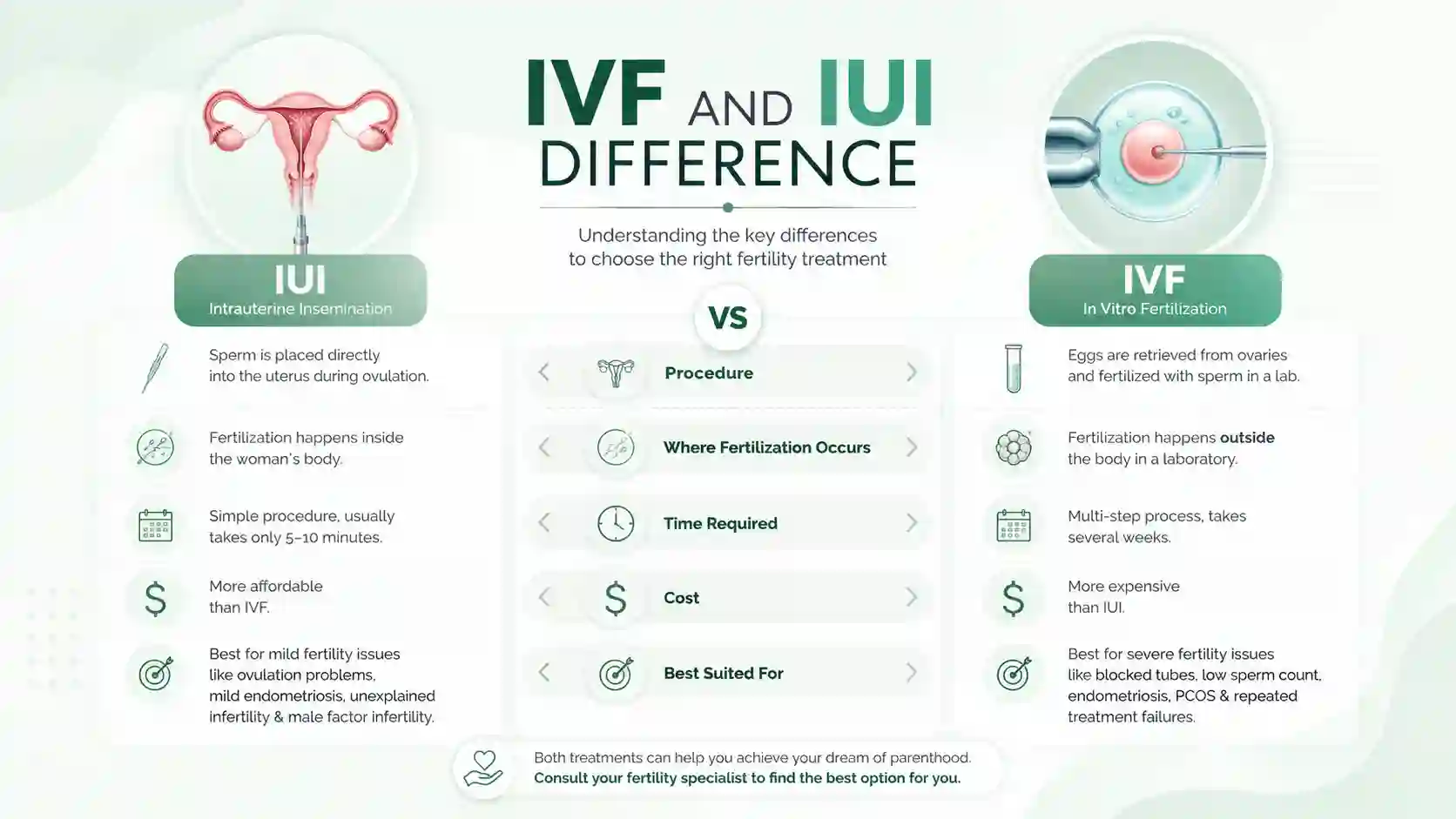
True IVF treatment cannot be fully performed at home because IVF requires advanced laboratory procedures and medical monitoring.
Can IVF Be Done Completely at Home?
No, complete IVF treatment cannot safely be done entirely at home.
IVF requires:
- Fertility specialists
- Ultrasound monitoring
- Hormone management
- Egg retrieval procedures
- Laboratory fertilization
- Embryo culture and transfer
These steps require specialized medical equipment and trained professionals.
What Parts of IVF Can Be Managed at Home?
Although full IVF cannot happen at home, some parts of fertility treatment may be handled outside the clinic.
1. Hormone Injections
Many IVF patients administer:
- Fertility injections at home
Doctors provide instructions for:
- Medication timing
- Injection technique
- Storage and safety
2. Fertility Monitoring
Patients may use:
- Ovulation tracking kits
- Fertility apps
- Hormone monitoring tools
These help track cycles before or during fertility treatment.
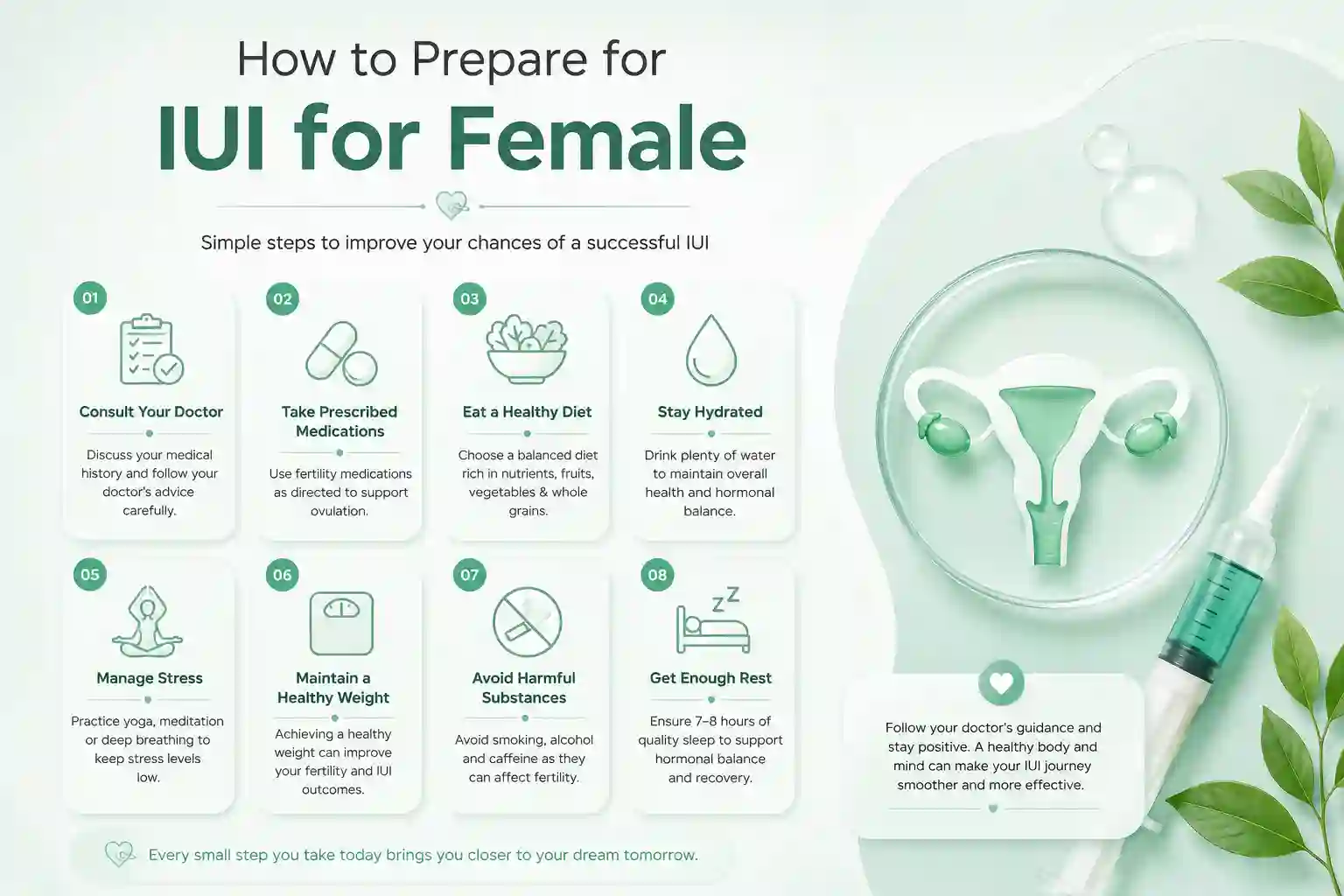
3. Lifestyle Preparation
Patients preparing for IVF often focus on:
- Healthy diet
- Stress management
- Exercise
- Sleep improvement
Lifestyle changes can positively affect fertility health.
What Happens in a Fertility Clinic?
The most important IVF steps still happen in a medical setting.
Egg Retrieval
Eggs are collected using:
- Ultrasound-guided medical procedures
This cannot safely be performed at home.
Laboratory Fertilization
Inside the IVF laboratory:
- Eggs and sperm are fertilized under controlled conditions.
Embryologists monitor:
- Fertilization
- Embryo growth
- Embryo quality
Embryo Transfer
A healthy embryo is transferred into the uterus by a fertility specialist.
Why Proper IVF Monitoring Is Important
IVF medications can affect hormone levels significantly.
Medical supervision helps:
- Monitor ovarian response
- Reduce complications like OHSS
- Improve treatment safety
- Optimize embryo transfer timing
Without professional monitoring, treatment risks may increase.
Risks of Unsupervised Home IVF Attempts
Trying to perform IVF without proper medical care can be dangerous.
Potential risks include:
- Incorrect medication use
- Ovarian Hyperstimulation Syndrome (OHSS)
- Missed fertility problems
- Poor treatment timing
- Reduced pregnancy success rates
Professional fertility guidance is essential during IVF treatment.
Difference Between Home Fertility Kits and IVF
Many products marketed as “home IVF kits” are actually:
- Ovulation tracking kits
- Home insemination tools
- Fertility monitoring products
These are not the same as clinical IVF treatment.
True IVF always requires:
- Laboratory fertilization and embryo transfer.
Emotional Benefits of At-Home Support
Although IVF itself requires clinical treatment, home support can help reduce stress.
Patients may benefit from:
- Comfortable home recovery after procedures
- Emotional support from family
- Flexible medication routines
Creating a calm environment during treatment can improve emotional well-being.
Cost Considerations
Some patients search for home IVF because they hope to reduce fertility treatment expenses.
While home fertility support tools may reduce minor costs:
- IVF still requires professional laboratory procedures and medical care.
Patients should avoid unsafe shortcuts that could affect health or pregnancy outcomes.
When to Consult a Fertility Specialist
You should speak with a fertility doctor if:
- You’ve been trying to conceive for over one year
- You’re over 35 and trying for 6 months
- You have known fertility issues
- Previous fertility treatments failed
Early medical guidance improves treatment planning and success.
Although some parts of fertility care can be managed at home, true home IVF is not medically possible because IVF requires advanced laboratory procedures and professional fertility monitoring. Safe and successful IVF treatment depends on experienced fertility specialists, proper medical supervision, and advanced reproductive technology.
Patients considering fertility treatment should always consult qualified fertility professionals before starting any IVF-related process.
FAQs About Home IVF
Can IVF be done completely at home?
No, IVF requires medical procedures and laboratory fertilization.
What IVF steps can be done at home?
Hormone injections and fertility tracking may be managed at home.
Are home IVF kits real IVF treatment?
Most are fertility support or insemination tools, not true IVF.
Why does IVF require a clinic?
Egg retrieval and fertilization need specialized equipment and monitoring.
Is home fertility treatment safe?
Only under proper medical guidance.