For many individuals and couples struggling to conceive, advances in reproductive medicine have opened new possibilities for building a family. One of the most well-known fertility treatments is in vitro fertilization, commonly called IVF. If you have ever wondered what is IVF technique of reproduction, understanding the process can help you make informed decisions about fertility care.
IVF is a form of assisted reproductive technology (ART) that helps people achieve pregnancy when natural conception is difficult or unsuccessful. Over the years, IVF has become a widely used treatment for various fertility challenges, offering hope to millions of families worldwide.
What Is IVF Technique of Reproduction?
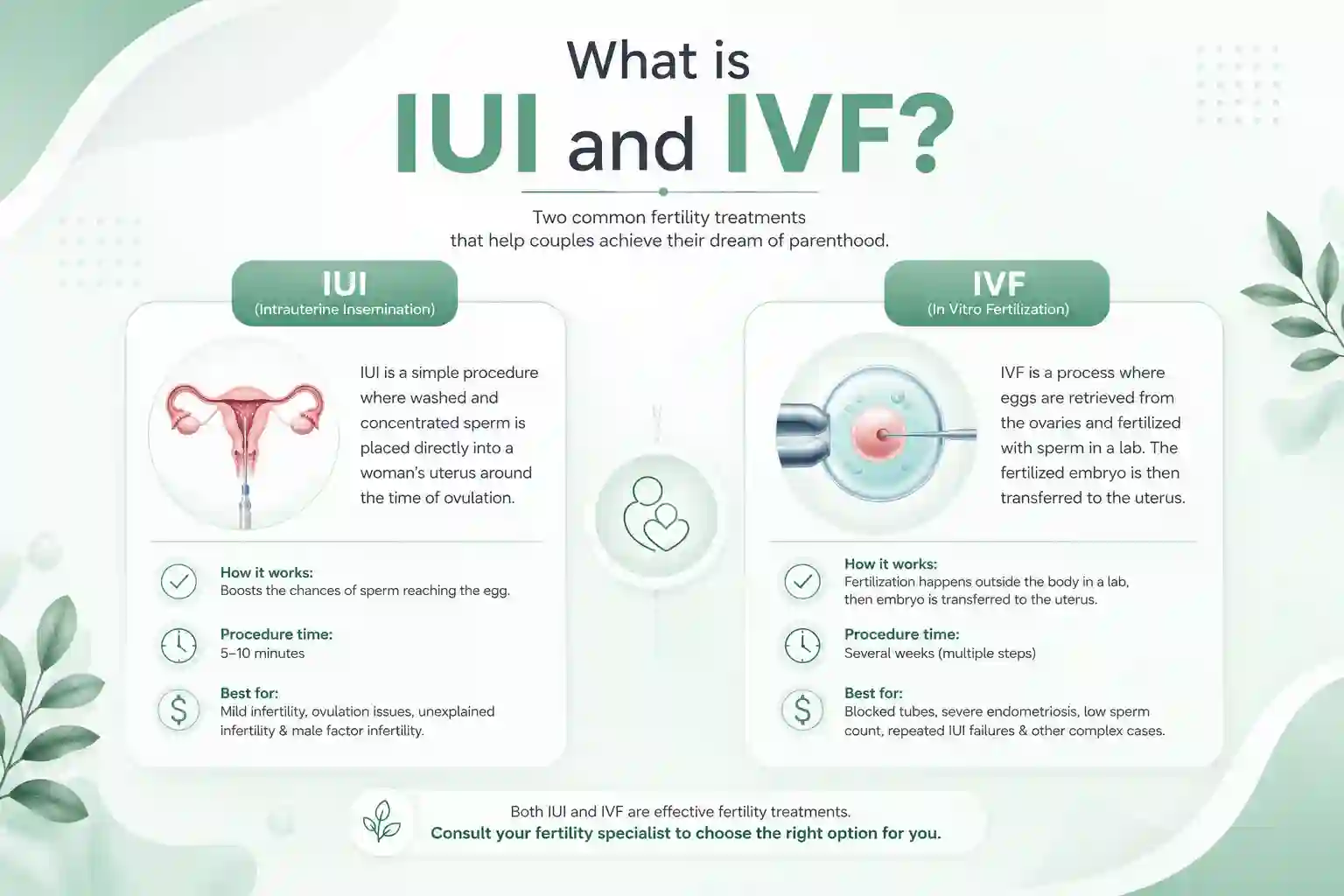
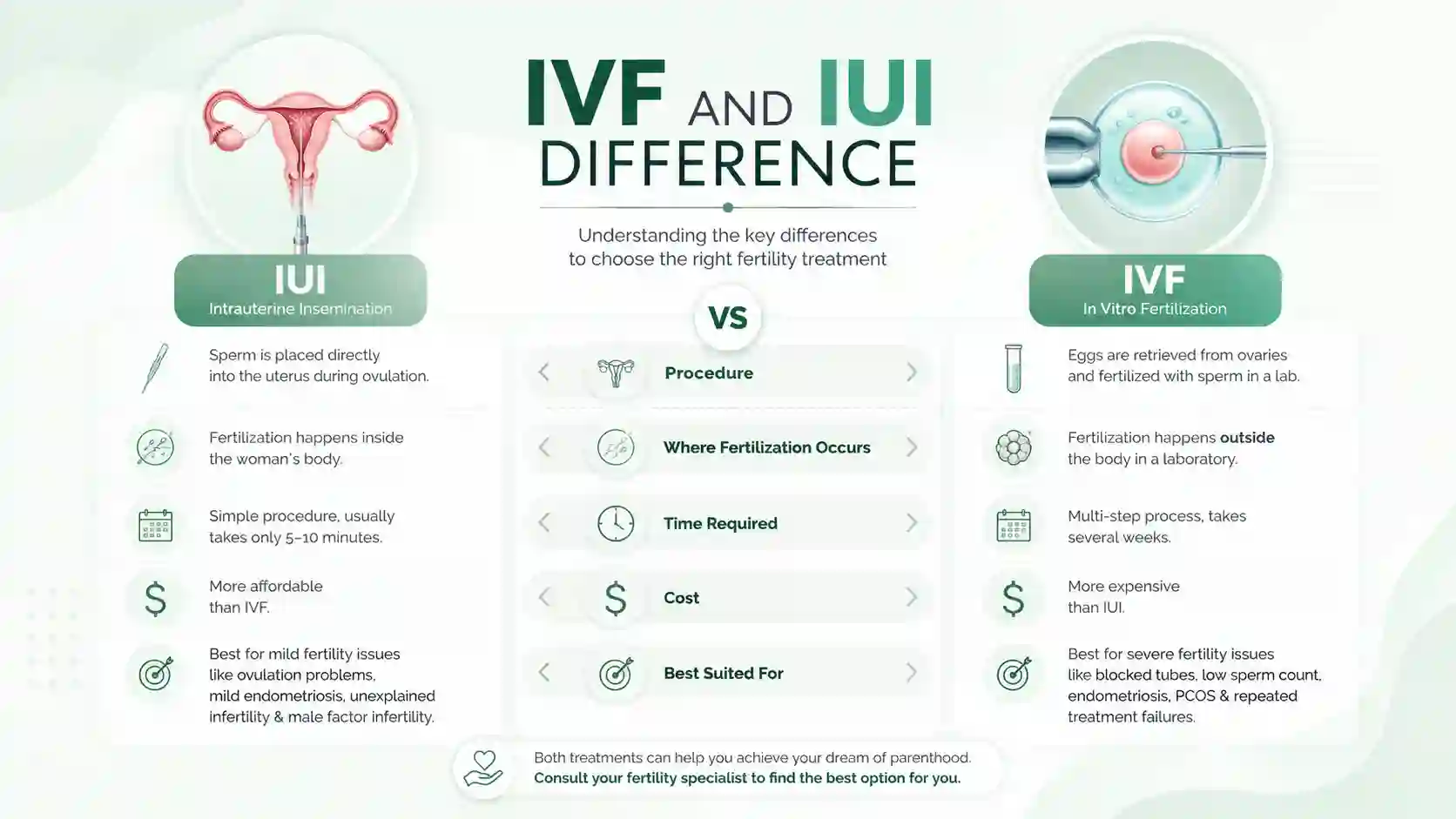
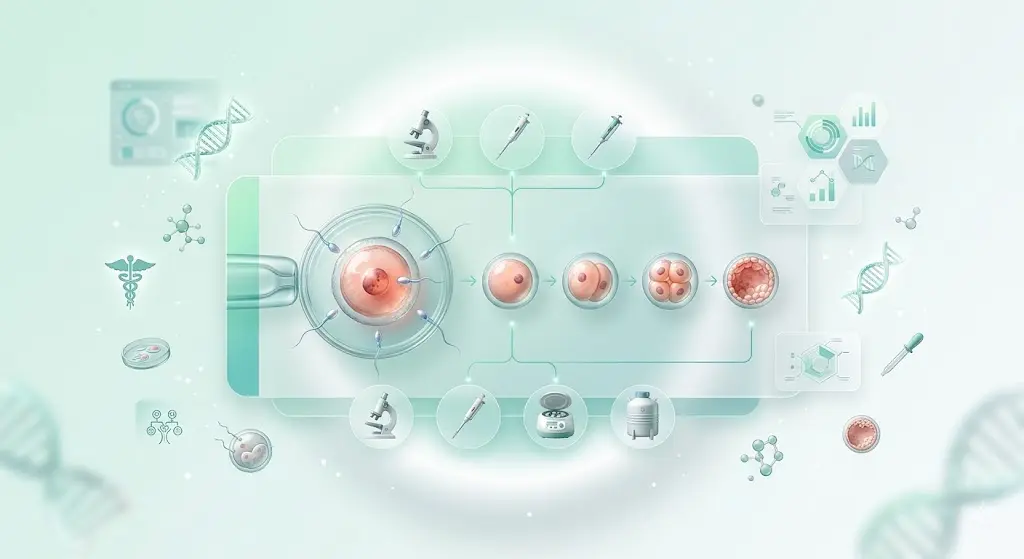
The IVF technique of reproduction is a medical procedure in which an egg is fertilized by sperm outside the body in a laboratory setting. The term “in vitro” means “in glass,” referring to the laboratory environment where fertilization takes place.
After successful fertilization, the resulting embryo is carefully monitored and then transferred into the uterus, where it may implant and develop into a pregnancy.
IVF is commonly recommended for:
- Blocked or damaged fallopian tubes
- Male factor infertility
- Ovulation disorders
- Endometriosis
- Unexplained infertility
- Advanced maternal age
- Genetic concerns requiring embryo testing
Why Is IVF Technique of Reproduction Important?
Understanding what is IVF technique of reproduction is important because infertility affects many people worldwide. IVF offers an alternative path to pregnancy when other treatments have not been successful.
The technique can:
- Bypass certain causes of infertility
- Improve the chances of fertilization
- Allow embryo selection in some situations
- Help single parents and same-sex couples build families
- Provide options for fertility preservation through egg or embryo freezing
For many patients, IVF represents an opportunity that may not otherwise exist through natural conception alone.
How Does IVF Technique of Reproduction Work?
The IVF process typically involves several stages.
Step 1: Ovarian Stimulation
Fertility medications are used to stimulate the ovaries to produce multiple mature eggs instead of the single egg normally released during a menstrual cycle.
Step 2: Monitoring
Ultrasound examinations and blood tests help fertility specialists monitor follicle growth and determine when the eggs are ready for collection.
Step 3: Egg Retrieval
A minor medical procedure is performed to collect mature eggs from the ovaries. This is usually done under sedation.
Step 4: Fertilization
The retrieved eggs are combined with sperm in a laboratory. In some cases, a single sperm is injected directly into an egg through a procedure called intracytoplasmic sperm injection (ICSI).
Step 5: Embryo Development
Fertilized eggs develop into embryos over several days while being carefully monitored by embryologists.
Step 6: Embryo Transfer
One or more embryos are transferred into the uterus using a thin catheter. This procedure is generally quick and does not require surgery.
Step 7: Pregnancy Testing
About two weeks after embryo transfer, a blood test is performed to determine whether pregnancy has occurred.
Benefits of IVF Technique of Reproduction
IVF offers several potential advantages for individuals facing fertility challenges.
Higher Fertilization Control
Because fertilization occurs in a laboratory, specialists can closely monitor embryo development.
Treatment for Multiple Fertility Conditions
IVF can address a variety of male and female infertility factors.
Opportunity for Genetic Testing
In certain situations, embryos can be screened for specific genetic conditions before transfer.
Fertility Preservation
Eggs, sperm, and embryos can be frozen for future use.
Family-Building Flexibility
IVF may help individuals who require donor eggs, donor sperm, or gestational surrogacy.
Risks, Side Effects, or Limitations
While IVF is generally considered safe, it does involve some risks and limitations.
Possible side effects include:
- Bloating
- Mild abdominal discomfort
- Mood changes
- Breast tenderness
- Injection site reactions
Potential risks may include:
- Ovarian hyperstimulation syndrome (OHSS)
- Multiple pregnancy if more than one embryo is transferred
- Procedure-related complications
- Emotional stress during treatment
It is important to remember that IVF does not guarantee pregnancy, and success rates vary between individuals.
Cost, Timeline, and Success Rate
Timeline
A typical IVF cycle often takes about four to six weeks from ovarian stimulation to pregnancy testing.
Cost
IVF costs vary significantly depending on:
- Country and region
- Fertility clinic
- Medication requirements
- Laboratory procedures
- Genetic testing needs
Additional treatments may increase overall expenses.
Success Rate
Success rates depend on many factors, including:
- Age
- Egg quality
- Sperm quality
- Underlying fertility diagnosis
- Embryo quality
- Uterine health
Generally, younger patients tend to have higher success rates compared with older age groups.
Factors Affecting Results
Several factors influence IVF outcomes.
Maternal Age
Egg quality and quantity naturally decline with age, making age one of the most significant predictors of success.
Embryo Quality
Healthy embryos have a greater chance of successful implantation.
Lifestyle Factors
Smoking, excessive alcohol consumption, obesity, and chronic stress may affect fertility outcomes.
Medical Conditions
Conditions such as endometriosis, PCOS, thyroid disorders, and uterine abnormalities can influence treatment results.
Clinic Expertise
Experienced fertility specialists and advanced laboratory practices can contribute to better outcomes.
Emotional & Patient Perspective
The IVF journey can be physically and emotionally demanding. Patients often experience a mixture of hope, anxiety, excitement, and uncertainty throughout treatment.
Common emotional experiences include:
- Stress related to treatment outcomes
- Waiting during different treatment stages
- Financial concerns
- Managing expectations
Support from partners, family members, counselors, and fertility support groups can be valuable during this process.
Tips, Recommendations, or Preparation Guide
If you are considering IVF, the following steps may help you prepare:
- Schedule a comprehensive fertility evaluation
- Follow your specialist’s treatment instructions carefully
- Maintain a balanced diet
- Exercise regularly but moderately
- Avoid smoking and recreational drugs
- Limit alcohol intake
- Manage stress through relaxation techniques
- Ask questions and stay informed about your treatment plan
Good preparation can help patients feel more confident and engaged throughout the IVF process.
When to See a Fertility Specialist
You may benefit from consulting a fertility specialist if:
- You have been trying to conceive for 12 months without success
- You are over age 35 and have been trying for six months
- You have irregular menstrual cycles
- You have known reproductive health conditions
- You have experienced recurrent pregnancy loss
- There are concerns about sperm quality or male fertility
Early evaluation can help identify potential issues and guide appropriate treatment options.
Understanding what is IVF technique of reproduction can help individuals and couples navigate fertility challenges with greater confidence. IVF is a sophisticated reproductive treatment that involves fertilizing eggs outside the body and transferring embryos into the uterus. While success depends on several factors, IVF has helped many people achieve pregnancy when natural conception has been difficult.
If you are experiencing fertility concerns, speaking with a qualified fertility specialist can help determine whether the IVF technique of reproduction may be appropriate for your situation.
FAQs About What Is IVF Technique of Reproduction
1. What is IVF technique of reproduction in simple words?
IVF is a fertility treatment where eggs and sperm are combined in a laboratory to create embryos, which are then transferred to the uterus.
2. Is IVF technique of reproduction painful?
Most IVF procedures involve only mild discomfort. Egg retrieval is usually performed under sedation, while embryo transfer is generally painless.
3. Who may need IVF treatment?
People with infertility due to blocked fallopian tubes, male factor infertility, ovulation problems, endometriosis, or unexplained infertility may benefit from IVF.
4. How long does IVF treatment take?
A typical IVF cycle usually takes about four to six weeks, although individual timelines may vary.
5. What is the success rate of IVF technique of reproduction?
Success rates vary based on age, fertility diagnosis, embryo quality, and other health factors.
6. Can IVF help with male infertility?
Yes. IVF and related procedures such as ICSI can help overcome certain forms of male infertility.
7. Is IVF technique of reproduction safe?
IVF is generally considered safe when performed by qualified fertility specialists, although like any medical procedure, it carries some risks and limitations.