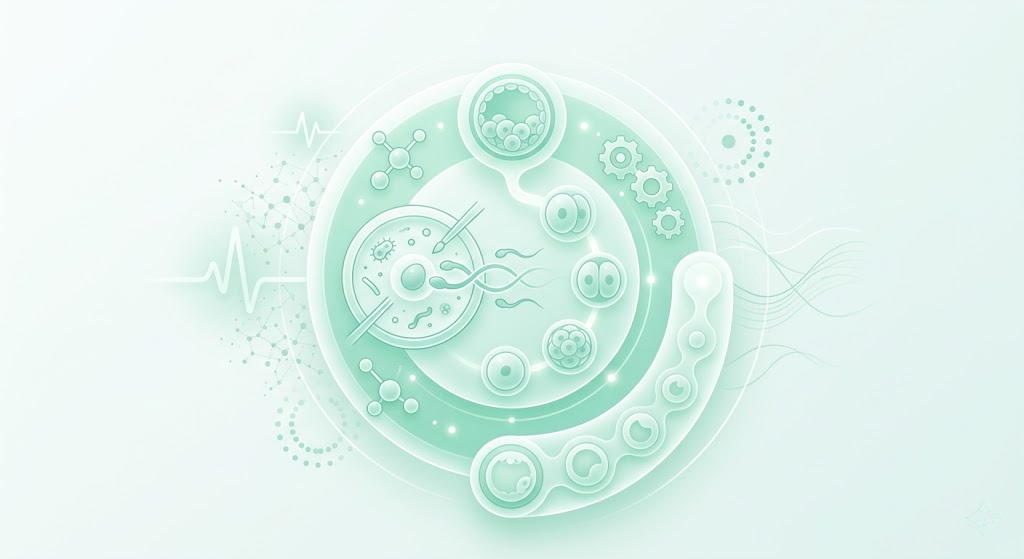
Many people ask: “Is test tube and IVF is same?”
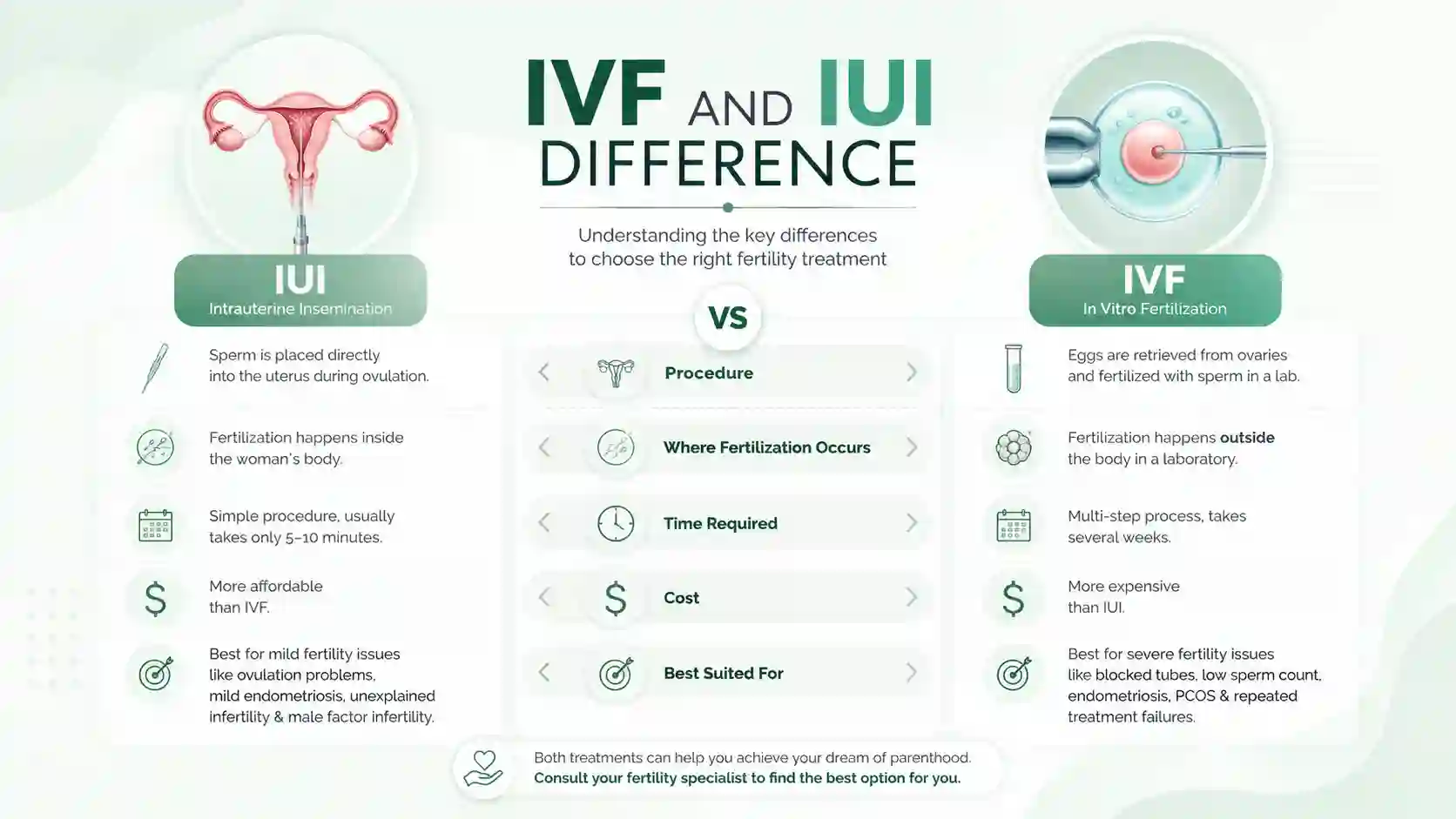
The simple answer is yes. A test tube baby and IVF (In Vitro Fertilization) refer to the same fertility treatment process. Both terms describe a method where fertilization happens outside the body in a laboratory before the embryo is transferred into the uterus.
The difference is mainly in the terminology used. “IVF” is the medical term, while “test tube baby” is the common phrase many people use in everyday conversation.
What is IVF?
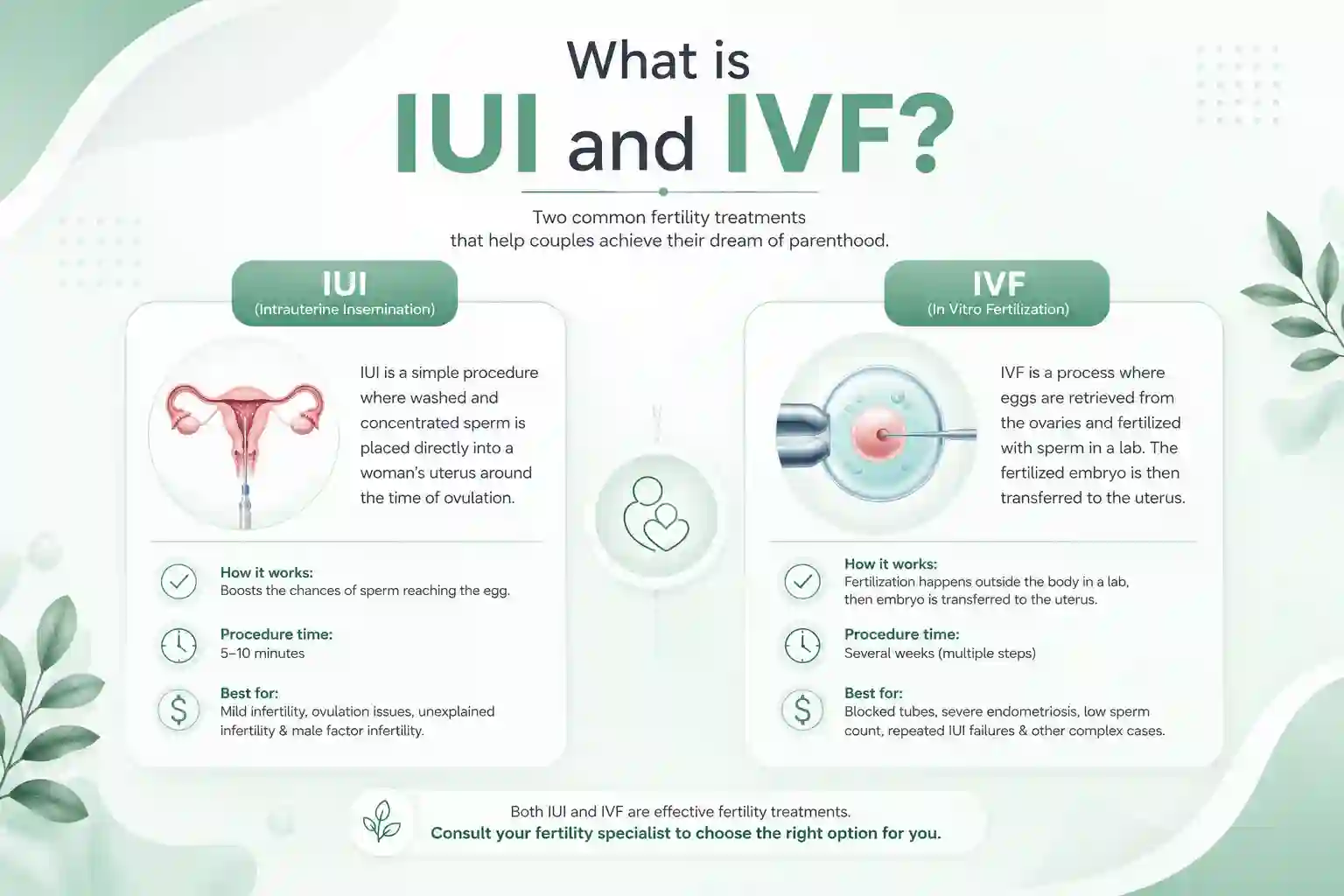
IVF stands for In Vitro Fertilization. It is one of the most advanced and successful fertility treatments used worldwide.
In the IVF process:
- Eggs are collected from the ovaries
- Sperm fertilizes the eggs in a laboratory
- Healthy embryos are monitored for development
- One or more embryos are transferred into the uterus
If the embryo successfully implants in the uterus, pregnancy begins naturally.
IVF has helped millions of couples who struggle with infertility achieve pregnancy and become parents.
What is a Test Tube Baby?
A test tube baby is simply a non-medical term for a baby conceived through IVF treatment.
The phrase became popular because fertilization takes place in a laboratory instead of inside the woman’s body. People imagined the process happening inside a “test tube,” which is how the term originated.
However, modern IVF procedures do not actually use test tubes. Fertilization typically occurs in specialized laboratory dishes and advanced fertility equipment.
So when people ask, “Is test tube and IVF is same?” the answer remains yes.
Is Test Tube and IVF Is Same?
Yes, both terms describe the same fertility treatment process.
| Term | Meaning |
| IVF | Medical fertility procedure |
| Test Tube Baby | Common public term for IVF pregnancy |
Doctors and fertility specialists usually prefer the word IVF because it is medically accurate and scientifically correct.
Why People Use the Term “Test Tube Baby”
The term “test tube baby” became famous for several reasons:
- It was easier for the public to understand
- Media widely used the phrase after the first IVF birth
- It described laboratory fertilization in simple language
- Many people were unfamiliar with the term IVF
Even today, many people search online using phrases like “test tube and IVF is same” because the older term is still widely recognized.
How IVF (Test Tube Baby Method) Works
The IVF process involves several important steps:
1. Ovarian Stimulation
Doctors use fertility medications to help the ovaries produce multiple eggs.
2. Egg Retrieval
The mature eggs are carefully collected from the ovaries using a minor medical procedure.
3. Fertilization in the Laboratory
The eggs and sperm are combined in a laboratory to allow fertilization.
4. Embryo Development
The fertilized eggs develop into embryos over several days.
5. Embryo Transfer
A healthy embryo is transferred into the uterus for implantation.
6. Pregnancy Test
After about two weeks, doctors perform a pregnancy test to determine success.
Are IVF Babies Normal?
Yes, IVF babies are generally healthy and develop normally.
Research and medical studies show that babies conceived through IVF:
- Grow normally
- Have normal intelligence and development
- Live healthy lives
- Are physically similar to naturally conceived babies
Millions of healthy IVF babies have been born worldwide since the first successful IVF birth in 1978.
Why IVF is Recommended
Doctors may recommend IVF for several fertility problems, including:
- Blocked fallopian tubes
- Low sperm count
- Ovulation disorders
- Endometriosis
- Age-related infertility
- Unexplained infertility
- Failed previous fertility treatments
IVF can significantly improve pregnancy chances for couples facing these challenges.
Common Myths About Test Tube Babies
Myth 1: IVF babies are different
Fact: IVF babies are just like naturally conceived babies.
Myth 2: IVF guarantees pregnancy
Fact: IVF improves the chances of pregnancy, but success is not guaranteed.
Myth 3: Test tube babies are artificially created
Fact: Only fertilization occurs in the lab. Pregnancy grows naturally inside the uterus.
Myth 4: IVF is always painful
Fact: Most IVF procedures involve only mild discomfort and are manageable.
IVF Success Rate
IVF success rates depend on several important factors:
- Woman’s age
- Egg quality
- Sperm quality
- Embryo quality
- Overall reproductive health
On average, IVF success rates range between 30%–50% per cycle, though younger patients often have higher success rates.
Emotional and Financial Considerations
IVF can be emotionally and financially challenging for some couples. Fertility treatment often requires patience, emotional support, and multiple medical visits.
Many couples experience stress during treatment because success may take more than one cycle. Counseling and family support can help reduce anxiety and improve emotional well-being during the IVF journey.
When to See a Fertility Specialist
You should consult a fertility specialist if:
- You have been trying to conceive for over one year
- You are over age 35 and trying for more than 6 months
- You have known fertility issues
- You experience irregular periods or reproductive health problems
Early diagnosis and treatment can improve pregnancy chances.
So, is test tube and IVF is same? Yes — both terms refer to the same fertility treatment process.
“Test tube baby” is simply a commonly used public term for babies conceived through IVF treatment. IVF has helped millions of couples worldwide overcome infertility and achieve successful pregnancies.
Understanding the difference between the medical term and the common phrase helps reduce confusion and allows patients to make informed decisions about fertility treatment.
FAQs About Test Tube Baby and IVF
Is test tube baby the same as IVF?
Yes, both refer to the same fertility treatment process.
Why is IVF called test tube baby?
Because fertilization happens in a laboratory environment.
Are IVF babies healthy?
Yes, most IVF babies are healthy and develop normally.
Is IVF painful?
Most IVF procedures involve only mild discomfort.
Can IVF guarantee pregnancy?
No, but it can significantly improve the chances of pregnancy.
How long does IVF take?
One IVF cycle usually takes around 4–6 weeks.
Is IVF safe?
Yes, IVF is considered a safe and widely practiced fertility treatment worldwide.