
When couples struggle to conceive naturally, IVF is often the first fertility treatment people hear about. However, many patients are surprised to learn there are several other ways to get pregnant besides IVF depending on the cause of infertility, age, and overall reproductive health.
Not every fertility journey requires IVF. In some cases, simpler treatments, lifestyle changes, or less invasive fertility procedures may improve the chances of pregnancy. Understanding the available options can help patients make informed decisions and feel less overwhelmed during the fertility process.
This guide explains other ways to get pregnant besides IVF in a clear, medically accurate, and beginner-friendly way.
What Is Other Ways to Get Pregnant Besides IVF?
The phrase “other ways to get pregnant besides IVF” refers to fertility treatments, medical approaches, and natural methods that may help individuals or couples conceive without undergoing In Vitro Fertilization.
These alternatives may include:
- Fertility medications
- Ovulation induction
- Intrauterine insemination (IUI)
- Lifestyle improvements
- Timed intercourse
- Surgery for fertility conditions
- Donor sperm treatment
- Hormonal therapy
The best option depends on the underlying fertility issue and individual medical circumstances.
Why Is Other Ways to Get Pregnant Besides IVF Important?
Many people prefer to explore fertility treatments before considering IVF because IVF can be:
- Expensive
- Emotionally demanding
- Physically intensive
- Time-consuming
Understanding alternative fertility options is important because some patients may successfully conceive using simpler treatments.
In certain cases, less invasive methods may be effective for:
- Mild male infertility
- Irregular ovulation
- PCOS
- Unexplained infertility
- Cervical fertility issues
Exploring alternatives may also help patients feel more empowered and informed about their reproductive choices.
How Does Other Ways to Get Pregnant Besides IVF Work?
Several fertility treatments may help improve the chances of pregnancy without IVF.
Fertility Medications
Fertility medications are commonly used to stimulate ovulation in women who do not ovulate regularly.
Common medications may include:
- Clomiphene citrate
- Letrozole
- Gonadotropin injections
These medications encourage the ovaries to release eggs, increasing the chances of conception.
Who May Benefit?
- Women with PCOS
- Irregular ovulation
- Hormonal imbalance
- Ovulation disorders
Timed Intercourse
Timed intercourse involves tracking ovulation carefully to increase the chances of pregnancy during the fertile window.
Ovulation tracking methods may include:
- Ovulation predictor kits
- Basal body temperature tracking
- Ultrasound monitoring
- Cervical mucus observation
This approach may be recommended for couples with mild fertility challenges.
Intrauterine Insemination (IUI)
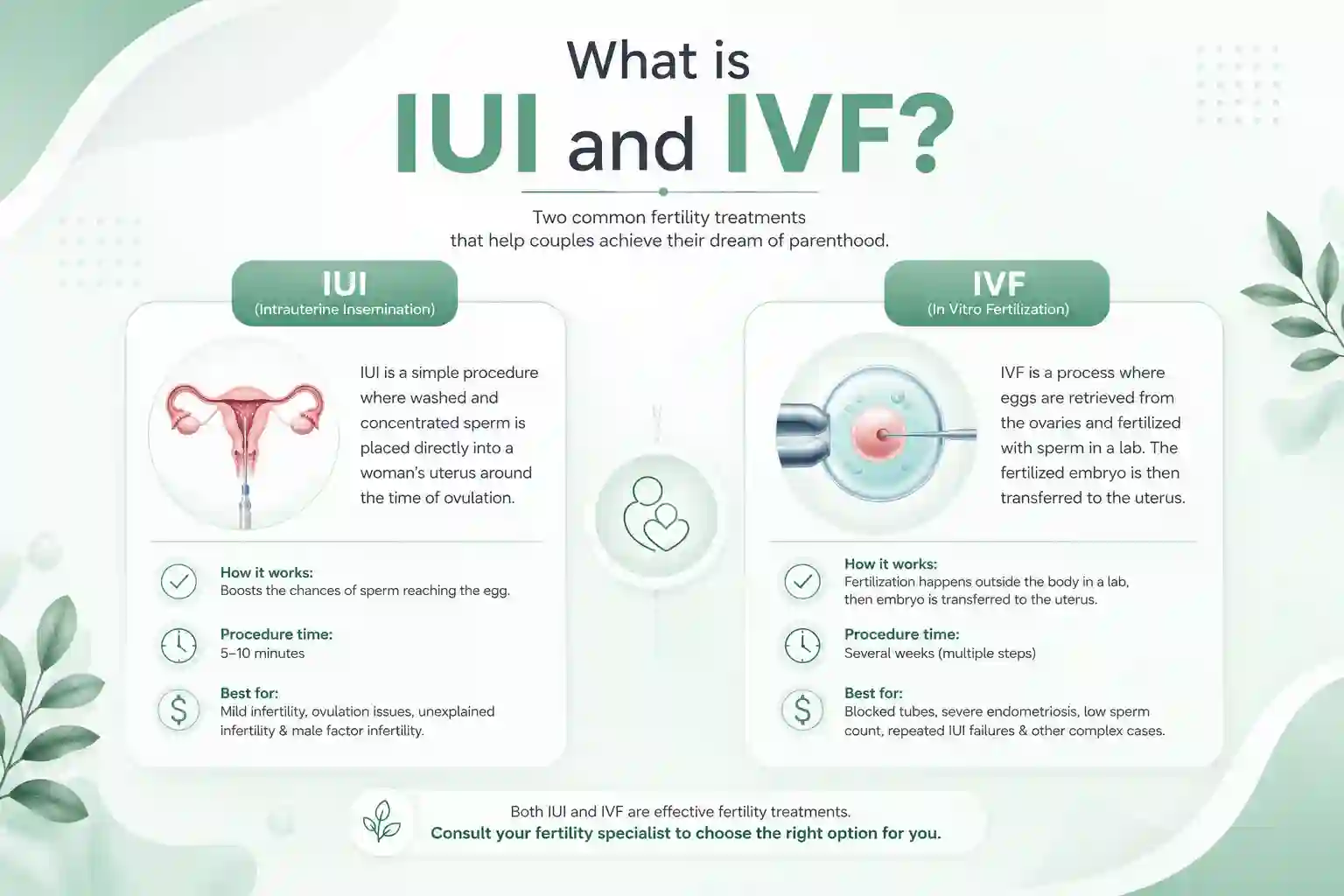
IUI is one of the most common alternatives to IVF.
During IUI:
- Sperm is specially prepared in a laboratory
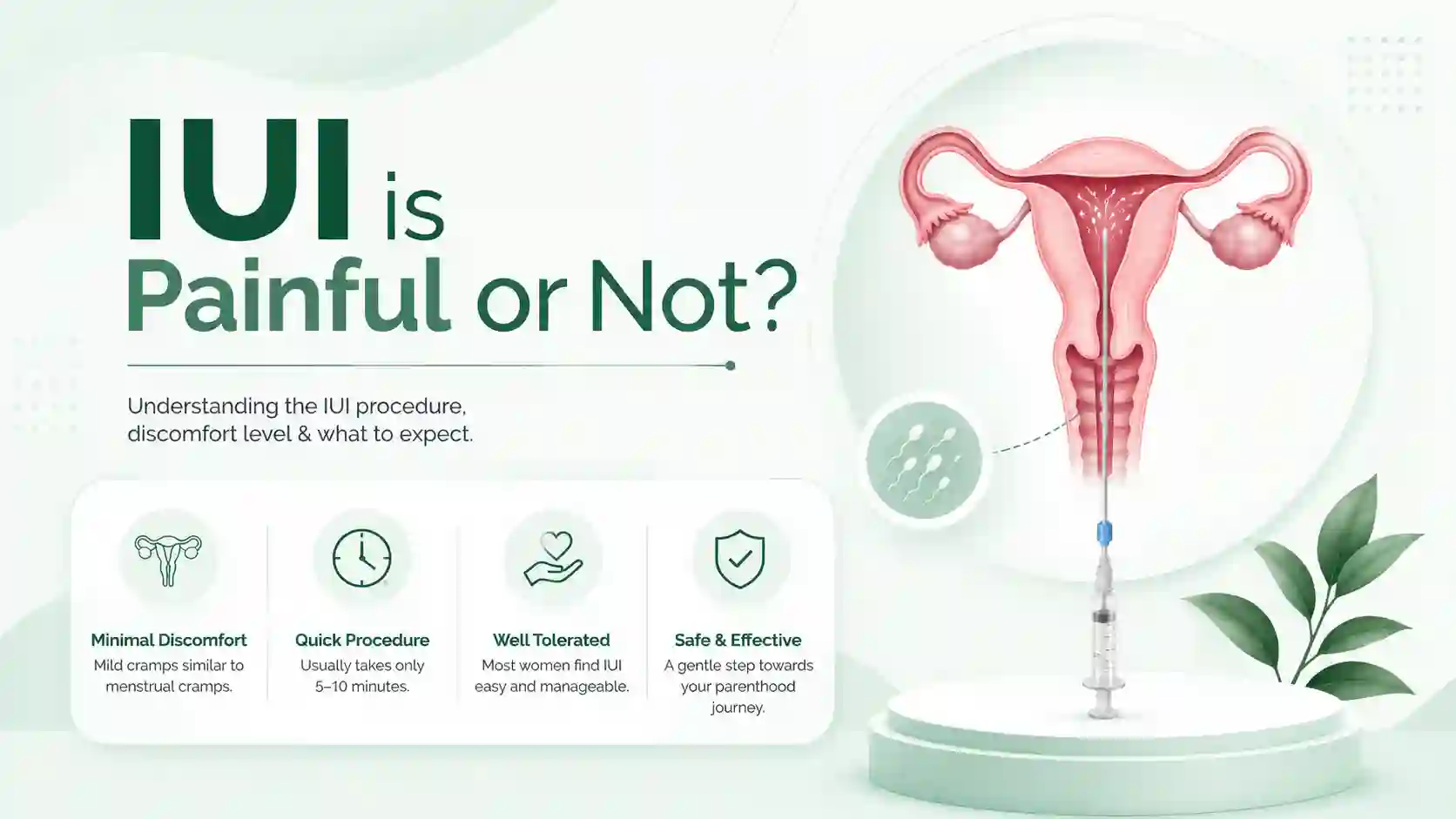
- The sperm is placed directly inside the uterus during ovulation
This short procedure helps sperm move closer to the egg.
IUI May Help With:
- Mild male infertility
- Cervical mucus problems
- Unexplained infertility
- Donor sperm treatment
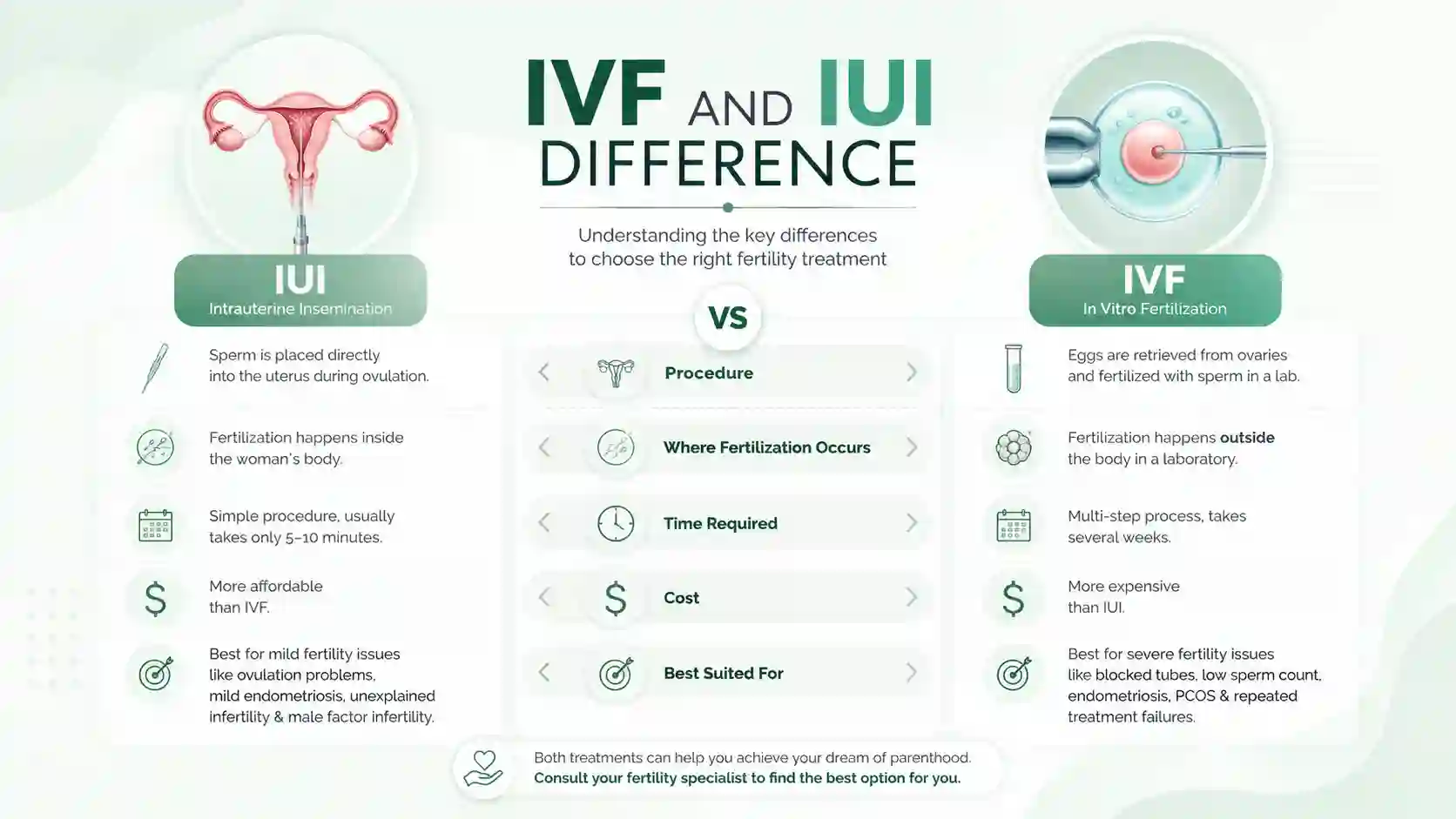
IUI is less invasive and generally less expensive than IVF.
Lifestyle and Fertility Health Improvements
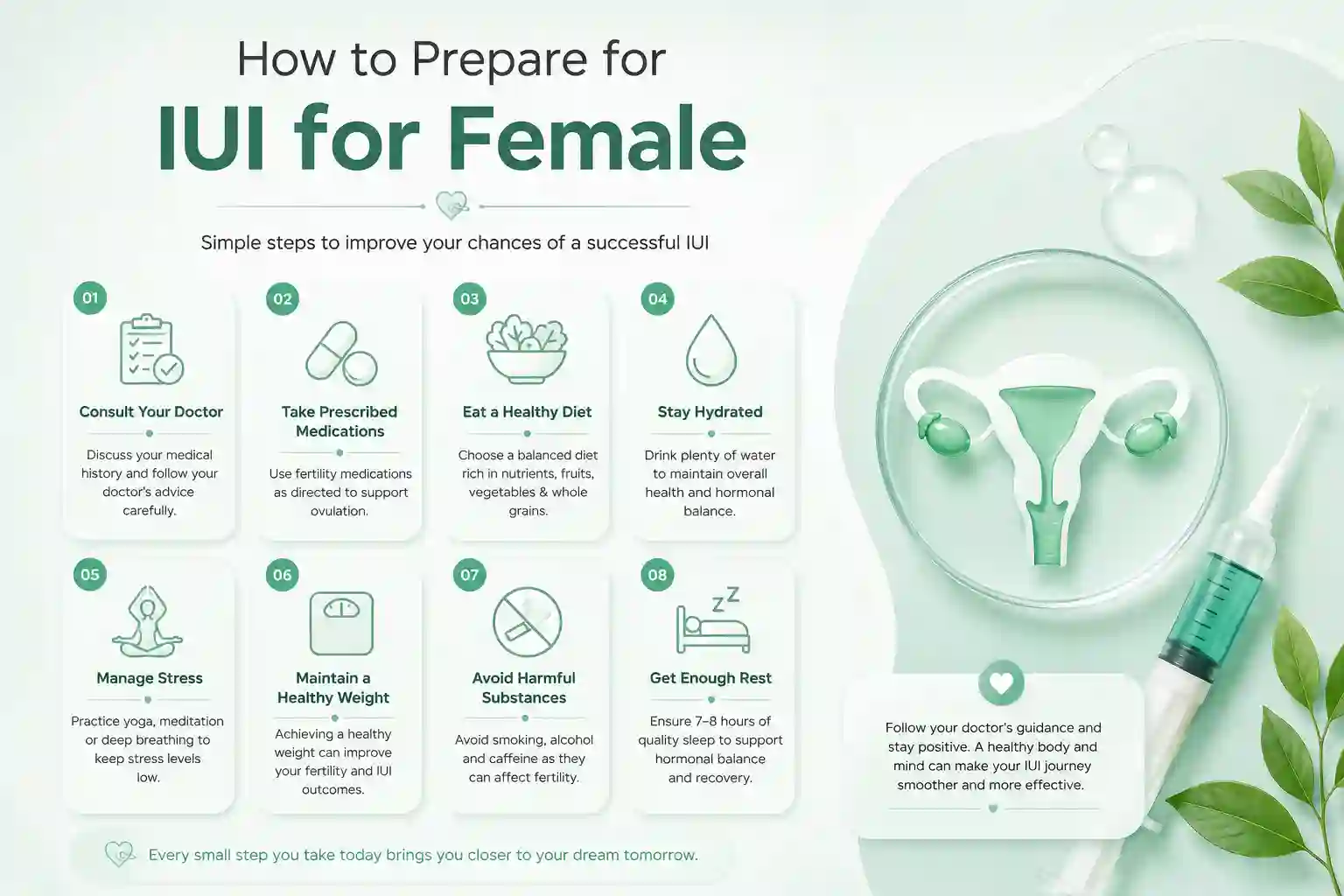
In some cases, improving overall health may naturally improve fertility.
Helpful lifestyle changes may include:
- Maintaining a healthy weight
- Quitting smoking
- Reducing alcohol intake
- Improving sleep quality
- Managing stress
- Eating a balanced diet
- Exercising moderately
Even small lifestyle improvements can support hormone balance and reproductive health.
Surgery for Fertility Conditions
Certain reproductive conditions may interfere with conception and require surgery.
Examples include:
- Endometriosis
- Uterine fibroids
- Blocked fallopian tubes
- Uterine polyps
Treating these conditions may improve natural fertility in some patients.
Donor Sperm or Donor Eggs
Some individuals may use donor sperm or donor eggs without IVF depending on the treatment method chosen.
Donor sperm is commonly used with IUI for:
- Single parents by choice
- Same-sex couples
- Severe male infertility
Benefits of Other Ways to Get Pregnant Besides IVF
Exploring fertility options besides IVF may provide several advantages.
Less Invasive Treatment
Many alternatives involve fewer procedures and medications.
Lower Cost
Treatments like ovulation induction or IUI are often less expensive than IVF.
Reduced Physical Stress
Patients may avoid intensive hormone stimulation or surgical egg retrieval.
More Natural Fertility Approach
Some treatments support conception closer to the natural reproductive process.
Risks, Side Effects, or Limitations
Although alternative fertility treatments may help some patients, they also have limitations.
Fertility Medication Side Effects
Possible side effects may include:
- Mood swings
- Bloating
- Headaches
- Breast tenderness
Multiple Pregnancy Risk
Ovulation medications may increase the chance of twins or multiple pregnancies.
Lower Success Rates Compared to IVF
Some fertility conditions respond better to IVF than simpler treatments.
Time Limitations
Patients with advanced maternal age may have less time to try multiple lower-intensity treatments before IVF becomes necessary.
Cost, Timeline, or Success Rate
Costs vary depending on the treatment type and fertility clinic.
General Cost Comparison
| Fertility Option | Relative Cost |
| Timed intercourse | Lowest |
| Fertility medications | Low to moderate |
| IUI | Moderate |
| IVF | Higher |
Treatment Timeline
- Ovulation induction cycles often last one month
- IUI cycles usually follow the natural menstrual cycle
- Lifestyle changes may require several months to show fertility improvement
Success Rates
Success depends on:
- Age
- Fertility diagnosis
- Egg quality
- Sperm quality
- Overall reproductive health
Younger patients with mild fertility issues may respond well to non-IVF treatments.
Factors Affecting Results
Several factors influence pregnancy success without IVF.
Age
Female fertility naturally declines with age.
Ovulation Health
Regular ovulation is important for natural conception.
Male Fertility
Sperm count, movement, and quality affect fertilization chances.
Underlying Fertility Conditions
Endometriosis, blocked tubes, or severe male infertility may reduce the effectiveness of simpler treatments.
Lifestyle Habits
Smoking, obesity, stress, and poor sleep may negatively affect fertility.
Emotional & Patient Perspective
Trying to conceive can feel emotionally exhausting, regardless of the treatment method used.
Patients may experience:
- Anxiety
- Frustration
- Hope
- Emotional ups and downs
- Relationship stress
It is common for couples to feel pressure during fertility treatment.
Helpful support strategies include:
- Fertility counseling
- Support groups
- Open communication with partners
- Stress reduction techniques
- Realistic expectations
Emotional health is an important part of reproductive care.
Tips, Recommendations, or Preparation Guide
If you are exploring other ways to get pregnant besides IVF, these practical tips may help:
- Track ovulation carefully
- Attend fertility evaluations early
- Maintain a healthy lifestyle
- Avoid smoking and excessive alcohol
- Follow treatment instructions closely
- Ask fertility specialists about all available options
- Do not delay evaluation if over age 35
Early diagnosis often improves fertility treatment planning.
When to See a Fertility Specialist
You should consult a fertility specialist if:
- You have been trying to conceive for over one year
- You are over age 35 and struggling to conceive
- You have irregular menstrual cycles
- You experienced recurrent miscarriages
- Male infertility concerns exist
- You have known reproductive conditions
Early fertility assessment may help identify treatments that work before IVF becomes necessary.
There are several other ways to get pregnant besides IVF, and many patients may successfully conceive using less invasive fertility treatments. Options such as fertility medications, timed intercourse, IUI, lifestyle improvements, and treatment of underlying reproductive conditions may improve pregnancy chances depending on the individual situation.
Every fertility journey is unique, and the right treatment depends on age, reproductive health, fertility diagnosis, and personal goals. Speaking with an experienced fertility specialist can help patients understand their options and choose the most appropriate path forward.
FAQs About Other Ways to Get Pregnant Besides IVF
What is the best alternative to IVF?
IUI is one of the most common alternatives to IVF, especially for mild infertility or ovulation problems.
Can you get pregnant naturally after infertility?
Yes. Some couples conceive naturally after lifestyle changes, medical treatment, or improved ovulation health.
Is IUI easier than IVF?
Yes. IUI is generally less invasive, less expensive, and simpler than IVF.
Do fertility pills help you get pregnant?
Fertility medications may help stimulate ovulation and improve pregnancy chances for some women.
Can lifestyle changes improve fertility?
Healthy weight management, quitting smoking, stress reduction, and proper nutrition may support fertility health.