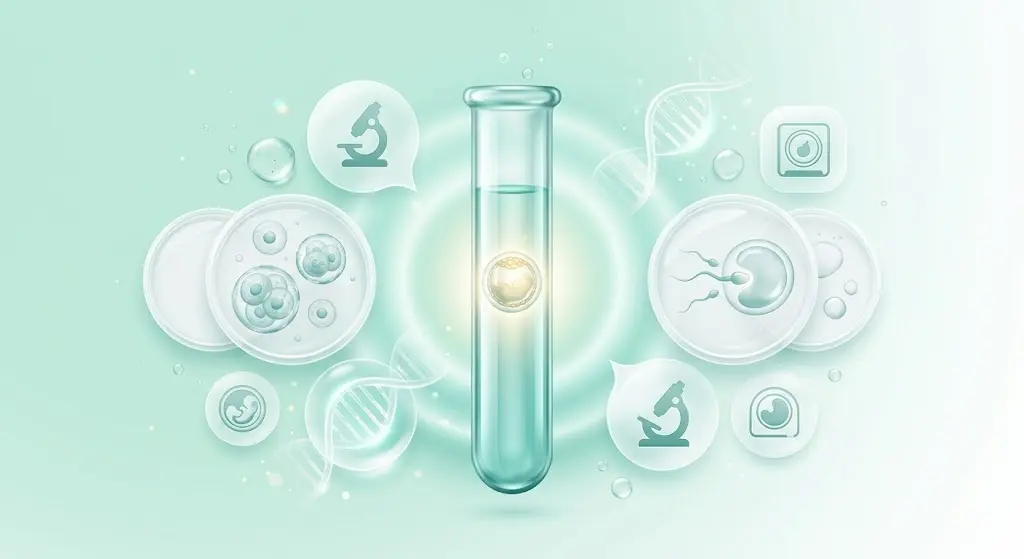
Many patients searching online for IVF tube are often trying to understand how IVF treatment works and whether “test tube baby” treatment actually involves tubes. The term is commonly associated with IVF (In Vitro Fertilization), but it is often misunderstood.
In reality, IVF treatment uses advanced laboratory equipment and specialized medical tools to help fertilization happen outside the body. Understanding the role of an IVF tube and laboratory procedures can make the fertility process easier to understand.
What is an IVF Tube?
The term IVF tube is commonly linked to the phrase “test tube baby.” In fertility treatment, laboratory tubes and specialized containers are used during different stages of IVF.
These tubes are used to:
- Store eggs and sperm temporarily
- Support fertilization procedures
- Handle embryos safely in laboratory conditions
- Maintain sterile environments during treatment
The actual fertilization process takes place in advanced laboratory dishes and incubators, not in ordinary test tubes.
Why Is IVF Called Test Tube Baby Treatment?
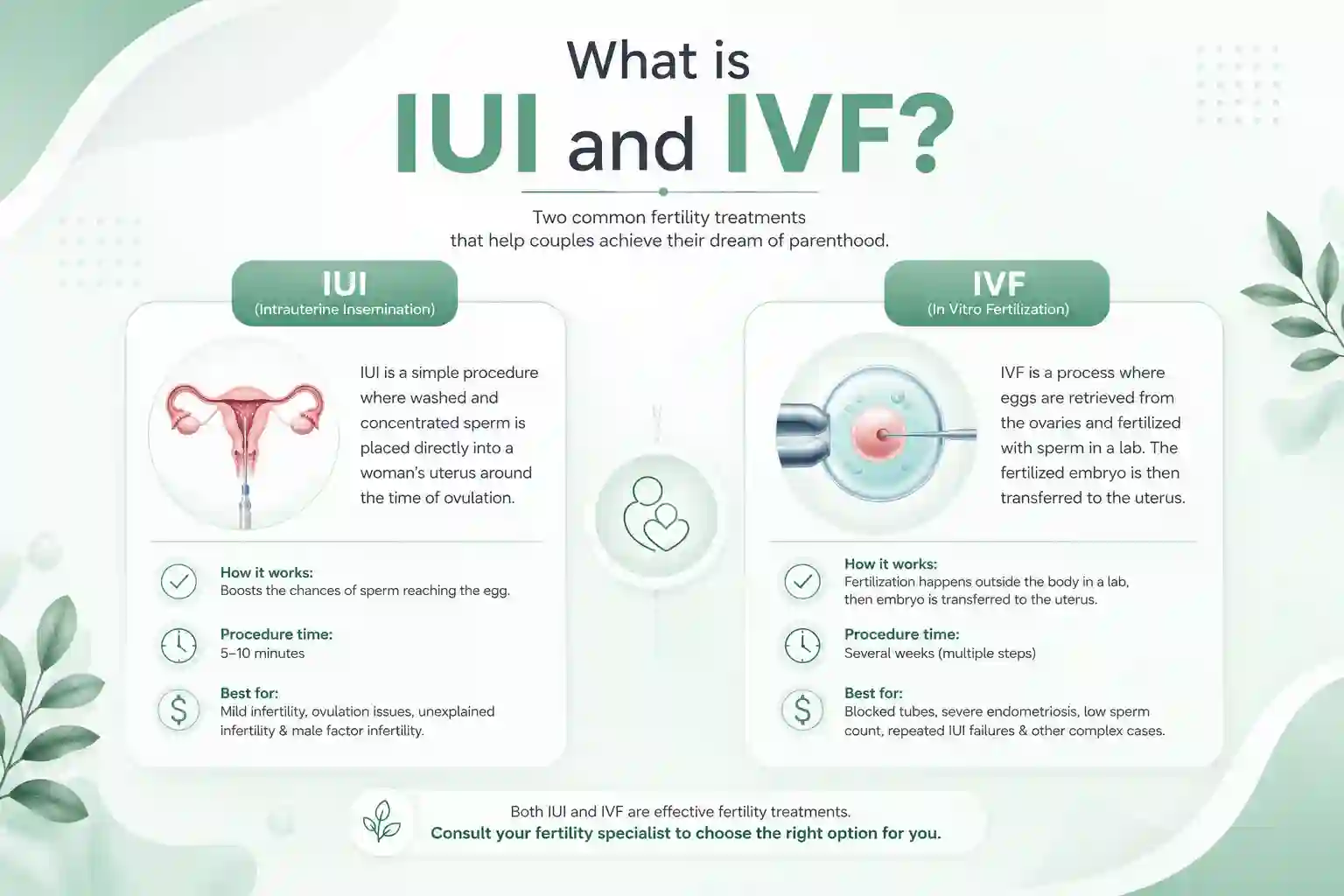
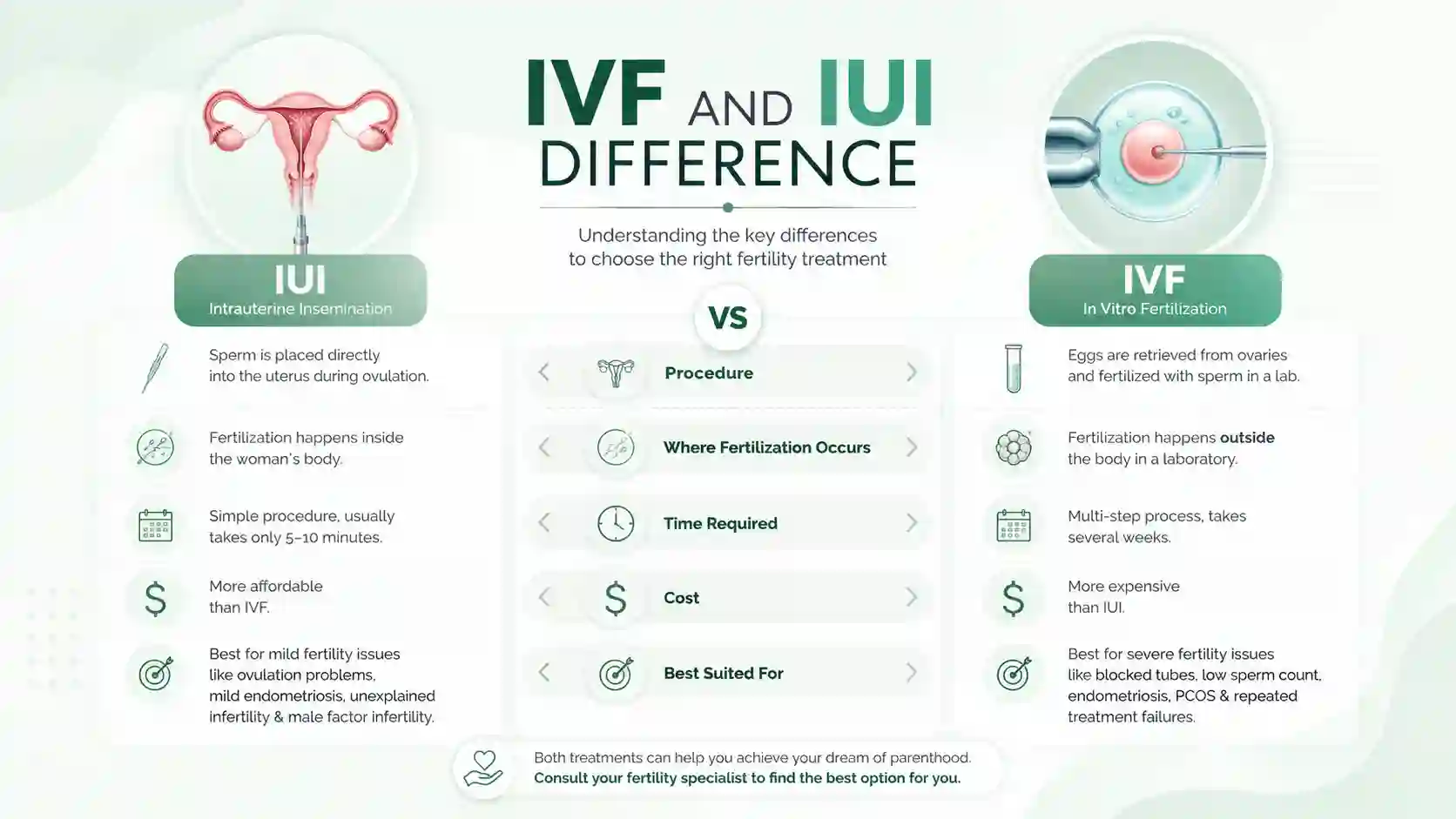
The phrase “test tube baby” became popular because fertilization happens outside the body in a laboratory setting.
However:
- Babies are not grown inside tubes
- Fertilization occurs in carefully controlled medical equipment
- Embryos are transferred into the uterus for natural pregnancy development
Doctors usually prefer the medical term IVF instead of “test tube baby.”
How IVF Treatment Works
Understanding the IVF process helps explain where IVF tubes and laboratory tools are used.
1. Ovarian Stimulation
Hormone injections stimulate the ovaries to produce multiple eggs.
2. Egg Retrieval
Mature eggs are collected using a minor procedure.
3. Laboratory Fertilization
Eggs and sperm are placed together in specialized laboratory equipment.
In some cases:
- ICSI is used, where one sperm is injected directly into the egg
4. Embryo Development
Embryos are monitored inside incubators for several days.
5. Embryo Transfer
A healthy embryo is transferred into the uterus to achieve pregnancy.
Role of Laboratory Equipment in IVF
Modern IVF laboratories use advanced equipment to improve fertilization and embryo growth.
This includes:
- Sterile laboratory tubes
- Culture dishes
- Incubators
- Microscopes
- Embryo monitoring systems
These tools help maintain ideal conditions for embryo development.
Is IVF Tube Treatment Safe?
Yes, IVF treatment is generally considered safe when performed by experienced fertility specialists.
Laboratory procedures follow strict safety protocols to:
- Protect eggs and embryos
- Reduce contamination risk
- Improve fertilization success
Modern fertility laboratories use highly controlled environments during treatment.
Common Misconceptions About IVF Tube
Myth 1: Babies Grow in Tubes
This is incorrect. Only fertilization happens in the laboratory.
Myth 2: IVF Is Artificial Pregnancy
Pregnancy after embryo transfer develops naturally inside the uterus.
Myth 3: IVF Babies Are Different
IVF babies are generally as healthy as naturally conceived babies.
Factors Affecting IVF Success
The success of IVF treatment depends on several factors:
- Age
- Egg quality
- Sperm quality
- Embryo health
- Uterine condition
- Fertility clinic experience
Younger patients often have higher IVF success rates.
Emotional Support During IVF
Fertility treatment can be emotionally stressful for many couples.
Patients may experience:
- Anxiety
- Emotional pressure
- Fear of treatment failure
Professional counseling and support can help patients manage the process more comfortably.
When to See a Fertility Specialist
You should consult a fertility doctor if:
- You’ve been trying to conceive for over one year
- You’re over 35 and trying for 6 months
- You have known fertility problems
- Previous fertility treatments have failed
Early fertility evaluation can improve treatment planning.
The term IVF tube is commonly associated with IVF and “test tube baby” treatment, but modern IVF involves advanced laboratory technology far beyond simple tubes. IVF treatment safely supports fertilization and embryo development in controlled medical conditions before pregnancy continues naturally in the uterus.
Understanding the IVF process can help reduce confusion and make fertility treatment less overwhelming for patients.
FAQs About IVF Tube
What is an IVF tube?
It refers to laboratory tools used during IVF treatment.
Are babies grown inside tubes during IVF?
No, embryos develop naturally in the uterus after transfer.
Why is IVF called test tube baby treatment?
Because fertilization happens in a laboratory setting.
Is IVF treatment safe?
Yes, IVF is generally safe under expert medical care.
What laboratory equipment is used in IVF?
Incubators, culture dishes, microscopes, and sterile tubes.