
Searching for IVF treatment near me is often one of the first steps people take when exploring fertility care. Whether you’ve been trying to conceive for months or have already received an infertility diagnosis, finding the right fertility clinic can have a significant impact on your treatment experience.
Today, IVF (In Vitro Fertilization) is one of the most effective fertility treatments available. However, choosing a clinic involves more than simply selecting the closest location. Success rates, doctor experience, laboratory quality, patient support, and treatment costs all play important roles.
This guide explains what to consider when looking for IVF treatment near you and how to make an informed decision.
What Is IVF Treatment Near Me?
The phrase IVF treatment near me refers to searching for fertility clinics and specialists that provide IVF services within a convenient distance from your home.
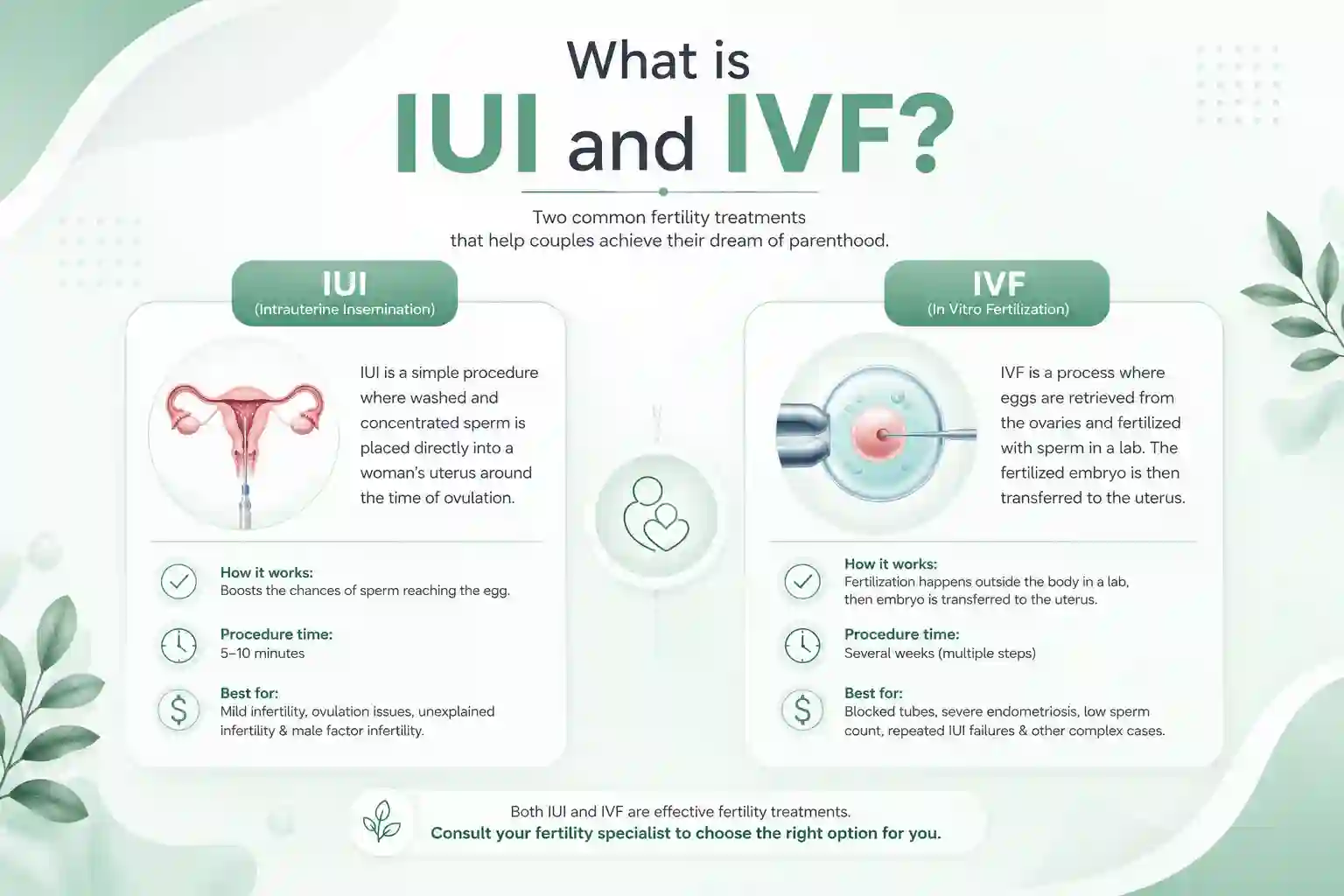
IVF treatment typically includes:
- Fertility evaluation
- Hormone testing
- Ovarian stimulation
- Egg retrieval
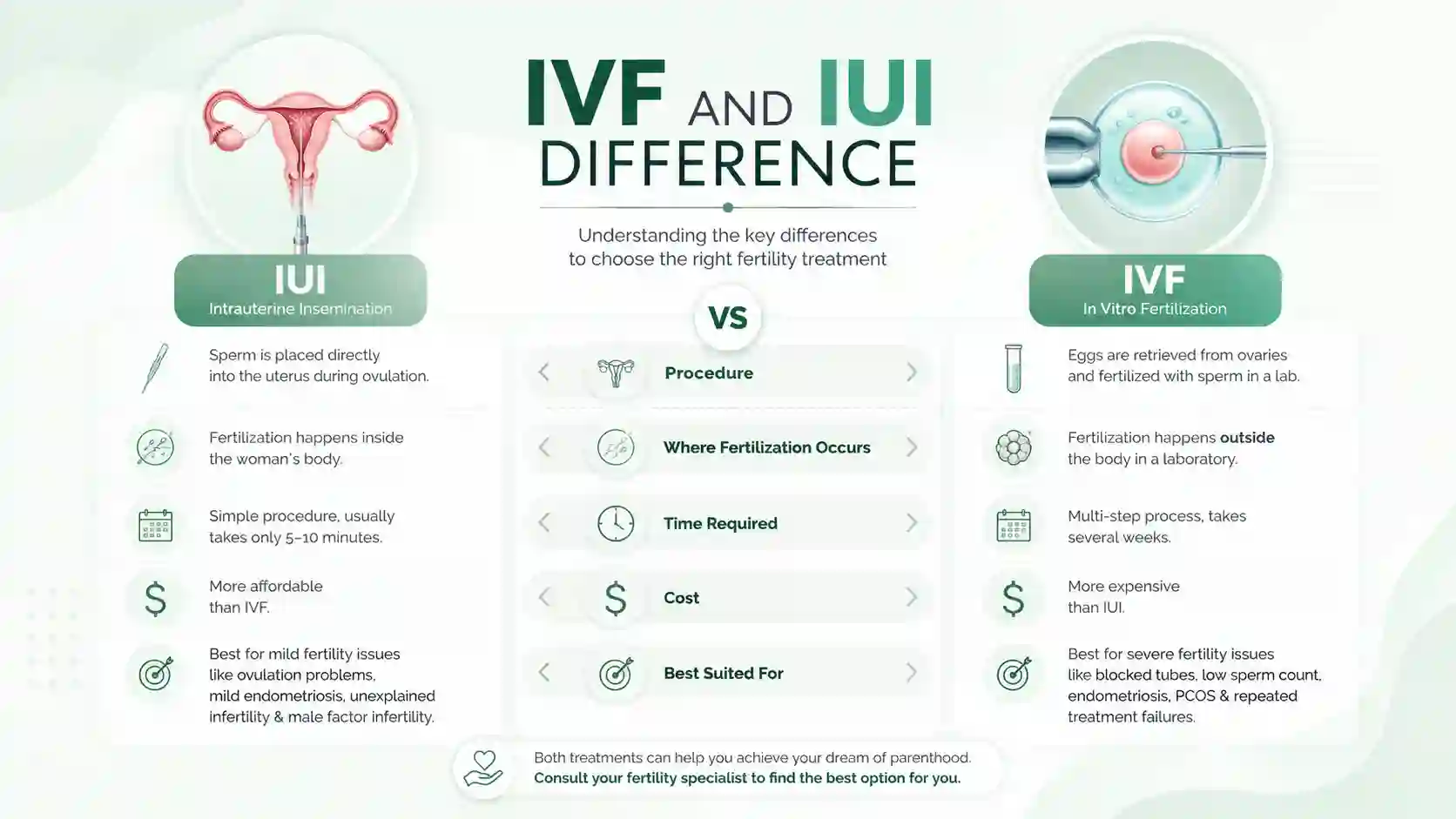
- Laboratory fertilization
- Embryo transfer
- Pregnancy monitoring
Many patients prefer clinics that are nearby because IVF requires multiple appointments during treatment.
Why Is Finding IVF Treatment Near Me Important?
Choosing a nearby fertility clinic can offer several advantages.
Easier Appointment Scheduling
IVF involves frequent visits for:
- Ultrasound monitoring
- Blood tests
- Consultations
A nearby clinic may reduce travel time and stress.
Better Treatment Compliance
Patients are often more likely to attend all recommended appointments when the clinic is conveniently located.
Reduced Travel Costs
Repeated long-distance travel can add significant expenses during fertility treatment.
Improved Emotional Support
Being closer to home may allow patients to maintain normal routines and access support from family and friends.
How Does IVF Treatment Work?
Understanding the IVF process can help when evaluating fertility clinics.
Step 1: Fertility Consultation
The fertility specialist reviews:
- Medical history
- Fertility history
- Previous treatments
- Lifestyle factors
Step 2: Fertility Testing
Testing may include:
- Hormone blood tests
- Ultrasound scans
- Semen analysis
- Ovarian reserve assessment
Step 3: Ovarian Stimulation
Fertility medications stimulate the ovaries to produce multiple eggs.
Step 4: Egg Retrieval
Doctors collect mature eggs through a minimally invasive procedure.
Step 5: Fertilization
Eggs and sperm are combined in a specialized fertility laboratory.
Step 6: Embryo Transfer
A selected embryo is transferred into the uterus.
Step 7: Pregnancy Test
A blood test confirms whether pregnancy has occurred.
How to Choose the Best IVF Treatment Near Me
Not all fertility clinics are the same. Consider the following factors before making a decision.
Fertility Specialist Experience
Look for:
- Specialized fertility training
- Experience with IVF
- Expertise in complex infertility cases
Laboratory Quality
A high-quality embryology laboratory is a critical part of IVF success.
Ask about:
- Laboratory standards
- Embryologist experience
- Available technologies
Clinic Success Rates
Success rates should be interpreted carefully.
Ask about:
- Age-specific outcomes
- Live birth rates
- Patient population characteristics
Patient Reviews
Reviews can provide insight into:
- Communication quality
- Clinic organization
- Patient experience
Available Treatments
Some clinics offer advanced services such as:
- ICSI
- Embryo freezing
- Genetic testing
- Donor egg programs
Benefits of IVF Treatment Near Me
Convenient Monitoring
Regular appointments become easier to manage.
Less Travel Stress
Patients can focus more on treatment and recovery.
Faster Access to Care
Nearby clinics may provide quicker responses to urgent questions or concerns.
Improved Continuity
Ongoing care is often simpler when treatment is close to home.
Risks, Side Effects, or Limitations
While location matters, it should not be the only factor.
Not Every Nearby Clinic Offers Advanced Services
Some clinics may refer patients elsewhere for specialized procedures.
Success Rates Vary
A closer clinic may not always be the best fit medically.
Travel May Still Be Necessary
In some cases, patients choose a more distant clinic because of expertise or treatment options.
IVF Does Not Guarantee Pregnancy
Even at highly experienced centers, outcomes depend on many individual factors.
Cost, Timeline, or Success Rate
Typical IVF Cost
Costs generally include:
- Consultation
- Fertility testing
- Medications
- Egg retrieval
- Laboratory procedures
- Embryo transfer
Expenses vary by clinic and treatment complexity.
Typical Timeline
| IVF Stage | Duration |
| Fertility evaluation | 1–2 weeks |
| Ovarian stimulation | 8–14 days |
| Egg retrieval | 1 day |
| Embryo development | 3–5 days |
| Pregnancy testing | 9–14 days after transfer |
A complete IVF cycle usually takes approximately 4–8 weeks.
Success Rates
Success depends on:
- Female age
- Egg quality
- Embryo quality
- Sperm quality
- Fertility diagnosis
Factors Affecting IVF Results
Several factors influence treatment outcomes.
Age
Age remains one of the strongest predictors of IVF success.
Ovarian Reserve
The quantity and quality of eggs affect treatment response.
Uterine Health
A healthy uterine environment supports implantation.
Male Fertility
Sperm quality contributes to embryo development.
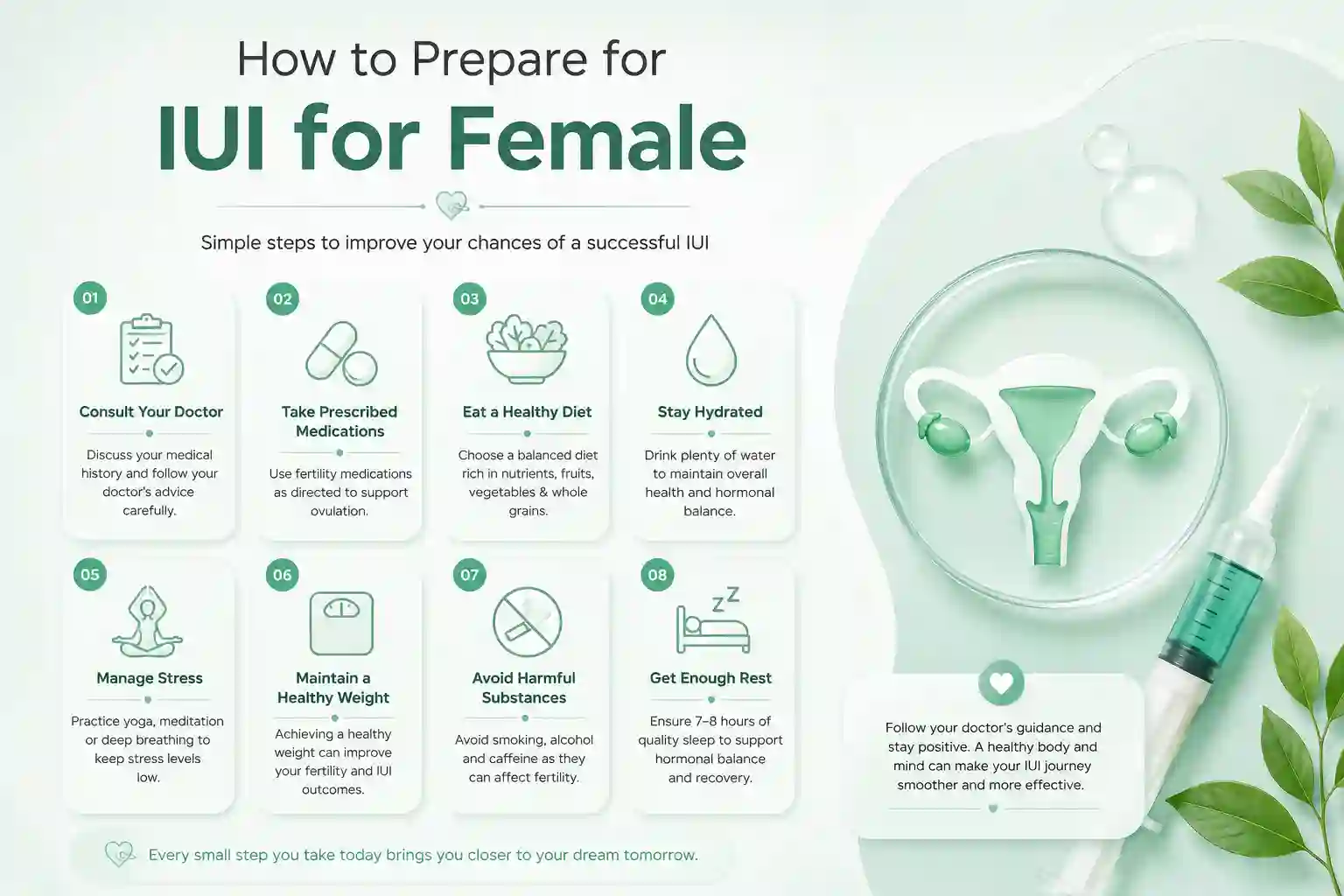
Lifestyle Factors
Smoking, obesity, poor sleep, and excessive alcohol use may affect fertility outcomes.
Emotional & Patient Perspective
Searching for IVF treatment near me often comes during an emotionally challenging period.
Patients may experience:
- Hope
- Anxiety
- Frustration
- Uncertainty
Finding a clinic that provides compassionate care and clear communication can make a significant difference throughout the fertility journey.
Many patients value clinics that offer:
- Counseling services
- Fertility education
- Responsive support teams
Tips Before Choosing an IVF Clinic
Before scheduling treatment:
- Compare multiple clinics
- Ask about success rates by age
- Request a detailed cost estimate
- Understand treatment options
- Review patient feedback
- Meet the fertility specialist if possible
Taking time to research can help you feel more confident about your decision.
When to See a Fertility Specialist
Consider consulting a fertility specialist if:
- You have been trying to conceive for over one year
- You are over age 35 and have been trying for six months
- You have irregular periods
- You have recurrent miscarriages
- Male infertility concerns exist
- You have known reproductive health conditions
Early evaluation can help identify the most appropriate treatment options.
Searching for IVF treatment near me is an important first step toward understanding your fertility options. While convenience matters, it is equally important to evaluate clinic experience, laboratory quality, success rates, treatment options, and patient support.
The right fertility clinic should provide personalized care, clear communication, and evidence-based treatment recommendations. By researching your options carefully and consulting with an experienced fertility specialist, you can make informed decisions and move forward with confidence on your fertility journey.
FAQs About IVF Treatment Near Me
How do I find the best IVF treatment near me?
Compare clinic experience, success rates, laboratory quality, patient reviews, and available fertility services.
Is it better to choose the closest IVF clinic?
Convenience is helpful, but expertise, success rates, and quality of care are often more important.
How many visits are required during IVF?
Most patients attend multiple monitoring appointments throughout the IVF cycle.
Can I switch fertility clinics during treatment?
Yes, although timing and medical records should be discussed with your fertility specialist.
How long does IVF treatment take?
A typical IVF cycle takes approximately 4–8 weeks from the start of treatment to pregnancy testing.