
One of the biggest questions couples ask before starting treatment is: “What is the IVF success rate in first attempt?”
The answer depends on several factors, including age, egg quality, sperm health, and the fertility clinic. While many patients do achieve pregnancy in their first cycle, IVF success varies from person to person.
What is the IVF Success Rate in First Attempt?
The IVF success rate in first attempt refers to the chance of achieving pregnancy or live birth during the first IVF cycle.
On average:
- Women under 35 → 40%–55% success rate
- Age 35–37 → 30%–40%
- Age 38–40 → 20%–30%
- Over 40 → Lower success rates
Younger age groups generally have better outcomes.
Factors Affecting IVF Success in First Attempt
Several factors influence first-cycle IVF success:
1. Age
Age is the most important factor.
- Younger women usually have better egg quality
- Fertility declines after age 35
2. Egg Quality
Healthy eggs improve:
- Fertilization
- Embryo quality
- Implantation chances
3. Sperm Quality
Male fertility also affects IVF outcomes.
- Low sperm count or poor motility may reduce success
4. Embryo Quality
High-quality embryos are more likely to implant successfully.
5. Uterine Health
A healthy uterine lining supports implantation and pregnancy.
Can IVF Work in the First Attempt?
Yes, many couples successfully conceive in the first IVF cycle.
However:
- Some may need multiple cycles
- A failed first attempt does not mean IVF won’t work later
How to Improve IVF Success Rate in First Attempt
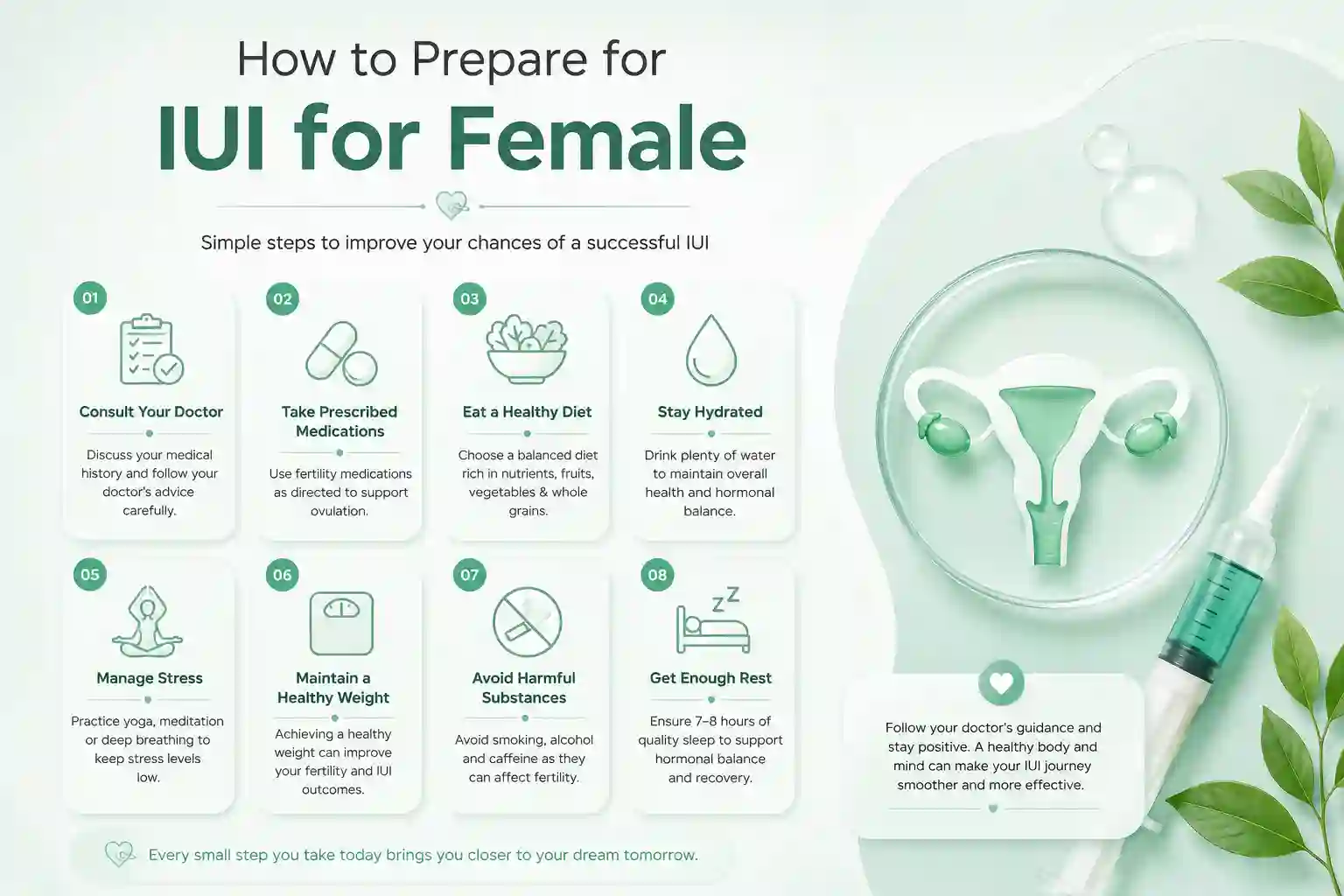
You can improve your chances by:
- Maintaining a healthy weight
- Avoiding smoking and alcohol
- Managing stress
- Following medications properly
- Choosing an experienced fertility clinic
IVF Success Rate with Day 5 Embryo Transfer
Many clinics now use Day 5 blastocyst transfer because it may improve implantation chances.
This can increase first-attempt success rates in suitable patients.
Why Some First IVF Attempts Fail
Common reasons include:
- Poor embryo implantation
- Chromosomal abnormalities
- Hormonal imbalance
- Egg or sperm quality issues
Sometimes, no clear reason is identified.
Emotional Expectations During First IVF Cycle
It’s normal to feel:
- Hopeful
- Nervous
- Emotionally overwhelmed
Support from your doctor, partner, and family is important during treatment.
When to See a Fertility Specialist
Consult a fertility expert if:
- You’ve been trying to conceive for over a year
- You’re over 35 and trying for 6 months
- You want a personalized IVF success estimate
The IVF success rate in first attempt can be encouraging, especially for younger patients and those with good fertility health. While no treatment can guarantee pregnancy, IVF offers strong success rates and real hope for many couples.
A consultation with a fertility specialist is the best way to understand your personal chances and treatment options.
FAQs About IVF Success Rate in First Attempt
What is the average IVF success rate in first attempt?
Around 40%–55% for women under 35.
Does age affect first IVF success?
Yes, success rates decrease with age.
Can IVF work on the first try?
Yes, many couples conceive during the first cycle.
What improves first-attempt IVF success?
Healthy lifestyle, good embryo quality, and expert care.
Is Day 5 embryo transfer better?
Often yes, because implantation chances may be higher.