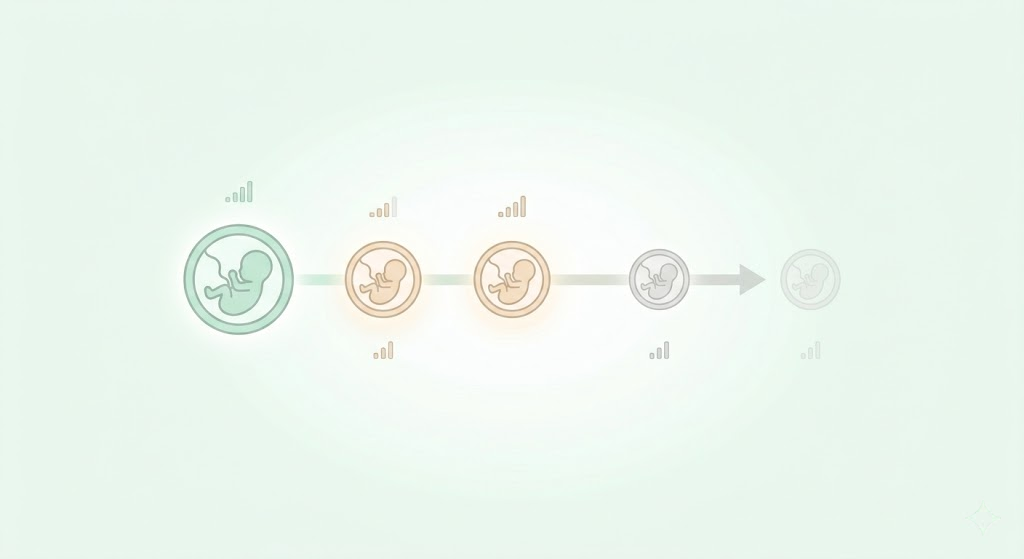
If you’re considering fertility treatment, one of the most important questions is: “What is the IVF success rate by age?”
Age plays a major role in IVF outcomes. In general, younger women have higher success rates, while chances gradually decrease with age.
What is IVF Success Rate by Age?
The IVF success rate by age refers to how likely an IVF cycle is to result in a successful pregnancy or live birth based on a woman’s age.
This is one of the most important factors doctors consider when planning treatment.
IVF Success Rate by Age (Detailed Breakdown)
Under 35 Years
- 40%–55% success rate per cycle
- Highest chances due to better egg quality
Age 35–37
- 30%–40% success rate
- Slight decline begins
Age 38–40
- 20%–30% success rate
- Egg quality reduces
Age 41–42
- 10%–20% success rate
- Lower chances with own eggs
Above 42 Years
- 5%–10% or lower
- Often recommended to consider donor eggs
Why Age Affects IVF Success
Age impacts fertility because:
- Egg quality declines over time
- Fewer healthy embryos are formed
- Higher risk of chromosomal abnormalities
This directly affects implantation and pregnancy success.
IVF Success Rate by Age and Egg Quality
- Younger eggs → Higher fertilization and implantation
- Older eggs → Lower embryo quality
This is why age is the strongest predictor of IVF success.
Can IVF Work at Any Age?
Yes, IVF can be done at different ages, but:
- Success is higher in younger patients
- Older patients may need advanced options like donor eggs
How to Improve IVF Success Rate at Any Age
You can improve your chances by:
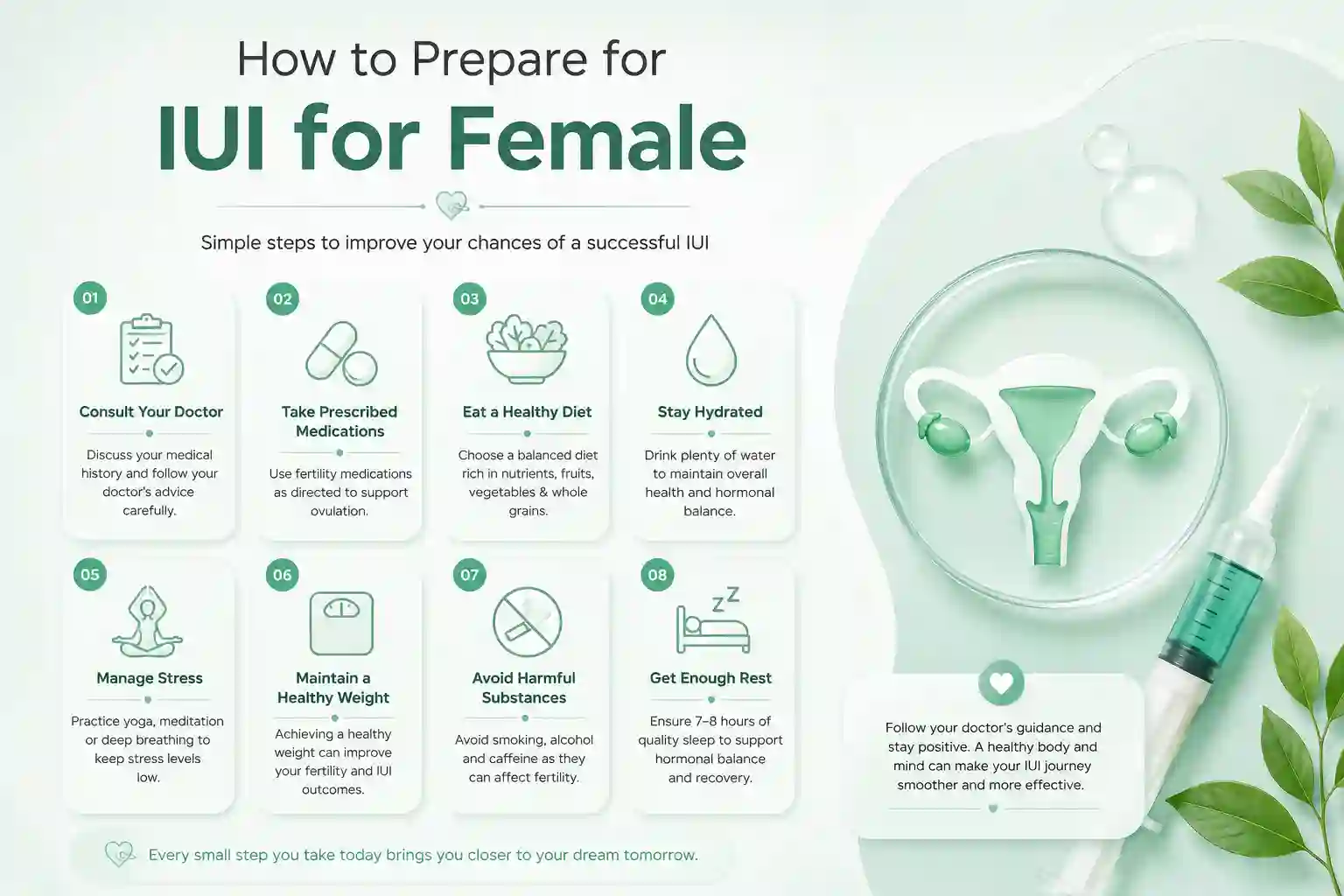
- Maintaining a healthy lifestyle
- Avoiding smoking and alcohol
- Managing stress
- Following medical advice strictly
- Choosing an experienced fertility clinic
IVF Success Rate Over Multiple Cycles
Even if success is lower in one cycle:
- Chances improve over multiple attempts
- Many couples succeed within 2–3 cycles
When to Consider IVF Based on Age
- Under 35: Try naturally for 1 year before IVF
- Over 35: Consider IVF after 6 months
- Over 40: Early consultation is strongly recommended
The IVF success rate by age clearly shows that fertility declines over time, with the best chances in younger women.
However, IVF still offers hope at many ages, especially with modern techniques and personalized treatment plans. Consulting a fertility specialist early can help you understand your exact chances and options.
FAQs About IVF Success Rate by Age
What is the best age for IVF success?
Under 35 years offers the highest success rates.
Does IVF success decrease with age?
Yes, especially after age 35.
Can IVF work after 40?
Yes, but success rates are lower.
Is IVF successful at 42?
Success is possible but often lower without donor eggs.
Can lifestyle affect IVF success?
Yes, diet, stress, and habits impact results.