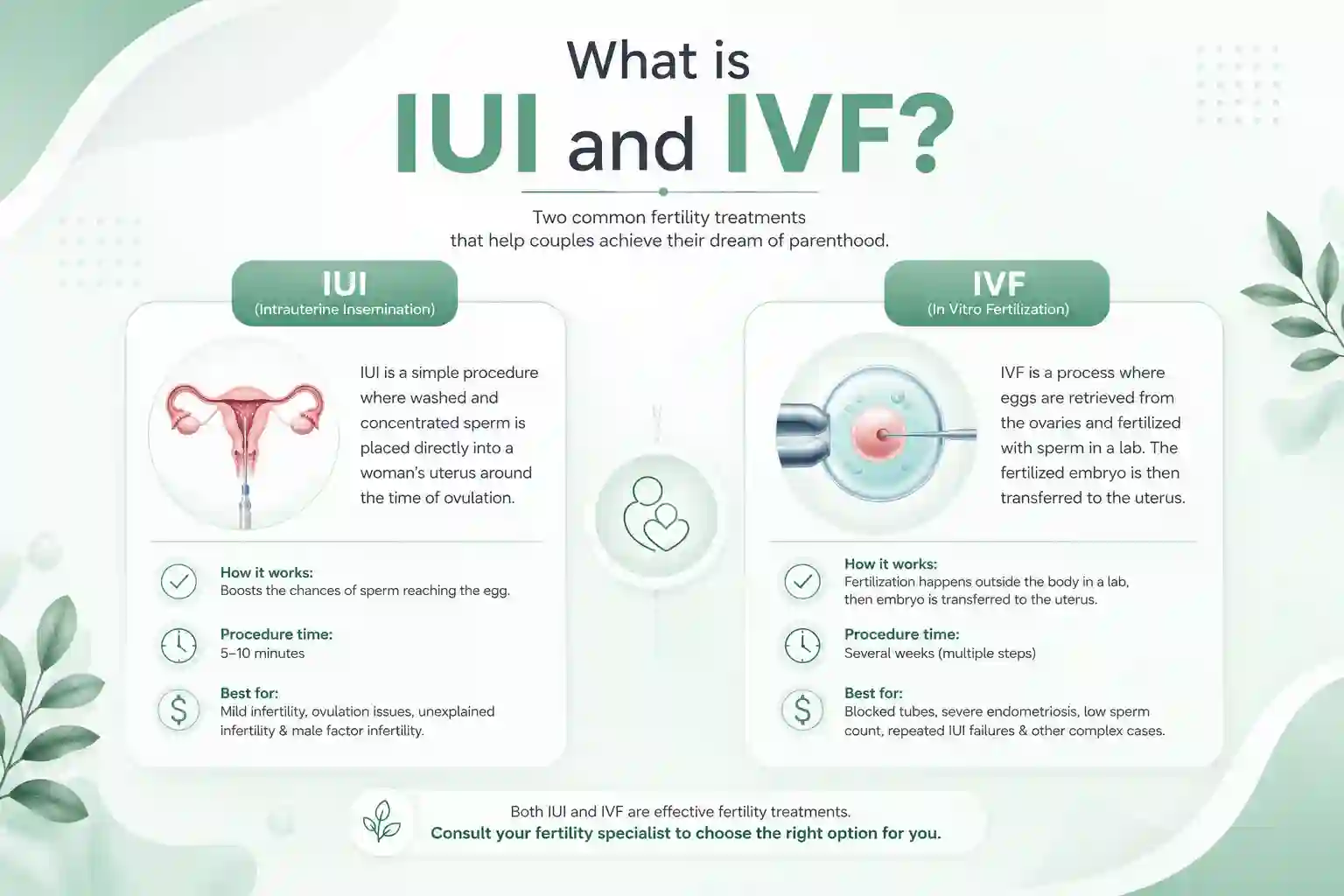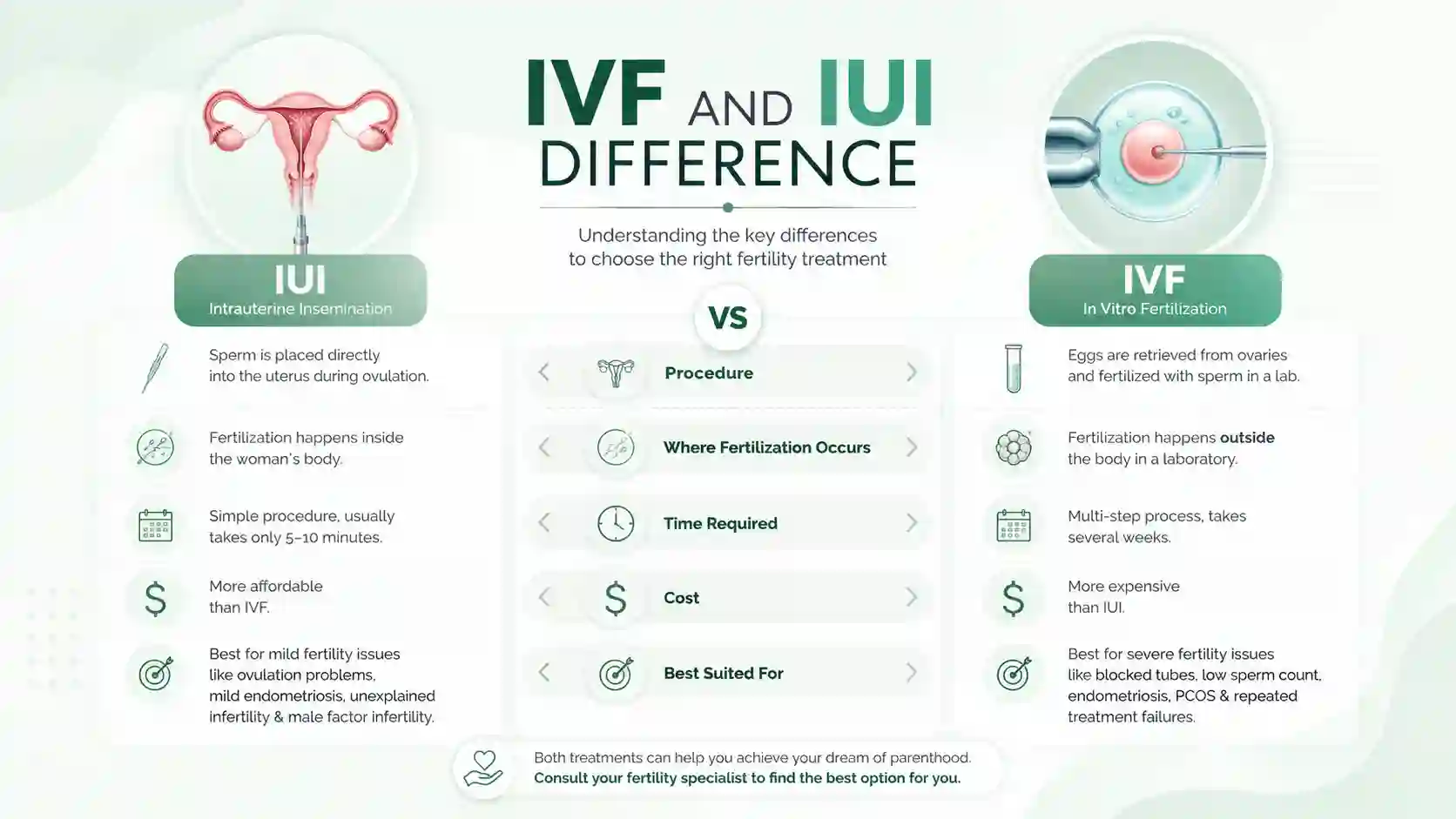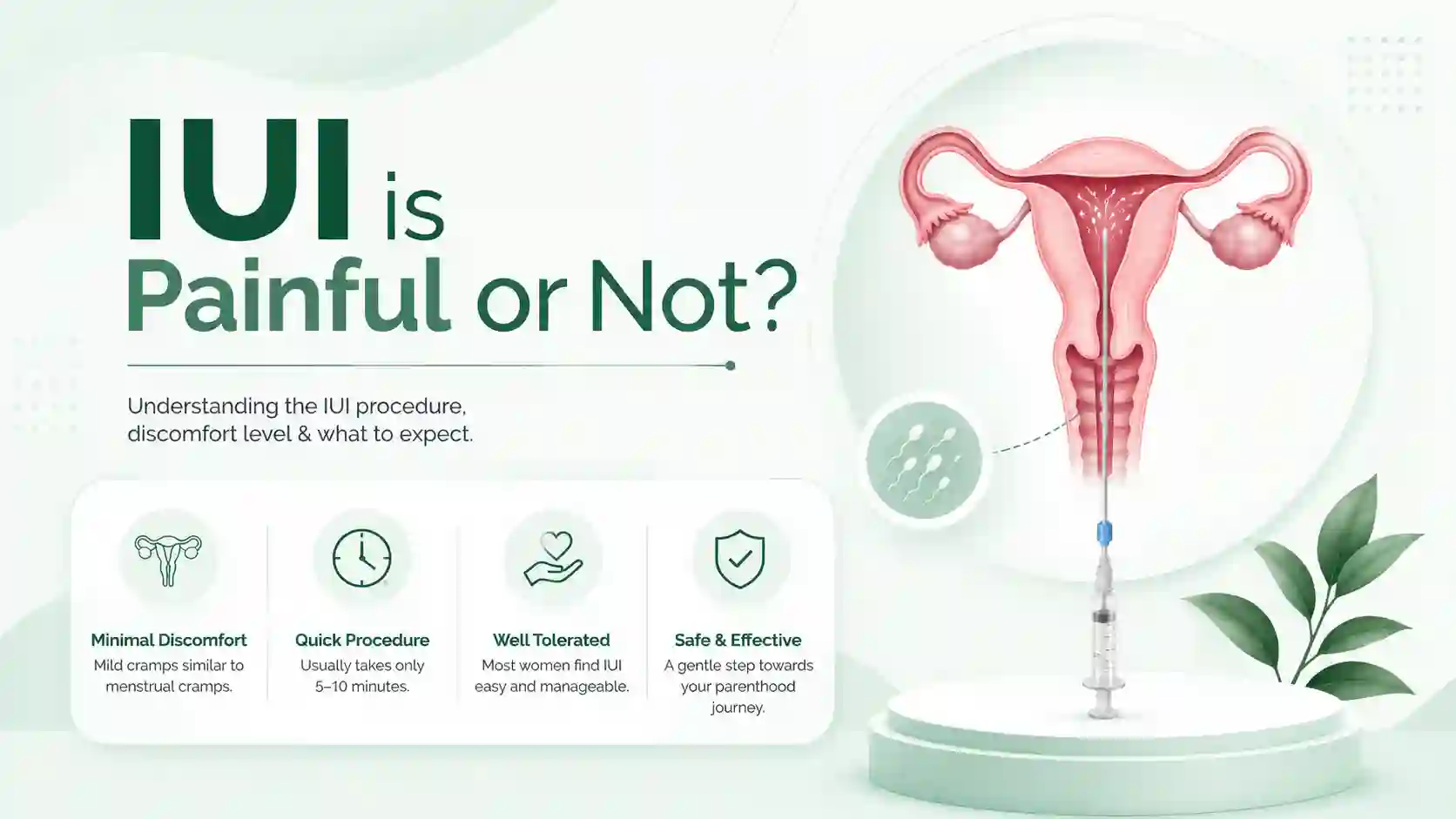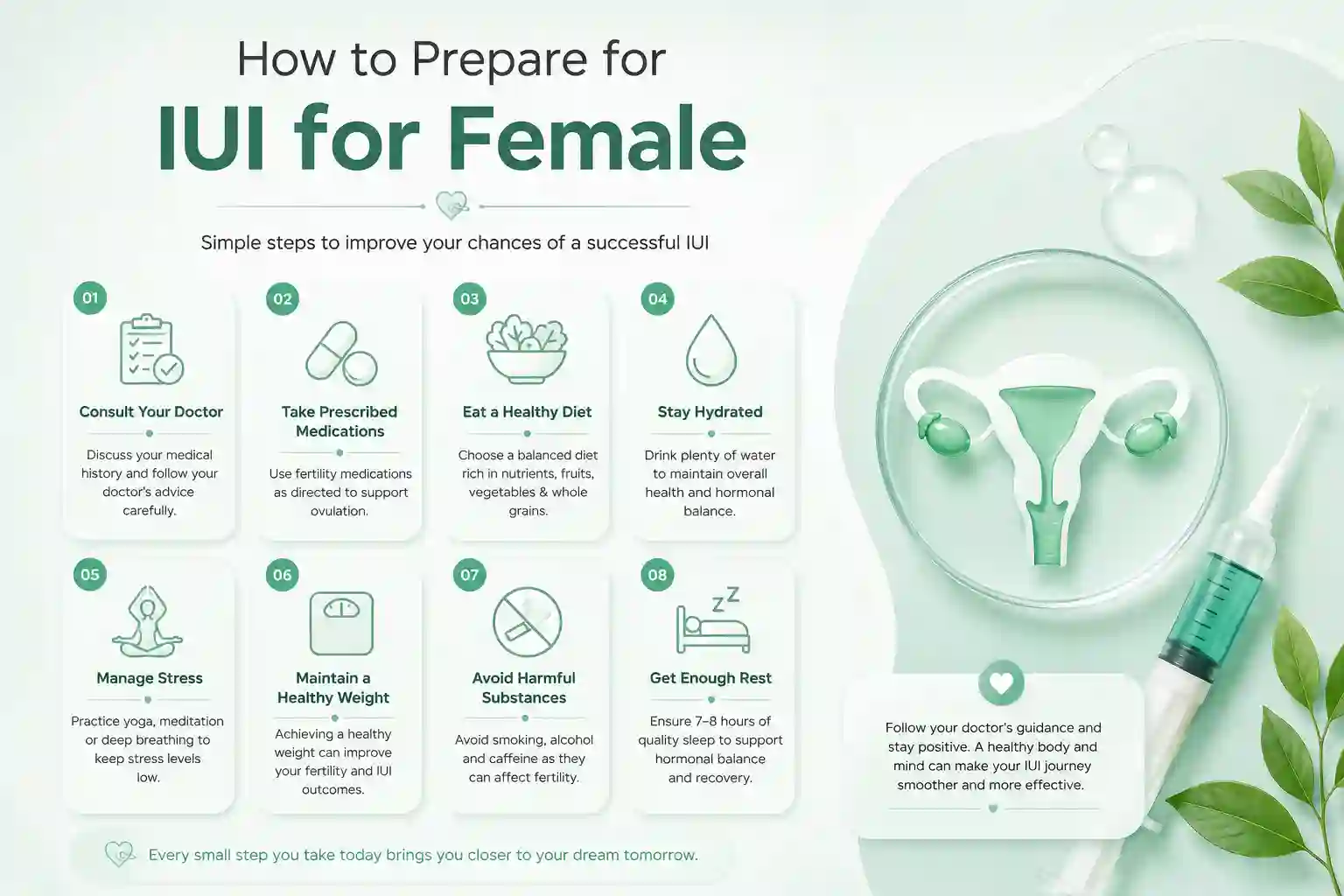
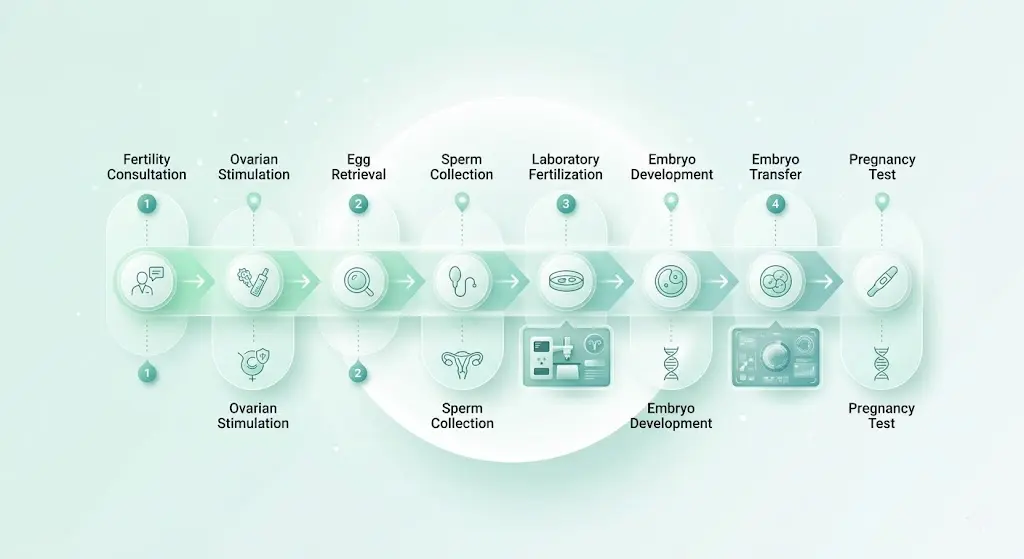
If you’re considering fertility treatment, understanding the IVF process step by step timeline can make the journey feel less overwhelming. IVF (In Vitro Fertilization) involves several carefully planned stages, each designed to maximize the chances of a successful pregnancy.
Although every patient is unique, most IVF cycles follow a similar timeline and typically take about 4–8 weeks from the start of treatment to the pregnancy test.
What Is the IVF Process Step by Step Timeline?
The IVF timeline includes:
- Fertility consultation and testing
- Ovarian stimulation
- Egg retrieval
- Fertilization
- Embryo development
- Embryo transfer
- Pregnancy testing
Each step is closely monitored by fertility specialists.
Week 1: Initial Consultation and Fertility Testing
What Happens?
Your fertility specialist will review:
- Medical history
- Fertility history
- Previous pregnancies
- Lifestyle factors
Common Tests
For women:
- Hormone blood tests
- AMH testing
- Ultrasound scans
- Uterine evaluation
For men:
- Semen analysis
- Hormonal evaluation if needed
Timeline
1–2 weeks
Week 2–3: Ovarian Stimulation Begins
Purpose
The ovaries are stimulated to produce multiple mature eggs.
IVF Injections
Daily fertility injections are usually taken for:
8–14 days
Monitoring
During this period, patients attend frequent appointments for:
- Ultrasounds
- Blood tests
Doctors monitor follicle growth and adjust medications if necessary.
Common Symptoms
Patients may experience:
- Bloating
- Mild cramping
- Fatigue
- Breast tenderness
- Mood changes
Week 3: Trigger Shot
Purpose
Once the follicles reach the desired size, a trigger injection is given.
The trigger shot:
- Finalizes egg maturation
- Prepares for egg retrieval
Timing
Egg retrieval is usually scheduled:
34–36 hours later
This timing is critical for treatment success.
Week 3: Egg Retrieval
Procedure
Egg retrieval is performed under sedation.
Using ultrasound guidance:
- A thin needle collects mature eggs from the ovaries.
Duration
The procedure typically takes:
20–30 minutes
Recovery
Most patients return home the same day.
Common symptoms include:
- Mild cramping
- Spotting
- Temporary bloating
Week 3: Sperm Collection and Fertilization
Sperm Collection
A sperm sample is collected and processed in the laboratory.
Fertilization
There are two common methods:
Conventional IVF
Eggs and sperm are combined in a laboratory dish.
ICSI
A single sperm is injected directly into an egg.
ICSI is often used for male infertility.
Week 3–4: Embryo Development
Embryo Monitoring
Embryologists observe embryo growth carefully.
They assess:
- Cell division
- Development patterns
- Embryo quality
Timeline
Embryos usually grow for:
3–5 days
before transfer or freezing.
Week 4: Embryo Transfer
Procedure
A selected embryo is transferred into the uterus using a thin catheter.
The transfer:
- Does not require surgery
- Usually takes only a few minutes
- Causes minimal discomfort
After Transfer
Patients are typically prescribed progesterone support to help prepare the uterine lining.
Week 4–5: The Two-Week Wait
This is often considered the most emotionally challenging part of IVF.
During This Time
Patients may experience:
- Mild cramping
- Breast tenderness
- Fatigue
- No symptoms at all
Symptoms cannot reliably confirm pregnancy.
Important Tip
Avoid taking home pregnancy tests too early, as they may provide misleading results.
Week 5: Pregnancy Test
Beta hCG Blood Test
Approximately:
9–14 days after embryo transfer
a blood test measures pregnancy hormone levels.
If Positive
Your fertility clinic will:
- Repeat blood tests
- Schedule an early ultrasound
- Monitor pregnancy development
If Negative
Your doctor will review the cycle and discuss next steps.
Complete IVF Process Timeline Overview
| IVF Stage | Typical Duration |
| Consultation & testing | 1–2 weeks |
| Ovarian stimulation | 8–14 days |
| Trigger shot | 1 day |
| Egg retrieval | 1 day |
| Fertilization | Same day |
| Embryo development | 3–5 days |
| Embryo transfer | 1 day |
| Pregnancy test | 9–14 days later |
Total IVF Timeline: Approximately 4–8 weeks
Benefits of Following the IVF Timeline
Better Treatment Planning
Knowing each stage helps patients prepare mentally and physically.
Improved Medication Compliance
Understanding the timeline reduces missed doses and scheduling mistakes.
Reduced Anxiety
Knowing what happens next can make the process feel more manageable.
Better Communication
Patients can ask informed questions throughout treatment.
Factors That Can Change the IVF Timeline
Not every IVF cycle follows the exact same schedule.
Factors include:
Ovarian Response
Some patients require longer stimulation periods.
Frozen Embryo Transfer (FET)
If embryos are frozen, transfer may occur in a later cycle.
Additional Testing
Genetic testing may add extra time before transfer.
Medical Conditions
Individual fertility diagnoses can influence scheduling.
Emotional & Patient Perspective
The IVF journey often involves:
- Hope
- Excitement
- Anxiety
- Anticipation
Many patients find the waiting periods more challenging than the procedures themselves.
Helpful strategies include:
- Staying organized
- Following medical advice
- Seeking emotional support
- Focusing on one step at a time
When to See a Fertility Specialist
You should consider fertility evaluation if:
- You have been trying to conceive for over one year
- You are over age 35 and have been trying for six months
- You have irregular periods
- You have recurrent miscarriages
- Male infertility concerns are present
Early evaluation can improve treatment planning and outcomes.
Understanding the IVF process step by step timeline can help patients feel more confident and prepared throughout treatment. From fertility testing and ovarian stimulation to egg retrieval, embryo transfer, and pregnancy testing, each stage plays an important role in the IVF journey.
Although timelines vary slightly between patients, most IVF cycles take approximately 4–8 weeks from start to pregnancy test. Working closely with your fertility team and understanding each step can help make the process less stressful and more manageable.
FAQs About IVF Process Step by Step Timeline
How long does the IVF process take from start to finish?
Most IVF cycles take approximately 4–8 weeks, depending on the treatment plan.
How many days are IVF injections taken?
Most patients take ovarian stimulation injections for 8–14 days.
How long after egg retrieval is embryo transfer?
Embryo transfer usually occurs 3–5 days after egg retrieval, unless embryos are frozen for later use.
What happens during the two-week wait?
Patients wait approximately 9–14 days after embryo transfer before taking a pregnancy blood test.
Is egg retrieval painful?
Egg retrieval is typically performed under sedation, so most patients experience minimal discomfort during the procedure.