Starting IVF treatment can feel overwhelming, especially when patients begin researching medication costs. One of the most common questions couples ask is about IVF injection price and how much fertility medications may add to the overall treatment budget.
IVF injections play a major role in the in vitro fertilization process. These medications help stimulate the ovaries, support egg development, and prepare the body for pregnancy. However, prices can vary significantly depending on the type of injection, dosage, fertility condition, and clinic recommendations.
Understanding IVF medication pricing ahead of time can help patients plan financially and emotionally before starting treatment.
What Is IVF Injection Price?
IVF injection price refers to the cost of fertility medications used during an IVF cycle. These injections are usually hormone-based medicines designed to stimulate egg production, trigger ovulation, or support implantation after embryo transfer.
Common IVF injections may include:
- Follicle-stimulating hormone (FSH)
- Human menopausal gonadotropin (hMG)
- Trigger injections such as hCG
- Progesterone injections
- GnRH agonists or antagonists
The total IVF injection price often depends on:
- Number of injections required
- Medication brand
- Dosage strength
- Length of treatment cycle
- Patient age and ovarian reserve
In many IVF cycles, medication costs become one of the largest parts of fertility treatment expenses.
Why Is IVF Injection Price Important?
Understanding IVF medication costs is important because fertility treatment often involves multiple stages and repeated monitoring. Patients who are financially prepared may experience less stress during the process.
IVF injections are essential because they help:
- Stimulate multiple egg follicles
- Improve egg retrieval outcomes
- Control ovulation timing
- Support embryo implantation
- Maintain hormonal balance during treatment
Without proper fertility medications, the IVF process may not produce enough mature eggs for fertilization.
For some patients, medication response also directly affects IVF success rates.
How Does IVF Treatment With Injections Work?
The IVF process usually includes several stages involving fertility injections.
1. Ovarian Stimulation
Daily hormone injections stimulate the ovaries to produce multiple eggs instead of the single egg released during a natural cycle.
2. Monitoring Phase
Doctors monitor follicle growth through ultrasounds and blood tests. Medication doses may be adjusted based on ovarian response.
3. Trigger Injection
Once the eggs mature, a trigger shot helps prepare the eggs for retrieval.
4. Egg Retrieval
Doctors collect mature eggs from the ovaries during a minor procedure.
5. Progesterone Support
After embryo transfer, progesterone injections or supplements may help support early pregnancy.
Each stage may involve different fertility medications, which can influence the total IVF injection price.
Benefits of IVF Injections
IVF injections are designed to improve the chances of successful fertilization and pregnancy.
Some key benefits include:
- Increased egg production
- Better timing control during ovulation
- Improved embryo development opportunities
- Higher chances of collecting multiple mature eggs
- Hormonal support after embryo transfer
For patients with infertility conditions such as low ovarian reserve, polycystic ovary syndrome (PCOS), or unexplained infertility, fertility medications may significantly improve treatment outcomes.
Risks, Side Effects, or Limitations
Like all medical treatments, IVF injections may cause side effects or complications in some patients.
Common side effects may include:
- Bloating
- Mild abdominal discomfort
- Headaches
- Mood swings
- Breast tenderness
- Injection site redness
In rare cases, patients may develop ovarian hyperstimulation syndrome (OHSS), where the ovaries become swollen and painful.
IVF medications also do not guarantee pregnancy. Some patients may require multiple IVF cycles before achieving success.
Doctors usually personalize medication doses to reduce risks while improving treatment effectiveness.
IVF Injection Price: What Does It Typically Cost?
The total IVF injection price can vary widely across countries, clinics, and medication brands.
Factors affecting cost include:
- Imported vs. local medications
- Number of stimulation days
- Fertility diagnosis
- Body weight and hormone needs
- Brand of injection used
In many cases, IVF medications may account for a substantial portion of the total IVF treatment cost.
Some patients may require:
- Low-dose stimulation protocols
- Standard IVF medication cycles
- High-dose injections for reduced ovarian reserve
Patients with diminished ovarian reserve or advanced maternal age may need higher medication doses, increasing overall costs.
Additional expenses may include:
- Blood tests
- Ultrasound monitoring
- Medication storage
- Repeat IVF cycles
Because fertility treatment plans are highly individualized, clinics usually provide personalized medication estimates after fertility evaluation.
Factors Affecting IVF Injection Results
Not every patient responds to IVF injections the same way. Several medical and lifestyle factors can influence results.
Age
Egg quality and ovarian reserve naturally decline with age, especially after the mid-30s.
Hormone Levels
AMH, FSH, and estrogen levels can affect ovarian response during stimulation.
Underlying Fertility Conditions
Conditions such as PCOS, endometriosis, or male infertility may influence IVF outcomes.
Medication Adherence
Taking injections exactly as prescribed is important for proper follicle development.
Lifestyle Factors
Smoking, excessive alcohol use, poor sleep, and chronic stress may negatively affect fertility outcomes.
Emotional & Patient Perspective
The emotional side of IVF treatment is often underestimated. Daily injections, frequent appointments, financial pressure, and uncertainty can feel physically and mentally exhausting.
Many patients experience:
- Anxiety before injections
- Fear of unsuccessful cycles
- Emotional ups and downs from hormonal changes
- Stress related to IVF expenses
Support from partners, family members, counselors, or fertility support groups may help patients cope during treatment.
Patients should also remember that needing IVF treatment is more common than many people realize. Fertility struggles affect millions of couples worldwide.
Tips to Prepare for IVF Injections
Preparing ahead of time may help reduce stress during treatment.
Learn Injection Techniques
Ask the fertility clinic to demonstrate how to safely administer medications.
Create a Medication Schedule
Using reminders or fertility apps may help avoid missed doses.
Store Medications Properly
Some IVF injections require refrigeration, while others must be kept at room temperature.
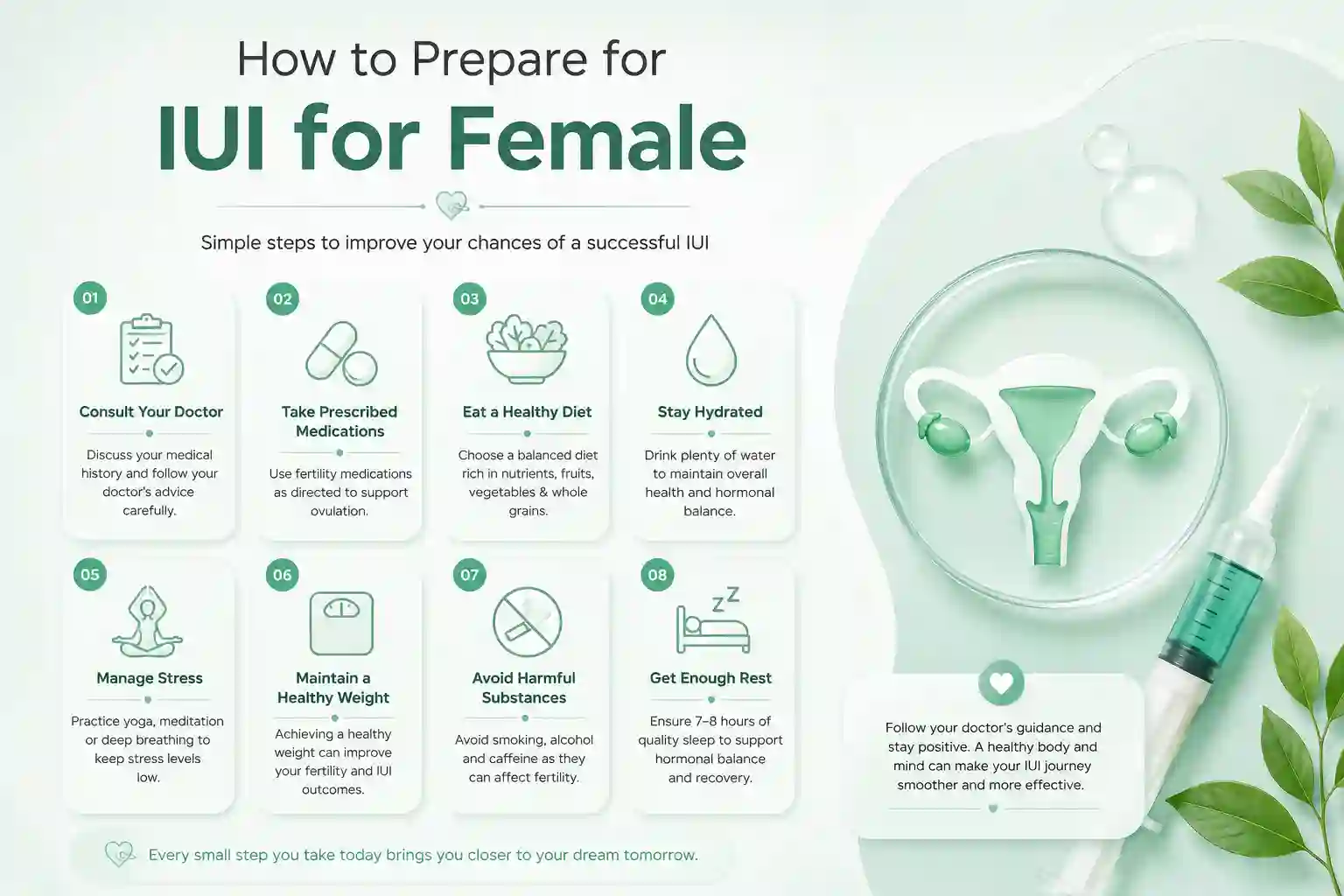
Maintain a Healthy Lifestyle
Balanced nutrition, hydration, and adequate sleep may support reproductive health.
Ask About Medication Options
Some clinics may offer generic alternatives or different stimulation protocols depending on patient needs.
When to See a Fertility Specialist
Patients should consider seeing a fertility specialist if they:
- Have been trying to conceive for over 12 months
- Are over age 35 and trying for more than 6 months
- Have irregular menstrual cycles
- Have recurrent miscarriages
- Have known fertility conditions
- Are concerned about IVF injection price and treatment planning
Early fertility evaluation may help identify treatment options sooner and improve reproductive planning.
Understanding IVF injection price is an important part of preparing for fertility treatment. IVF medications play a critical role in stimulating egg development, supporting ovulation, and improving the chances of successful pregnancy.
Because medication needs vary from patient to patient, IVF injection costs can differ significantly based on dosage, treatment protocol, and fertility condition. Speaking with a qualified fertility specialist can help patients better understand medication plans, expected costs, and realistic treatment expectations.
While IVF treatment may feel emotionally and financially challenging, informed preparation can help patients approach the journey with greater confidence and clarity.
FAQs About IVF Injection Price
How much does IVF injection price usually cost?
IVF injection price varies depending on medication type, dosage, and treatment protocol. Some patients require more medications than others based on age and ovarian response.
Why are IVF injections expensive?
Fertility medications involve specialized hormone production, strict storage requirements, and individualized dosing, which can increase overall costs.
Are IVF injections painful?
Most IVF injections cause mild discomfort rather than severe pain. Some patients experience temporary redness or soreness at the injection site.
Can IVF work without injections?
Standard IVF treatment usually requires hormone injections to stimulate the ovaries and support egg development.
How long do IVF injections continue?
Many patients take IVF injections for around 8 to 14 days during ovarian stimulation, although timelines vary by treatment plan.