If you’re facing difficulty conceiving, you may have come across the term IVF fertility.
Understanding IVF fertility can help you explore one of the most effective medical options for achieving pregnancy.
What is IVF Fertility?
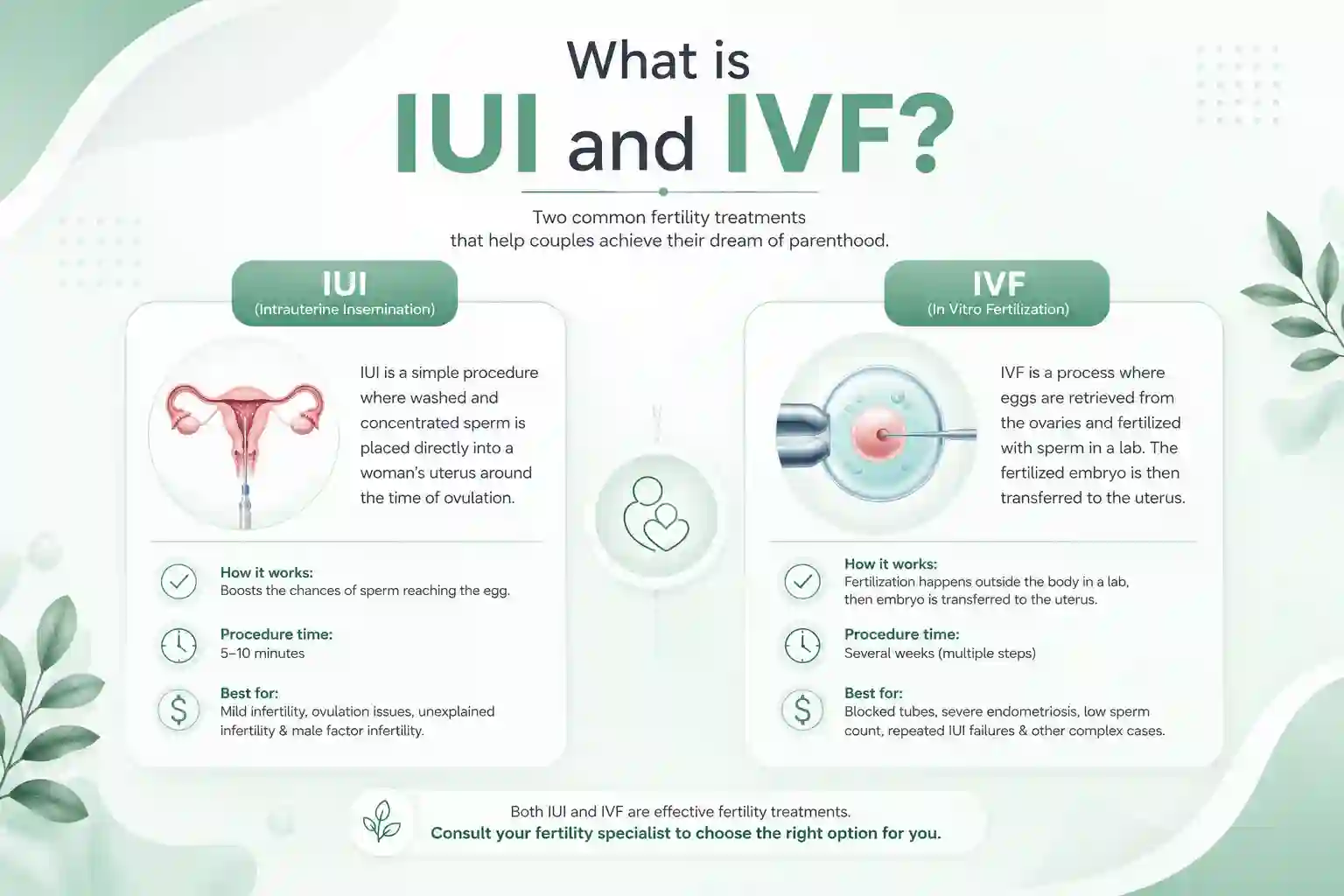
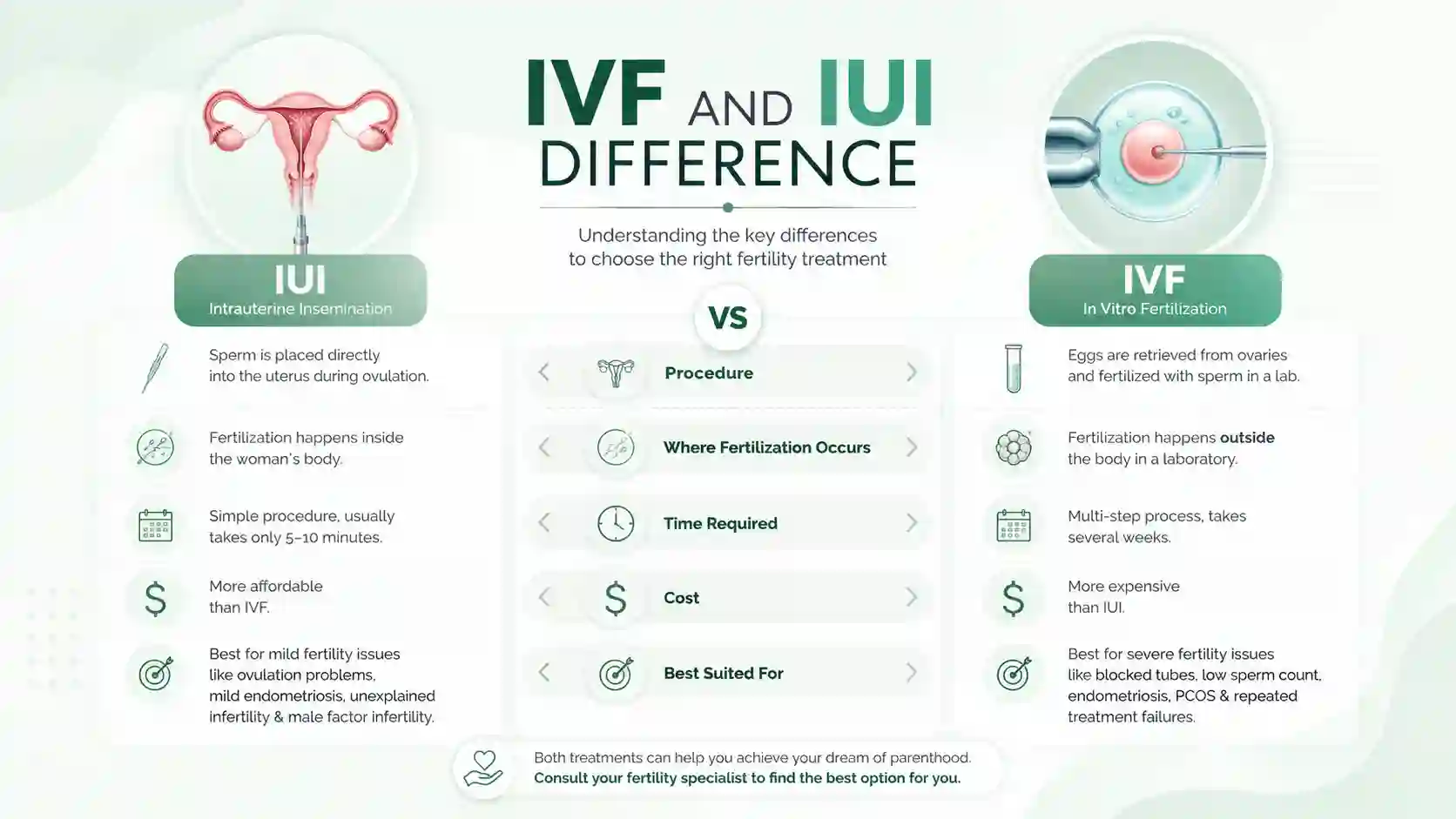
IVF fertility refers to the use of In Vitro Fertilization (IVF) to help individuals or couples conceive.
In simple terms:
- Eggs and sperm are combined in a lab
- An embryo is created
- The embryo is transferred into the uterus
This process helps overcome many causes of infertility.
Why IVF Fertility is Important
IVF fertility plays a major role in:
- Treating infertility
- Helping couples conceive after failed attempts
- Providing solutions for complex fertility issues
- Supporting delayed parenthood
It has helped millions of families worldwide.
Who Needs IVF Fertility Treatment?
Doctors may recommend IVF fertility for:
- Blocked fallopian tubes
- Low sperm count
- Ovulation disorders
- Endometriosis
- Unexplained infertility
It is often used when other treatments have not worked.
How IVF Fertility Works
The IVF fertility process includes:
1. Ovarian Stimulation
Hormone injections help produce multiple eggs
2. Egg Retrieval
Eggs are collected from the ovaries
3. Fertilization
Eggs and sperm are combined in a lab
4. Embryo Development
Embryos grow for 3–5 days
5. Embryo Transfer
A healthy embryo is placed into the uterus
IVF Fertility Success Rate
Success depends on:
- Age
- Egg and sperm quality
- Embryo quality
- Uterine health
On average, IVF fertility success rates range between 30%–50% per cycle.
Benefits of IVF Fertility
- Higher chance of pregnancy
- Works for complex infertility cases
- Controlled and monitored process
- Advanced techniques available (ICSI, embryo freezing)
Risks and Considerations
IVF fertility is generally safe, but may involve:
- Mild side effects from medications
- Emotional stress
- Multiple pregnancy risk
Doctors closely monitor patients to ensure safety.
Tips to Improve IVF Fertility Success
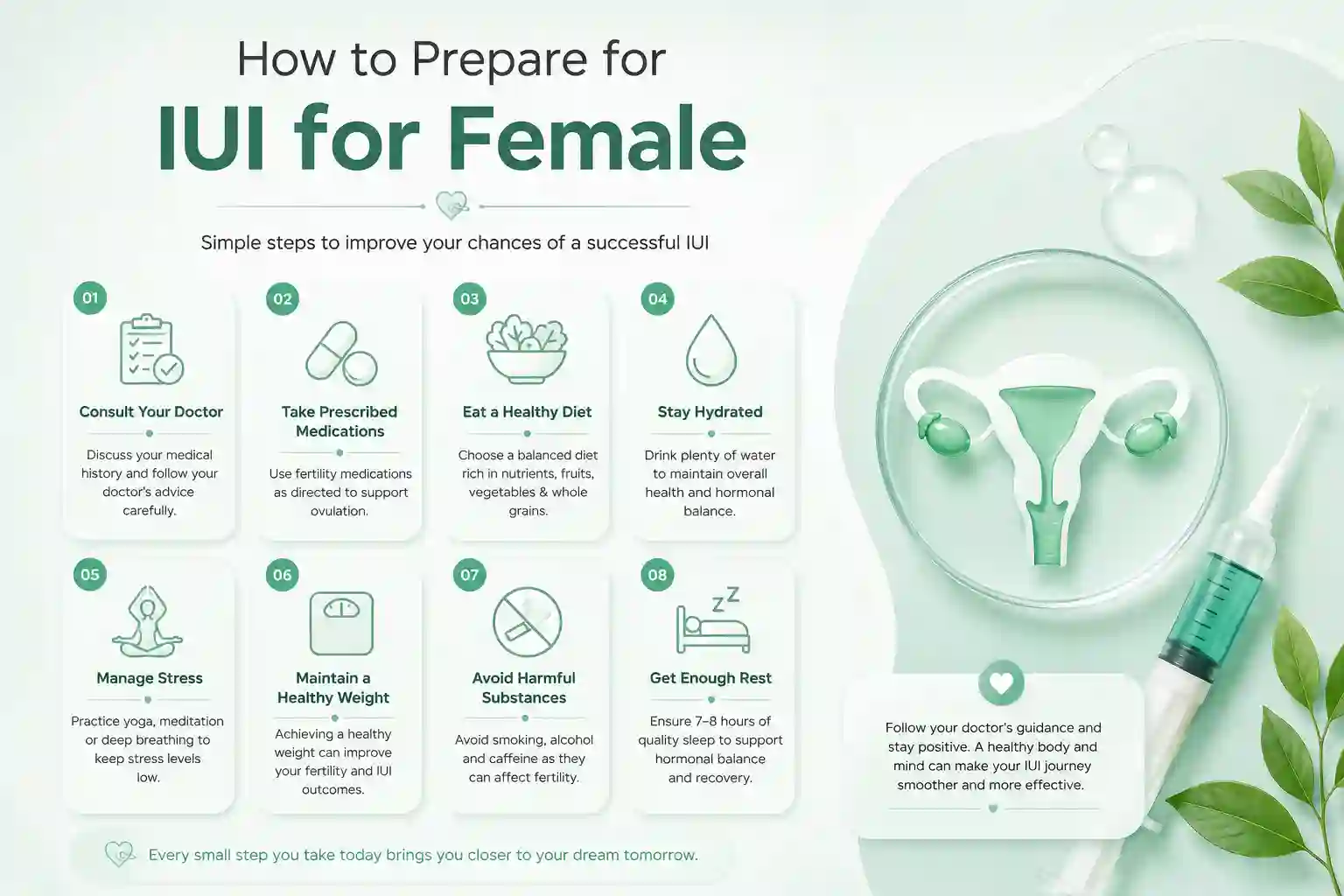
- Maintain a healthy lifestyle
- Avoid smoking and alcohol
- Follow medical advice strictly
- Manage stress
- Attend all appointments
When to See a Fertility Specialist
Consider IVF fertility consultation if:
- Trying to conceive for over a year
- Over 35 and trying for 6 months
- Known fertility problems
- Previous treatments failed
IVF fertility is a powerful solution for many couples struggling with infertility. While the process may seem complex, it offers real hope and a strong chance of achieving pregnancy.
A consultation with a fertility specialist can help you understand your options and start your journey with confidence.
FAQs About IVF Fertility
What is IVF fertility?
It is the use of IVF treatment to help achieve pregnancy.
Is IVF fertility safe?
Yes, it is generally safe under medical supervision.
How long does IVF take?
Usually 4–6 weeks per cycle.
What is IVF success rate?
Around 30%–50% per cycle.
Who can benefit from IVF?
Couples facing infertility or difficulty conceiving.