Going through fertility treatment is emotionally challenging, and experiencing IVF failure can feel overwhelming.
If your IVF cycle didn’t result in pregnancy, it’s important to know that you’re not alone—and that there are clear next steps to improve your chances.
What is IVF Failure?
IVF failure means that an IVF cycle did not result in a successful pregnancy. This can happen when:
- The embryo does not implant in the uterus
- A pregnancy test comes back negative
- Early pregnancy does not progress
It’s a common part of many fertility journeys.
Why IVF Failure Happens
Understanding the causes of IVF failure can help guide future treatment.
1. Embryo Quality
- Poor embryo development
- Chromosomal abnormalities
2. Implantation Issues
- Uterine lining not optimal
- Hormonal imbalance
3. Age Factor
- Egg quality declines with age
- Higher risk of genetic issues
4. Sperm Quality
- Low motility or abnormal sperm
5. Medical Conditions
- Endometriosis
- Thyroid disorders
- Autoimmune issues
Signs of IVF Failure
In most cases, IVF failure is confirmed by:
- Negative pregnancy test (10–14 days after transfer)
- Lack of pregnancy symptoms
- Onset of menstrual bleeding
However, symptoms alone are not always reliable—testing is essential.
Emotional Impact of IVF Failure
IVF failure can affect mental well-being:
- Stress and anxiety
- Sadness or frustration
- Loss of hope
These feelings are completely valid, and support is important.
What to Do After IVF Failure
A failed cycle doesn’t mean the end of your journey. Here’s what you can do next:
1. Review Your Cycle
- Discuss results with your doctor
- Identify possible reasons for failure
2. Consider Additional Testing
- Genetic testing (PGT)
- Uterine evaluation
- Hormonal assessment
3. Adjust Treatment Plan
- Change medication protocol
- Try advanced techniques like ICSI or FET
4. Plan Next Cycle
- Many couples succeed in 2–3 cycles
How to Improve Chances After IVF Failure
You can improve future success by:
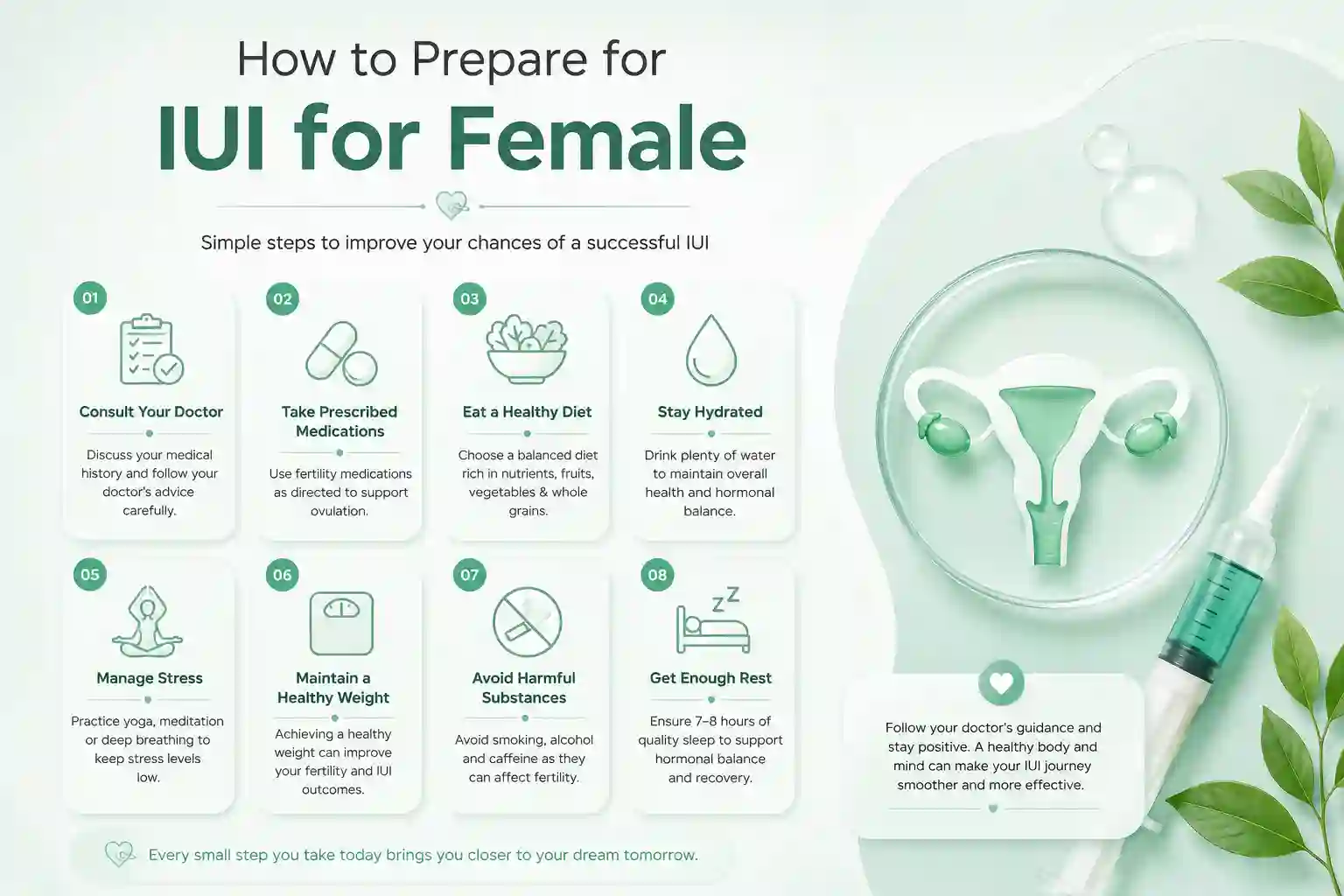
- Maintaining a healthy lifestyle
- Managing stress levels
- Following medical advice strictly
- Choosing an experienced fertility clinic
When to Try Again After IVF Failure
Doctors usually recommend:
- Waiting 1–3 months before the next cycle
- Allowing the body to recover
- Planning a better approach for the next attempt
When to See a Specialist
Consult your fertility specialist if:
- You’ve had one or more failed IVF cycles
- You want a second opinion
- You need a revised treatment plan
Experiencing IVF failure can be difficult, but it does not mean your chances are over. Many couples go on to achieve successful pregnancies after one or more failed cycles.
With the right guidance, testing, and treatment adjustments, your chances can improve significantly. The most important step is to stay informed and work closely with your fertility specialist.
FAQs About IVF Failure
Is IVF failure common?
Yes, many patients need more than one cycle.
Can IVF work after a failed cycle?
Yes, success often improves in later attempts.
What is the main cause of IVF failure?
Embryo quality and implantation issues are common causes.
How soon can I try IVF again?
Usually after 1–3 months.
Can lifestyle affect IVF success?
Yes, factors like stress, diet, and habits play a role.