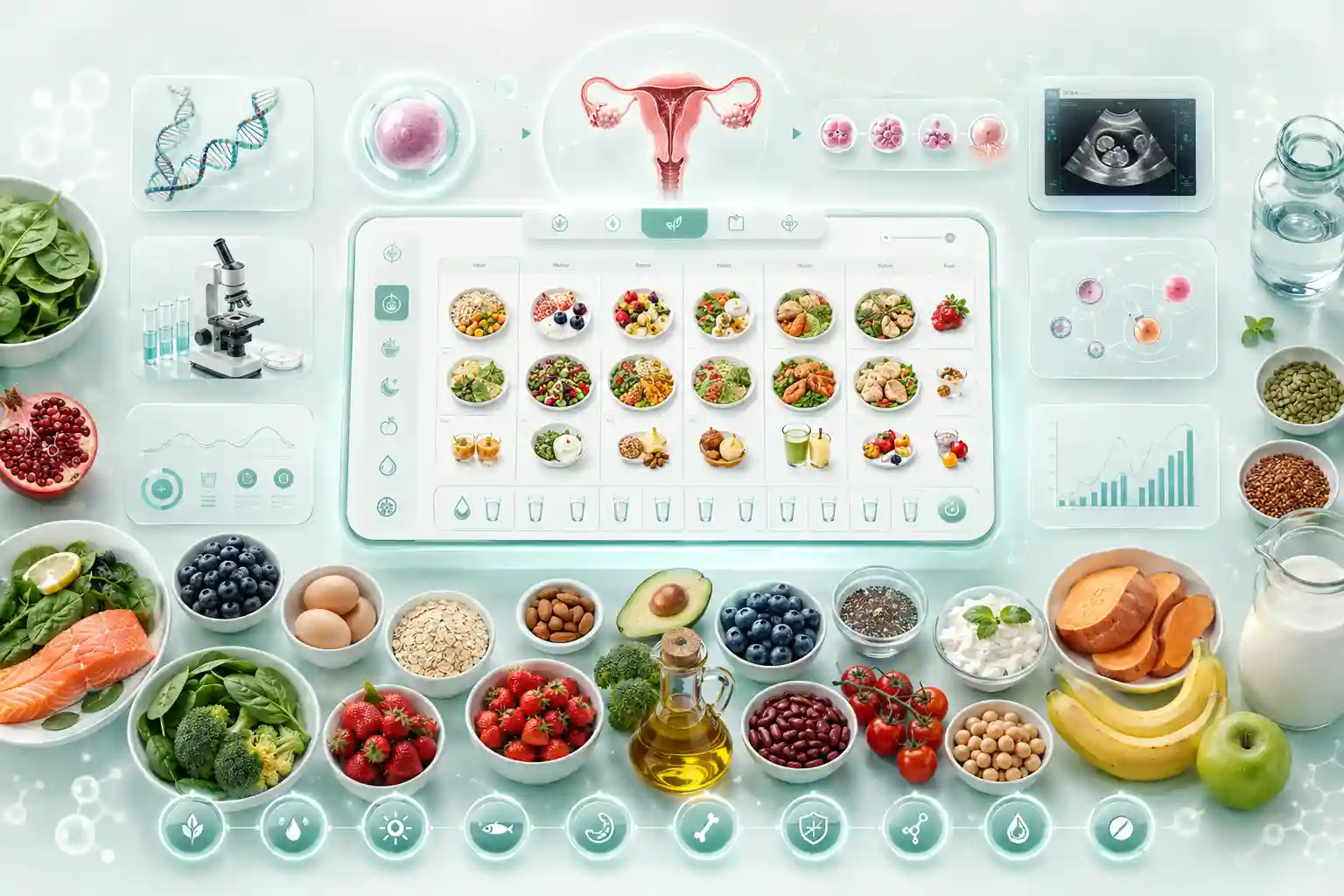
If you’re preparing for In Vitro Fertilization (IVF), paying attention to your diet is one of the best ways to support your overall health. Although no specific food or diet can guarantee IVF success, eating a balanced, nutrient-rich diet may help your body prepare for pregnancy, support normal hormone function, and improve your overall well-being during treatment.
A healthy IVF diet chart focuses on lean proteins, whole grains, fruits, vegetables, healthy fats, and adequate hydration while limiting processed foods, alcohol, smoking, and excessive caffeine. Combined with your fertility specialist’s treatment plan, these healthy habits can support your body throughout every stage of the IVF journey.
Note: Every individual has different nutritional needs. Always follow the advice of your fertility specialist or registered dietitian, especially if you have PCOS, diabetes, thyroid disease, or other medical conditions.
Why Is Diet Important During IVF?
Nutrition is an important part of a healthy lifestyle, but it should be viewed as a supportive measure rather than a treatment for infertility.
A balanced diet during IVF may help:
- Support overall reproductive health
- Promote normal hormone production
- Maintain a healthy body weight
- Reduce the risk of nutritional deficiencies
- Support energy levels during treatment
- Prepare your body for pregnancy
Remember that IVF success depends on many factors, including age, egg quality, sperm quality, embryo quality, uterine health, and the treatment protocol recommended by your fertility specialist.
Complete IVF Diet Chart
Early Morning (6:30–7:30 AM)
Start your day with hydration and antioxidant-rich foods.
Recommended:
- 1 glass of warm water
- Apple, orange, pear, or kiwi
- 5–6 soaked almonds
- 2–3 walnuts
These foods provide healthy fats, vitamins, minerals, and antioxidants that support overall health.
Breakfast (8:00–9:00 AM)
Choose one balanced meal:
- Vegetable oats with boiled eggs
- Whole-grain toast with avocado and eggs
- Greek yogurt with berries and nuts
- Vegetable poha with sprouts
- Multigrain roti with paneer
- Vegetable upma with tofu
Healthy drinks:
- Pasteurized milk
- Unsweetened soy milk
- Fresh homemade smoothie without added sugar
A protein-rich breakfast helps provide lasting energy and supports your daily nutritional needs.
Mid-Morning Snack (10:30–11:30 AM)
Healthy snack options include:
- Seasonal fruits
- Coconut water
- Unsweetened yogurt
- Roasted chickpeas
- Mixed nuts
- Fresh sprouts
These foods provide fiber, protein, and essential nutrients without excessive added sugar.
Lunch (1:00–2:00 PM)
Your lunch should include all major food groups.
Protein (Choose One):
- Chicken
- Eggs
- Low-mercury fish (such as salmon or sardines)
- Lentils
- Chickpeas
- Kidney beans
- Paneer
- Tofu
Whole Grains
- Brown rice
- Whole wheat chapati
- Quinoa
- Millets
Vegetables
Fill half of your plate with colorful vegetables such as:
- Spinach
- Broccoli
- Carrots
- Bell peppers
- Pumpkin
- Beans
- Tomatoes
- Cucumber
Healthy Fats
- Olive oil
- Avocado
- Chia seeds
- Flaxseeds
- Pumpkin seeds
A balanced lunch provides protein, fiber, healthy fats, and complex carbohydrates that support overall nutrition.
Evening Snack (4:00–5:00 PM)
Choose light, healthy snacks such as:
- Fruit with nuts
- Roasted makhana (fox nuts)
- Vegetable soup
- Boiled corn
- Sprouts salad
Drink plenty of water or coconut water to stay hydrated.
Dinner (7:00–8:00 PM)
Dinner should be light and easy to digest.
Healthy dinner ideas include:
- Grilled fish with vegetables
- Chicken and vegetable soup
- Lentil soup with whole wheat bread
- Paneer with mixed vegetables
- Vegetable quinoa bowl
- Tofu stir-fry with brown rice
Try to finish dinner at least two to three hours before bedtime.
Before Bed (9:30–10:00 PM)
If you’re hungry before sleeping, choose:
- Warm pasteurized milk
- Unsweetened yogurt
- A few almonds or walnuts
Best Foods to Eat During IVF
Fruits
Fresh fruits are rich in vitamins, fiber, and antioxidants.
Good choices include:
- Apples
- Oranges
- Berries
- Bananas
- Kiwi
- Pomegranate
Vegetables
Aim for a variety of colorful vegetables every day.
Include:
- Spinach
- Kale
- Broccoli
- Carrots
- Sweet potatoes
- Tomatoes
- Bell peppers
Lean Protein
Protein is an essential part of a healthy IVF diet.
Choose:
- Eggs
- Chicken
- Fish
- Lentils
- Beans
- Paneer
- Tofu
Healthy Fats
Healthy fats support normal body functions and hormone production.
Include:
- Olive oil
- Almonds
- Walnuts
- Avocados
- Chia seeds
- Flaxseeds
Whole Grains
Whole grains provide fiber and long-lasting energy.
Choose:
- Oats
- Brown rice
- Whole wheat
- Quinoa
- Millets
Dairy
Choose pasteurized dairy products such as:
- Milk
- Yogurt
- Cheese
Foods to Avoid During IVF
Although no single food causes IVF to fail, limiting certain foods may support your overall health during treatment.
Avoid or limit:
- Alcohol
- Smoking and tobacco products
- Raw seafood
- Raw or undercooked eggs
- Unpasteurized milk and cheese
- High-mercury fish (such as swordfish, shark, and king mackerel)
- Processed meats
- Sugary drinks
- Deep-fried foods
- Highly processed snacks
- Excessive caffeine
If you’re unsure about a particular food, ask your fertility specialist or dietitian.
Hydration Tips During IVF
Proper hydration supports normal body functions and overall well-being.
Aim to drink 2–3 liters of water daily, unless your doctor recommends otherwise.
Healthy drinks include:
- Water
- Coconut water
- Homemade vegetable soup
- Fresh fruit-infused water
- Milk
Avoid energy drinks and sugary soft drinks whenever possible.
Healthy Lifestyle Tips During IVF
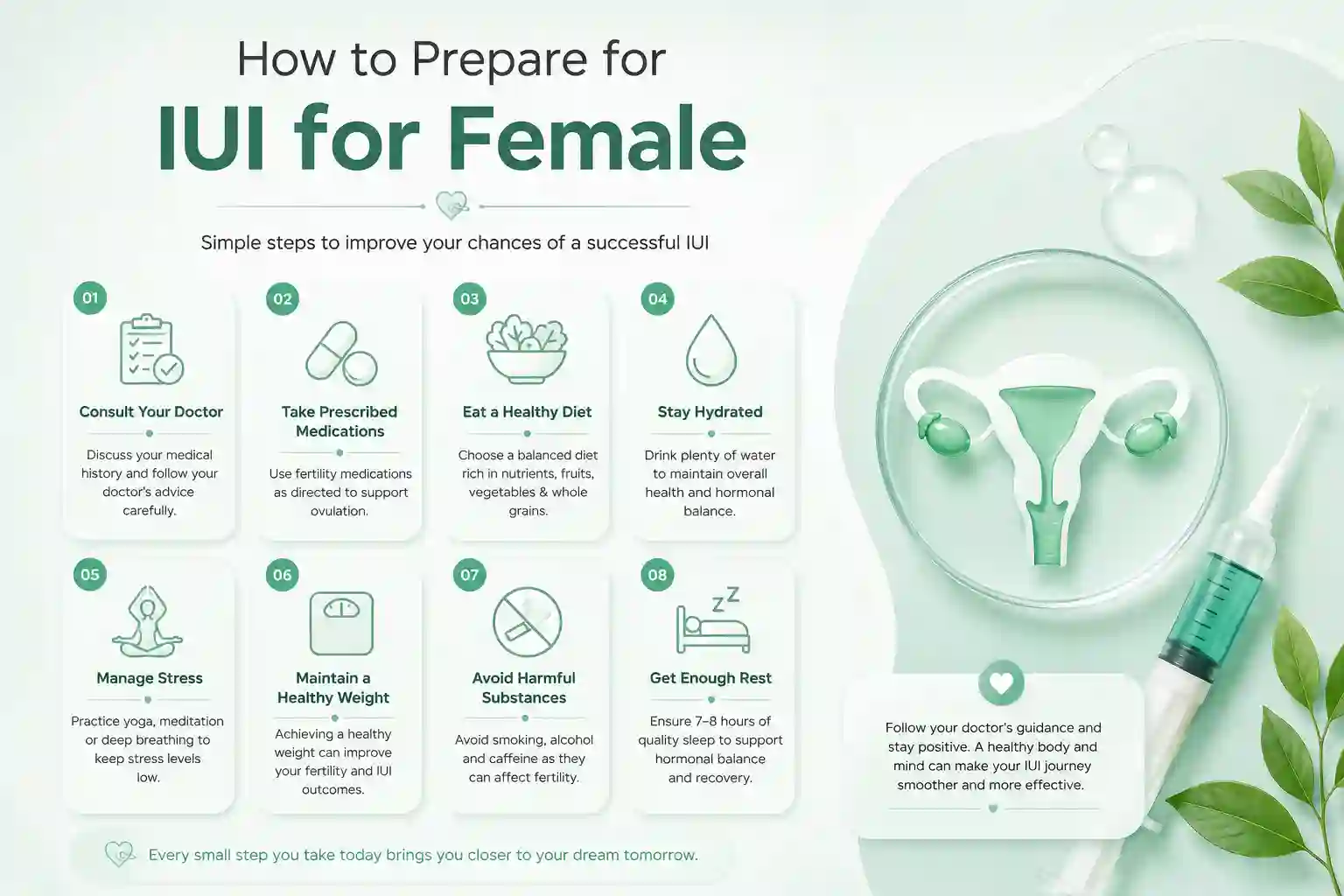
Diet is only one part of a healthy IVF journey. Consider these additional lifestyle habits:
- Get 7–9 hours of quality sleep each night.
- Stay physically active with light walking or gentle exercise if approved by your doctor.
- Practice stress-management techniques such as meditation, deep breathing, or yoga.
- Continue all prescribed IVF medications as directed.
- Take prenatal vitamins or folic acid only if recommended by your fertility specialist.
- Avoid smoking, alcohol, and recreational drugs.
Benefits of Following an IVF Diet Chart
Following a balanced IVF diet may help:
- Improve overall nutritional status
- Support reproductive health
- Maintain a healthy weight
- Promote normal hormone function
- Reduce nutritional deficiencies
- Support a healthy pregnancy
However, it’s important to understand that nutrition supports your health—it does not guarantee pregnancy or IVF success.
Limitations of an IVF Diet
A healthy diet cannot:
- Guarantee successful implantation
- Replace IVF medications or medical treatment
- Improve embryo quality on its own
- Correct all causes of infertility
IVF outcomes depend on several medical and biological factors. Your diet should be considered one part of a comprehensive fertility treatment plan.
When Should You Consult a Fertility Specialist or Dietitian?
Seek professional advice if you:
- Have PCOS, diabetes, or thyroid disease
- Follow a vegan or highly restrictive diet
- Have food allergies or celiac disease
- Are overweight or underweight
- Are unsure which supplements are appropriate during IVF
A personalized nutrition plan can help ensure your dietary needs are met throughout treatment.
A healthy IVF diet chart focuses on balanced nutrition rather than restrictive eating. Including plenty of fruits, vegetables, whole grains, lean proteins, healthy fats, and adequate hydration can support your overall health before, during, and after IVF treatment. At the same time, limiting alcohol, smoking, highly processed foods, and excessive caffeine may contribute to healthier lifestyle habits.
While good nutrition plays an important role in supporting your body, it is only one part of the IVF process. The best approach is to combine healthy eating with expert fertility care, prescribed medications, regular follow-up appointments, and your fertility specialist’s guidance.
Frequently Asked Questions (FAQs)
1. What is the best diet during IVF?
A balanced diet rich in fruits, vegetables, whole grains, lean proteins, healthy fats, and adequate hydration is generally recommended during IVF.
2. Can diet improve IVF success?
A healthy diet supports overall reproductive health, but no specific food or diet has been proven to guarantee IVF success.
3. What foods should I avoid during IVF?
Avoid alcohol, smoking, raw seafood, raw eggs, unpasteurized dairy products, high-mercury fish, processed foods, sugary drinks, and excessive caffeine.
4. Is protein important during IVF?
Yes. Protein is an important part of a balanced diet and helps meet your body’s nutritional needs during fertility treatment.
5. Can I drink coffee during IVF?
Moderate caffeine intake may be acceptable for many people, but excessive caffeine should be avoided. Follow your fertility specialist’s advice.
6. Is coconut water good during IVF?
Yes. Coconut water can help maintain hydration unless your doctor has advised you to restrict fluids or potassium for another medical reason.
7. Should I take supplements during IVF?
Only take prenatal vitamins, folic acid, vitamin D, or other supplements if recommended by your fertility specialist or healthcare provider.