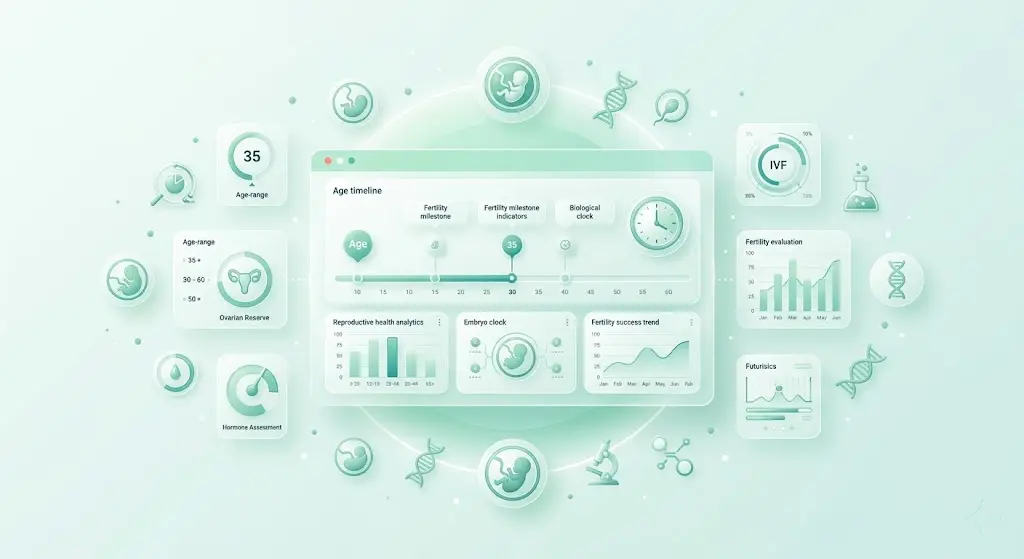
One of the most common questions women ask when considering fertility treatment is about the IVF age limit for women. While there is no universal age cutoff that applies to everyone, age plays a major role in fertility, egg quality, pregnancy outcomes, and IVF success rates.
As more women choose to start families later in life due to career, education, or personal reasons, understanding how age affects IVF can help in making informed reproductive decisions. Knowing the IVF age limit for women can also help set realistic expectations and guide timely fertility planning.
What Is IVF Age Limit for Women?
The term IVF age limit for women refers to the age range within which in vitro fertilization (IVF) is generally considered medically effective and safe.
Technically, there is no single global IVF age limit. Different fertility clinics, countries, and healthcare systems may have their own policies regarding the maximum age for IVF treatment.
In general:
- Women under 35 tend to have the highest IVF success rates.
- Fertility gradually declines after age 35.
- IVF success drops more significantly after age 40.
- Many clinics carefully evaluate women over 45 before offering IVF.
- Some clinics set treatment limits between ages 50 and 55, particularly when donor eggs are used.
The most important factor is often biological age and ovarian reserve rather than chronological age alone.
Why Is IVF Age Limit for Women Important?
Understanding the IVF age limit for women is important because age directly affects:
- Egg quality
- Egg quantity
- Embryo development
- Implantation rates
- Pregnancy outcomes
- Miscarriage risk
Female fertility naturally declines with age due to a reduction in both the number and quality of eggs available in the ovaries.
As a result, IVF outcomes are generally more favorable when treatment begins earlier.
How Does Age Affect IVF Success?
Under Age 35
Women under 35 usually have the highest success rates because egg quality is generally better and chromosomal abnormalities are less common.
Ages 35–37
Success rates remain relatively good, although fertility begins to decline gradually.
Ages 38–40
Many women still achieve successful pregnancies through IVF, but the chances of success per cycle decrease.
Ages 41–42
Success rates decline more noticeably due to reduced egg quality and ovarian reserve.
Age 43 and Above
Pregnancy is still possible, but success rates using a woman’s own eggs become significantly lower. Some patients may consider donor eggs to improve the chances of pregnancy.
Benefits of Starting IVF Earlier
Understanding fertility timelines can help women make proactive decisions.
Benefits of earlier IVF treatment may include:
- Higher success rates
- Better egg quality
- More embryos available for transfer
- Lower miscarriage risk
- Reduced need for donor eggs
- Greater flexibility for future family planning
Early fertility assessment can help identify potential issues before they become more challenging to manage.
Risks, Side Effects, or Limitations
The IVF procedure itself is generally similar regardless of age. However, age-related factors can influence outcomes.
Potential limitations include:
- Reduced ovarian response to medications
- Lower egg quality
- Higher miscarriage rates
- Increased chromosomal abnormalities
- Greater likelihood of cycle cancellation
Pregnancy at advanced maternal age may also be associated with higher risks of:
- Gestational diabetes
- High blood pressure
- Pregnancy complications
- Cesarean delivery
A fertility specialist can help assess individual risks and treatment options.
IVF Success Rates by Age
While success rates vary between clinics and individuals, age remains one of the strongest predictors of IVF outcomes.
Generally:
- Women under 35 have the highest success rates.
- Success gradually decreases after age 35.
- A more significant decline occurs after age 40.
- Donor egg IVF often provides higher success rates for older women compared with IVF using their own eggs.
Success depends on many factors beyond age, including overall reproductive health and embryo quality.
Factors Affecting Results
Several factors influence IVF success in addition to age.
Ovarian Reserve
The number of remaining eggs in the ovaries affects treatment response.
Egg Quality
Healthy eggs are more likely to develop into viable embryos.
Uterine Health
A healthy uterine environment supports implantation.
Lifestyle Factors
Smoking, obesity, excessive alcohol use, and unmanaged medical conditions can negatively affect fertility outcomes.
Male Fertility Factors
Sperm quality is also important for successful fertilization and embryo development.
Emotional & Patient Perspective
Concerns about age can create significant emotional stress during fertility treatment.
Women may experience:
- Anxiety about declining fertility
- Pressure related to family planning timelines
- Fear of unsuccessful treatment
- Emotional exhaustion after multiple cycles
Support from fertility specialists, counselors, support groups, and loved ones can help patients navigate these challenges.
It is important to remember that every fertility journey is unique, and age alone does not determine individual outcomes.
Tips and Preparation Guide
If you are concerned about the IVF age limit for women, consider the following steps:
- Schedule a fertility evaluation early
- Check ovarian reserve through recommended testing
- Discuss fertility preservation options if appropriate
- Maintain a healthy weight
- Avoid smoking
- Limit alcohol intake
- Manage chronic medical conditions
- Follow your fertility specialist’s recommendations
Being proactive can provide more reproductive options and potentially improve outcomes.
When to See a Fertility Specialist
Consider consulting a fertility specialist if:
- You are under 35 and have been trying to conceive for one year
- You are over 35 and have been trying for six months
- You are over 40 and planning pregnancy
- You have irregular menstrual cycles
- You have known reproductive health conditions
- You have experienced recurrent pregnancy loss
Early evaluation can help identify fertility challenges and determine whether IVF may be appropriate.
Understanding the IVF age limit for women is an important part of fertility planning. Although there is no universal age cutoff for IVF, age significantly affects egg quality, fertility potential, and treatment success rates. Women generally achieve the best IVF outcomes at younger ages, but many older women also achieve successful pregnancies with individualized treatment approaches.
If you are concerned about age-related fertility changes, speaking with a fertility specialist can help you understand your options and create a personalized reproductive care plan.
FAQs About IVF Age Limit for Women
1. What is the maximum IVF age limit for women?
There is no universal maximum age. Many clinics assess women individually, although some set upper treatment limits between ages 50 and 55.
2. Can a 40-year-old woman get pregnant through IVF?
Yes. Many women in their 40s achieve pregnancy through IVF, although success rates are generally lower than in younger women.
3. Is 35 too old for IVF?
No. Many women undergo successful IVF treatment after age 35, though fertility naturally begins to decline during this period.
4. Can IVF work after age 45?
Pregnancy may still be possible after age 45, especially when donor eggs are used, but success rates using a woman’s own eggs are typically much lower.
5. Does IVF age limit for women vary by country?
Yes. Fertility clinic policies and regulations differ across countries and healthcare systems.
6. Why does IVF success decrease with age?
Egg quality and egg quantity decline over time, increasing the likelihood of chromosomal abnormalities and reducing implantation potential.
7. Should I consider IVF sooner if I am over 35?
If you are over 35 and experiencing difficulty conceiving, early consultation with a fertility specialist is often recommended to evaluate fertility and discuss treatment options.