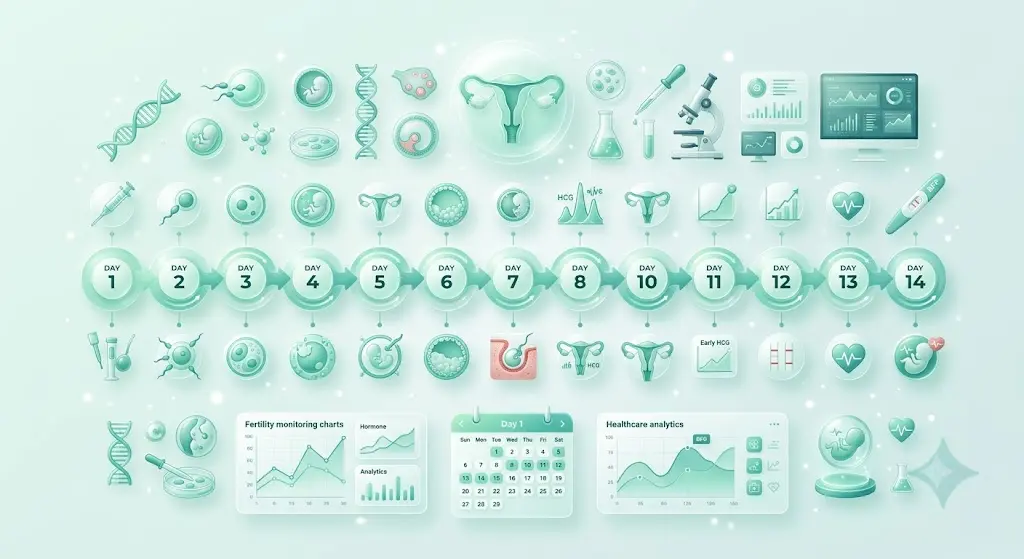
The days following an intrauterine insemination (IUI) procedure can feel like the longest part of the fertility journey. Many people search for IUI success symptoms day by day, hoping to identify early signs that the treatment has worked. While it’s natural to look for clues, it’s important to remember that symptoms—or the absence of them—cannot reliably confirm whether you’re pregnant.
Some women notice mild physical changes during the two-week wait, while others experience no symptoms at all and still have a healthy pregnancy. This guide explains the typical timeline after IUI, common symptoms that may occur, and when it’s appropriate to take a pregnancy test.
What Are IUI Success Symptoms Day by Day?
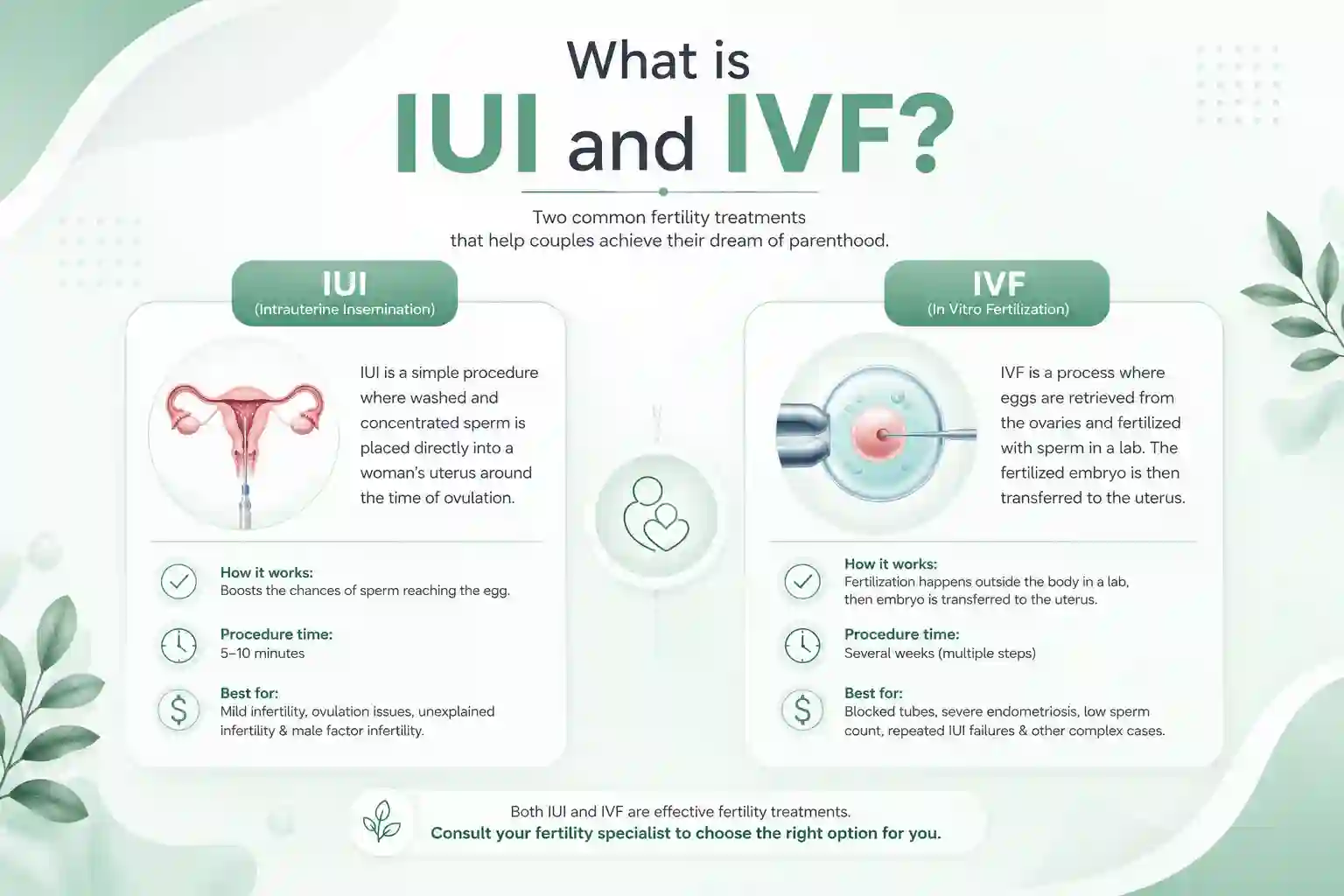
IUI success symptoms day by day refers to the physical or hormonal changes some people may notice during the days following an IUI procedure until pregnancy testing.
These symptoms vary from person to person and may be caused by:
- Normal hormonal changes
- Fertility medications
- Ovulation
- Implantation
- Early pregnancy
Because many early pregnancy symptoms overlap with premenstrual symptoms or medication side effects, they should not be used to determine whether IUI has been successful.
Why Is It Important to Understand the Timeline?
Understanding IUI success symptoms day by day helps set realistic expectations during the two-week wait.
Knowing what is normal can:
- Reduce unnecessary anxiety
- Prevent misinterpreting medication side effects
- Help you recognize symptoms that may require medical attention
- Encourage waiting for an accurate pregnancy test rather than relying on symptoms alone
Patience during this period can be challenging, but a blood pregnancy test remains the most reliable way to confirm pregnancy.
How Does the IUI Timeline Progress?
Although every cycle is different, the following timeline describes what many patients may experience.
Day 1 (IUI Day)
The insemination procedure is completed.
Possible experiences:
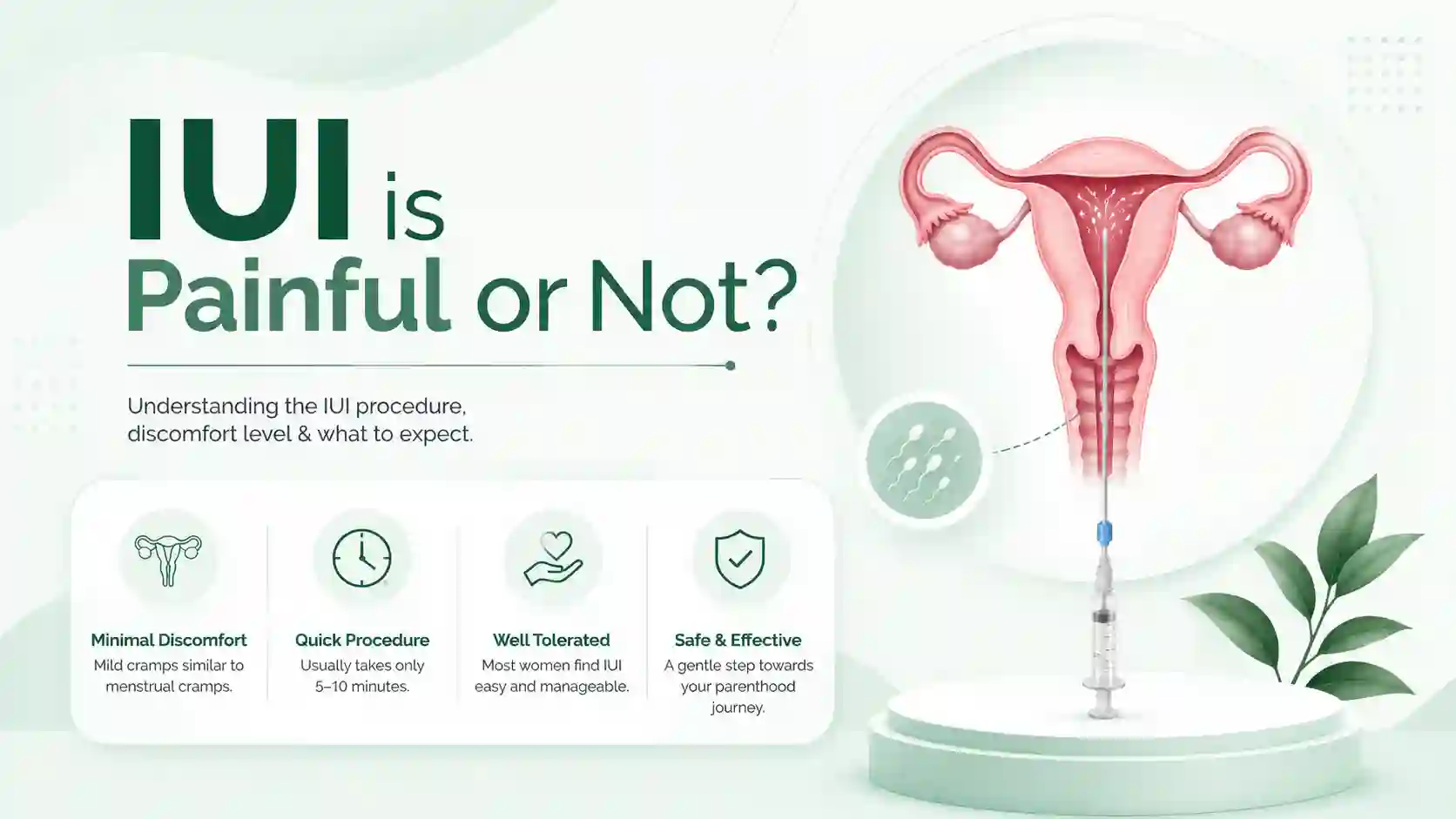
- Mild cramping
- Light spotting
- Temporary pelvic discomfort
These symptoms are usually related to the catheter placement rather than pregnancy.
Days 2–3
Many patients feel completely normal.
Some may notice:
- Mild bloating
- Breast tenderness
- Fatigue
These changes are often related to fertility medications or progesterone support.
Days 4–6
If fertilization occurs, the developing embryo continues traveling toward the uterus.
At this stage, most people do not experience reliable pregnancy symptoms.
Days 6–10
This is the time when implantation may occur for some pregnancies.
Possible symptoms may include:
- Mild cramping
- Light spotting (sometimes called implantation bleeding)
- Increased fatigue
However, many healthy pregnancies occur without any implantation symptoms.
Days 10–14
As pregnancy hormones begin to rise after successful implantation, some women may notice:
- Breast tenderness
- Fatigue
- Mild nausea
- Frequent urination
- Increased sense of smell
- Food aversions or cravings
Others may have no symptoms at all.
A pregnancy test performed too early may give inaccurate results, especially if a trigger injection containing hCG was used.
Common Early Pregnancy Symptoms After IUI
Possible early pregnancy symptoms include:
- Missed menstrual period
- Breast soreness
- Mild cramping
- Fatigue
- Nausea
- Increased urination
- Bloating
- Mood changes
- Heightened sense of smell
These symptoms are not specific to pregnancy and may also occur because of hormonal medications.
Benefits of Understanding IUI Success Symptoms
Knowing what to expect during the two-week wait offers several advantages.
Benefits include:
- Reduced stress
- Better understanding of normal hormonal changes
- More realistic expectations
- Less temptation to test too early
- Improved communication with your fertility specialist
Remember that symptom patterns vary greatly between individuals.
Risks, Side Effects, or Limitations
Several factors can make interpreting symptoms difficult.
Possible causes of symptoms include:
- Progesterone supplements
- Ovulation induction medications
- Natural menstrual cycle changes
- Emotional stress
- Gastrointestinal changes unrelated to pregnancy
Likewise, having no symptoms does not mean the IUI cycle has failed.
The only reliable confirmation of pregnancy is a properly timed blood test or home pregnancy test as advised by your fertility specialist.
Timeline and Pregnancy Testing
Days 1–5
Normal recovery from the IUI procedure.
Days 6–10
Possible implantation period.
Days 10–14
Pregnancy hormones may begin increasing if implantation has occurred.
Around Day 14
Most fertility specialists recommend a blood pregnancy test approximately two weeks after IUI for the most accurate result.
Testing too early may produce false-positive or false-negative results.
Factors Affecting Symptoms
Several factors influence whether symptoms occur.
Fertility Medications
Hormonal medications often mimic early pregnancy symptoms.
Implantation Timing
Embryos implant at different times, which affects when pregnancy hormones begin to rise.
Individual Hormone Levels
Each person’s hormonal response differs.
Previous Pregnancies
Some individuals recognize pregnancy symptoms earlier based on prior experiences, while others notice very few symptoms.
Emotional & Patient Perspective
The two-week wait after IUI is often emotionally challenging.
Many patients experience:
- Hope
- Excitement
- Anxiety
- Constant symptom monitoring
- Fear of disappointment
These emotions are completely understandable. Focusing on self-care, maintaining normal routines, and staying in contact with your healthcare team can help make the waiting period more manageable.
Tips During the Two-Week Wait
After IUI, consider these recommendations:
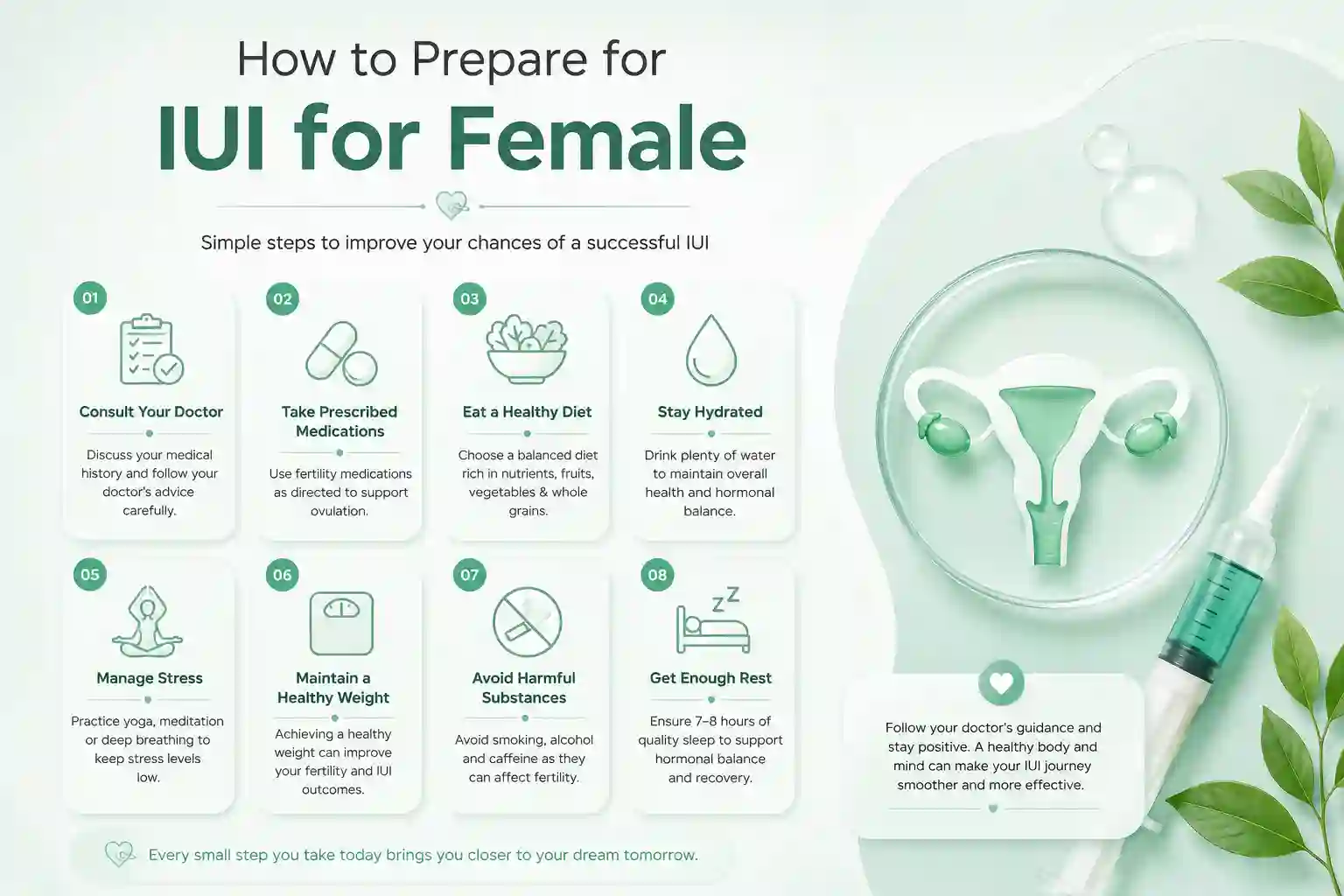
- Continue medications exactly as prescribed.
- Avoid testing for pregnancy too early.
- Stay hydrated.
- Eat a balanced diet.
- Maintain light daily activities unless advised otherwise.
- Avoid comparing your symptoms with others.
- Contact your fertility clinic if you develop severe pain, heavy bleeding, or other concerning symptoms.
Every fertility journey is unique, and symptom patterns vary widely.
When to See a Fertility Specialist
Contact your fertility specialist if you experience:
- Severe abdominal pain
- Heavy vaginal bleeding
- Fever
- Difficulty breathing
- Persistent vomiting
- Symptoms of ovarian hyperstimulation syndrome (OHSS), such as significant abdominal swelling or rapid weight gain
Also contact your clinic if you are unsure about medication instructions or pregnancy testing.
Understanding IUI success symptoms day by day can help you navigate the emotional and physical changes during the two-week wait. While mild cramping, fatigue, breast tenderness, or implantation spotting may occur in some pregnancies, these symptoms are not reliable indicators of success. Many women with successful IUI cycles experience few or no symptoms before their pregnancy test. The most accurate way to confirm pregnancy is to follow your fertility specialist’s advice and take a blood or home pregnancy test at the recommended time.
FAQs About IUI Success Symptoms Day by Day
1. What are the earliest IUI success symptoms?
Some women notice mild cramping, fatigue, breast tenderness, or light spotting after implantation, while others experience no early symptoms.
2. Can I tell if my IUI worked after a few days?
No. Symptoms during the first few days are not reliable indicators of pregnancy. Fertility medications and natural hormonal changes can produce similar sensations.
3. Is implantation bleeding common after IUI?
Some pregnancies may involve light implantation spotting, but many healthy pregnancies occur without any bleeding.
4. When should I take a pregnancy test after IUI?
Most fertility specialists recommend waiting about 14 days after IUI before taking a pregnancy test to improve accuracy.
5. Is it normal to have no symptoms after IUI?
Yes. Many women who become pregnant after IUI have no noticeable symptoms before a positive pregnancy test.
6. Can fertility medications cause pregnancy-like symptoms?
Yes. Progesterone and ovulation-inducing medications commonly cause symptoms such as breast tenderness, bloating, fatigue, and mood changes.
7. What symptoms should prompt me to contact my fertility clinic?
Seek medical advice if you develop severe abdominal pain, heavy bleeding, fever, difficulty breathing, persistent vomiting, or signs of ovarian hyperstimulation syndrome (OHSS).