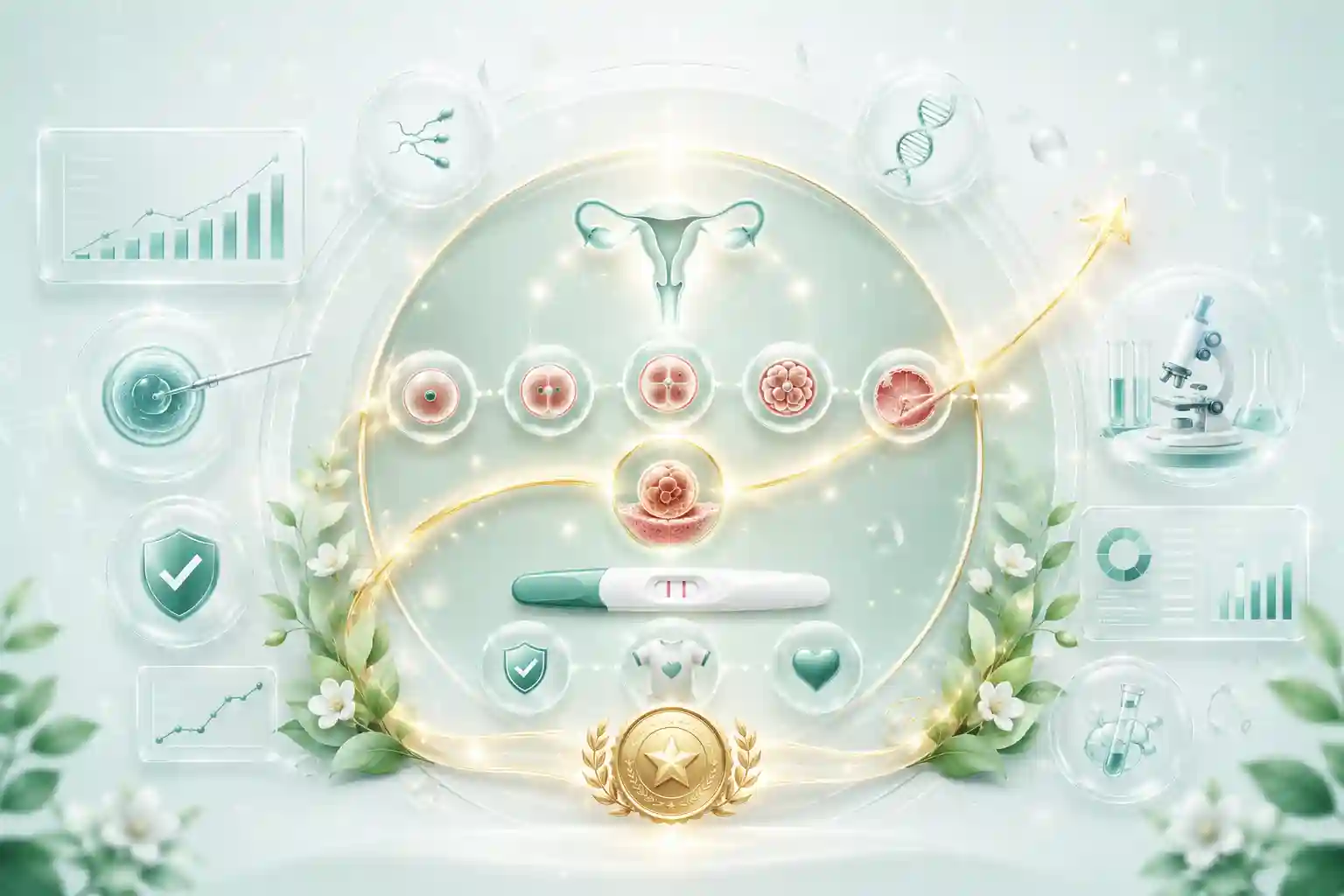
Searching for IUI success stories is something many people do after starting fertility treatment. Reading about others who have achieved pregnancy through intrauterine insemination (IUI) can provide reassurance, hope, and a better understanding of what to expect.
However, it’s important to remember that every fertility journey is unique. Some people conceive during their first IUI cycle, while others may need several treatment cycles or a different fertility approach. The experiences shared by others can be encouraging, but they should not be viewed as predictions of your own outcome.
This guide explores common themes found in IUI success stories, the factors that contribute to successful treatment, and how to stay informed and emotionally supported throughout your fertility journey.
What Are IUI Success Stories?
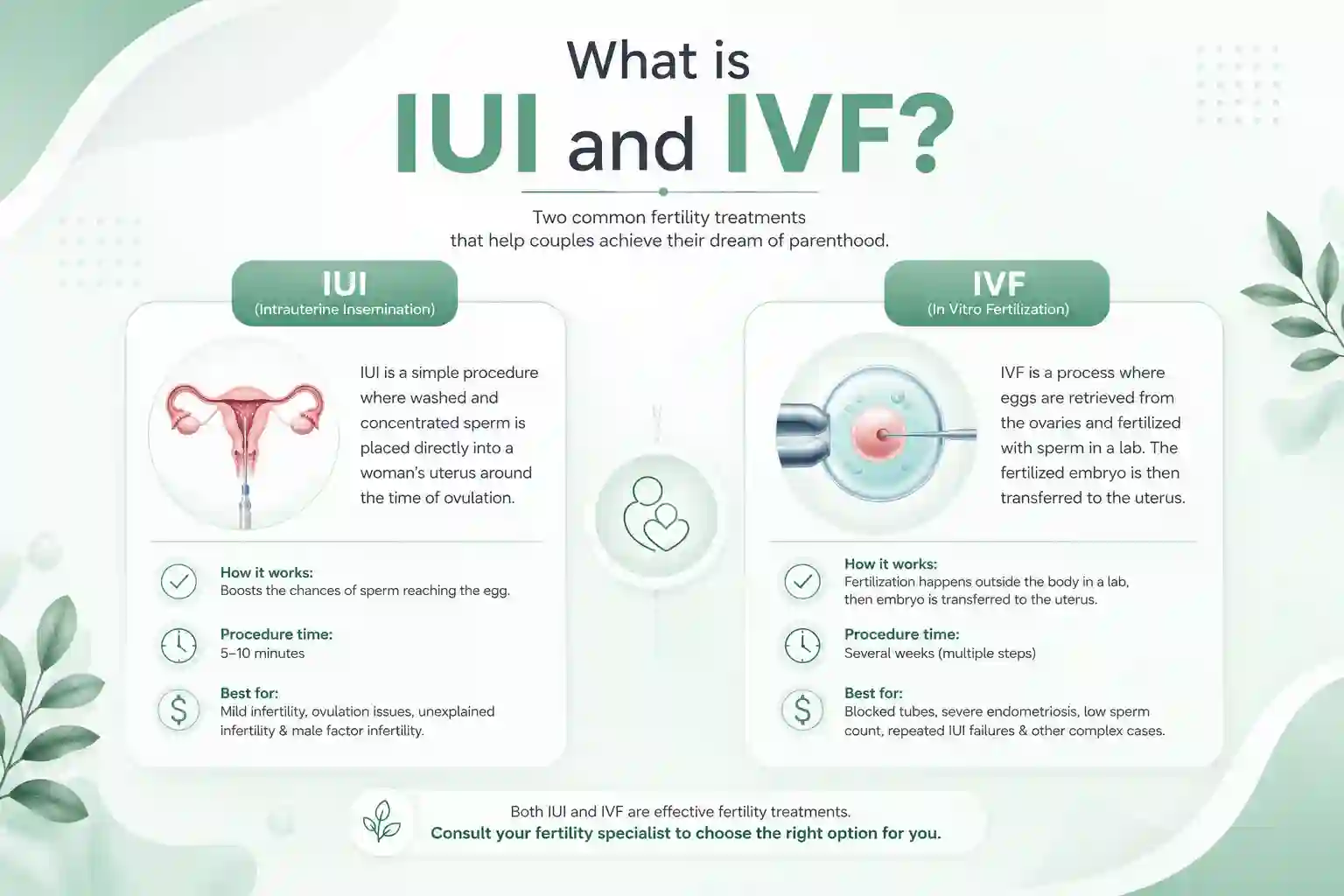
IUI success stories are personal experiences shared by individuals or couples who became pregnant after undergoing intrauterine insemination.
These stories often describe:
- The reason IUI was recommended
- Fertility testing and diagnosis
- Emotional challenges
- The treatment process
- The number of IUI cycles required
- Pregnancy confirmation
- Lessons learned during the journey
While every story is different, they often highlight the importance of patience, medical guidance, and individualized treatment.
Why Are IUI Success Stories Important?
Reading IUI success stories can help patients feel less alone during fertility treatment.
They may provide:
- Emotional encouragement
- A better understanding of the treatment process
- Realistic expectations
- Confidence to ask informed questions
- Motivation to continue recommended treatment
However, success stories should complement—not replace—medical advice from your fertility specialist.
How Does IUI Work?
Understanding the IUI process helps explain why outcomes differ from person to person.
Step 1: Fertility Evaluation
Your fertility specialist evaluates factors such as:
- Medical history
- Hormone levels
- Ovulation
- Semen analysis
- Fallopian tube health
Step 2: Ovulation Monitoring
The fertile window is identified through natural cycle tracking or fertility medications.
Step 3: Sperm Preparation
A semen sample is processed through sperm washing to concentrate healthy, motile sperm.
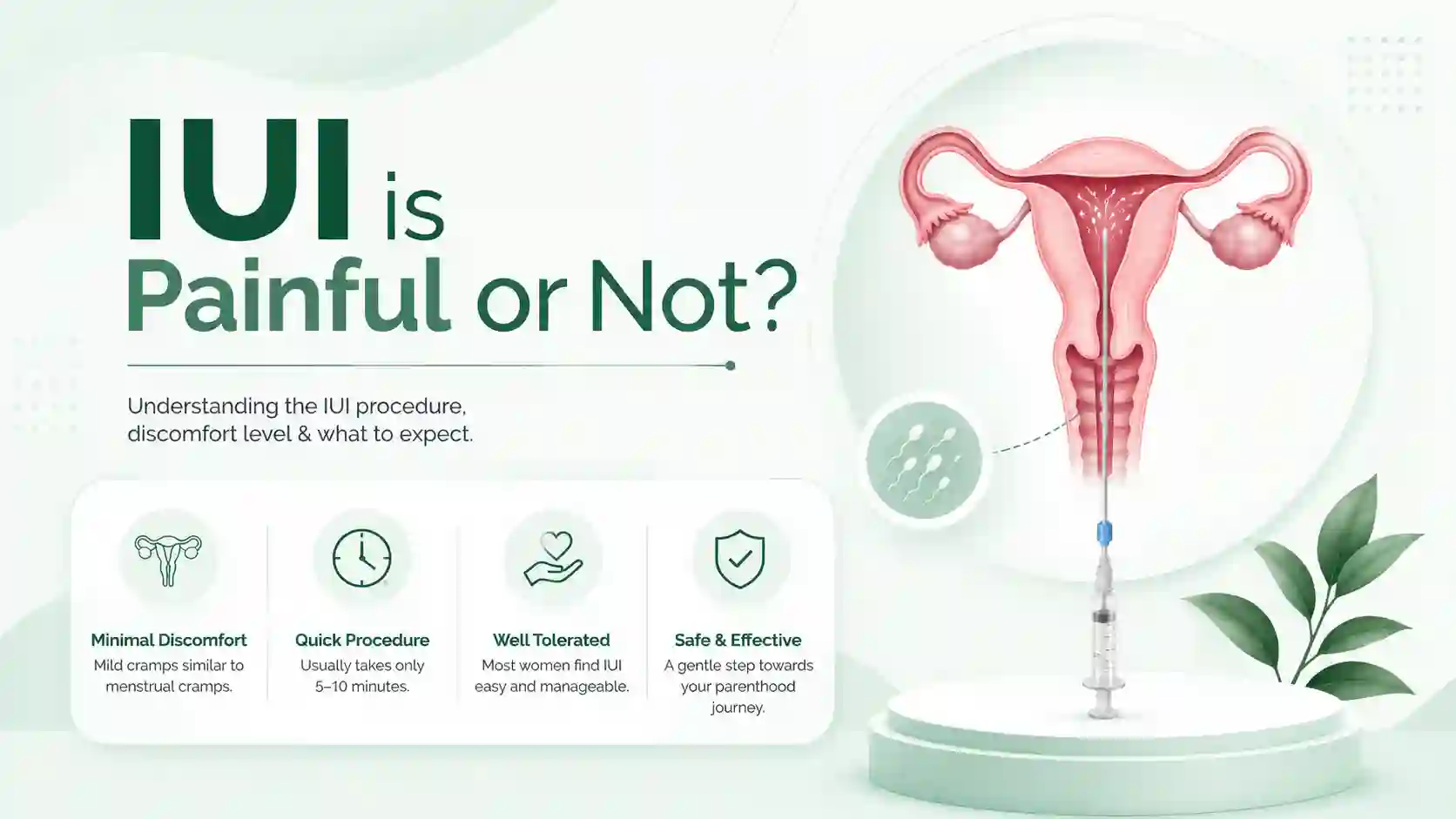
Step 4: Insemination
Prepared sperm is placed directly into the uterus using a thin catheter.
Step 5: Pregnancy Testing
A pregnancy test is usually performed about two weeks after the procedure.
Every successful IUI story begins with careful timing and individualized medical care.
Common Themes in IUI Success Stories
Although every experience is unique, many successful patients describe similar themes.
Patience During Multiple Cycles
Some people become pregnant after the first IUI cycle, while others require several attempts before achieving success.
Careful Ovulation Timing
Many successful treatments involve close monitoring to ensure insemination occurs during the most fertile period.
Following Medical Advice
Patients often emphasize the importance of:
- Taking medications as prescribed
- Attending monitoring appointments
- Following post-procedure instructions
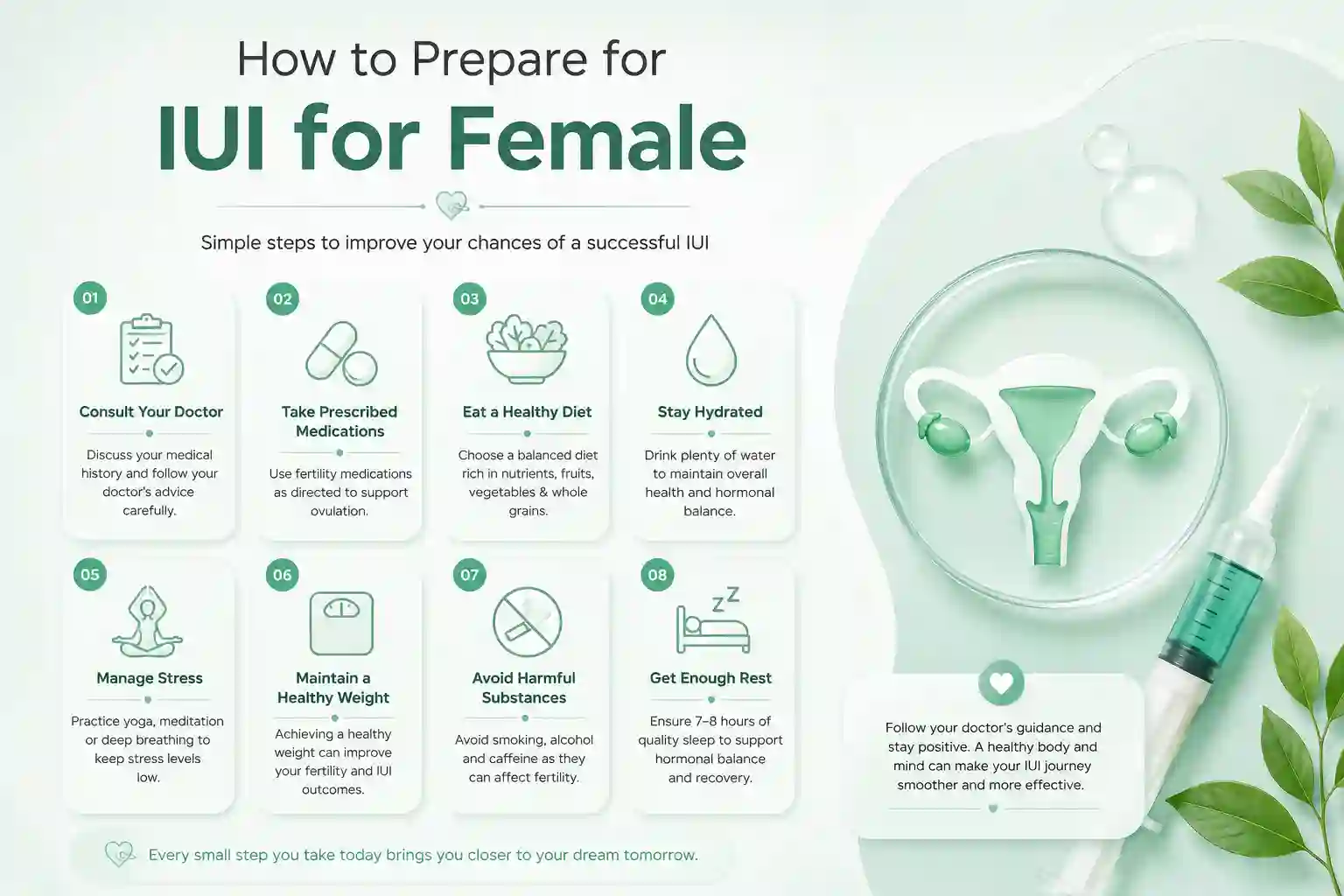
Healthy Lifestyle Choices
Many people focus on:
- Eating a balanced diet
- Maintaining a healthy weight
- Getting adequate sleep
- Avoiding smoking
- Limiting alcohol
- Managing stress
While these habits cannot guarantee pregnancy, they support overall reproductive health.
Emotional Support
Support from partners, family members, counselors, or fertility support groups is frequently mentioned as an important part of the journey.
Benefits of IUI
For appropriate candidates, IUI offers several advantages.
Benefits include:
- Minimally invasive procedure
- No surgery required
- Lower cost than IVF
- Short outpatient treatment
- Minimal recovery time
- Can be combined with fertility medications
- Effective for selected fertility conditions
These advantages make IUI a common first-line fertility treatment.
Risks, Side Effects, or Limitations
Although many IUI success stories have positive outcomes, it is important to understand the limitations.
Possible side effects include:
- Mild cramping
- Light spotting
- Temporary pelvic discomfort
Potential risks include:
- Multiple pregnancy when fertility medications are used
- Rare infection
- Ovarian Hyperstimulation Syndrome (OHSS), though uncommon
- Unsuccessful treatment cycles
An unsuccessful IUI cycle does not necessarily mean future treatment will be unsuccessful.
Factors That Influence IUI Success
Several medical factors contribute more to success than luck.
Female Age
Age significantly affects egg quality and ovarian reserve.
Cause of Infertility
IUI is often most effective for:
- Unexplained infertility
- Mild male factor infertility
- Ovulation disorders
- Cervical factor infertility
Sperm Quality
Healthy sperm count, motility, and morphology improve fertilization chances.
Ovulation Timing
Accurate timing is one of the most important factors in successful treatment.
Fallopian Tube Health
At least one healthy, open fallopian tube is usually necessary for IUI to be effective.
Emotional & Patient Perspective
Many IUI success stories describe an emotional journey filled with both hope and uncertainty.
Patients commonly experience:
- Optimism before treatment
- Anxiety during the two-week wait
- Disappointment after unsuccessful cycles
- Joy when pregnancy is confirmed
It’s important to remember that your journey does not need to look like someone else’s. Comparing timelines or outcomes can create unnecessary stress.
Tips Inspired by IUI Success Stories
Many successful patients recommend:
- Starting fertility evaluation early.
- Asking questions during every appointment.
- Following medication schedules carefully.
- Maintaining realistic expectations.
- Taking care of your emotional well-being.
- Building a strong support system.
- Trusting your fertility specialist’s recommendations.
These habits cannot guarantee success but can help you feel more prepared throughout treatment.
When to See a Fertility Specialist
Consult a fertility specialist if:
- You are under 35 and have been trying to conceive for one year.
- You are 35 or older and have been trying for six months.
- You have irregular menstrual cycles.
- You have unexplained infertility.
- You have experienced recurrent pregnancy loss.
- You have concerns about your fertility or treatment options.
Early evaluation often provides more opportunities for effective treatment.
Reading IUI success stories can provide encouragement and valuable insight into the fertility journey, but every person’s experience is different. Success depends on factors such as age, fertility diagnosis, sperm quality, ovulation timing, and overall reproductive health—not on following someone else’s exact path. The most helpful approach is to work closely with a qualified fertility specialist, follow your personalized treatment plan, and remember that needing more than one cycle is common. With the right medical guidance and emotional support, many individuals and couples successfully achieve pregnancy through IUI.
FAQs About IUI Success Stories
1. Do IUI success stories mean I will become pregnant?
No. Success stories can provide encouragement, but every person’s fertility journey is different. Your chances depend on your individual medical circumstances.
2. Can I get pregnant during my first IUI cycle?
Yes. Some people conceive during their first cycle, while others may require multiple treatment attempts.
3. What do most IUI success stories have in common?
Many highlight careful ovulation timing, following medical advice, healthy lifestyle habits, patience, and emotional support throughout treatment.
4. Does lifestyle affect IUI success?
Maintaining a healthy lifestyle may support overall reproductive health, although it cannot guarantee pregnancy.
5. How many IUI cycles do people usually need?
The number varies. Some become pregnant after one cycle, while others may need several cycles depending on their fertility diagnosis and treatment response.
6. Should I compare my symptoms with other IUI success stories?
No. Symptoms vary greatly between individuals, and some successful pregnancies occur without noticeable early signs.
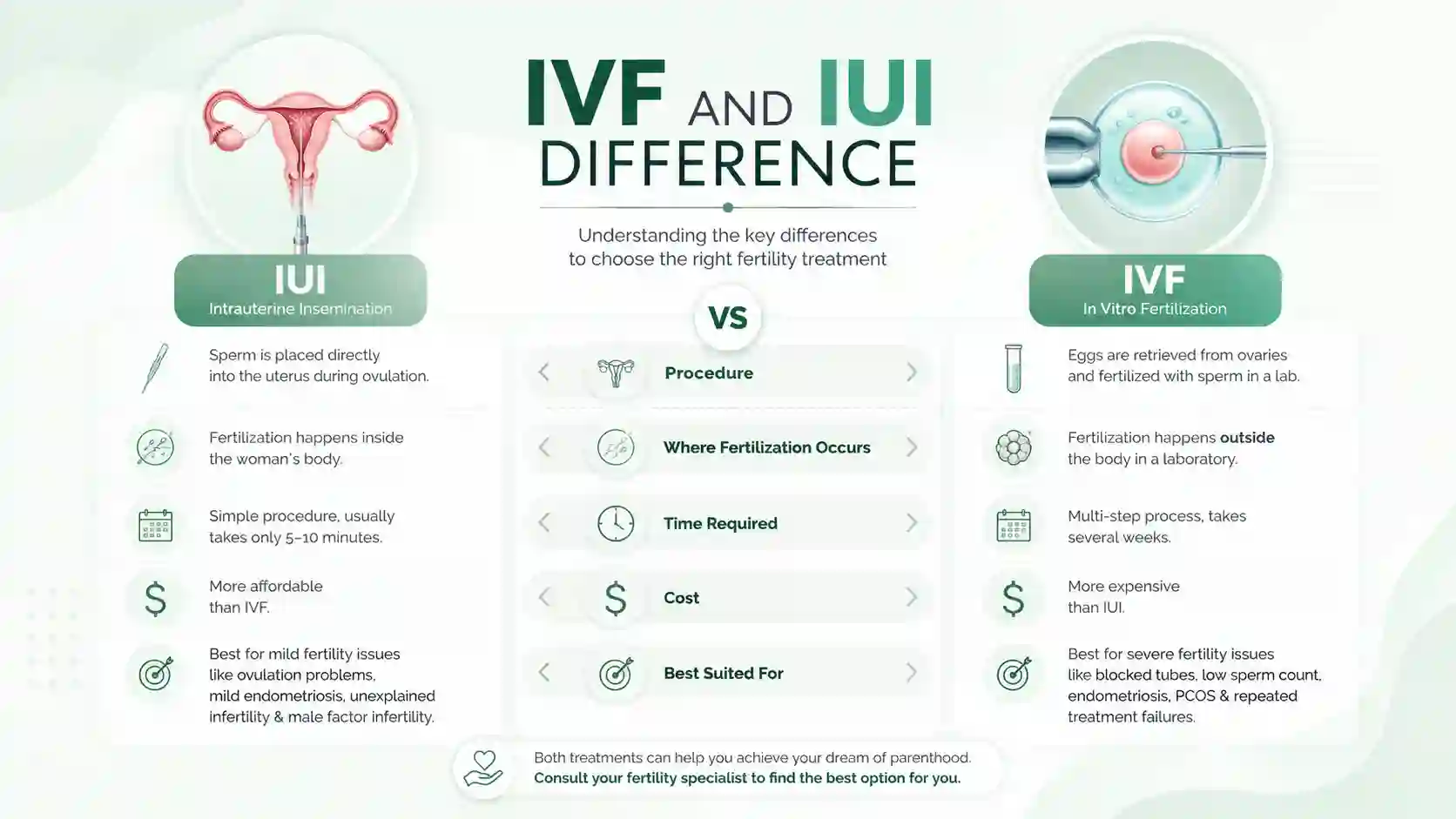
7. When should I consider another fertility treatment if IUI is unsuccessful?
If several well-timed IUI cycles are unsuccessful or if your fertility specialist identifies factors that reduce the likelihood of success, they may discuss other options, such as IVF, based on your individual situation.