One of the most important factors influencing fertility treatment outcomes is age. If you’re considering intrauterine insemination (IUI), you may be wondering about the IUI success rate by age and how it affects your chances of becoming pregnant.
While IUI is a safe and widely used fertility treatment, pregnancy rates naturally decline as a woman gets older due to changes in egg quantity and quality. However, age is only one part of the picture. Other factors such as sperm quality, ovulation timing, the cause of infertility, and overall reproductive health also play a significant role.
This guide explains the IUI success rate by age, the factors that influence treatment outcomes, and when it may be appropriate to consider other fertility treatments.
What Is IUI Success Rate by Age?
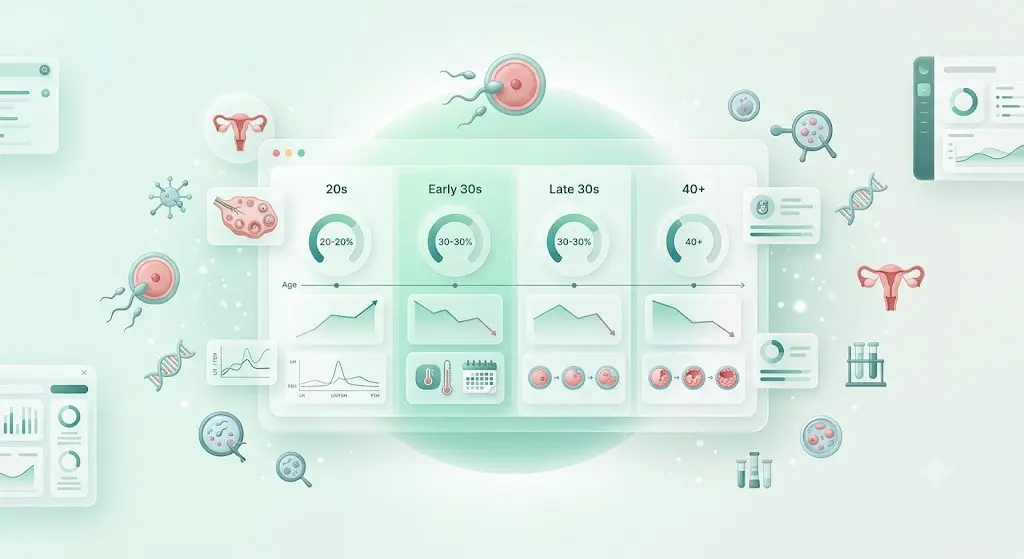
The IUI success rate by age refers to how the likelihood of pregnancy after intrauterine insemination changes as a woman gets older.
Generally:
- Women under 35 years of age tend to have the highest chance of pregnancy.
- Pregnancy rates gradually decline after age 35.
- The decline becomes more noticeable after age 40 because egg quality and ovarian reserve decrease naturally.
Every individual is different, so age should always be considered alongside other fertility factors rather than as the only predictor of success.
Why Is Age Important in IUI Success?
Age has a direct impact on female fertility because it affects:
- Egg quality
- Egg quantity (ovarian reserve)
- Chromosomal health of eggs
- Implantation potential
- Miscarriage risk
Although male fertility can also influence treatment outcomes, female age is one of the strongest predictors of IUI success.
Understanding the IUI success rate by age helps patients choose the most appropriate fertility treatment and avoid unnecessary delays.
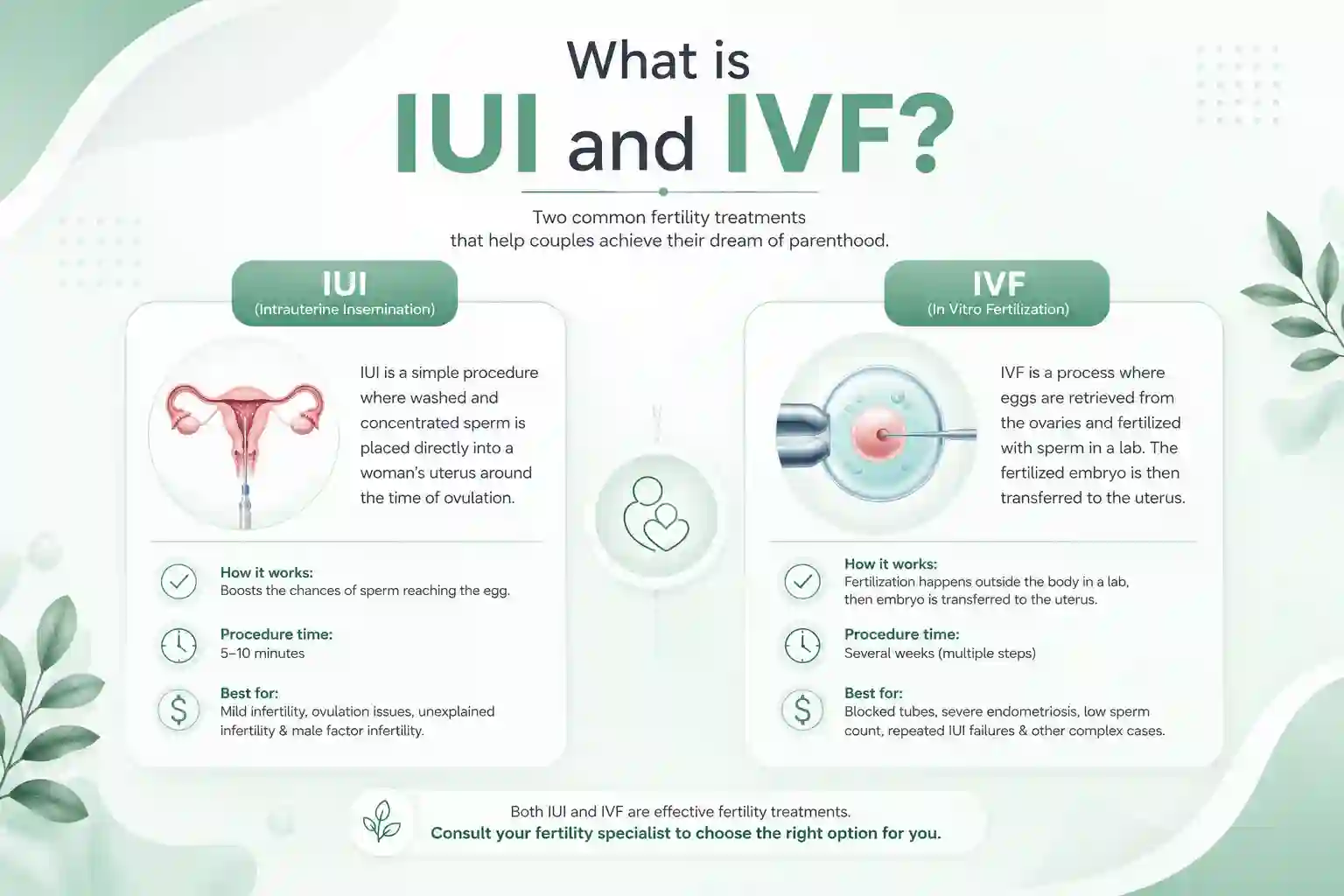
How Does IUI Work?
The IUI procedure follows several carefully timed steps.
Step 1: Fertility Assessment
Your fertility specialist evaluates both partners through:
- Medical history review
- Hormone blood tests
- Pelvic ultrasound
- Ovulation assessment
- Semen analysis
- Fallopian tube evaluation when appropriate
Step 2: Ovulation Monitoring
Ovulation is monitored naturally or with fertility medications to identify the most fertile time.
Step 3: Sperm Preparation
The semen sample undergoes sperm washing to separate healthy, motile sperm from seminal fluid.
Step 4: Insemination
Prepared sperm is placed directly into the uterus using a thin catheter during ovulation.
Step 5: Pregnancy Testing
A pregnancy test is usually performed approximately 14 days after IUI.
Typical IUI Success Rate by Age
Although success varies from person to person, age-related trends are well recognized.
Under 35 Years
Women under 35 generally have the highest likelihood of pregnancy because:
- Egg quality is typically better.
- Ovarian reserve is usually higher.
- Implantation rates tend to be more favorable.
Age 35–37
Pregnancy chances remain good for many women, although success may begin to decline gradually.
Age 38–40
Success rates generally decrease further due to age-related changes in egg quality and ovarian reserve.
Your fertility specialist may discuss whether multiple IUI cycles or IVF would be more appropriate depending on your fertility evaluation.
Over 40 Years
IUI can still result in pregnancy for some women, but the chances are typically lower than in younger age groups.
Treatment recommendations are individualized based on:
- Ovarian reserve testing
- Overall reproductive health
- Cause of infertility
- Personal family-building goals
Benefits of IUI
For suitable candidates, IUI offers several advantages.
Benefits include:
- Minimally invasive treatment
- No surgery required
- Lower cost than IVF
- Quick outpatient procedure
- Minimal recovery time
- Can be combined with fertility medications
- Appropriate for several infertility conditions
For younger women with favorable fertility factors, IUI is often recommended before IVF.
Risks, Side Effects, or Limitations
Although IUI is generally safe, there are some limitations.
Possible side effects include:
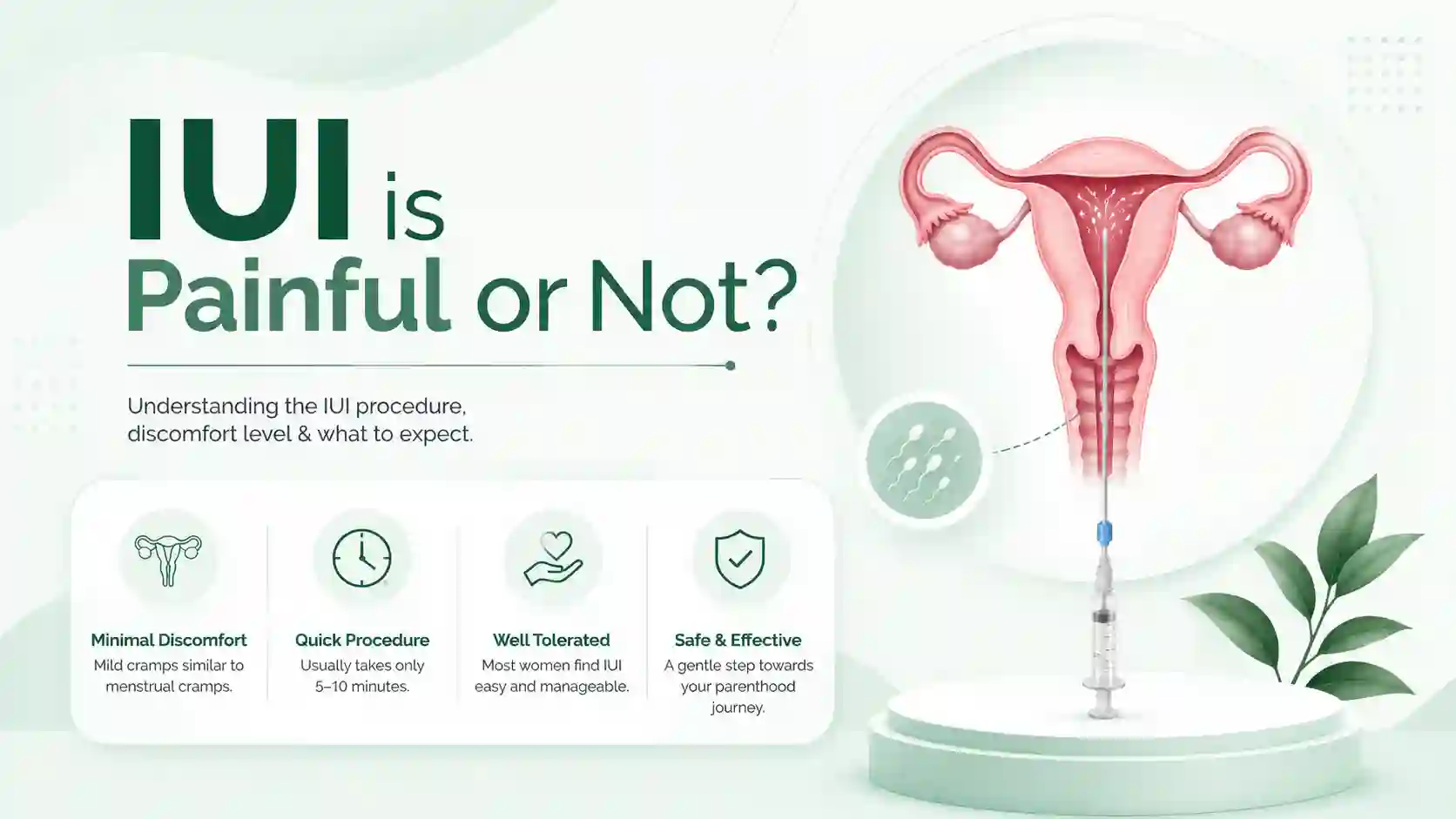
- Mild cramping
- Light spotting
- Temporary pelvic discomfort
Potential risks include:
- Multiple pregnancy when fertility medications are used
- Rare infection
- Ovarian Hyperstimulation Syndrome (OHSS), though uncommon
- Unsuccessful treatment cycle
Age-related decline in egg quality cannot be overcome by the IUI procedure itself.
Factors Affecting IUI Success Besides Age
While age is important, several additional factors influence the likelihood of pregnancy.
Cause of Infertility
IUI tends to be most successful for:
- Unexplained infertility
- Mild male factor infertility
- Ovulation disorders
- Cervical factor infertility
Sperm Quality
Healthy sperm count, movement, and shape improve fertilization potential.
Ovulation Timing
Proper timing between ovulation and insemination is essential.
Fallopian Tube Health
At least one healthy, open fallopian tube is generally required for successful IUI.
Lifestyle Factors
Healthy habits may support fertility, including:
- Maintaining a healthy weight
- Eating a balanced diet
- Avoiding smoking
- Limiting alcohol
- Managing chronic medical conditions
Emotional & Patient Perspective
Age-related fertility concerns can be emotionally difficult.
Many patients experience:
- Anxiety about declining fertility
- Pressure to make treatment decisions quickly
- Hope during each treatment cycle
- Disappointment if pregnancy does not occur
Remember that every fertility journey is unique. A personalized treatment plan based on your overall health is more valuable than comparing yourself with average statistics.
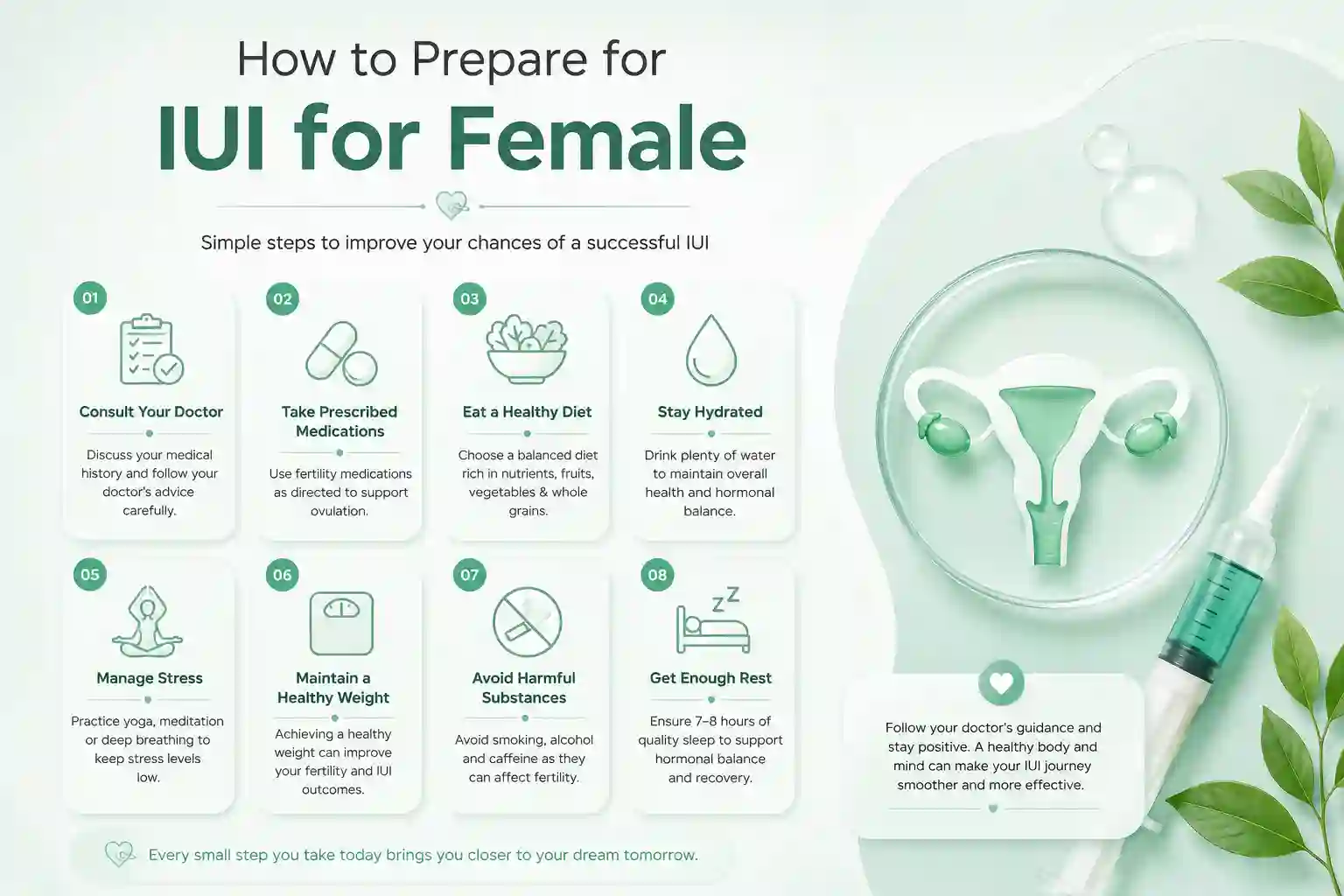
Tips to Improve Your Chances
To help optimize fertility treatment:
- Begin evaluation early if pregnancy is delayed.
- Attend all monitoring appointments.
- Follow medication instructions carefully.
- Maintain a healthy lifestyle.
- Take prenatal vitamins if recommended.
- Avoid smoking and excessive alcohol.
- Discuss your treatment timeline with your fertility specialist.
Early evaluation often provides more treatment options.
When to See a Fertility Specialist
Consult a fertility specialist if:
- You are under 35 and have been trying to conceive for one year.
- You are 35 or older and have been trying for six months.
- You have irregular menstrual cycles.
- You have known fertility concerns.
- You have experienced recurrent pregnancy loss.
- You are over 40 and planning pregnancy.
Seeking care sooner can help identify the most effective treatment strategy.
Understanding the IUI success rate by age can help you make informed decisions about fertility treatment. While younger women generally have higher pregnancy rates because of better egg quality and ovarian reserve, age is only one factor influencing success. Sperm quality, ovulation timing, reproductive health, and the underlying cause of infertility are equally important. A comprehensive fertility evaluation allows your specialist to recommend the treatment plan that offers the best chance of achieving pregnancy based on your individual circumstances.
FAQs About IUI Success Rate by Age
1. Does age affect the success rate of IUI?
Yes. Female age is one of the strongest predictors of IUI success because egg quality and ovarian reserve naturally decline over time.
2. Is IUI more successful for women under 35?
In general, women under 35 tend to have higher pregnancy rates because they usually have better egg quality and ovarian reserve than older women.
3. Can women over 40 become pregnant with IUI?
Yes, pregnancy is still possible, but the chances are generally lower than in younger women. Your fertility specialist can advise whether IUI or another treatment, such as IVF, may be more appropriate.
4. Does male age affect IUI success?
Male fertility can influence treatment outcomes, particularly through sperm quality, although female age generally has a greater impact on IUI success.
5. How many IUI cycles are usually recommended?
The number of cycles depends on your age, fertility diagnosis, and treatment response. Your fertility specialist will recommend an individualized treatment plan.
6. Can lifestyle changes improve IUI success?
Healthy lifestyle habits—including maintaining a healthy weight, eating a balanced diet, avoiding smoking, and limiting alcohol—may support overall fertility.
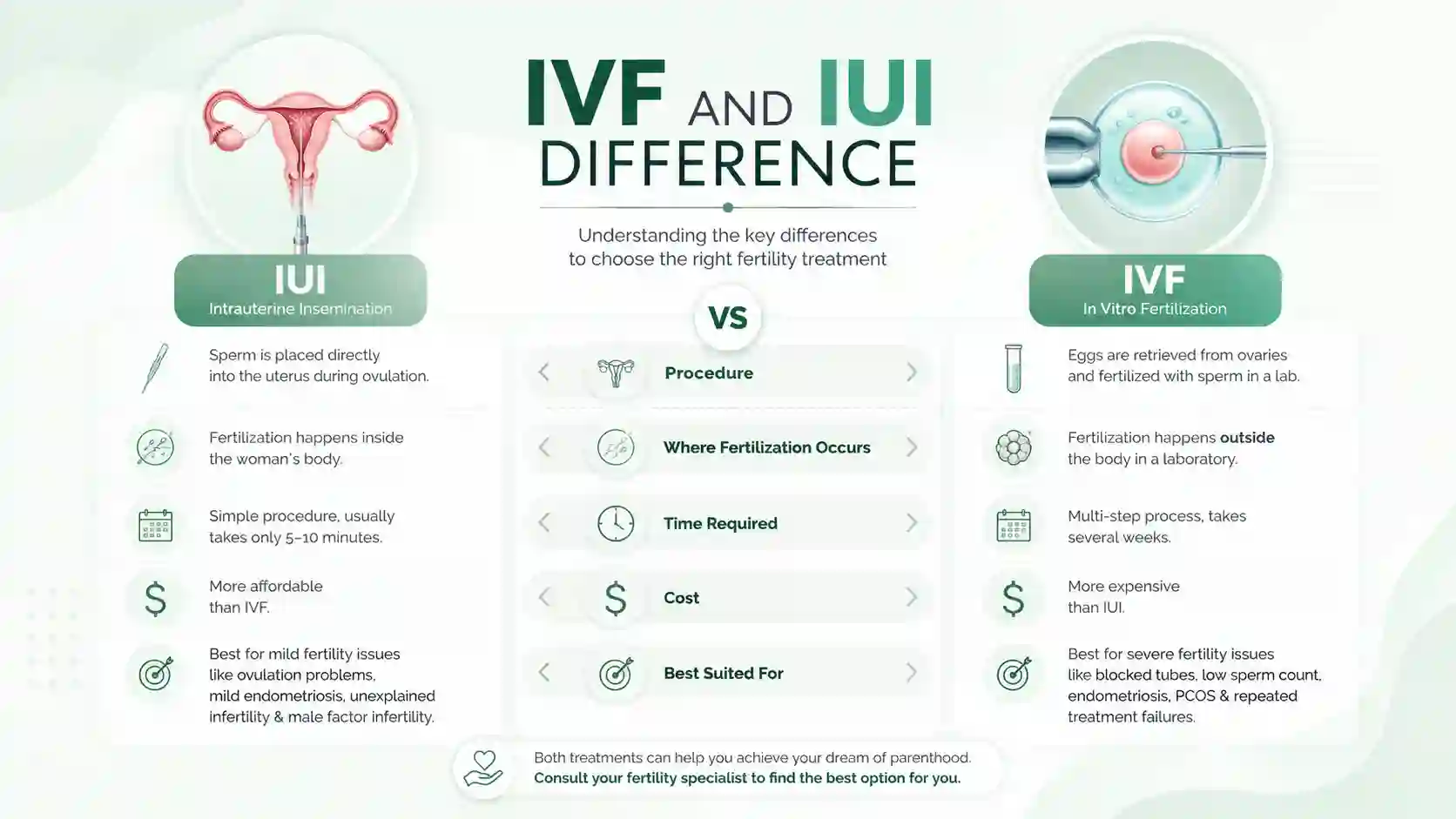
7. When should IVF be considered instead of IUI?
If several well-timed IUI cycles are unsuccessful or if you have advanced maternal age, blocked fallopian tubes, severe male factor infertility, diminished ovarian reserve, or other complex fertility conditions, your fertility specialist may recommend IVF.