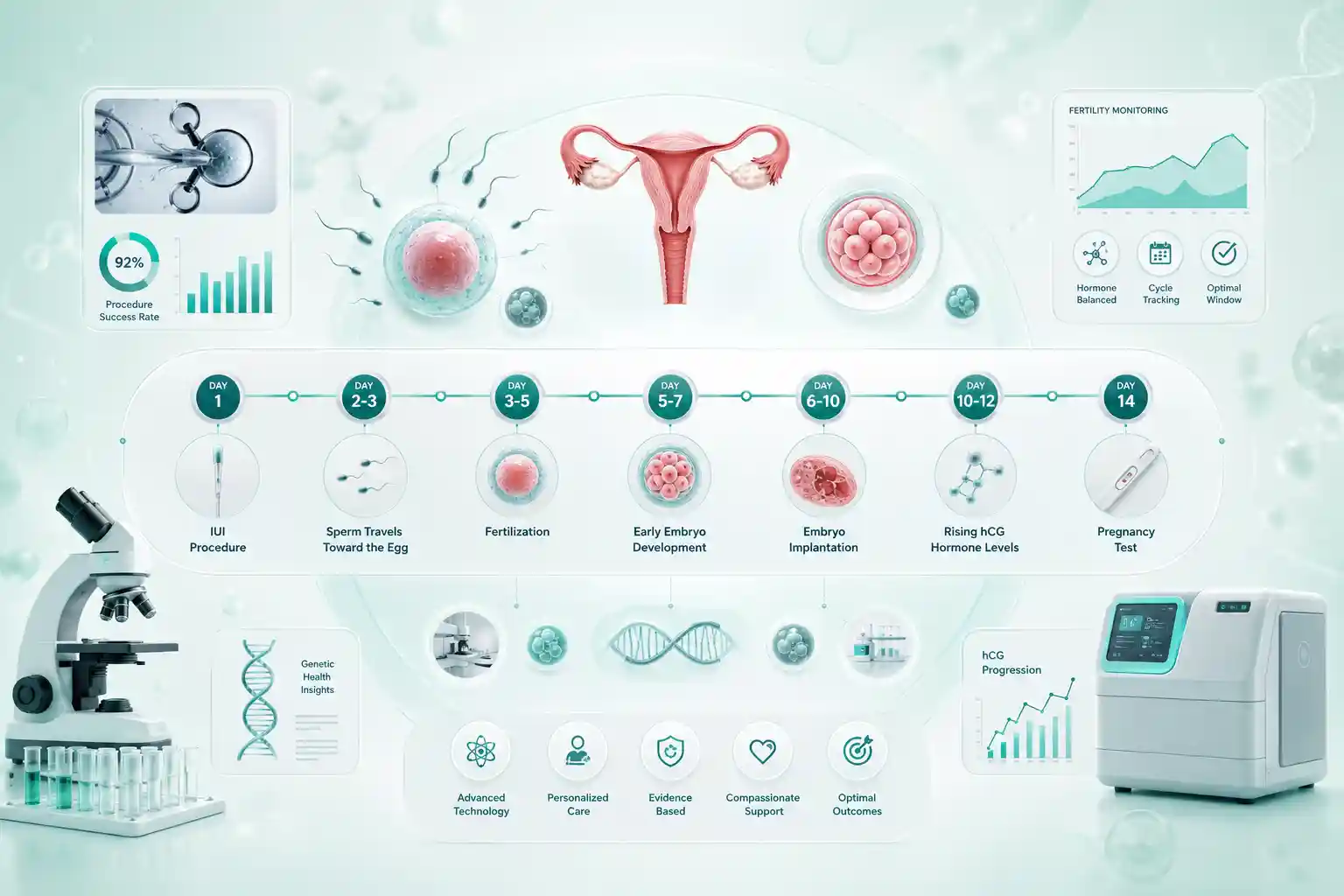
If you’re preparing for fertility treatment, understanding the IUI process day by day can help reduce anxiety and make the journey feel more predictable. Intrauterine insemination (IUI) is one of the most commonly recommended fertility treatments because it is minimally invasive, relatively quick, and often used as a first step before more advanced treatments such as IVF.
The process begins before the insemination itself, with fertility evaluation and ovulation monitoring. After the procedure, a two-week waiting period follows while fertilization, embryo development, and implantation may occur. This guide explains the IUI process day by day, helping you understand what typically happens during each stage of treatment.
What Is the IUI Process?
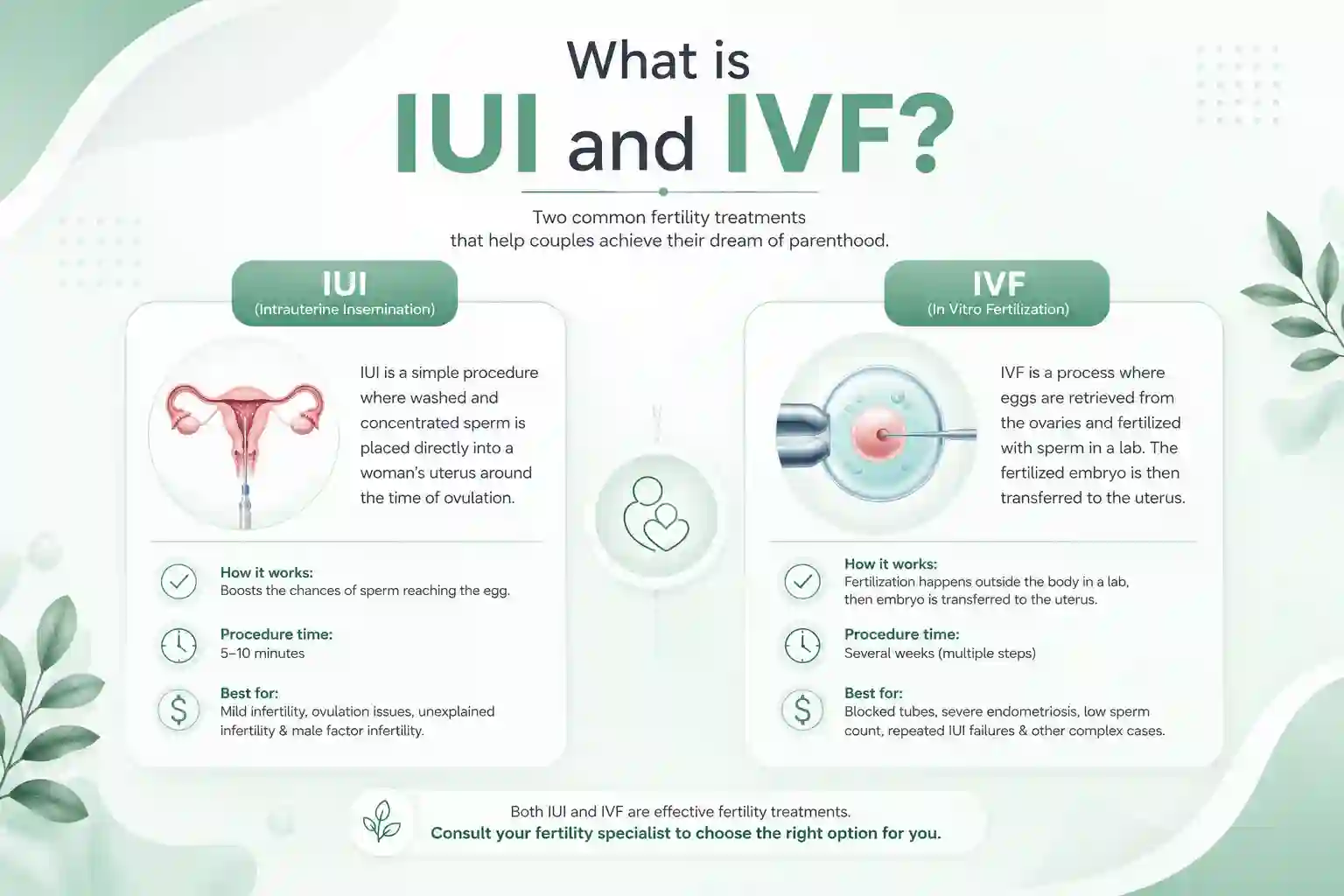
The IUI process is a fertility treatment in which specially prepared sperm is placed directly into the uterus during ovulation to improve the chances of fertilization.
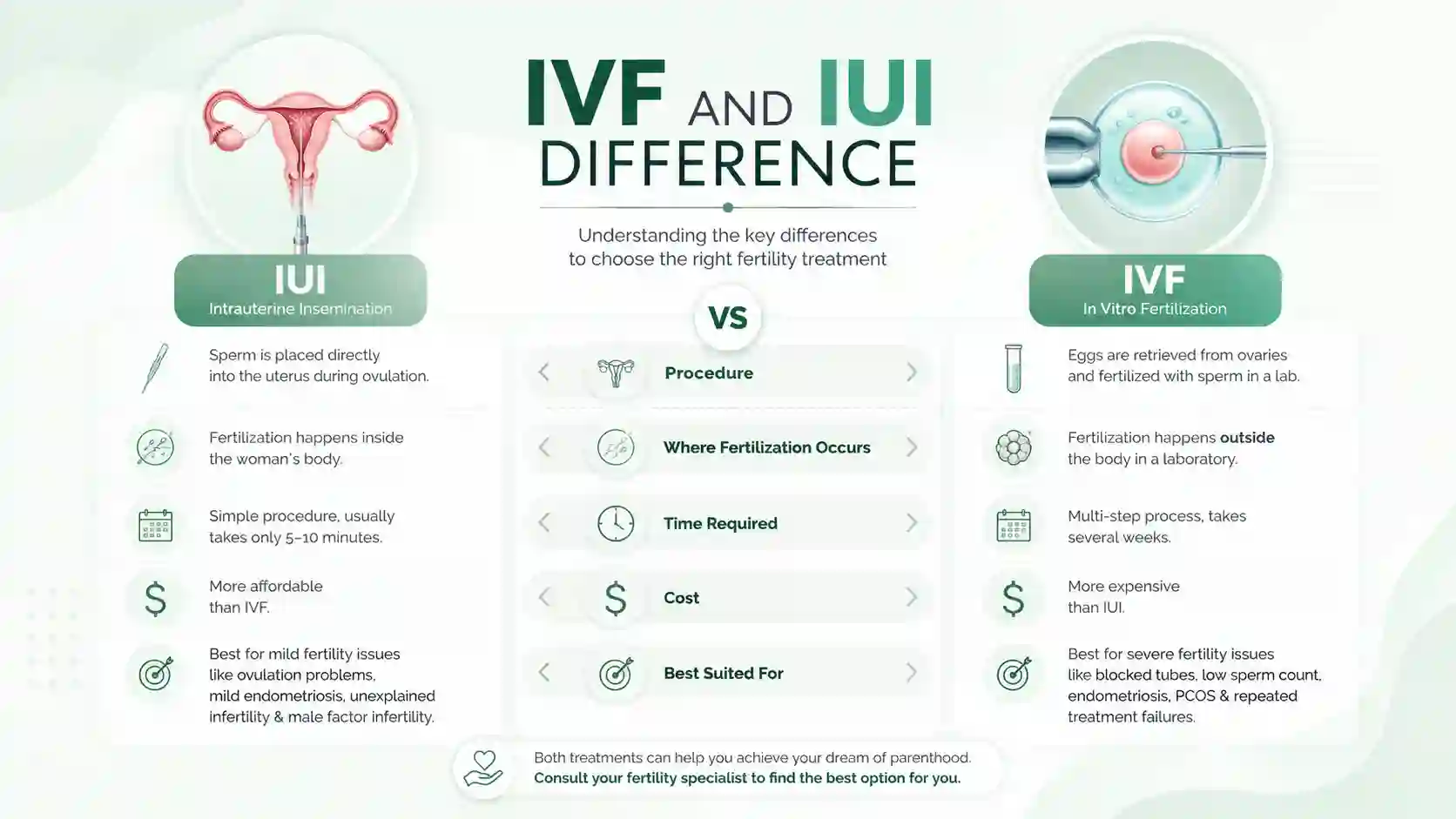
Unlike IVF, fertilization happens naturally inside the fallopian tube rather than in a laboratory.
A complete IUI cycle includes:
- Fertility evaluation
- Ovulation monitoring
- Sperm preparation
- Insemination
- Pregnancy testing
Each step is carefully timed to maximize the chance of conception.
Why Is Understanding the IUI Process Day by Day Important?
Knowing the treatment timeline can help you:
- Understand what happens during each stage.
- Prepare for appointments.
- Know what symptoms are normal.
- Reduce unnecessary stress during the two-week wait.
- Avoid taking a pregnancy test too early.
Understanding the process also helps you communicate more confidently with your fertility specialist.
IUI Process Day by Day
Before the IUI Cycle
Before treatment begins, your fertility specialist performs a fertility evaluation.
This may include:
- Medical history review
- Physical examination
- Hormone blood tests
- Pelvic ultrasound
- Ovulation assessment
- Semen analysis
- Fallopian tube evaluation
Some women begin fertility medications during this stage.
Days 1–5: Menstrual Cycle Begins
The first day of your menstrual period is considered Day 1 of the treatment cycle.
During these days:
- Baseline ultrasound may be performed.
- Hormone levels may be checked.
- Fertility medications may begin if prescribed.
Not every patient requires medication.
Days 6–10: Follicle Monitoring
Your fertility specialist monitors ovarian follicles using ultrasound.
The goals are to:
- Assess follicle growth.
- Monitor the uterine lining.
- Determine the best timing for insemination.
Some patients require more than one monitoring visit.
Days 10–14: Ovulation Timing
As the follicle matures:
- Ovulation is monitored naturally or with blood tests.
- Some patients receive a trigger injection to precisely time ovulation.
The IUI procedure is usually scheduled approximately 24–36 hours after the trigger injection, depending on your clinic’s protocol.
IUI Day
On the day of the procedure:
Step 1: Sperm Collection
A semen sample is collected.
Step 2: Sperm Washing
The laboratory processes the sample by:
- Removing seminal fluid
- Concentrating healthy sperm
- Improving sperm quality for insemination
Step 3: Insemination
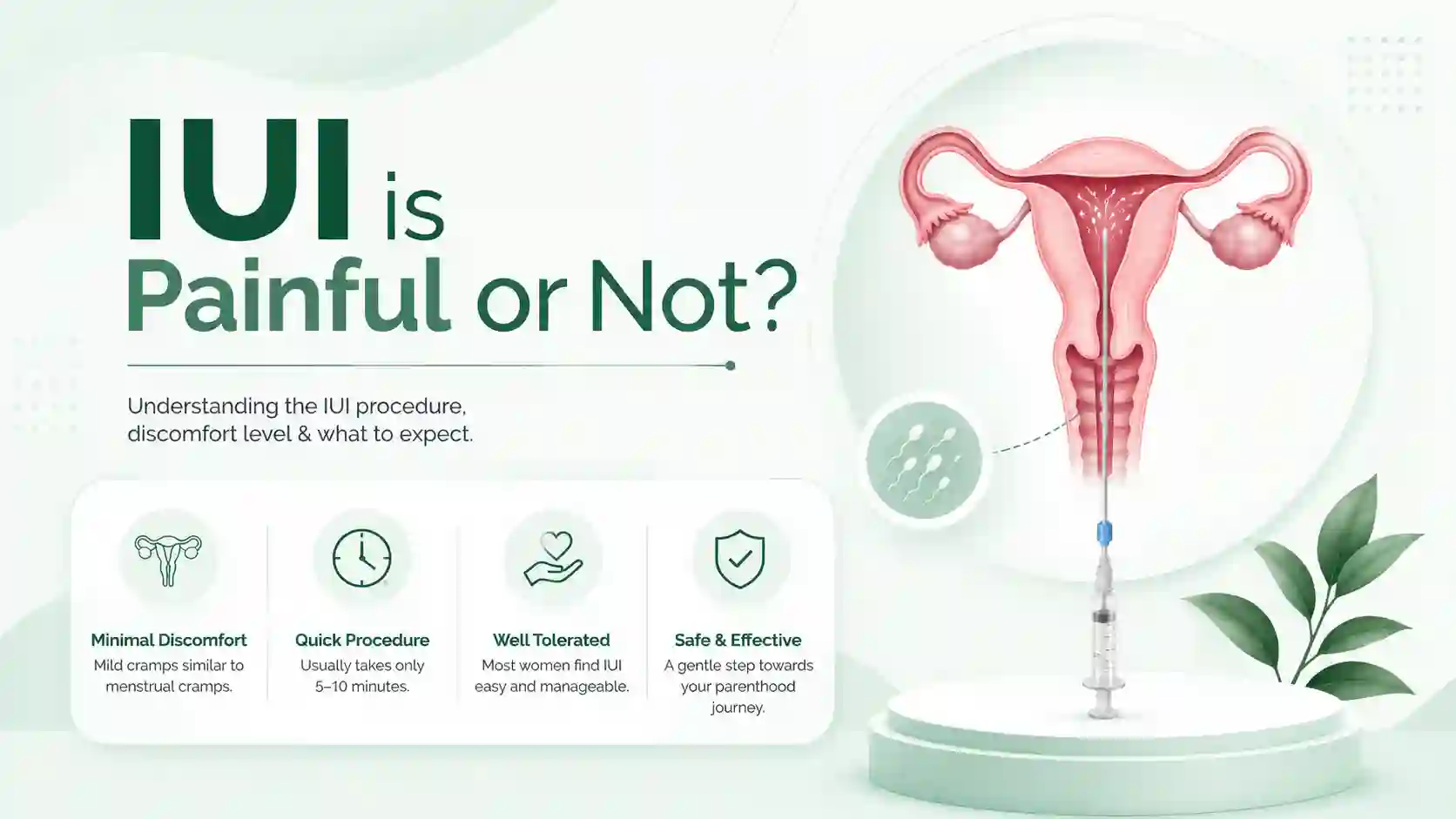
Prepared sperm is placed directly into the uterus using a thin, flexible catheter.
The procedure usually:
- Takes less than 10 minutes
- Requires no anesthesia
- Causes little or no pain
Most patients can return to normal activities afterward.
What Happens After IUI Day by Day?
Days 1–2 After IUI
- Sperm travels toward the fallopian tubes.
- Fertilization may occur if an egg is available.
- Mild cramping or spotting from the procedure is possible.
Days 3–5 After IUI
If fertilization occurs:
- The embryo begins dividing.
- It travels toward the uterus.
Most people experience few or no symptoms.
Days 6–10 After IUI
The embryo may begin implanting into the uterine lining.
Some women notice:
- Mild cramping
- Light spotting
- Fatigue
Others notice no symptoms.
Days 11–14 After IUI
If implantation has occurred:
- Pregnancy hormone (hCG) levels begin rising.
- Some early pregnancy symptoms may appear.
A pregnancy test is usually recommended around 14 days after IUI.
Benefits of Understanding the IUI Timeline
Knowing the day-by-day process can help you:
- Feel more prepared.
- Reduce anxiety.
- Understand normal physical changes.
- Avoid unnecessary early pregnancy testing.
- Follow treatment instructions more confidently.
Risks, Side Effects, or Limitations
Most patients tolerate IUI very well.
Possible side effects include:
- Mild cramping
- Light spotting
- Temporary pelvic discomfort
Potential risks include:
- Multiple pregnancy when fertility medications are used
- Rare infection
- Ovarian Hyperstimulation Syndrome (OHSS), particularly with ovarian stimulation medications
Remember that symptoms during the two-week wait do not reliably indicate whether pregnancy has occurred.
Factors Affecting IUI Success
Several factors influence treatment outcomes.
Female Age
Egg quality and ovarian reserve naturally change with age.
Sperm Quality
Healthy sperm count, motility, and morphology improve fertilization potential.
Ovulation Timing
Proper timing remains one of the most important factors for successful IUI.
Fallopian Tube Health
At least one healthy, open fallopian tube is usually required.
Underlying Fertility Diagnosis
Different fertility conditions respond differently to IUI treatment.
Emotional & Patient Perspective
The IUI process involves both physical and emotional challenges.
Many patients experience:
- Hope before treatment
- Excitement on procedure day
- Anxiety during the two-week wait
- Uncertainty before pregnancy testing
Remember that every fertility journey is unique. Some people conceive during their first IUI cycle, while others may require multiple treatment attempts.
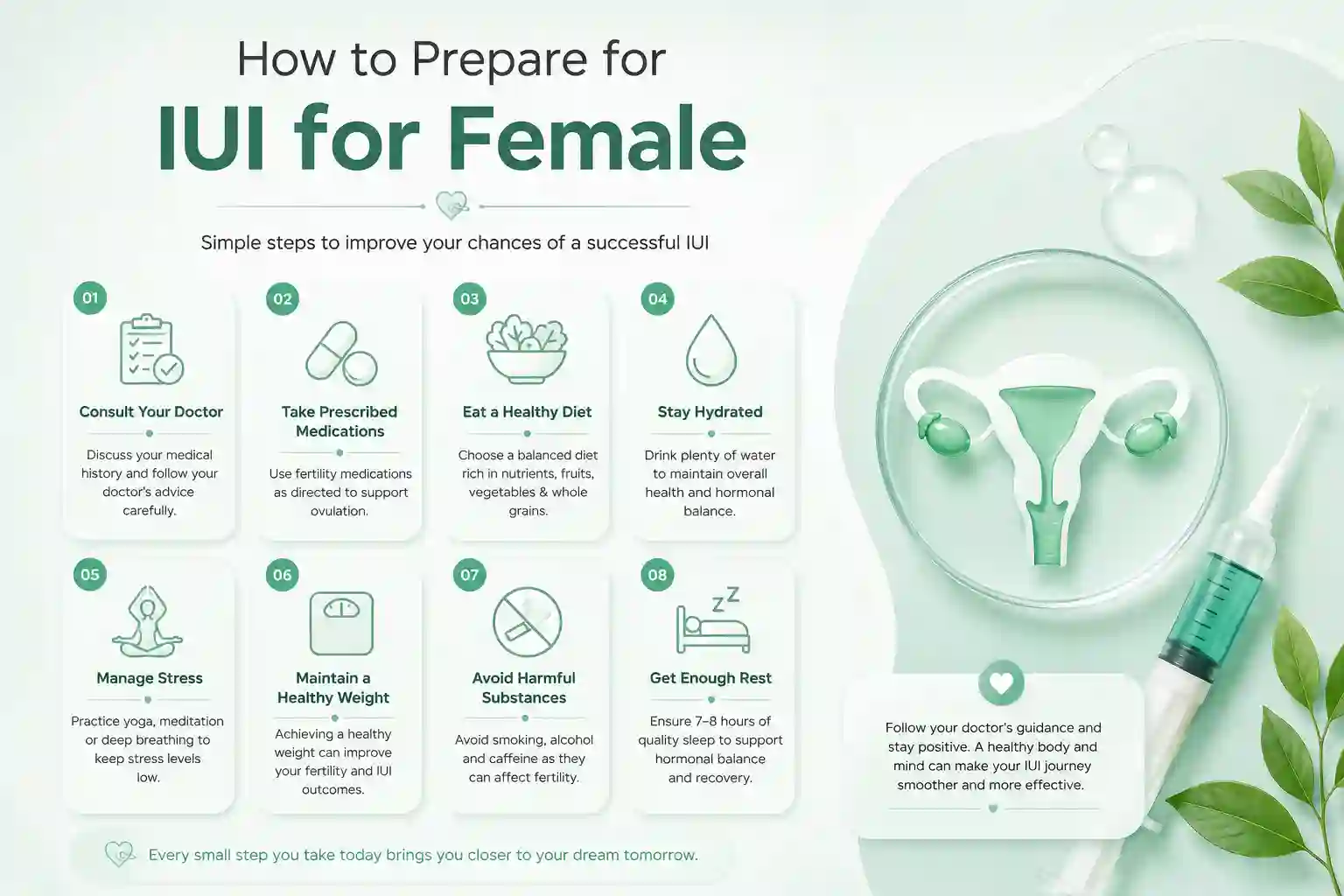
Tips During the IUI Process
To support your treatment:
- Attend all scheduled appointments.
- Take medications exactly as prescribed.
- Stay hydrated.
- Eat a balanced diet.
- Get enough sleep.
- Continue light daily activities unless advised otherwise.
- Avoid smoking and alcohol.
- Wait until the recommended testing date before taking a pregnancy test.
Following your fertility specialist’s instructions is the best way to support your treatment.
When to See a Fertility Specialist
Contact your fertility specialist if you experience:
- Severe abdominal pain
- Heavy vaginal bleeding
- Fever
- Persistent vomiting
- Difficulty breathing
- Significant abdominal swelling
- Any symptoms that concern you
Prompt medical evaluation helps identify uncommon complications.
Understanding the IUI process day by day can make fertility treatment feel less overwhelming and help you know what to expect at each stage. From fertility testing and ovulation monitoring to sperm preparation, insemination, embryo development, and pregnancy testing, every step is carefully timed to maximize the chance of conception. Mild cramping, spotting, or no symptoms at all can be normal during the two-week wait. The most important thing is to follow your fertility specialist’s guidance, attend all scheduled appointments, and wait until the recommended testing date for the most accurate pregnancy result.
FAQs About the IUI Process Day by Day
1. How long does the entire IUI process take?
A complete IUI treatment cycle usually lasts about 2–3 weeks, depending on your menstrual cycle, ovulation timing, and whether fertility medications are used.
2. What happens immediately after IUI?
After the procedure, sperm travels toward the fallopian tubes where fertilization may occur if an egg is present. Most patients can resume normal activities shortly afterward.
3. When does implantation happen after IUI?
Implantation usually occurs several days after fertilization, often during the second week after IUI, although the exact timing varies.
4. Is it normal to have no symptoms after IUI?
Yes. Many successful pregnancies occur without noticeable symptoms during the two-week wait.
5. When should I take a pregnancy test after IUI?
Most fertility specialists recommend taking a pregnancy test about 14 days after IUI for the most accurate result.
6. Can I work after the IUI procedure?
Yes. Most people can return to work and normal daily activities after the procedure unless advised otherwise by their fertility specialist.
7. When should I contact my fertility clinic?
Contact your fertility clinic if you experience severe pain, heavy bleeding, fever, significant abdominal swelling, or any symptoms that concern you after the procedure.