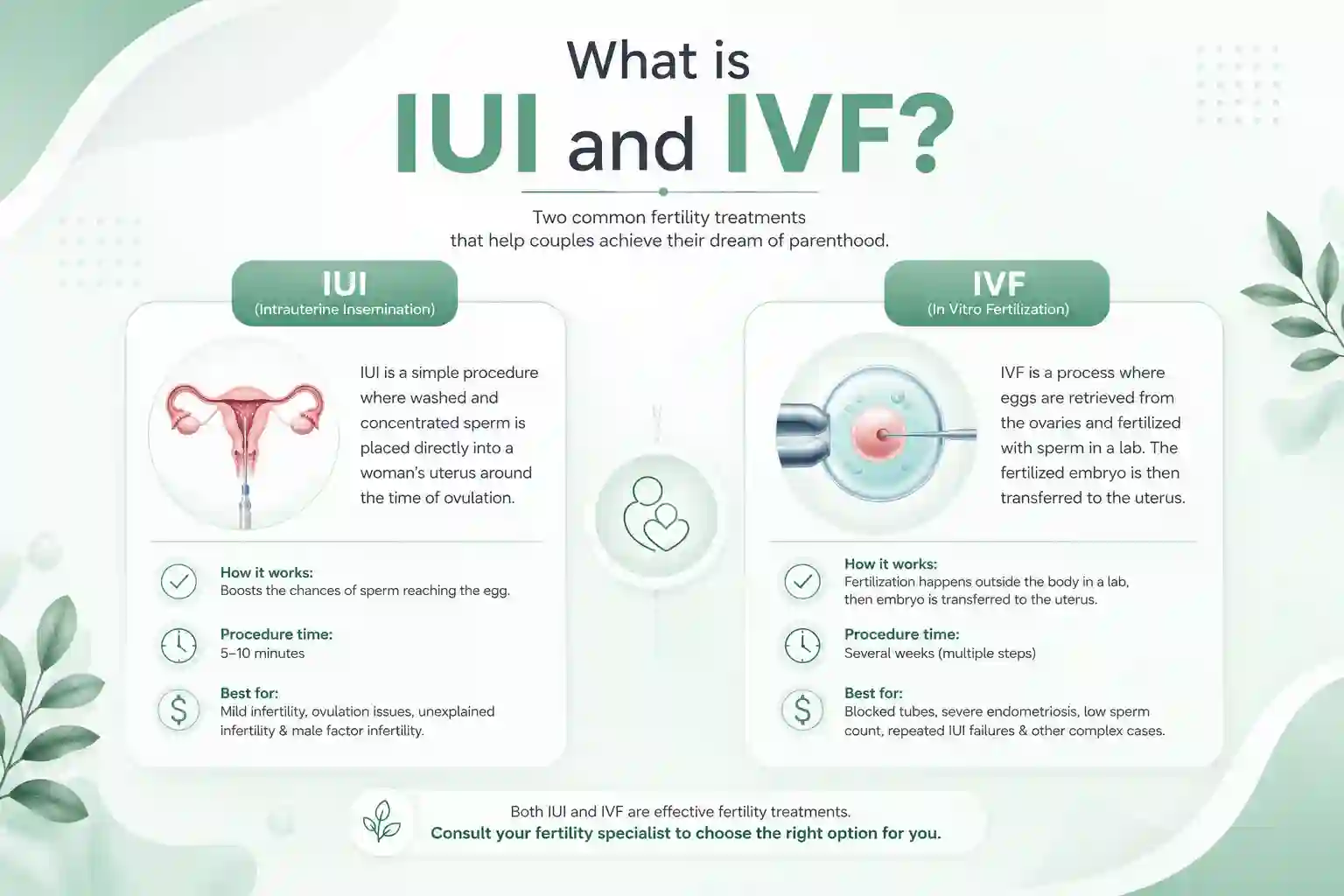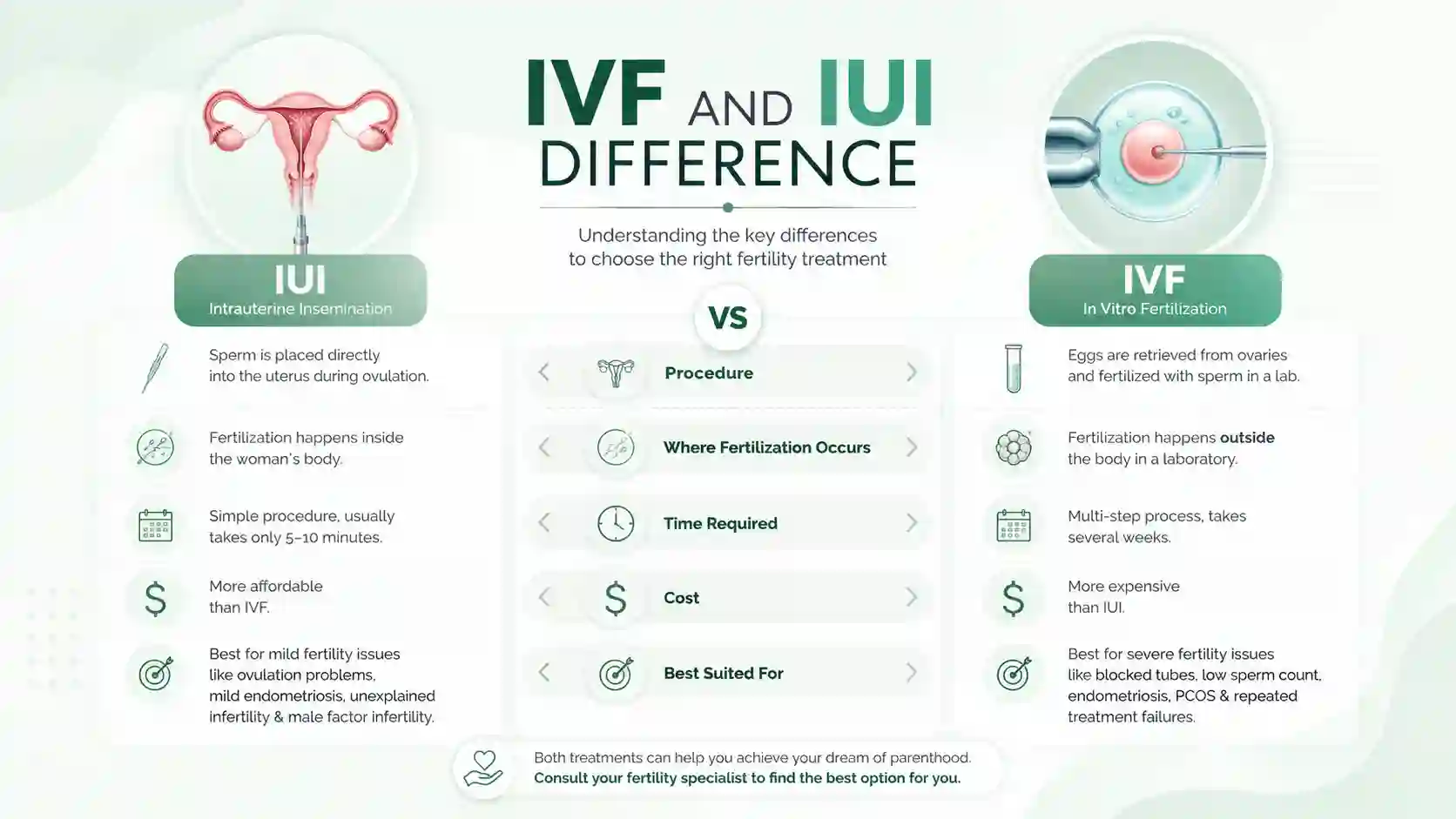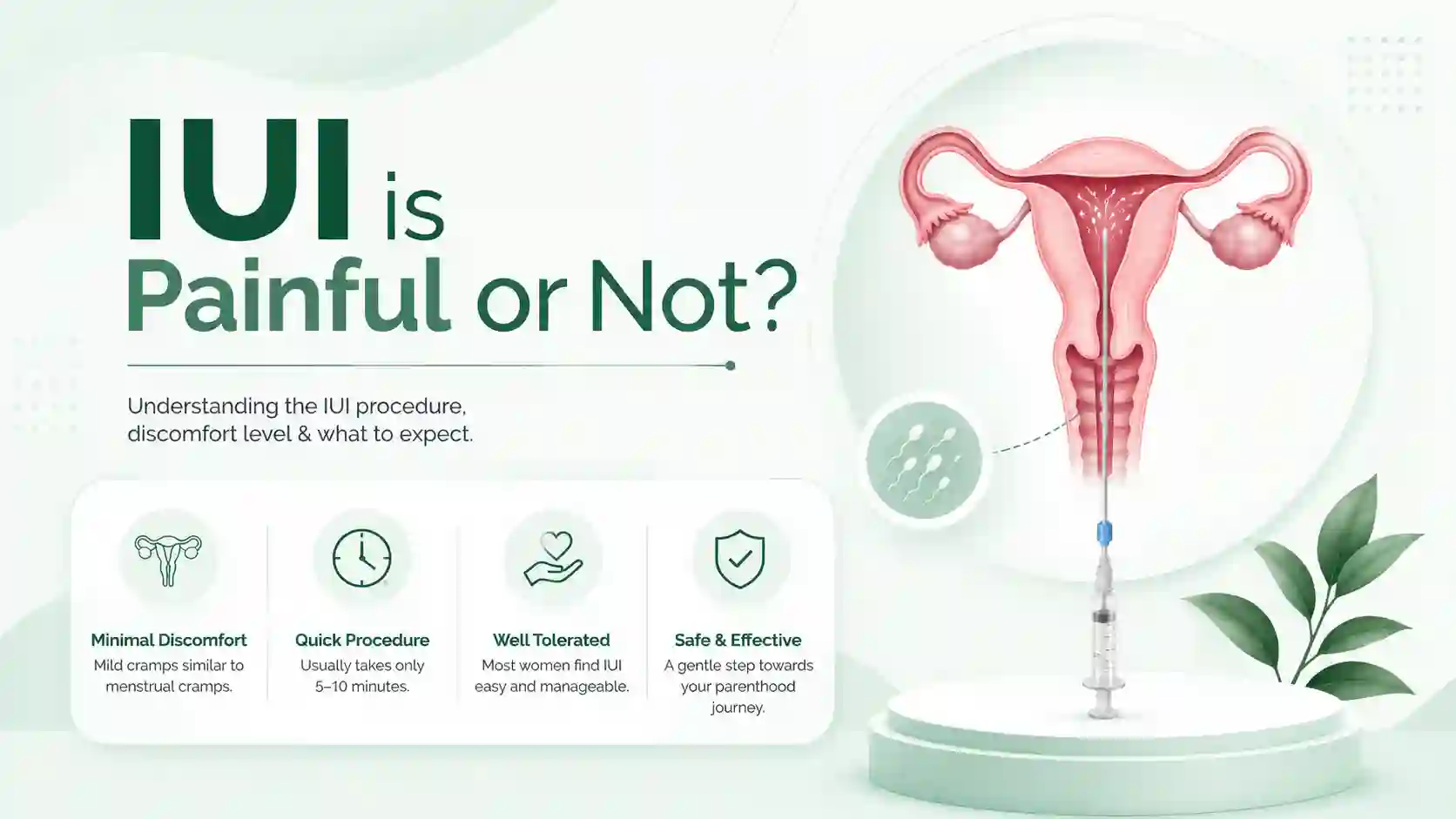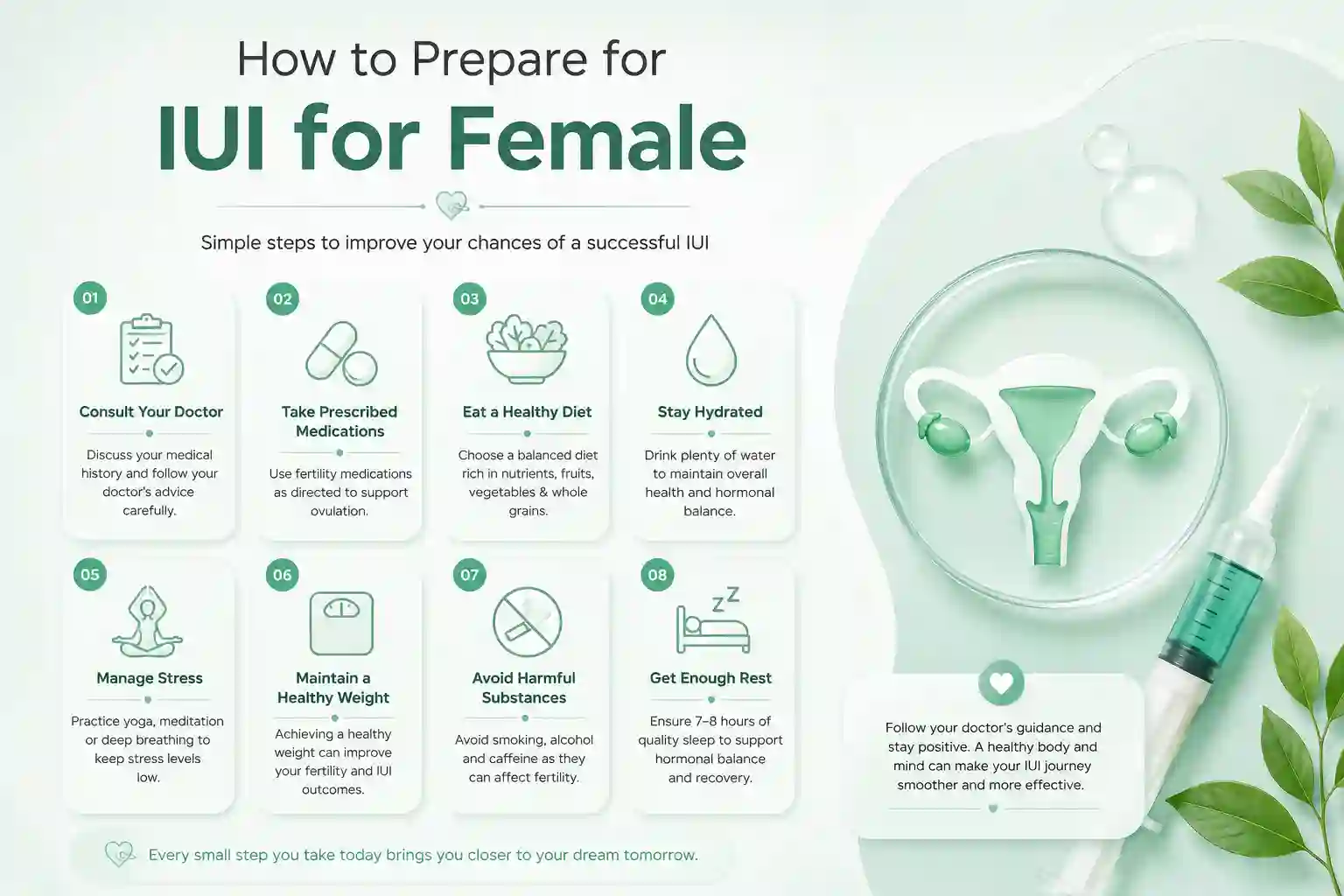
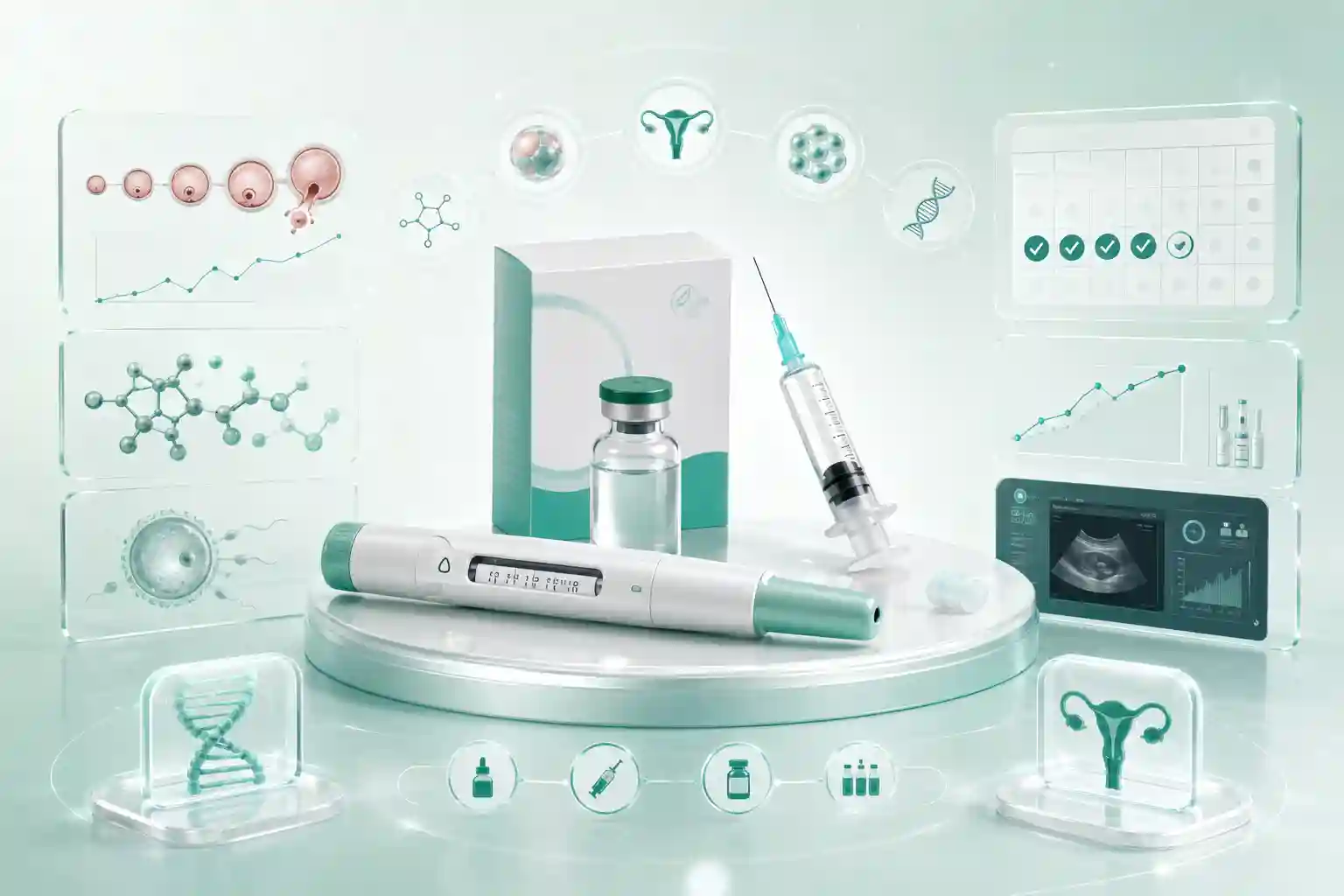
If your fertility specialist has recommended intrauterine insemination (IUI), you may also be advised to take one or more IUI injections as part of your treatment plan. Many patients wonder why these injections are necessary, how they work, and whether they improve the chances of pregnancy.
Not every IUI cycle requires injections. Some women undergo IUI during a natural menstrual cycle, while others receive injectable fertility medications to stimulate ovulation or precisely time the release of an egg. Understanding the role of an IUI injection can help you feel more prepared and confident before treatment.
What Is an IUI Injection?
An IUI injection is a fertility medication given before or during an IUI treatment cycle to help support ovulation or improve the timing of insemination.
Depending on your treatment plan, injections may be used to:
- Stimulate the ovaries to produce mature eggs.
- Trigger ovulation at a predictable time.
- Support the luteal phase after ovulation in selected cases.
The type of injection depends on your fertility diagnosis, age, ovarian reserve, and your fertility specialist’s recommendations.
Why Are IUI Injections Important?
IUI injections may improve the timing and effectiveness of treatment by helping ensure that insemination occurs when an egg is available for fertilization.
They may be recommended for people with:
- Ovulation disorders
- Irregular menstrual cycles
- Unexplained infertility
- Certain hormonal conditions
- Planned ovarian stimulation before IUI
Not everyone undergoing IUI will need injectable medications.
How Do IUI Injections Work?
The use of injections varies depending on the medication prescribed.
Step 1: Fertility Evaluation
Before treatment, your fertility specialist may perform:
- Hormone blood tests
- Pelvic ultrasound
- Ovarian reserve testing
- Ovulation assessment
- Semen analysis
- Fallopian tube evaluation
Step 2: Ovarian Stimulation (If Needed)
Some patients receive injectable fertility medications that encourage the ovaries to develop one or more mature follicles.
Your clinic monitors the response with ultrasound examinations and, in some cases, blood hormone tests.
Step 3: Trigger Injection
When the follicles are mature, a trigger injection is often given.
The trigger shot helps:
- Complete final egg maturation.
- Trigger ovulation at a predictable time.
- Allow accurate scheduling of the IUI procedure.
IUI is commonly performed about 24–36 hours after the trigger injection, depending on your clinic’s protocol.
Step 4: IUI Procedure
Specially prepared sperm is placed directly into the uterus during the fertile window.
Step 5: Pregnancy Test
A pregnancy test is usually performed around 14 days after IUI.
Common Types of IUI Injections
Several medications may be used during an IUI cycle.
Ovulation Trigger Injection
A trigger shot is used to induce ovulation once the ovarian follicles are ready.
Injectable Gonadotropins
These medications stimulate follicle development in selected patients and are carefully monitored to reduce the risk of multiple pregnancy.
Hormonal Support
Some treatment plans include medications after IUI to support the uterine lining and early pregnancy if conception occurs.
The medications used vary depending on your individual fertility needs.
Benefits of IUI Injections
When appropriately prescribed, IUI injections may provide several benefits.
These include:
- Better control over ovulation timing.
- Improved coordination between ovulation and insemination.
- Enhanced follicle development in selected patients.
- Personalized treatment based on fertility evaluation.
- Increased treatment flexibility for certain infertility conditions.
The potential benefits depend on the underlying cause of infertility and the overall treatment plan.
Risks, Side Effects, or Limitations
Like all medications, IUI injections may cause side effects.
Common side effects include:
- Mild injection-site pain or redness
- Bloating
- Breast tenderness
- Mood changes
- Mild pelvic discomfort
- Headache
Less common but more serious risks include:
- Multiple pregnancy
- Ovarian Hyperstimulation Syndrome (OHSS), particularly with ovarian stimulation medications
- Allergic reactions (rare)
Your fertility specialist will monitor your response to reduce these risks.
Cost, Timeline, and Success Factors
Cost
The cost of IUI injections depends on:
- The medication prescribed
- The dosage required
- The duration of treatment
- Monitoring visits
- Your fertility clinic
Ask your clinic for a detailed cost estimate before beginning treatment.
Timeline
A typical treatment cycle includes:
- Fertility evaluation
- Ovarian monitoring
- Injection(s) if prescribed
- Trigger shot (when indicated)
- IUI procedure
- Pregnancy test approximately two weeks later
Success Factors
Treatment success depends on many factors, including:
- Female age
- Cause of infertility
- Egg quality
- Sperm quality
- Ovulation timing
- Fallopian tube health
Injections alone do not guarantee pregnancy.
Factors Affecting Treatment Results
Several important factors influence the success of an IUI cycle.
Female Age
Egg quality and ovarian reserve naturally decline with age.
Underlying Fertility Condition
Different infertility diagnoses respond differently to ovarian stimulation and IUI.
Sperm Quality
Healthy sperm count, movement, and shape improve fertilization potential.
Ovarian Response
The number and quality of developing follicles influence treatment planning.
Lifestyle Habits
Healthy eating, maintaining a healthy weight, avoiding smoking, limiting alcohol, and managing chronic medical conditions support overall reproductive health.
Emotional & Patient Perspective
Starting fertility injections can feel intimidating, especially if you’ve never given yourself an injection before.
Common concerns include:
- Fear of needles
- Worry about side effects
- Anxiety about treatment success
- Concern about making mistakes
Most fertility clinics provide detailed instructions and demonstrate how to administer injections safely. Many patients find that the injections become easier after the first few doses.
Tips for Using IUI Injections
To help your treatment go smoothly:
- Take injections exactly as prescribed.
- Follow the schedule provided by your fertility clinic.
- Rotate injection sites if instructed.
- Attend all monitoring appointments.
- Store medications according to the manufacturer’s instructions.
- Contact your clinic if you miss a dose or have questions.
- Never change the dosage without medical advice.
When to See a Fertility Specialist
Contact your fertility clinic immediately if you experience:
- Severe abdominal pain
- Rapid abdominal swelling
- Difficulty breathing
- Heavy vaginal bleeding
- Fever
- Severe allergic reactions
- Persistent vomiting
These symptoms require prompt medical evaluation.
An IUI injection is an important part of many fertility treatment plans, helping to stimulate the ovaries, trigger ovulation, or support the menstrual cycle depending on your individual needs. While not every IUI cycle requires injections, they can improve treatment timing and may increase the likelihood of pregnancy for selected patients. Because every fertility journey is different, the type of medication, dosage, and monitoring schedule should always be determined by an experienced fertility specialist. Following your treatment plan carefully and attending all scheduled appointments can help optimize your chances of a successful outcome.
FAQs About IUI Injection
1. What is an IUI injection?
An IUI injection is a fertility medication used to stimulate ovulation, trigger egg release, or support an IUI treatment cycle, depending on the patient’s individual treatment plan.
2. Does everyone need injections for IUI?
No. Some people undergo IUI during a natural cycle, while others require fertility medications or injections based on their fertility evaluation.
3. What is a trigger injection in IUI?
A trigger injection helps complete egg maturation and induces ovulation so that the IUI procedure can be timed appropriately.
4. Are IUI injections painful?
Most people experience only mild discomfort, similar to other routine injections. Some may notice temporary redness or soreness at the injection site.
5. Can IUI injections cause side effects?
Yes. Possible side effects include bloating, breast tenderness, headache, mood changes, mild pelvic discomfort, and injection-site irritation.
6. Do IUI injections guarantee pregnancy?
No. While injections can improve ovulation timing and support treatment, pregnancy depends on many factors, including age, egg quality, sperm quality, and overall reproductive health.
7. When should I contact my fertility clinic after an IUI injection?
Seek medical advice if you develop severe abdominal pain, significant swelling, difficulty breathing, fever, heavy bleeding, or any symptoms that concern you.