One of the biggest concerns people have before fertility treatment is, “Is IUI painful?” If you’re preparing for intrauterine insemination (IUI), it’s completely normal to feel anxious about what the procedure will feel like. The good news is that IUI is considered a minimally invasive fertility treatment, and most people tolerate it very well.
While everyone’s experience is different, most patients describe IUI as causing only mild discomfort rather than significant pain. Understanding what happens during the procedure and what sensations are considered normal can help reduce anxiety and prepare you for treatment.
What Is IUI?
Before answering “Is IUI painful?”, it’s helpful to understand what the procedure involves.
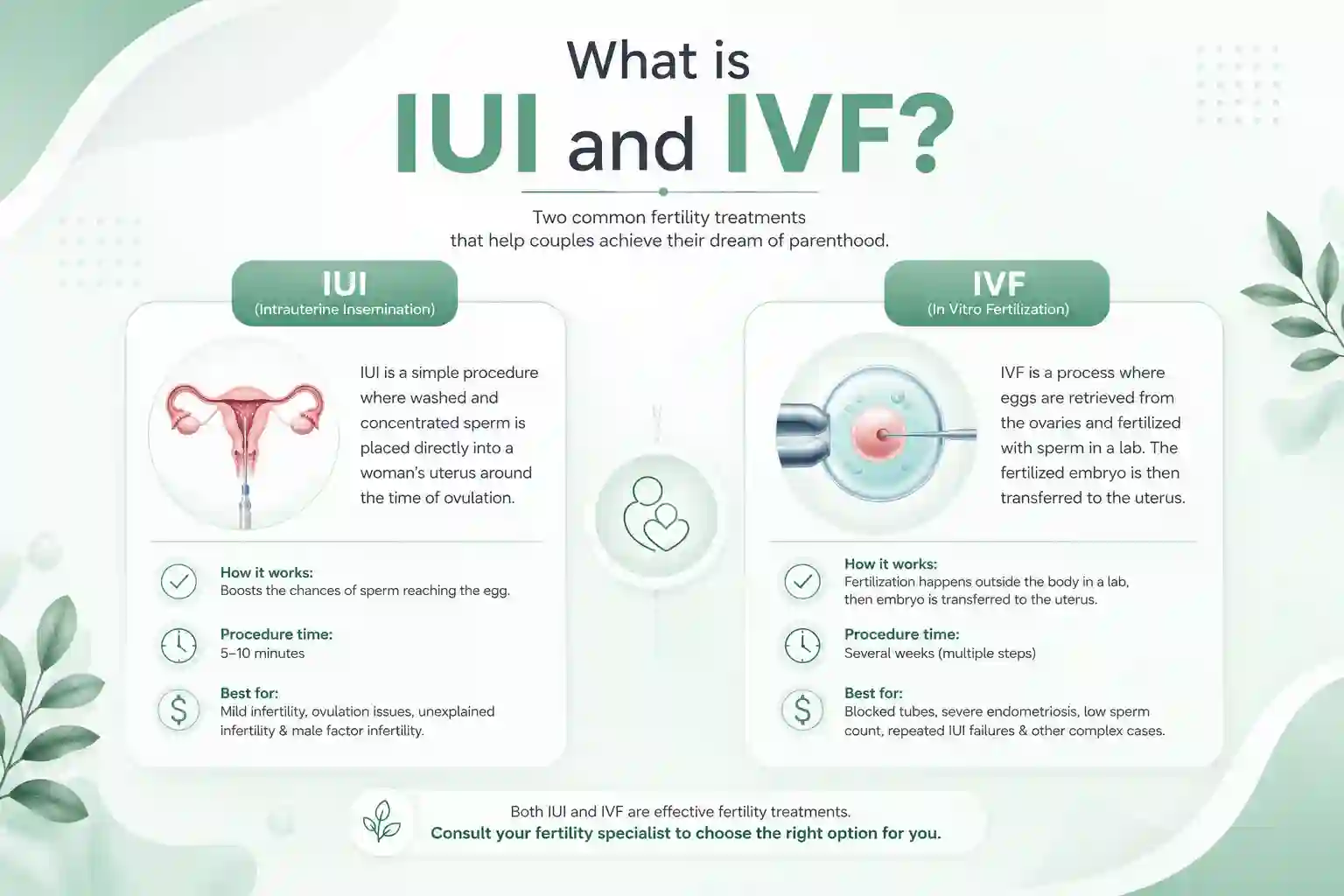
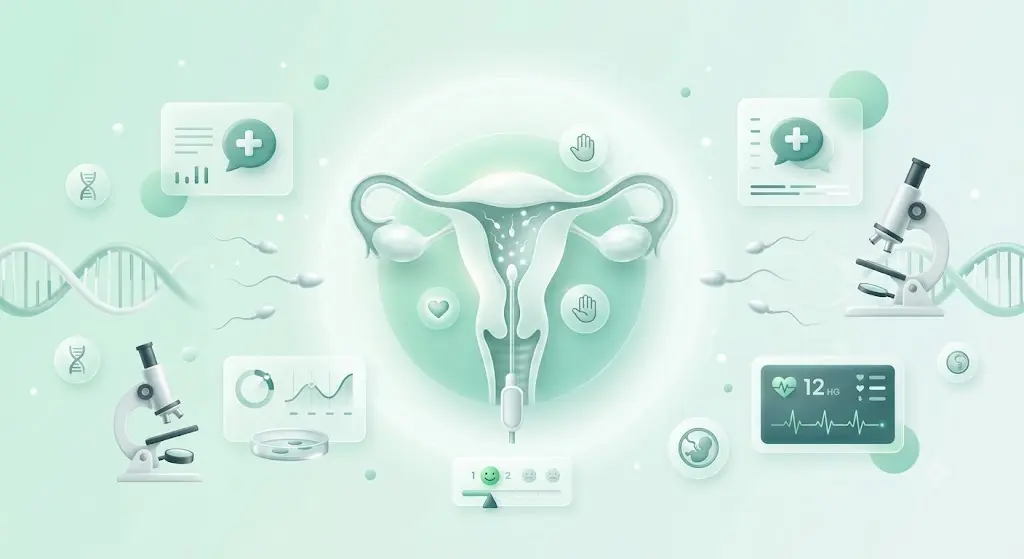
Intrauterine insemination (IUI) is a fertility treatment in which specially prepared sperm is placed directly into the uterus using a thin, flexible catheter during ovulation.
The goal is to increase the number of healthy sperm reaching the egg, improving the chance of natural fertilization inside the body.
IUI is commonly recommended for:
- Unexplained infertility
- Mild male factor infertility
- Ovulation disorders
- Cervical factor infertility
- Couples using donor sperm
Is IUI Painful?
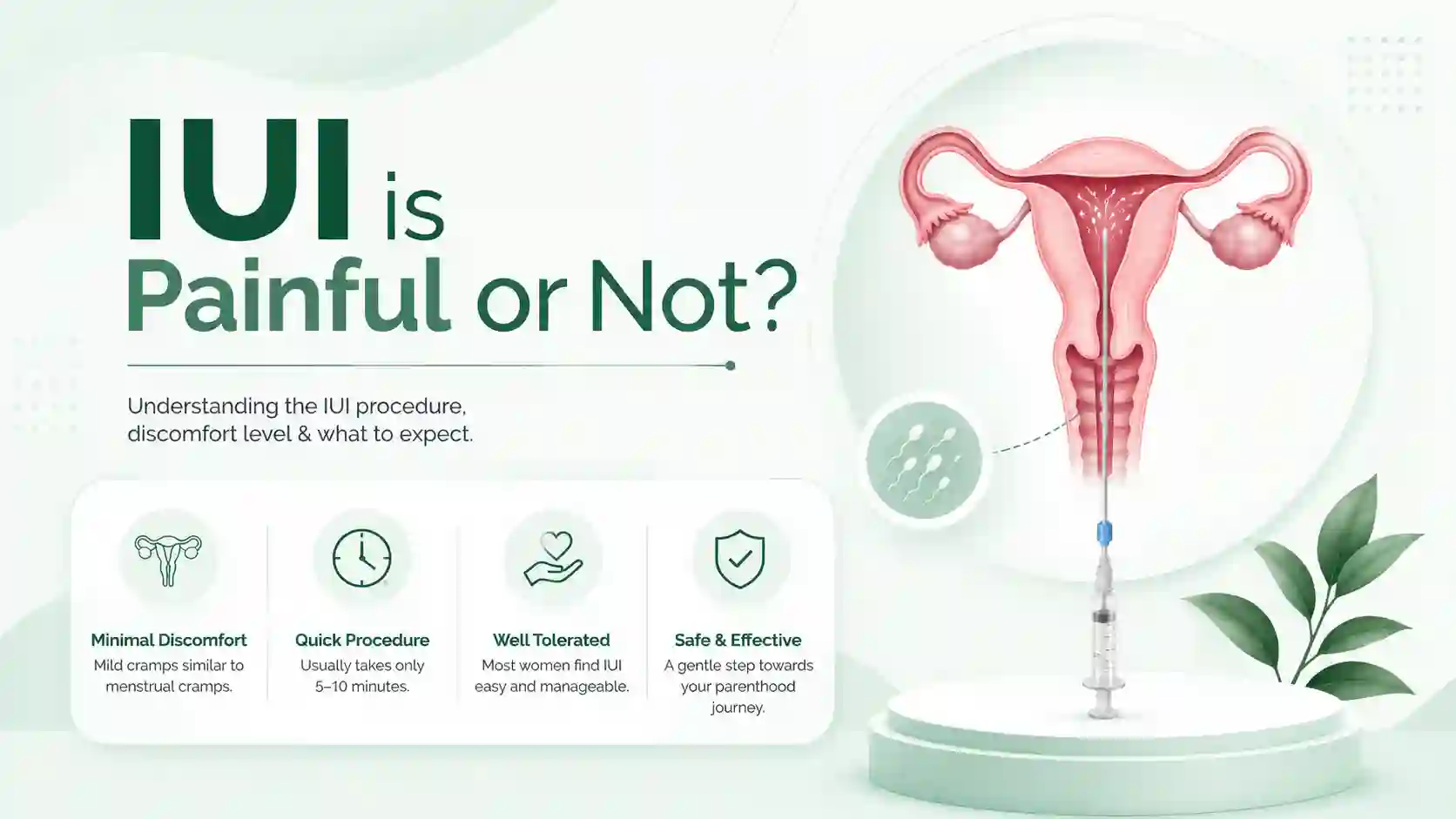
For most patients, the answer is no. IUI is not usually considered a painful procedure.
Most people experience:
- Mild pressure
- Brief cramping
- Slight discomfort similar to a routine pelvic examination or Pap smear
The insemination itself generally takes only a few minutes, and anesthesia is not usually required.
Some people feel nothing at all during the procedure, while others notice temporary cramping that resolves shortly afterward.
Why Can Some People Feel Discomfort?
Although the procedure is generally well tolerated, certain factors may increase temporary discomfort.
These include:
- A sensitive cervix
- Anxiety causing muscle tension
- Difficulty passing the catheter through the cervix
- Uterine position differences
- Existing pelvic conditions
Most discomfort is brief and disappears soon after the procedure.
How Does the IUI Procedure Work?
Understanding each step may help reduce fear.
Step 1: Fertility Evaluation
Your fertility specialist performs fertility testing to determine whether IUI is appropriate.
Step 2: Ovulation Monitoring
Your fertile window is identified through ultrasound monitoring, hormone testing, or ovulation predictor kits.
Step 3: Sperm Preparation
A semen sample undergoes sperm washing to concentrate healthy, motile sperm.
Step 4: Insemination
During the procedure:
- You lie on an examination table.
- A speculum is gently inserted into the vagina.
- A thin catheter passes through the cervix.
- The prepared sperm is placed inside the uterus.
- The catheter and speculum are removed.
The procedure usually lasts only a few minutes.
Step 5: Recovery
Most patients rest briefly before returning to normal daily activities.
What Might You Feel After IUI?
After the procedure, some people experience:
- Mild cramping
- Light spotting
- Temporary pelvic discomfort
- Mild bloating
These symptoms usually improve within a few hours.
Most patients can:
- Return to work
- Walk normally
- Resume light daily activities
Always follow your fertility specialist’s recommendations regarding exercise and medications.
Benefits of IUI
IUI offers several advantages.
Benefits include:
- Minimally invasive procedure
- No surgery required
- Usually performed without anesthesia
- Quick outpatient treatment
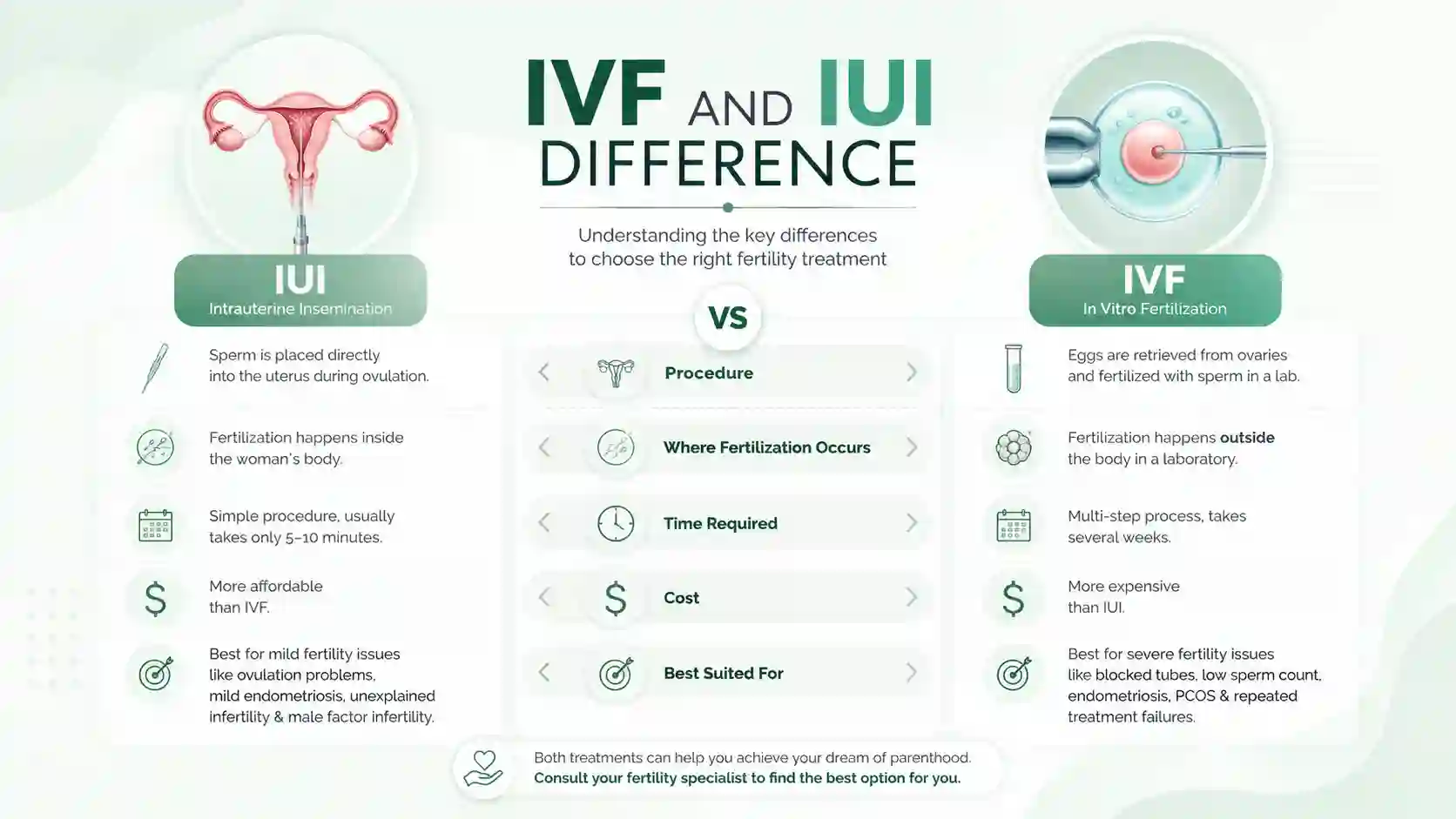
- Lower cost than IVF
- Minimal recovery time
- Suitable for several fertility conditions
Because it is relatively simple, IUI is often recommended before IVF.
Risks, Side Effects, or Limitations
Although IUI is considered safe, there are some possible risks.
Common side effects include:
- Mild cramping
- Light spotting
- Temporary discomfort
Less common risks include:
- Rare infection
- Multiple pregnancy when fertility medications are used
- Ovarian Hyperstimulation Syndrome (OHSS), though uncommon
- Unsuccessful treatment cycle
Severe pain is not typical. If you experience intense pain, heavy bleeding, fever, or severe abdominal swelling, contact your fertility clinic promptly.
Factors Affecting Comfort During IUI
Several factors influence how comfortable the procedure feels.
Cervical Anatomy
Some women naturally have a cervix that is easier to access than others.
Anxiety
Feeling nervous may cause pelvic muscles to tighten, making the procedure less comfortable.
Fertility Specialist’s Experience
An experienced healthcare provider can often perform the procedure gently and efficiently.
Existing Pelvic Conditions
Conditions such as endometriosis or pelvic inflammation may increase sensitivity during the procedure.
Emotional & Patient Perspective
Many patients feel anxious before their first IUI.
Common concerns include:
- Fear of pain
- Worry about the procedure
- Anxiety about treatment success
Interestingly, many people later report that the anticipation was more stressful than the procedure itself.
Talking openly with your fertility team can help reduce anxiety and improve your overall experience.
Tips to Make IUI More Comfortable
You can help improve your comfort by:
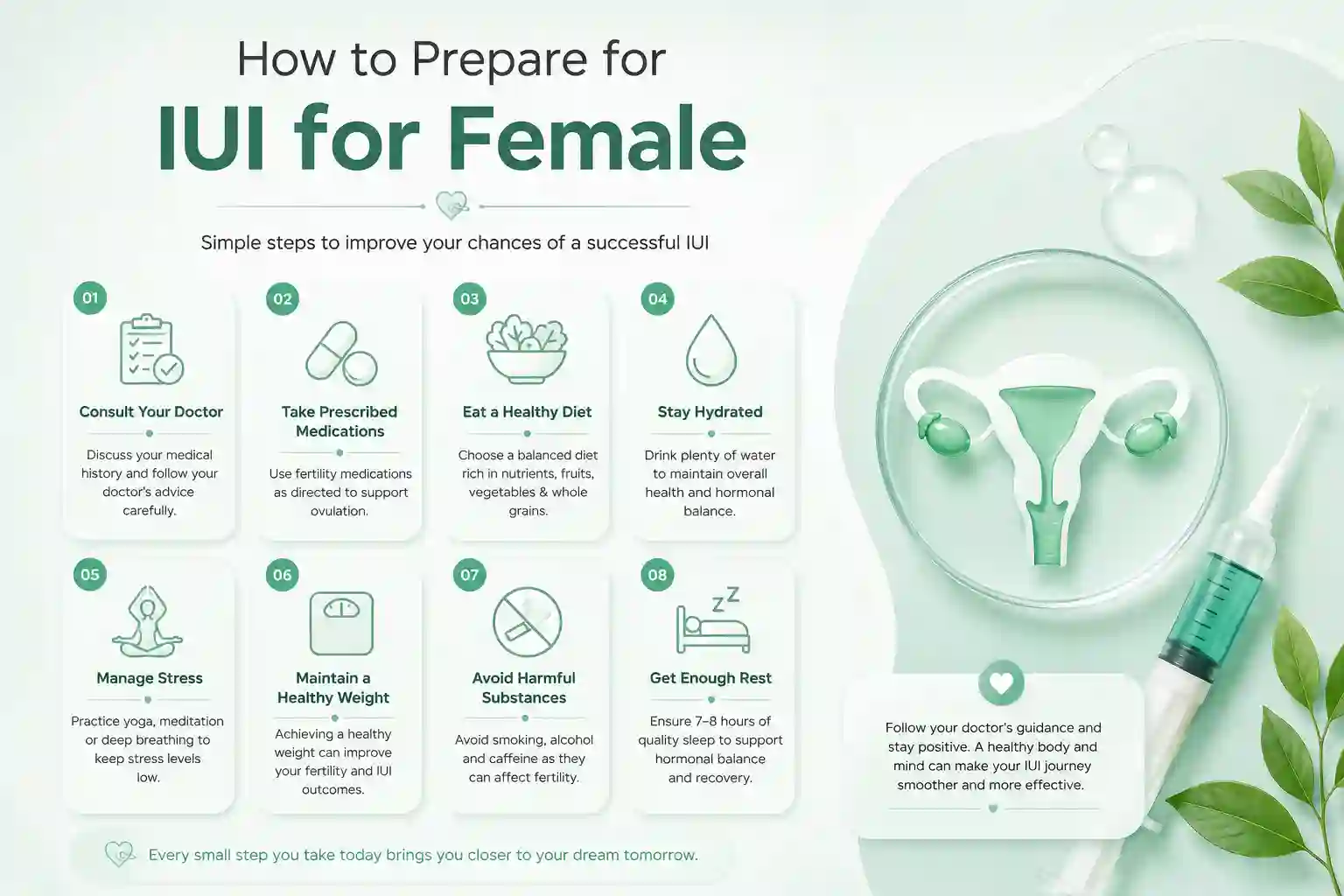
- Arriving relaxed and allowing enough time before your appointment.
- Asking your fertility specialist to explain each step.
- Practicing slow, deep breathing during the procedure.
- Keeping your pelvic muscles as relaxed as possible.
- Wearing comfortable clothing.
- Following all medication instructions carefully.
Do not take pain medication before the procedure unless your fertility specialist recommends it.
When to See a Fertility Specialist
Contact your fertility specialist if you experience:
- Severe abdominal pain
- Heavy vaginal bleeding
- Fever
- Foul-smelling vaginal discharge
- Persistent pain lasting more than a day
- Significant swelling or symptoms suggestive of ovarian hyperstimulation syndrome (OHSS)
Prompt medical evaluation helps identify and treat uncommon complications.
If you’re wondering “Is IUI painful?”, the answer for most patients is no. While you may experience mild cramping, pressure, or temporary discomfort during or shortly after the procedure, significant pain is uncommon. IUI is a quick, minimally invasive fertility treatment that usually requires no anesthesia and allows most people to return to their normal activities the same day. If you have concerns about pain or anxiety before treatment, discussing them with your fertility specialist can help you feel more prepared and comfortable.
FAQs About Is IUI Painful
1. Is IUI painful for everyone?
No. Most people experience only mild discomfort or brief cramping, while some feel almost nothing during the procedure.
2. How long does discomfort last after IUI?
Any mild cramping or spotting usually resolves within a few hours, although some people may notice slight discomfort for a day.
3. Do I need anesthesia for IUI?
No. IUI is generally performed without anesthesia because the procedure is quick and minimally invasive.
4. Can I go back to work after IUI?
Yes. Most patients can return to work and normal daily activities shortly after the procedure unless advised otherwise by their fertility specialist.
5. Is spotting normal after IUI?
Yes. Light spotting may occur because the catheter passes through the cervix. It is usually mild and temporary.
6. What if I have severe pain after IUI?
Severe pain is not typical. Contact your fertility clinic immediately if you experience intense pain, heavy bleeding, fever, or significant abdominal swelling.
7. How can I make the IUI procedure more comfortable?
Staying relaxed, practicing deep breathing, following your treatment instructions, and communicating with your fertility specialist can help make the procedure more comfortable.