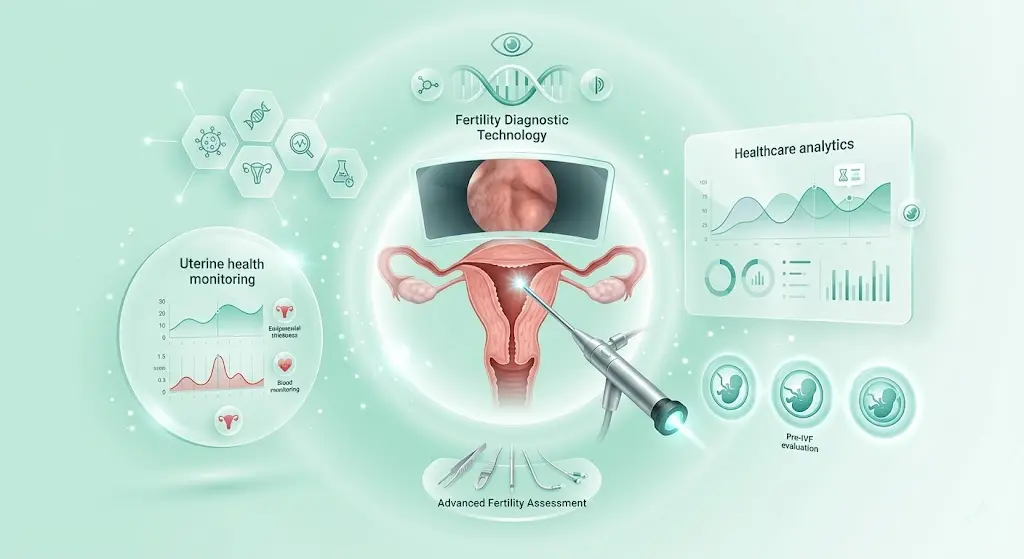
When preparing for IVF, fertility specialists often want to ensure that the uterus provides the best possible environment for embryo implantation. One procedure that may be recommended before treatment is hysteroscopy IVF.
A hysteroscopy allows doctors to look directly inside the uterus and identify conditions that might affect implantation or pregnancy. While not every IVF patient needs a hysteroscopy, it can be an important diagnostic and treatment tool in certain situations.
Understanding how hysteroscopy works and why it may be recommended before IVF can help patients feel more informed and confident during their fertility journey.
What Is Hysteroscopy IVF?
Hysteroscopy IVF refers to the use of hysteroscopy before or during fertility treatment to evaluate and, if necessary, treat abnormalities inside the uterus.
A hysteroscopy involves inserting a thin, lighted telescope-like instrument called a hysteroscope through the cervix into the uterus.
This allows the fertility specialist to:
- Examine the uterine cavity
- Detect abnormalities
- Remove certain growths or scar tissue
- Improve uterine conditions before embryo transfer
Unlike ultrasound, hysteroscopy provides a direct view of the uterine cavity.
Why Is Hysteroscopy IVF Important?
Successful IVF requires more than healthy eggs and sperm. The embryo must also implant into a healthy uterine lining.
Hysteroscopy may help identify problems that could interfere with implantation, including:
- Endometrial polyps
- Uterine fibroids
- Scar tissue (adhesions)
- Uterine septum
- Chronic inflammation
- Abnormal uterine cavity shape
Detecting and treating these issues before IVF may improve the chances of successful implantation.
How Does Hysteroscopy IVF Work?
The procedure is usually performed as an outpatient treatment.
Step 1: Preparation
The doctor reviews your medical history and fertility evaluation results.
You may be advised to schedule the procedure at a specific time during your menstrual cycle.
Step 2: Hysteroscope Insertion
A thin hysteroscope is gently passed through the cervix into the uterus.
The uterus is expanded with sterile fluid to improve visibility.
Step 3: Uterine Examination
The doctor examines:
- Uterine lining
- Shape of the uterine cavity
- Openings of the fallopian tubes
- Presence of polyps, fibroids, or scar tissue
Step 4: Treatment if Needed
If abnormalities are found, they may often be treated during the same procedure.
Examples include:
- Polyp removal
- Fibroid removal
- Adhesion removal
- Septum correction
Step 5: Recovery
Most patients return home the same day and recover quickly.
Benefits of Hysteroscopy IVF
Hysteroscopy offers several potential benefits for fertility patients.
Direct Visualization of the Uterus
It provides a more detailed evaluation than many imaging tests.
Identification of Hidden Problems
Small abnormalities that may not appear on ultrasound can sometimes be detected.
Treatment During the Same Procedure
Many uterine abnormalities can be corrected immediately.
Improved Implantation Environment
Treating uterine issues may improve conditions for embryo implantation.
Reduced Risk of Repeated IVF Failure
In some patients with recurrent implantation failure, hysteroscopy may help identify underlying causes.
Risks, Side Effects, or Limitations
Hysteroscopy is generally considered safe, but like any medical procedure, it carries some risks.
Common Side Effects
Patients may experience:
- Mild cramping
- Light vaginal bleeding
- Pelvic discomfort
- Temporary fatigue
These symptoms usually resolve within a few days.
Rare Complications
Rare risks may include:
- Infection
- Uterine perforation
- Excessive bleeding
- Reaction to anesthesia
Serious complications are uncommon when performed by experienced specialists.
Limitations
Not every IVF patient benefits from routine hysteroscopy. The decision depends on individual fertility history and clinical findings.
Cost, Timeline, or Success Rate
Procedure Timeline
A hysteroscopy often takes:
- 10–30 minutes for diagnostic procedures
- Longer if treatment is performed simultaneously
Most patients recover within 1–2 days.
Cost
The cost varies depending on:
- Location
- Clinic or hospital
- Whether treatment is performed during the procedure
- Anesthesia requirements
Impact on IVF Success
Hysteroscopy itself does not guarantee pregnancy.
However, correcting uterine abnormalities may improve implantation potential in selected patients.
Factors Affecting Results
Several factors influence whether hysteroscopy may benefit IVF treatment.
Previous IVF Failures
Patients with recurrent implantation failure may benefit from detailed uterine evaluation.
Uterine Abnormalities
Polyps, fibroids, adhesions, and congenital uterine conditions may affect embryo implantation.
Age
Age remains an important factor in overall IVF success.
Embryo Quality
Even with a healthy uterus, embryo quality plays a major role in pregnancy outcomes.
Overall Fertility Health
Hormonal balance, ovarian reserve, and sperm quality also affect IVF success.
Emotional & Patient Perspective
Many patients feel nervous when a hysteroscopy is recommended.
Common concerns include:
- Fear of pain
- Anxiety about findings
- Worry about delaying IVF
- Concerns about recovery
Fortunately, hysteroscopy is generally well tolerated and often provides valuable information that can help guide fertility treatment.
Knowing that the uterus has been carefully evaluated can offer reassurance before embryo transfer.
Tips, Recommendations, or Preparation Guide
If you are scheduled for a hysteroscopy before IVF, consider the following tips:
- Follow all pre-procedure instructions
- Ask whether anesthesia will be used
- Arrange transportation if sedation is planned
- Wear comfortable clothing
- Stay hydrated
- Ask your doctor about recovery expectations
- Discuss when IVF treatment can resume afterward
Good communication with your fertility team can help reduce anxiety.
When to See a Fertility Specialist
A fertility specialist may recommend hysteroscopy if:
- You have experienced recurrent IVF failure
- Ultrasound suggests uterine abnormalities
- You have recurrent miscarriages
- You have abnormal uterine bleeding
- You have a history of uterine surgery
- Additional evaluation of the uterine cavity is needed
Early diagnosis and treatment of uterine issues may improve fertility planning.
Hysteroscopy IVF is a valuable procedure that allows fertility specialists to directly examine the uterine cavity and treat certain abnormalities before fertility treatment. By identifying issues such as polyps, fibroids, adhesions, or uterine abnormalities, hysteroscopy may help create a more favorable environment for embryo implantation.
Although not every IVF patient requires hysteroscopy, it can be particularly helpful for those with recurrent implantation failure, recurrent miscarriage, or suspected uterine abnormalities. Discussing the procedure with your fertility specialist can help determine whether it is appropriate for your individual fertility journey.
FAQs About Hysteroscopy IVF
What is hysteroscopy in IVF?
Hysteroscopy is a procedure that allows doctors to examine the inside of the uterus before or during fertility treatment.
Why is hysteroscopy done before IVF?
It may help identify and treat uterine abnormalities that could interfere with embryo implantation.
Is hysteroscopy painful?
Most patients experience mild discomfort or cramping. Some procedures are performed with sedation or anesthesia.
How long does it take to recover from hysteroscopy?
Most patients recover within a day or two and can return to normal activities quickly.
Can hysteroscopy improve IVF success rates?
Treating uterine abnormalities may improve implantation conditions in selected patients, although it does not guarantee pregnancy.