If you’re exploring fertility treatment, a common question is: “How IVF is done?”
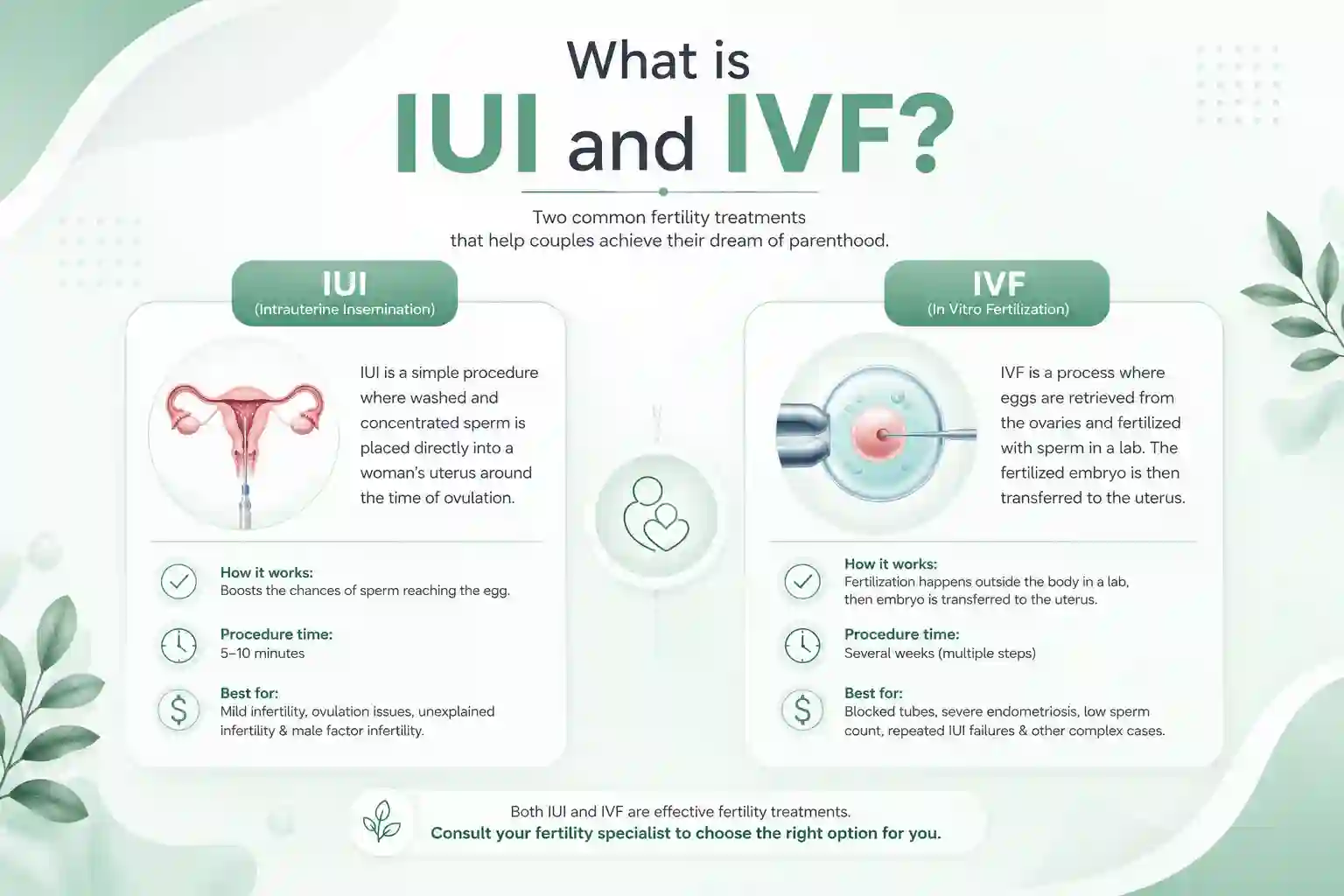
The process may sound complex, but when broken down, it becomes much easier to understand. IVF (In Vitro Fertilization) is a structured medical procedure designed to help achieve pregnancy.
What Does IVF Mean?
Before understanding how IVF is done, here’s a simple explanation:
- Eggs are collected from the ovaries
- Fertilized with sperm in a lab
- A healthy embryo is placed into the uterus
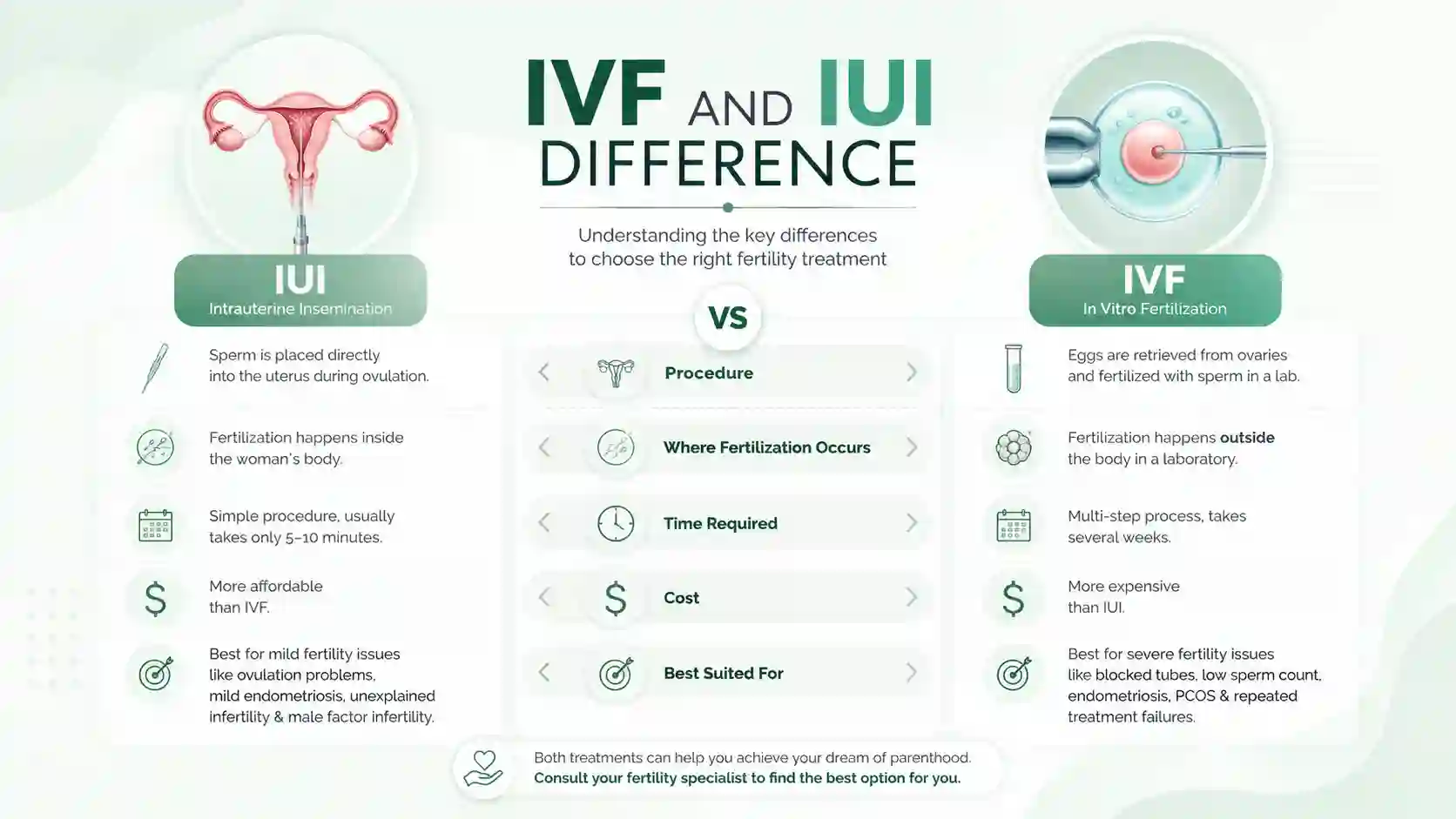
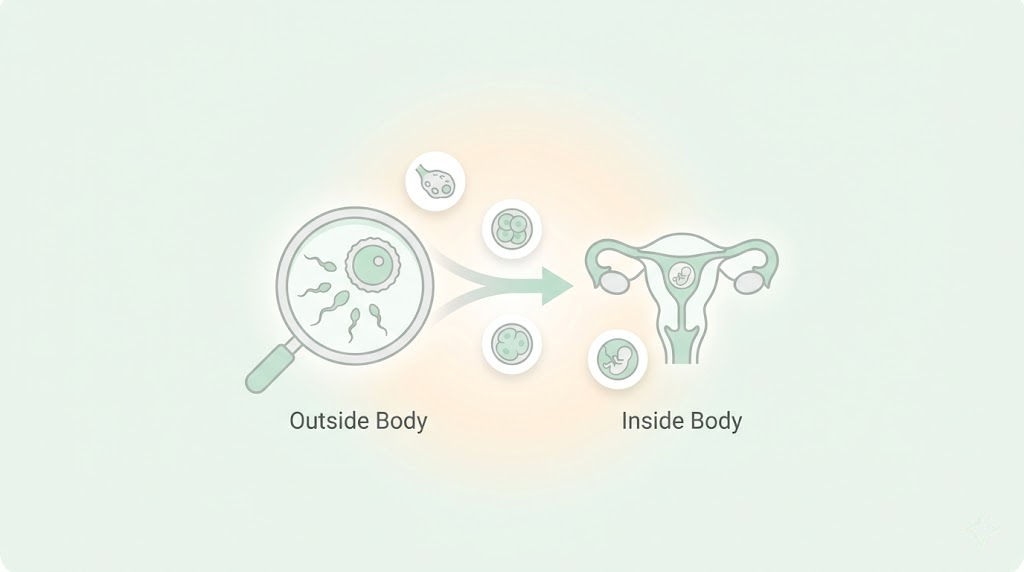
This allows fertilization to happen outside the body.
How IVF Is Done: Step-by-Step Process
Here’s exactly how IVF is done in clinical practice:
1. Ovarian Stimulation
- Hormone injections are given for 8–14 days
- Ovaries produce multiple eggs
- Doctors monitor with ultrasound
Goal: Increase the number of eggs
2. Egg Retrieval
- Eggs are collected using a minor procedure
- Done under sedation
- Takes about 15–20 minutes
Goal: Collect mature eggs
3. Fertilization
- Eggs are mixed with sperm in the lab
- Or ICSI is used (single sperm injected into egg)
Goal: Create embryos
4. Embryo Development
- Fertilized eggs grow for 3–5 days
- Doctors select the best-quality embryo
Goal: Choose the healthiest embryo
5. Embryo Transfer
- A selected embryo is placed into the uterus
- Quick and painless procedure
Goal: Achieve implantation
6. Pregnancy Test
- Done 10–14 days after transfer
- Confirms if IVF was successful
How Long Does IVF Take?
The full IVF process usually takes:
- 4 to 6 weeks per cycle
Some patients may need multiple cycles.
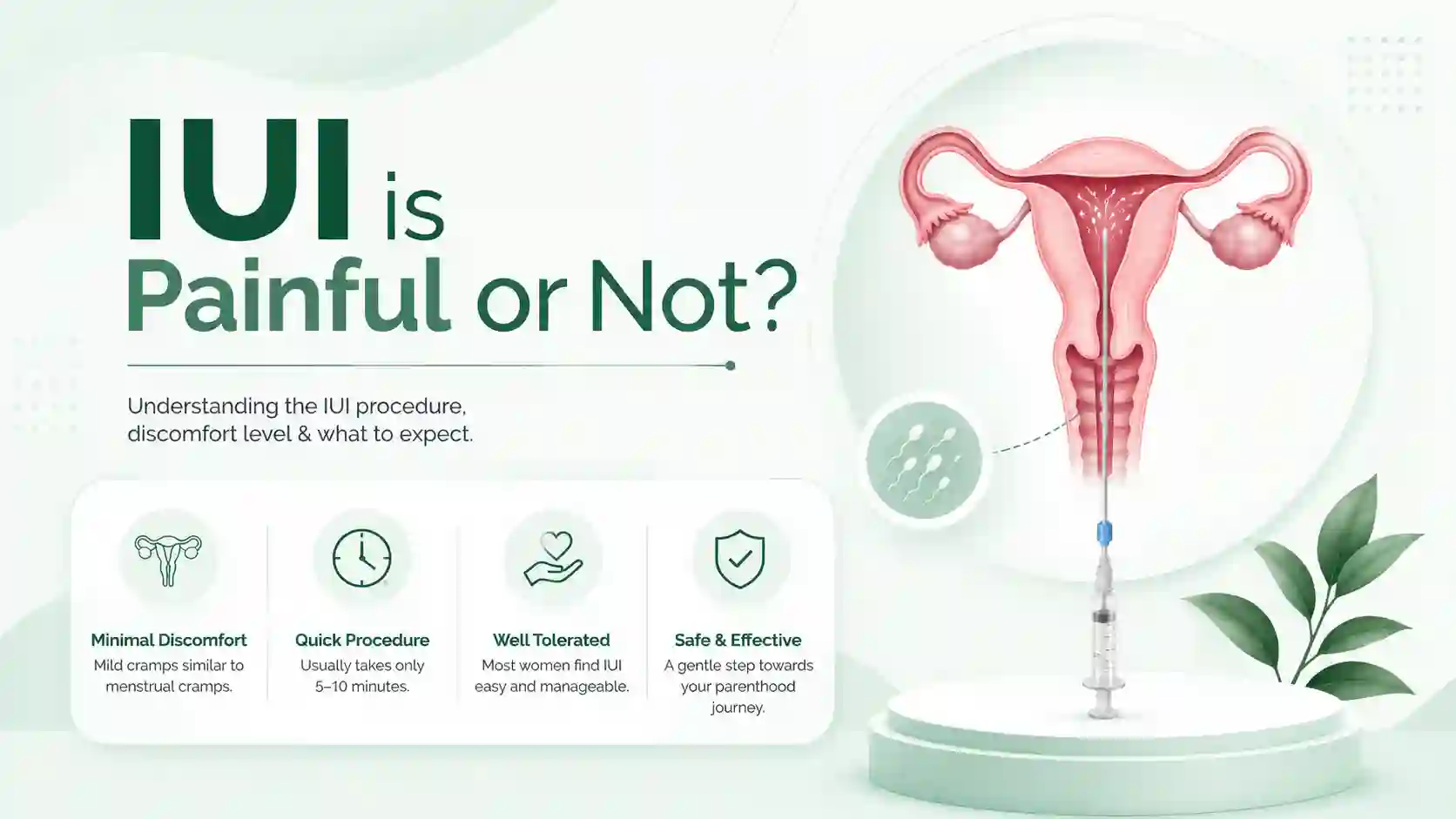
Is IVF Painful?
Most steps involve mild discomfort, not severe pain:
- Injections → slight pinching
- Egg retrieval → done under sedation
- Transfer → painless
Risks and Side Effects
IVF is generally safe, but may include:
- Bloating
- Mood changes
- Mild cramping
- Rare complications like ovarian hyperstimulation
Who Needs IVF?
Doctors recommend IVF for:
- Blocked fallopian tubes
- Low sperm count
- Ovulation problems
- Unexplained infertility
Tips for a Successful IVF
- Follow your doctor’s instructions
- Take medications on time
- Maintain a healthy lifestyle
- Manage stress
- Attend all appointments
When to See a Doctor
Consult a fertility specialist if:
- You’ve been trying to conceive for over a year
- You’re over 35 and trying for 6 months
- You have known fertility issues
So, how IVF is done? It involves a step-by-step process of stimulating the ovaries, collecting eggs, fertilizing them in a lab, and transferring an embryo into the uterus.
While the journey may feel complex, understanding each step can make it much easier to handle. A fertility specialist will guide you through every stage to improve your chances of success.
FAQs About How IVF Is Done
How is IVF done step by step?
Through stimulation, egg retrieval, fertilization, embryo transfer, and pregnancy testing.
How long does IVF take?
Usually 4–6 weeks per cycle.
Is IVF painful?
Mostly mild discomfort, not severe pain.
Can IVF guarantee pregnancy?
No, but it increases chances significantly.
How many eggs are collected in IVF?
Usually 8–15 eggs, depending on the patient.