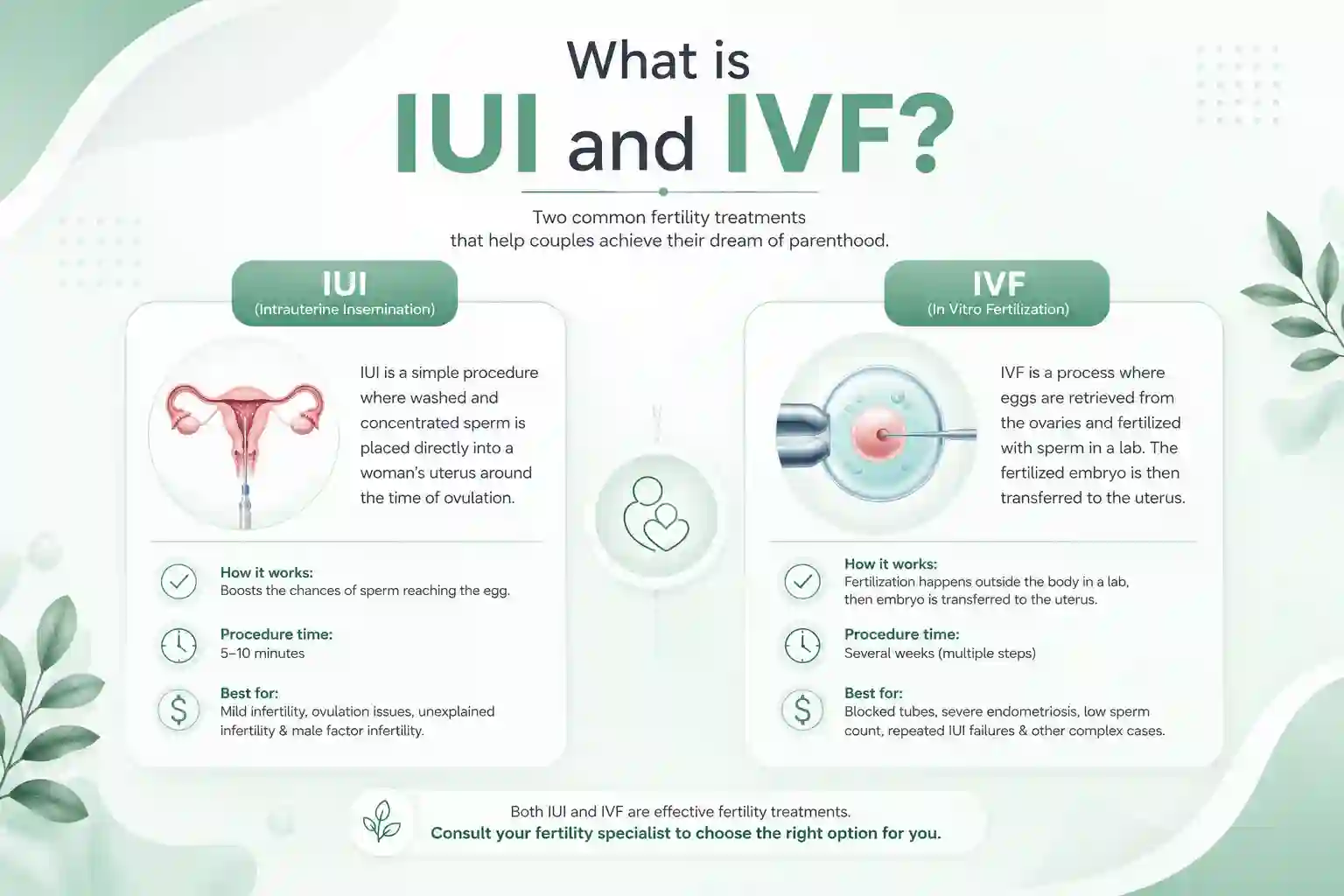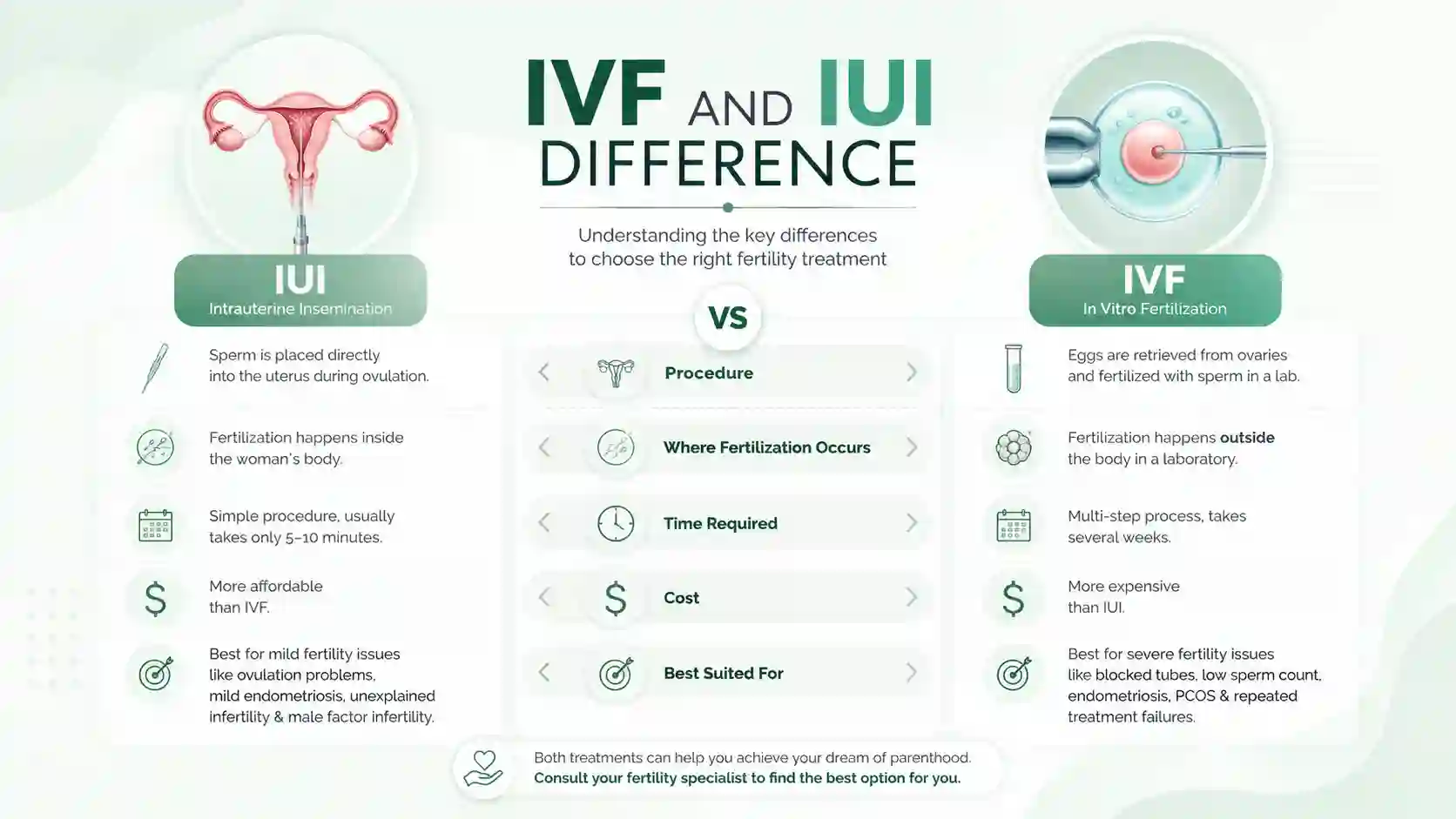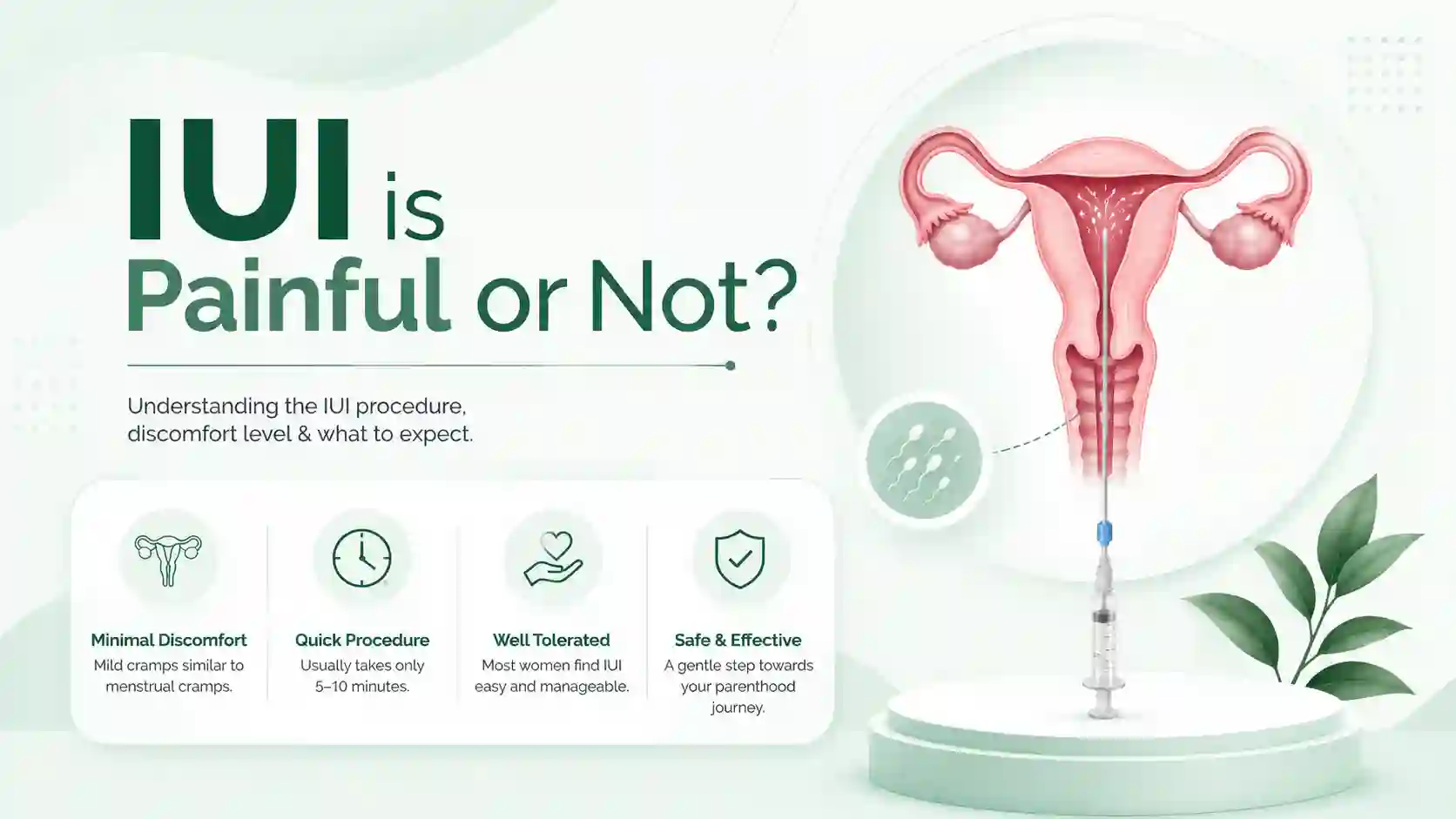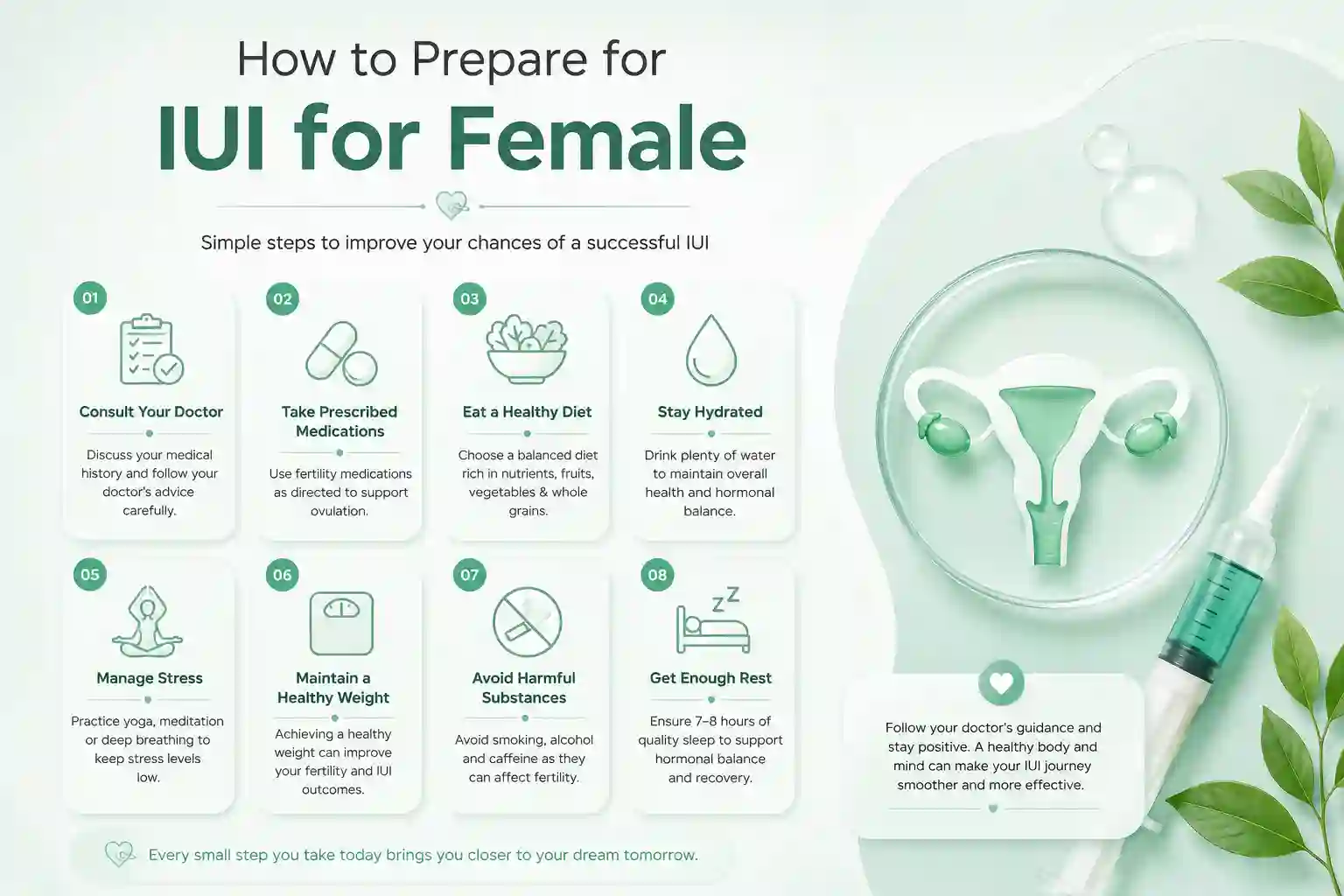
A failed intrauterine insemination (IUI) cycle can be emotionally difficult, leaving many individuals and couples wondering whether natural pregnancy is still possible. One of the most common questions fertility specialists hear is, “What are the chances of natural pregnancy after failed IUI?”
The reassuring answer is that a failed IUI does not automatically mean natural pregnancy is impossible. Many couples conceive naturally after an unsuccessful IUI cycle, particularly when there is no severe underlying fertility problem. However, the likelihood depends on several factors, including age, the cause of infertility, ovulation, sperm quality, and overall reproductive health.
This guide explains the chances of natural pregnancy after failed IUI, the factors that influence natural conception, and when you should consider additional fertility treatment.
Can You Get Pregnant Naturally After a Failed IUI?
Yes.
It is possible to become pregnant naturally after a failed IUI cycle.
A failed IUI simply means that pregnancy did not occur during that particular treatment cycle. It does not necessarily mean that fertilization can never happen naturally.
Natural conception may still occur if:
- You ovulate regularly.
- At least one fallopian tube is open.
- Sperm quality is adequate.
- There are no major fertility barriers.
- The underlying cause of infertility allows natural conception.
Why Can Natural Pregnancy Happen After Failed IUI?
Several reasons explain why pregnancy may occur naturally after an unsuccessful IUI.
Every Menstrual Cycle Is Different
Each cycle is unique.
Small differences in:
- Ovulation timing
- Egg quality
- Sperm quality
- Hormone levels
- Endometrial receptivity
may influence whether pregnancy occurs.
IUI Does Not Guarantee Pregnancy
Even under ideal conditions, IUI has a limited success rate per cycle.
A failed cycle does not necessarily indicate that future natural conception is impossible.
Fertility Can Improve Over Time
Lifestyle changes or treatment of underlying medical conditions may improve fertility between cycles.
Factors That Affect the Chances of Natural Pregnancy After Failed IUI
Female Age
Age remains one of the strongest predictors of fertility.
Generally:
- Women under 35 tend to have higher natural fertility.
- Fertility gradually declines after age 35.
- Pregnancy rates decrease more significantly after age 40.
Cause of Infertility
Natural pregnancy is more likely if infertility is related to:
- Mild ovulation disorders
- Unexplained infertility
- Mild male factor infertility
Natural conception may be less likely with:
- Bilateral blocked fallopian tubes
- Severe male factor infertility
- Significantly diminished ovarian reserve
Ovulation
Regular ovulation increases the opportunity for natural conception.
Sperm Quality
Healthy sperm count, movement, and morphology improve the chance of fertilization.
Fallopian Tube Health
Because fertilization occurs naturally inside the fallopian tube, at least one open, healthy tube is usually required.
Lifestyle Factors
Healthy habits that may support fertility include:
- Maintaining a healthy weight
- Eating a balanced diet
- Exercising regularly
- Avoiding smoking
- Limiting alcohol
- Managing chronic health conditions
- Getting adequate sleep
Should You Try Naturally Before Another IUI?
The answer depends on your fertility diagnosis.
Your fertility specialist may recommend continuing natural attempts if:
- You are relatively young.
- Fertility evaluations are reassuring.
- You ovulate regularly.
- There are no major anatomical or male fertility problems.
In other situations, another IUI cycle or IVF may offer a higher chance of pregnancy.
What Happens After One Failed IUI?
One unsuccessful IUI cycle is common.
Many fertility specialists recommend:
- Reviewing the treatment cycle.
- Assessing ovulation timing.
- Reviewing sperm preparation.
- Evaluating medication response.
- Considering another IUI cycle if appropriate.
Many patients require three to four IUI cycles before moving to IVF, although recommendations vary based on age and diagnosis.
Benefits of Continuing Natural Attempts
For appropriate candidates, continuing natural conception attempts may offer:
- No procedural intervention
- Lower financial cost
- Less emotional stress for some couples
- Continued opportunity for pregnancy between treatment cycles
Your fertility specialist can advise whether this approach is appropriate for your situation.
Risks, Side Effects, or Limitations
Although natural pregnancy remains possible after a failed IUI, there are limitations.
Natural conception may be less likely if:
- Female age is advanced.
- Both fallopian tubes are blocked.
- Severe male factor infertility is present.
- Ovulation does not occur regularly.
- Significant endometriosis affects fertility.
Delaying further fertility treatment may reduce pregnancy chances for some individuals, particularly those with age-related infertility.
Emotional & Patient Perspective
A failed IUI cycle can feel discouraging.
Many couples wonder:
- “Did the treatment fail because something is seriously wrong?”
- “Should we keep trying naturally?”
- “Do we need IVF now?”
Remember that one failed IUI does not define your fertility journey. Many couples conceive naturally or during later IUI cycles. Discussing your treatment options with your fertility specialist can help you make decisions based on your individual circumstances rather than on a single unsuccessful cycle.
Tips to Improve Natural Fertility
If your fertility specialist recommends trying naturally:
- Have intercourse during your fertile window.
- Maintain a healthy weight.
- Eat a balanced diet.
- Exercise regularly.
- Avoid smoking and recreational drugs.
- Limit alcohol.
- Continue prenatal vitamins if recommended.
- Manage chronic medical conditions.
These habits support overall reproductive health, although they cannot guarantee pregnancy.
When to See a Fertility Specialist
Consult your fertility specialist if:
- You have had one or more unsuccessful IUI cycles and want to discuss next steps.
- You are 35 years or older and have been trying to conceive without success.
- You have irregular ovulation.
- You have known fertility concerns.
- You would like to discuss whether another IUI cycle or IVF is appropriate.
A personalized evaluation can help determine the best treatment plan.
The chances of natural pregnancy after failed IUI depend on your age, fertility diagnosis, ovulation, sperm quality, and overall reproductive health. A failed IUI does not automatically mean natural conception is impossible. Many individuals and couples successfully conceive naturally after an unsuccessful IUI cycle, especially when infertility is unexplained or relatively mild. However, if pregnancy does not occur after several months or after multiple IUI cycles, your fertility specialist may recommend additional evaluation or alternative treatments such as IVF. The best approach is one that is tailored to your individual medical circumstances and fertility goals.
FAQs About Chances of Natural Pregnancy After Failed IUI
1. Can I get pregnant naturally after a failed IUI?
Yes. Many couples conceive naturally after a failed IUI, particularly if there are no severe fertility problems.
2. Does one failed IUI mean I need IVF?
No. One unsuccessful IUI cycle does not automatically mean IVF is necessary. Your fertility specialist will recommend the next step based on your age, fertility diagnosis, and treatment history.
3. How many failed IUI cycles are considered normal?
Many fertility specialists recommend three to four IUI cycles before considering IVF, although this varies depending on individual circumstances.
4. What factors affect natural pregnancy after failed IUI?
Important factors include female age, ovulation, sperm quality, fallopian tube health, the cause of infertility, and overall reproductive health.
5. Should I continue trying naturally between IUI cycles?
Many fertility specialists encourage natural attempts between treatment cycles if there are no medical reasons to avoid them.
6. Can lifestyle changes improve natural fertility after failed IUI?
Healthy lifestyle habits such as maintaining a healthy weight, avoiding smoking, eating a balanced diet, exercising regularly, and managing chronic health conditions may support fertility.
7. When should I see my fertility specialist after a failed IUI?
You should consult your fertility specialist to review the treatment cycle, discuss your chances of natural conception, and decide whether another IUI cycle, additional testing, or IVF is the most appropriate next step.