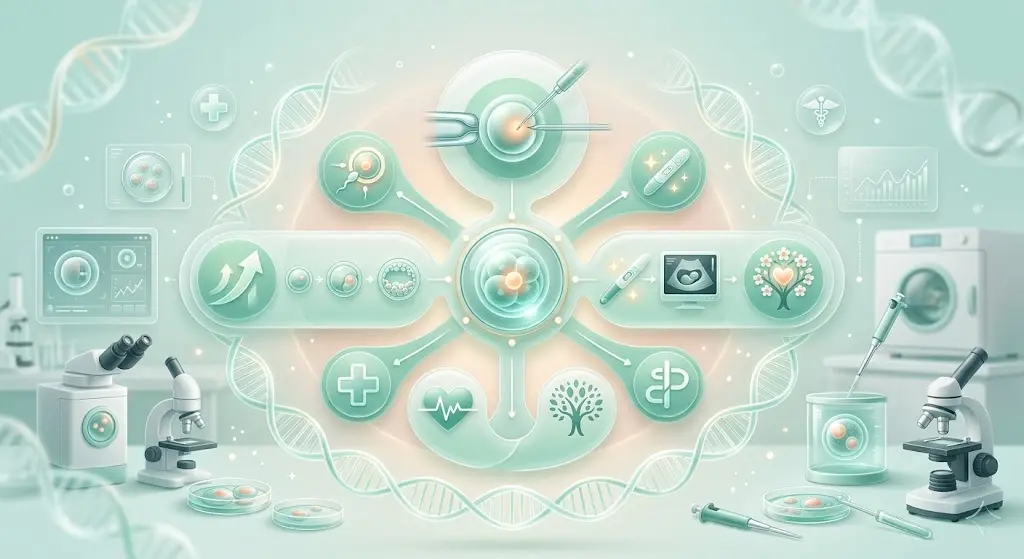
For many individuals and couples struggling to conceive, IVF offers hope when other fertility treatments have not been successful. One of the most common questions patients ask before starting treatment is about the benefits of IVF and whether it is the right option for their fertility journey.
IVF, or In Vitro Fertilization, is one of the most advanced and widely used fertility treatments in the world. It has helped millions of families achieve pregnancy and provides solutions for a wide range of reproductive challenges.
Understanding the benefits of IVF can help patients make informed decisions and feel more confident when discussing treatment options with a fertility specialist.
What Is IVF?
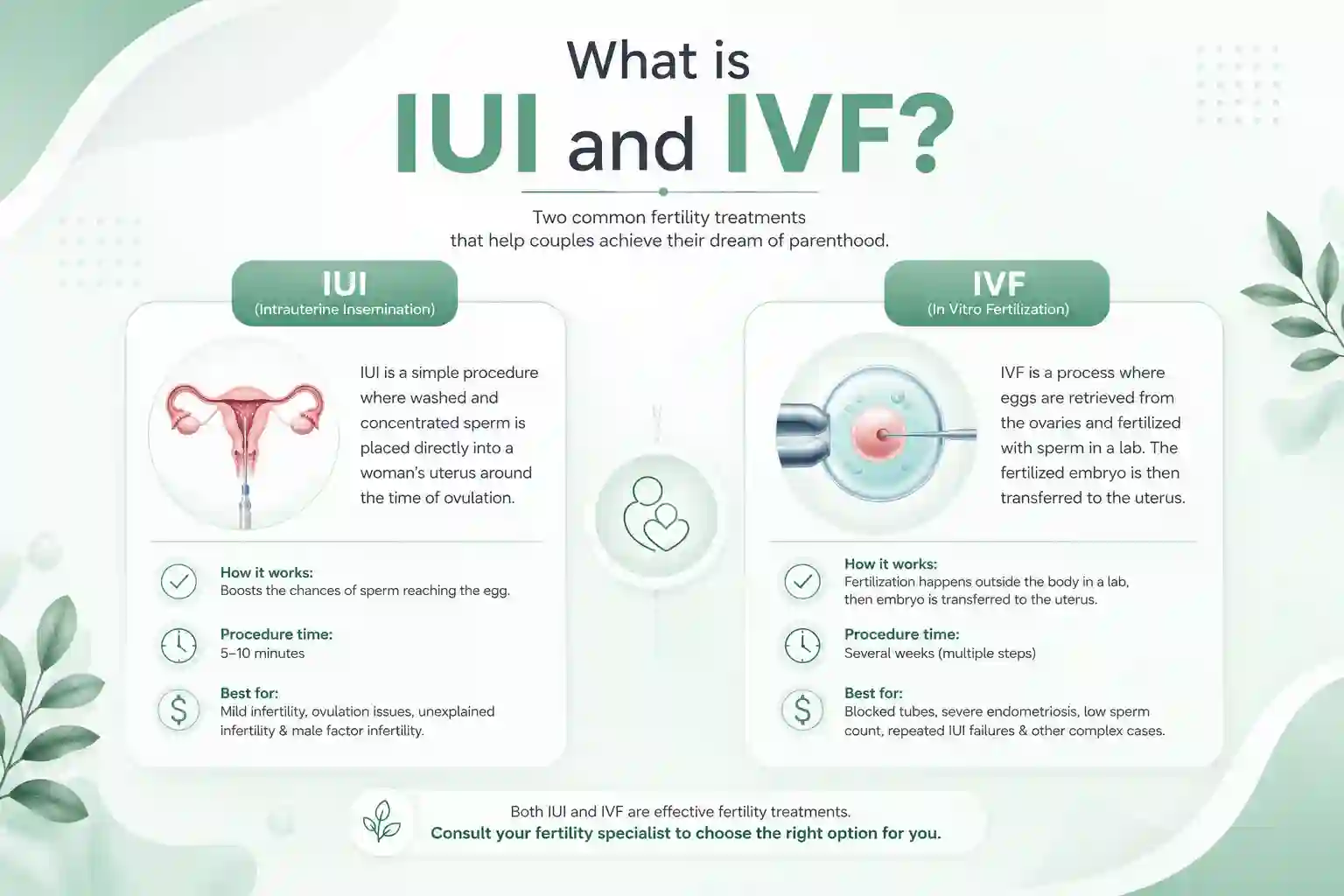
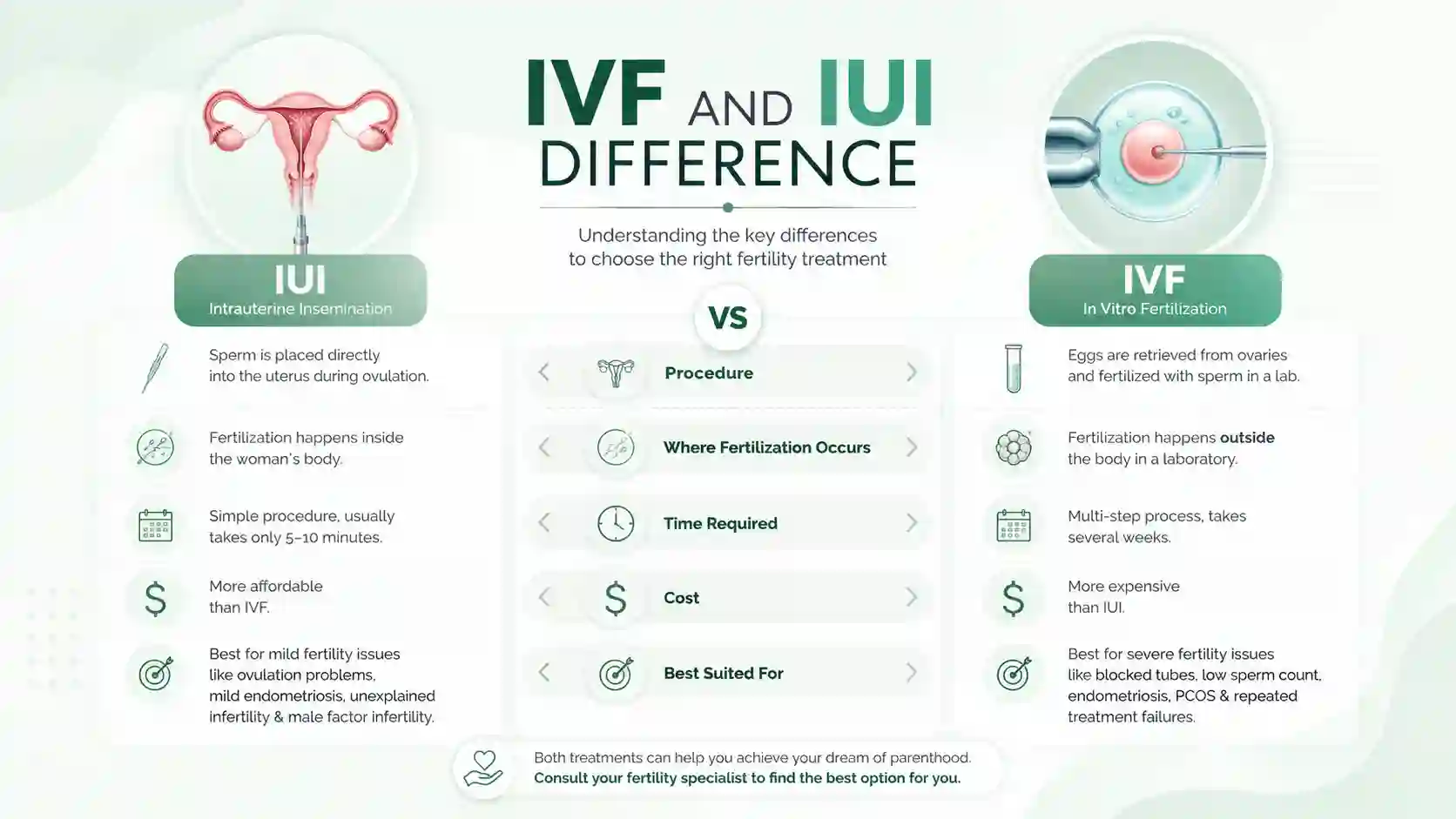
IVF (In Vitro Fertilization) is a fertility treatment where eggs are retrieved from the ovaries and fertilized with sperm in a laboratory. The resulting embryo is then transferred into the uterus in hopes of achieving pregnancy.
IVF may be recommended for:
- Blocked fallopian tubes
- Male infertility
- Endometriosis
- Ovulation disorders
- Unexplained infertility
- Advanced maternal age
- Recurrent pregnancy loss
It is often considered when other fertility treatments have been unsuccessful or are unlikely to be effective.
Why Are the Benefits of IVF Important?
Infertility can be emotionally, physically, and financially challenging. Understanding the benefits of IVF helps patients:
- Explore available treatment options
- Set realistic expectations
- Understand potential advantages
- Make informed reproductive decisions
Every fertility journey is unique, but IVF provides opportunities that may not be possible through natural conception alone.
How Does IVF Work?
The IVF process typically includes:
- Ovarian stimulation with fertility medications
- Egg retrieval
- Laboratory fertilization
- Embryo development
- Embryo transfer
- Pregnancy testing
Because fertilization occurs in a controlled laboratory environment, doctors can closely monitor embryo development and treatment progress.
Major Benefits of IVF
1. Helps Overcome Multiple Causes of Infertility
One of the biggest benefits of IVF is its ability to treat a wide variety of fertility problems.
IVF may help patients with:
- Blocked or damaged fallopian tubes
- Severe male infertility
- Endometriosis
- Ovulation disorders
- Unexplained infertility
This makes IVF one of the most versatile fertility treatments available.
2. Higher Pregnancy Potential for Many Patients
Compared with some fertility treatments, IVF often offers higher pregnancy rates, particularly for patients with more complex fertility challenges.
Success depends on many factors, including:
- Female age
- Egg quality
- Embryo quality
- Sperm health
- Uterine health
While IVF cannot guarantee pregnancy, it can significantly improve the chances of conception for many couples.
3. Helps Patients With Male Infertility
IVF can be especially beneficial when male fertility factors are involved.
Advanced techniques such as ICSI (Intracytoplasmic Sperm Injection) allow embryologists to inject a single sperm directly into an egg.
This may help patients with:
- Low sperm count
- Poor sperm motility
- Abnormal sperm morphology
4. Allows Embryo Selection
During IVF, embryologists monitor embryo development and select embryos for transfer based on growth and quality.
This allows doctors to:
- Assess embryo development
- Improve treatment planning
- Optimize embryo transfer decisions
5. Supports Genetic Testing
IVF allows the option of Preimplantation Genetic Testing (PGT) when medically appropriate.
PGT may help:
- Identify certain chromosomal abnormalities
- Screen for specific inherited genetic conditions
- Assist with embryo selection
Not every patient requires genetic testing, but it can be valuable in selected situations.
6. Fertility Preservation Opportunities
Another major benefit of IVF is fertility preservation.
Patients may freeze:
- Eggs
- Embryos
- Sperm
This may be helpful for:
- Individuals delaying parenthood
- Cancer patients before treatment
- Patients with declining fertility
7. Helps Same-Sex Couples and Single Parents
IVF expands family-building opportunities beyond traditional conception.
It may help:
- Same-sex couples
- Single parents by choice
- Individuals using donor sperm
- Individuals using donor eggs
This makes IVF an important reproductive option for many different family structures.
8. Frozen Embryo Transfer Options
Modern embryo freezing technology allows embryos to be preserved and transferred in future cycles.
Benefits include:
- Additional pregnancy opportunities
- Reduced need for repeat egg retrieval
- More flexibility in family planning
9. Better Timing and Control
IVF provides a highly controlled reproductive process.
Doctors can carefully monitor:
- Hormone levels
- Egg development
- Embryo growth
- Transfer timing
This level of control may improve treatment planning and management.
Risks, Side Effects, or Limitations
While IVF offers many benefits, patients should also understand its limitations.
Medication Side Effects
Possible side effects include:
- Bloating
- Fatigue
- Mood changes
- Breast tenderness
Ovarian Hyperstimulation Syndrome (OHSS)
Rarely, fertility medications may overstimulate the ovaries.
Emotional Challenges
The fertility journey can be emotionally demanding.
No Guaranteed Pregnancy
Even with advanced technology, IVF cannot guarantee success.
Cost, Timeline, or Success Rate
Typical IVF Timeline
| IVF Stage | Duration |
| Fertility evaluation | 1–2 weeks |
| Ovarian stimulation | 8–14 days |
| Egg retrieval | 1 day |
| Embryo culture | 3–5 days |
| Pregnancy testing | 10–14 days after transfer |
A full IVF cycle generally takes around 4–6 weeks.
Success Rates
IVF success depends on:
- Female age
- Egg quality
- Embryo quality
- Fertility diagnosis
- Overall reproductive health
Younger patients generally have higher success rates.
Factors Affecting IVF Success
Several factors influence how well IVF works.
Age
Female age remains one of the strongest predictors of success.
Embryo Quality
Healthy embryos improve implantation potential.
Uterine Health
A healthy uterine lining supports pregnancy.
Lifestyle Habits
Factors such as smoking, obesity, excessive alcohol use, and poor sleep may affect fertility outcomes.
Fertility Diagnosis
Underlying reproductive conditions can influence treatment success.
Emotional & Patient Perspective
The benefits of IVF extend beyond medical treatment.
For many patients, IVF offers:
- Hope
- A path to parenthood
- Reproductive choices
- Greater understanding of fertility health
However, it is also normal to experience:
- Anxiety
- Emotional stress
- Financial concerns
- Uncertainty
Support from fertility specialists, counselors, family, and support groups can help throughout the process.
Tips, Recommendations, or Preparation Guide
If you are considering IVF:
- Schedule a fertility evaluation
- Understand your diagnosis
- Ask questions about treatment options
- Maintain a healthy lifestyle
- Follow medical advice carefully
- Discuss emotional and financial planning
Being informed can help make the IVF journey less stressful.
When to See a Fertility Specialist
You should consider fertility evaluation if:
- You have been trying to conceive for over one year
- You are over age 35 and have been trying for six months
- You have irregular periods
- You have recurrent miscarriages
- Male infertility concerns are present
- You have known reproductive health conditions
Early assessment can help identify the most effective treatment options.
The benefits of IVF extend far beyond simply helping patients become pregnant. IVF can overcome many causes of infertility, provide access to advanced reproductive technologies, support genetic testing, preserve fertility for the future, and help a wide range of individuals and couples achieve their family-building goals.
While IVF is not the right choice for every situation and cannot guarantee pregnancy, it remains one of the most effective fertility treatments available today. Working closely with an experienced fertility specialist can help determine whether IVF is the best option for your unique reproductive journey.
FAQs About Benefits of IVF
What are the main benefits of IVF?
IVF can help overcome infertility, improve pregnancy chances, allow embryo selection, support genetic testing, and provide fertility preservation options.
Can IVF help male infertility?
Yes. Techniques such as ICSI can help many men with low sperm count or poor sperm quality.
Does IVF offer higher success rates than IUI?
In many cases, IVF provides higher pregnancy rates, particularly for more complex fertility conditions.
Can embryos be frozen during IVF?
Yes. Embryo freezing allows future pregnancy attempts without repeating the entire IVF process.
Is genetic testing possible with IVF?
Yes. Preimplantation Genetic Testing (PGT) can be performed when medically appropriate.