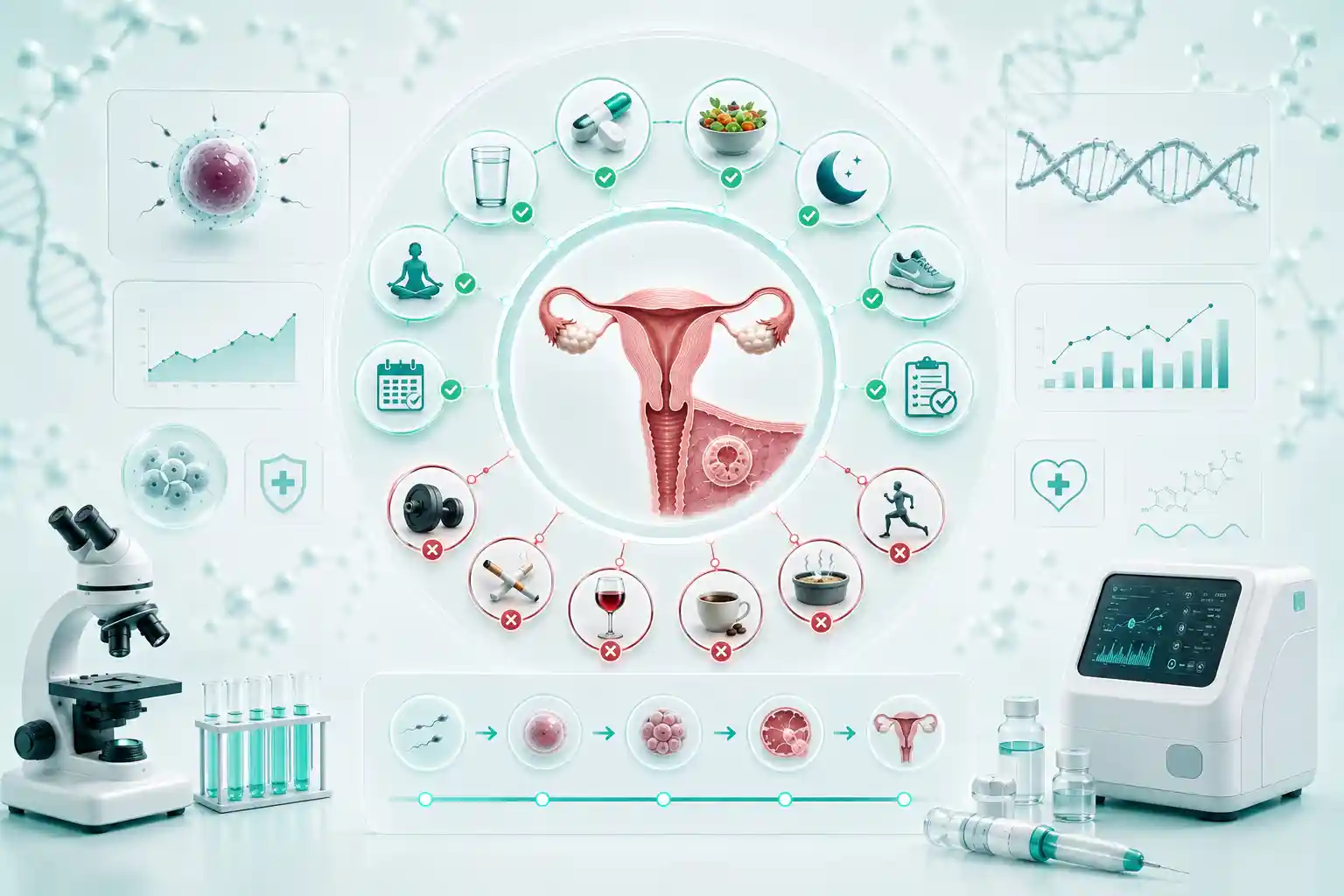
After undergoing intrauterine insemination (IUI), it’s natural to wonder what you should and shouldn’t do while waiting for your pregnancy test. Many patients worry that everyday activities could affect implantation or reduce the chances of success. Understanding the right after IUI precautions can help you recover comfortably while maintaining a healthy lifestyle during this important phase.
The good news is that IUI is a minimally invasive procedure, and most people can return to their normal daily routine soon afterward. While there is no scientific evidence that strict bed rest or avoiding routine activities improves pregnancy rates, following your fertility specialist’s advice and adopting healthy habits can support your overall well-being throughout the two-week wait.
What Are After IUI Precautions?
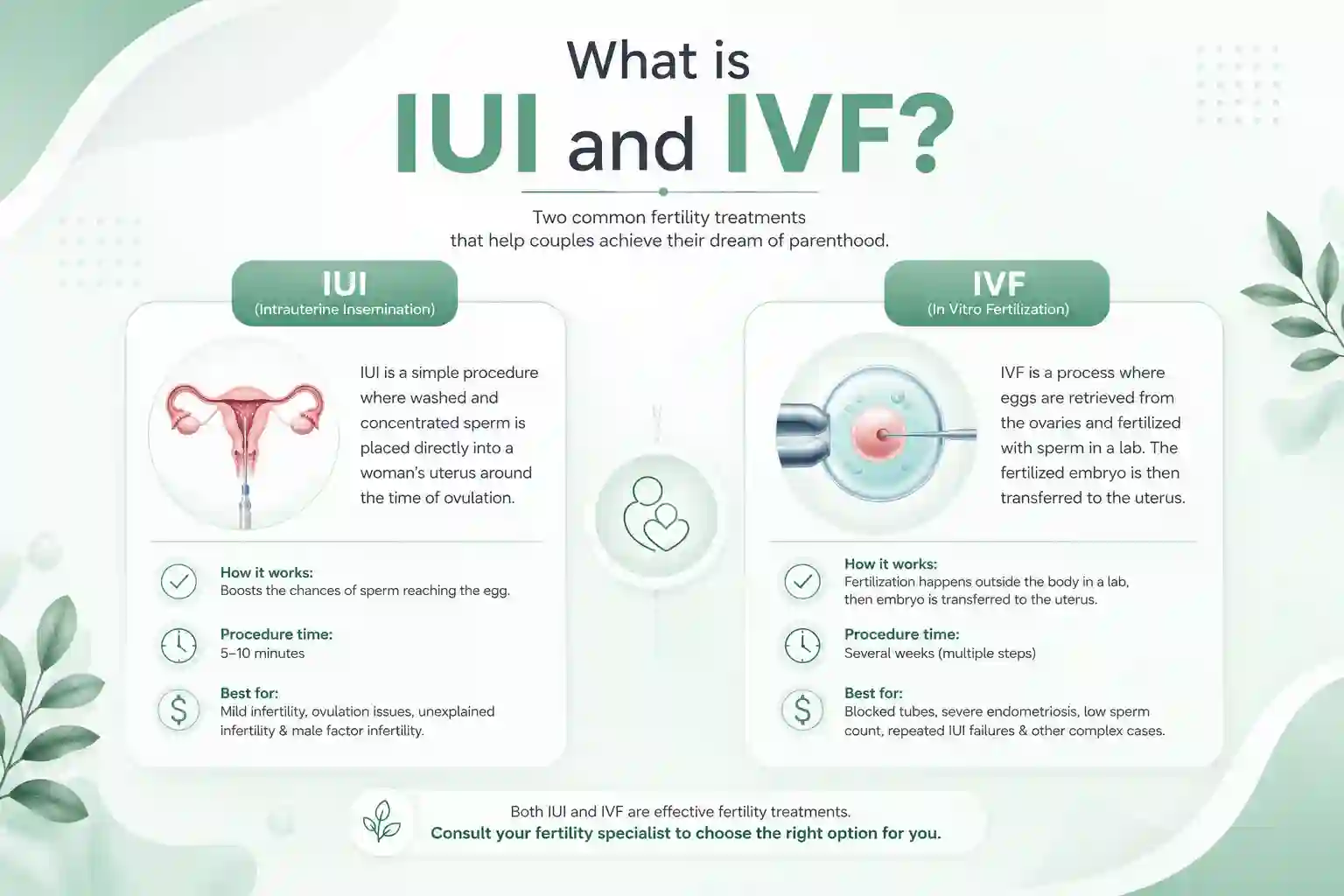
After IUI precautions are simple recommendations designed to promote recovery and support your health while your body goes through the natural process of fertilization and possible implantation.
These precautions generally include:
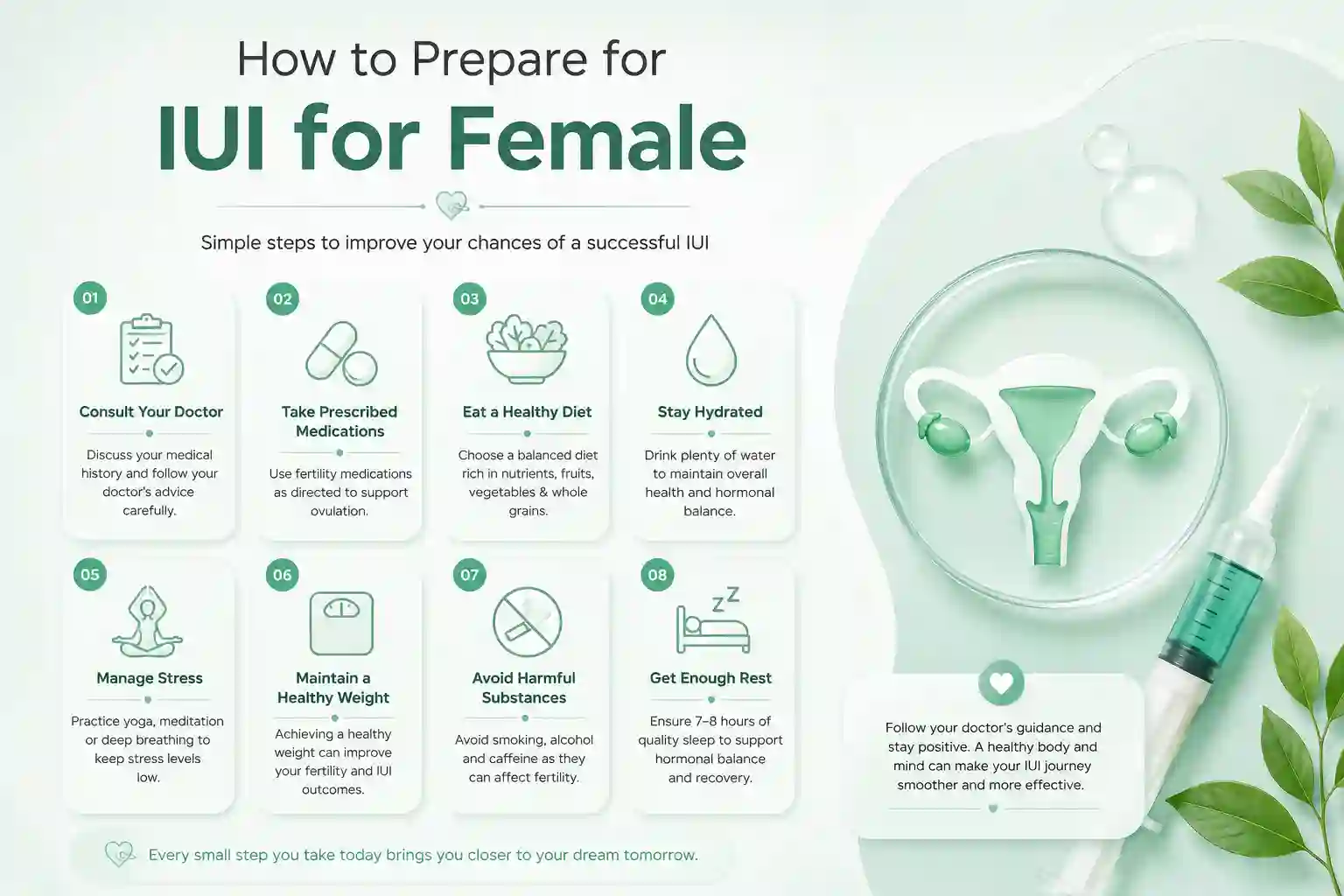
- Taking prescribed medications exactly as directed
- Eating a balanced and nutritious diet
- Staying well hydrated
- Avoiding smoking, alcohol, and recreational drugs
- Limiting strenuous physical activity
- Attending scheduled follow-up appointments
Your fertility specialist may provide additional instructions based on your medical history and treatment plan.
Why Are After IUI Precautions Important?
Following the recommended after IUI precautions can help you:
- Support your overall reproductive health
- Reduce unnecessary physical stress
- Encourage healthy habits during early pregnancy
- Minimize avoidable risks
- Feel more confident during the two-week wait
Although these precautions cannot guarantee pregnancy, they create a healthier environment for your body.
How Does Pregnancy Develop After IUI?
Understanding what happens after the procedure can help explain why post-treatment care is important.
Step 1: Ovulation
An egg is released naturally or after fertility medications.
Step 2: Fertilization
Prepared sperm travels through the reproductive tract and may fertilize the egg inside the fallopian tube.
Step 3: Embryo Development
The fertilized egg begins dividing while moving toward the uterus.
Step 4: Implantation
Several days later, the embryo may attach to the uterine lining.
Step 5: Pregnancy Hormone Production
If implantation is successful, the body begins producing human chorionic gonadotropin (hCG), which can later be detected by a pregnancy test.
Important After IUI Precautions
Continue All Prescribed Medications
Take progesterone, fertility medications, or any other prescribed medicines exactly as instructed.
Do not stop medications unless your fertility specialist advises you to do so.
Stay Hydrated
Drink plenty of water throughout the day to support your overall health and hydration.
Eat a Healthy, Balanced Diet
Choose foods rich in nutrients, including:
- Fresh fruits
- Vegetables
- Whole grains
- Lean proteins
- Healthy fats
- Dairy or calcium-rich alternatives
A balanced diet supports overall health, although no specific food has been proven to improve implantation.
Avoid Smoking and Alcohol
Smoking and alcohol may negatively affect fertility and early pregnancy. Many specialists recommend avoiding both while trying to conceive.
Limit Excessive Caffeine
Moderate caffeine intake is generally considered acceptable for many people, but follow your fertility specialist’s recommendations.
Avoid Strenuous Exercise
Light activities are usually safe, but avoid:
- Heavy weightlifting
- High-impact workouts
- Intense running
- Vigorous sports
Gentle walking and light stretching are often appropriate unless advised otherwise.
Avoid Excessive Heat
Avoid prolonged exposure to:
- Hot tubs
- Saunas
- Steam rooms
High body temperatures are generally discouraged during early pregnancy.
Manage Stress
While stress has not been proven to prevent pregnancy, healthy stress management may improve emotional well-being.
Helpful strategies include:
- Deep breathing exercises
- Meditation
- Reading
- Gentle yoga (if approved by your doctor)
- Listening to music
- Spending time with family and friends
What Can You Safely Do After IUI?
Most patients can safely:
- Return to work
- Walk normally
- Drive
- Climb stairs
- Perform light household activities
- Shower as usual
- Sleep in any comfortable position
- Continue normal daily routines
Always follow any specific instructions given by your fertility clinic.
Benefits of Following After IUI Precautions
Following healthy habits after IUI may help you:
- Recover comfortably
- Support your overall health
- Reduce unnecessary anxiety
- Build healthy pregnancy habits
- Feel more prepared during the two-week wait
Risks, Side Effects, or Limitations
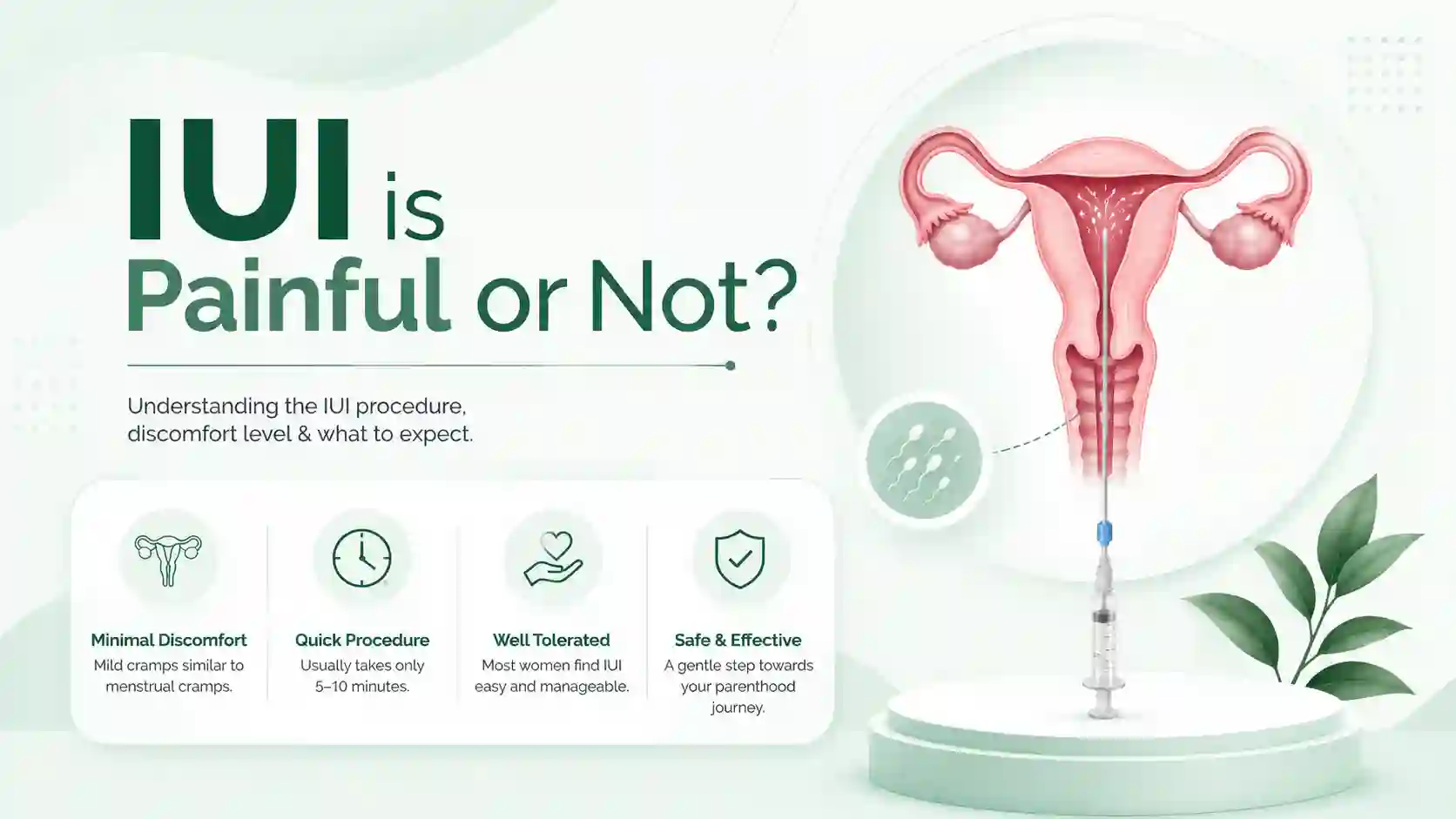
Mild side effects after IUI are common and usually temporary.
These may include:
- Mild cramping
- Light spotting
- Temporary pelvic discomfort
- Mild bloating
These symptoms typically improve within a day or two.
Severe symptoms are uncommon and should be evaluated by your healthcare provider.
Factors Affecting IUI Success
Several medical factors influence pregnancy more than post-procedure activity.
Female Age
Egg quality naturally declines with age.
Ovulation Timing
Accurate timing between ovulation and insemination is one of the most important factors for success.
Sperm Quality
Healthy sperm count, movement, and shape improve fertilization potential.
Cause of Infertility
Different fertility conditions respond differently to IUI treatment.
Overall Health
Maintaining a healthy lifestyle before and during treatment supports reproductive health.
Emotional & Patient Perspective
The days after IUI can feel emotionally challenging.
Many patients experience:
- Hope
- Excitement
- Anxiety
- Frequent symptom checking
- Concern about doing something “wrong”
Fortunately, there is no evidence that everyday activities such as walking, working, climbing stairs, or sleeping in a particular position interfere with implantation after a routine IUI.
Instead of focusing on restrictions, concentrate on healthy habits and following your treatment plan.
Tips During the Two-Week Wait
To support your recovery:
- Continue prescribed medications.
- Stay hydrated.
- Eat nutritious meals.
- Get 7–9 hours of sleep each night.
- Continue gentle daily activities.
- Avoid smoking and alcohol.
- Avoid taking an early pregnancy test unless advised.
- Attend all follow-up appointments.
When to See a Fertility Specialist
Contact your fertility specialist immediately if you experience:
- Severe pelvic or abdominal pain
- Heavy vaginal bleeding
- Fever
- Persistent vomiting
- Difficulty breathing
- Significant abdominal swelling
- Foul-smelling vaginal discharge
These symptoms require prompt medical evaluation.
Following the recommended after IUI precautions can help you feel more confident and comfortable during the two-week wait. Most people can safely return to normal daily activities after the procedure, but it’s important to continue prescribed medications, maintain a healthy lifestyle, avoid smoking and alcohol, limit strenuous exercise, and attend all follow-up appointments. While no precaution can guarantee pregnancy, taking good care of your physical and emotional health gives you the best opportunity to move through your fertility journey with confidence.
FAQs About After IUI Precautions
1. Should I take complete bed rest after IUI?
No. Most fertility specialists do not recommend complete bed rest. Light daily activities are generally safe unless your doctor advises otherwise.
2. Can I walk after IUI?
Yes. Walking and other gentle activities are usually encouraged after IUI.
3. Can I climb stairs after IUI?
Yes. Climbing stairs and performing normal household activities are generally considered safe after the procedure.
4. What should I avoid after IUI?
Avoid smoking, alcohol, recreational drugs, excessive heat, strenuous exercise, and medications that have not been approved by your fertility specialist.
5. Can I travel after IUI?
Most people can travel if they feel well, but discuss long-distance travel plans with your fertility specialist if you have concerns.
6. Can I take a pregnancy test immediately after IUI?
No. Most fertility specialists recommend waiting about 14 days after IUI for the most accurate result.
7. When should I contact my fertility clinic?
Seek medical advice if you experience severe abdominal pain, heavy bleeding, fever, persistent vomiting, significant abdominal swelling, or any symptoms that concern you after the procedure.