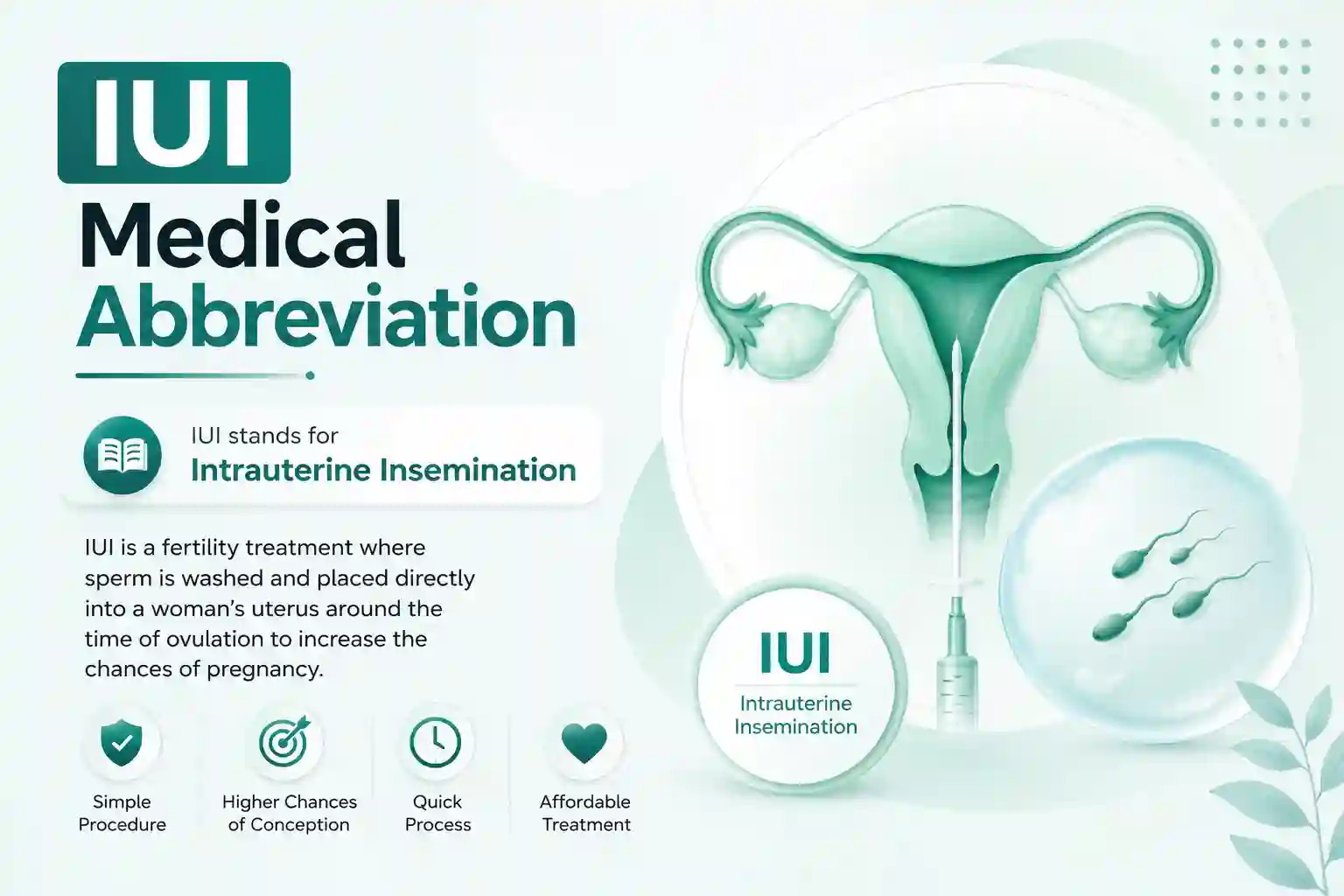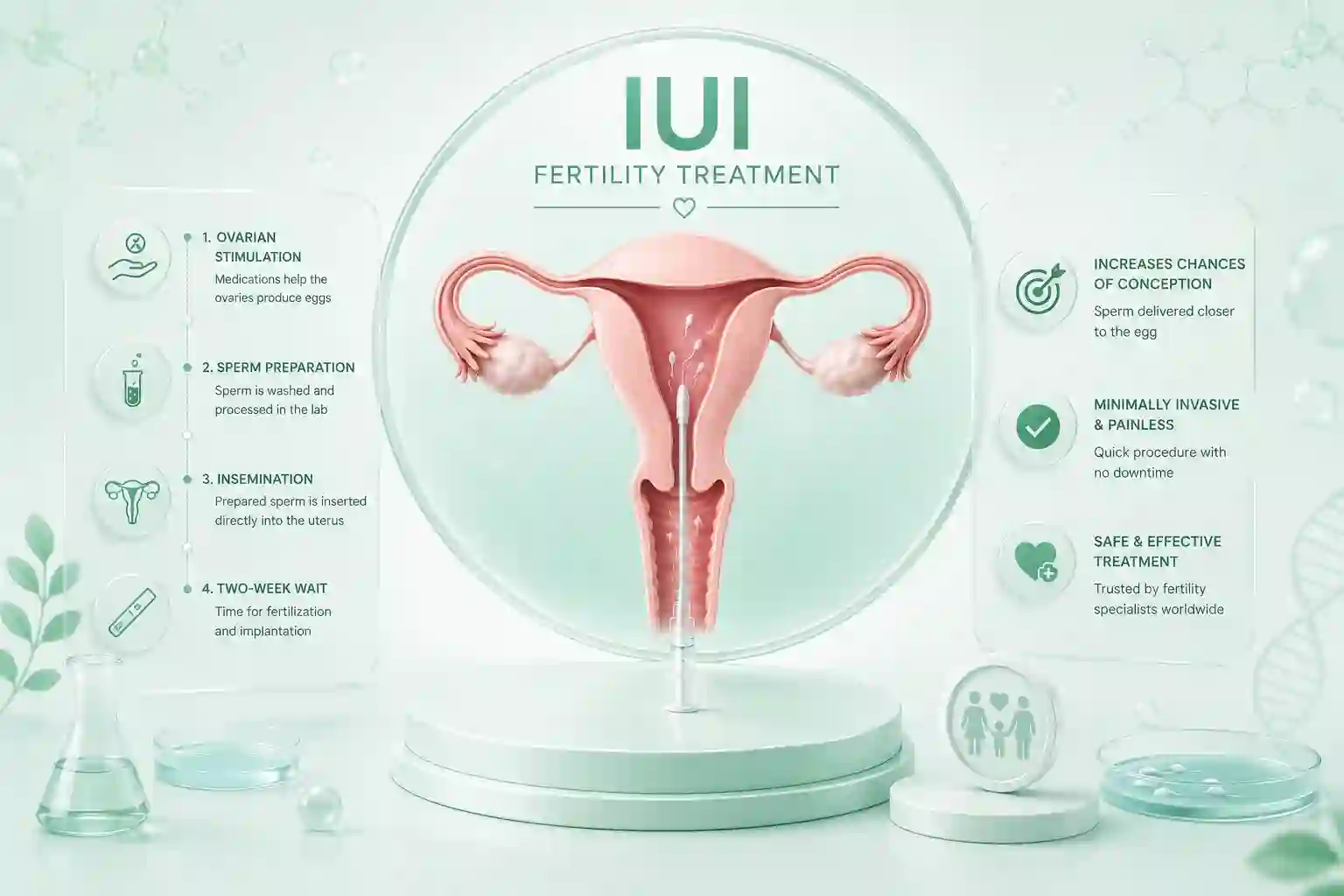
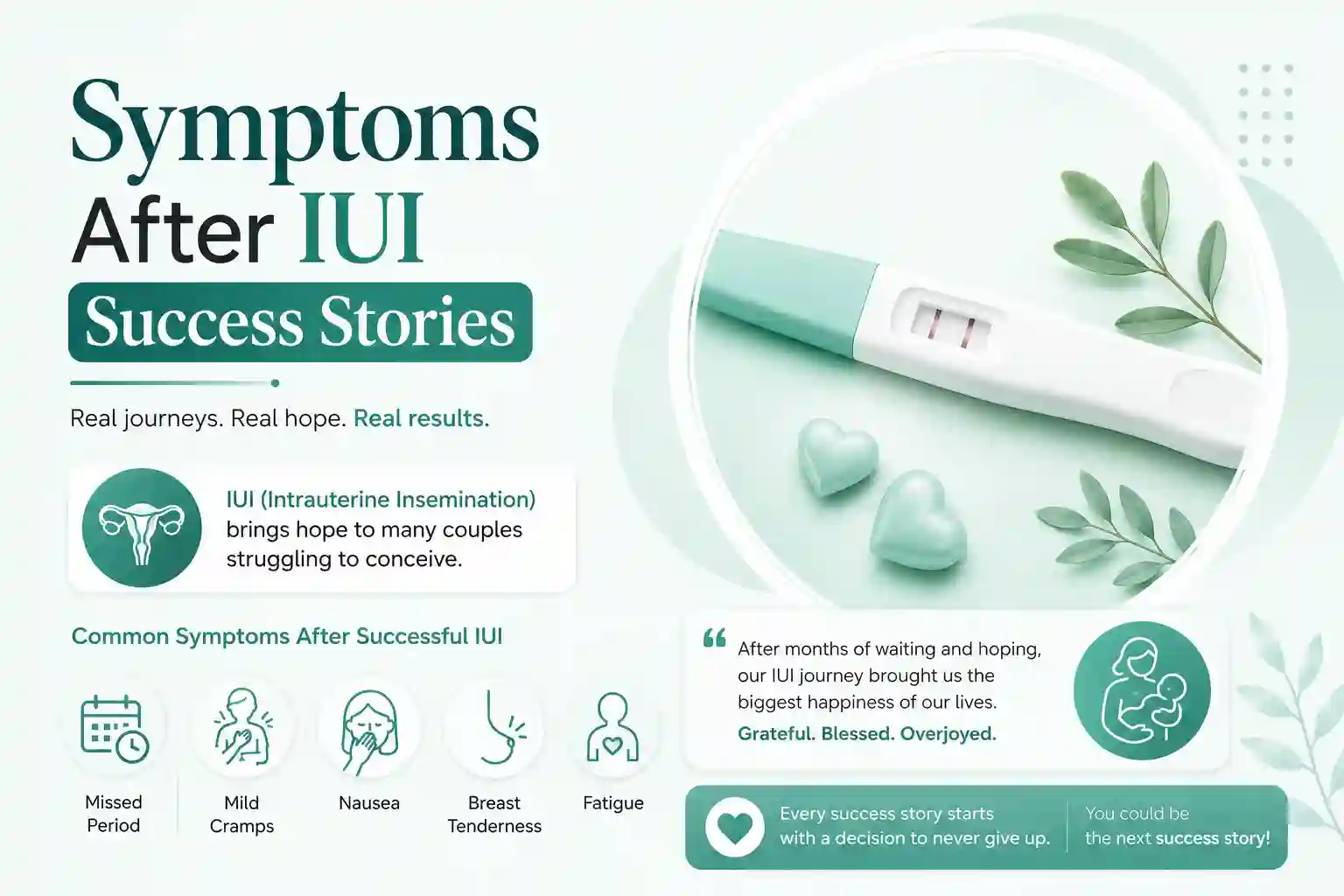
The two-week wait after Intrauterine Insemination (IUI) can be one of the most emotional parts of the fertility journey. Many people search for symptoms after IUI success stories to compare their experiences and look for signs that implantation has occurred. While some individuals who become pregnant after IUI notice early symptoms, others experience no symptoms at all and still have a successful pregnancy.
It’s important to remember that symptoms alone cannot confirm pregnancy. Many early pregnancy signs overlap with premenstrual symptoms or can be caused by fertility medications, particularly progesterone supplementation. The only reliable way to confirm pregnancy after IUI is with a pregnancy test, usually a beta-hCG blood test performed about 14 days after the procedure, as recommended by your fertility clinic.
This guide explores the most commonly reported symptoms after IUI success stories, what may cause them, and when to seek medical advice.
Can You Have Symptoms After a Successful IUI?
Yes. Some people who have a successful IUI report experiencing early pregnancy symptoms before their pregnancy test, while others notice nothing unusual.
Common experiences shared in successful IUI pregnancies include:
- Mild implantation cramping
- Light spotting
- Breast tenderness
- Fatigue
- Bloating
- Increased vaginal discharge
- Mild nausea
- Frequent urination
- Heightened sense of smell
However, none of these symptoms can reliably predict pregnancy because they may also occur before a menstrual period or as side effects of fertility medications.
Common Symptoms Reported in IUI Success Stories
Mild Cramping
Some patients describe light cramping several days after IUI. If implantation occurs, mild uterine cramping may be noticed, although many pregnant individuals never experience it.
Implantation Spotting
A small number of people report light pink or brown spotting around the expected time of implantation. This is usually much lighter than a menstrual period and is not experienced by everyone.
Breast Tenderness
Tender, swollen, or sensitive breasts are frequently mentioned in successful IUI stories. Rising progesterone and early pregnancy hormones may contribute to these changes, but fertility medications can produce similar symptoms.
Fatigue
Feeling unusually tired is one of the most commonly reported early pregnancy symptoms. Increasing progesterone levels and early hormonal changes may contribute to fatigue.
Bloating
Some patients notice abdominal fullness or bloating after IUI. This may be related to hormonal medications, ovulation, or early pregnancy.
Increased Vaginal Discharge
Some people report clear or milky vaginal discharge after a successful IUI cycle. This can also be a normal hormonal response and is not specific to pregnancy.
Mild Nausea
Although nausea is more common later in the first trimester, a few individuals report feeling mildly nauseated before their pregnancy test.
Frequent Urination
Some early pregnancies are associated with increased urination, although this symptom is usually more noticeable after pregnancy is confirmed.
When Do Symptoms Usually Begin After IUI?
Every pregnancy is different, but implantation typically occurs about 6–12 days after ovulation or insemination. If pregnancy occurs, symptoms—if they appear at all—may begin around this time or after implantation.
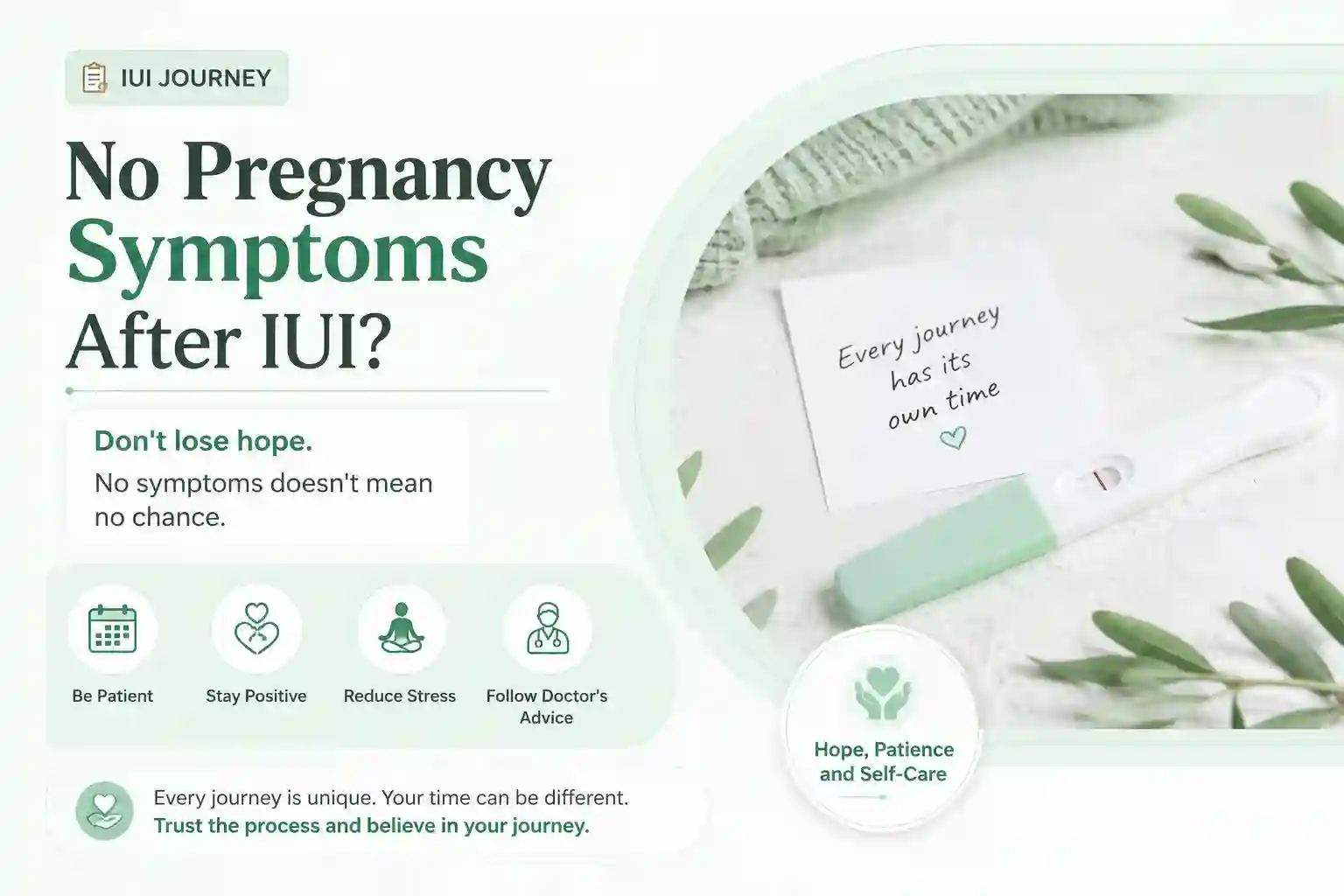
Many people experience no symptoms before their positive pregnancy test, which is completely normal.
Symptoms That Do Not Guarantee Pregnancy
Many symptoms reported after IUI can occur even when pregnancy has not occurred.
These include:
- Breast soreness
- Bloating
- Cramping
- Mood changes
- Fatigue
- Mild pelvic discomfort
Progesterone supplements commonly prescribed after IUI can mimic many early pregnancy symptoms.
When Should You Take a Pregnancy Test?
Most fertility clinics recommend waiting about 14 days after IUI before having a beta-hCG blood test or taking a home pregnancy test, depending on your healthcare provider’s advice.
Testing too early may result in:
- False-negative results if hCG levels are still low.
- False-positive results if an hCG trigger injection was used recently.
Following your clinic’s testing schedule provides the most accurate results.
Benefits of Understanding Post-IUI Symptoms
Knowing what symptoms may occur can help you:
- Set realistic expectations during the two-week wait.
- Reduce unnecessary anxiety about normal body changes.
- Recognize symptoms that warrant medical attention.
- Understand that the absence of symptoms does not mean treatment has failed.
Risks, Side Effects, or Limitations
Symptoms alone should not be used to determine whether IUI has been successful.
Keep in mind:
- Fertility medications can cause pregnancy-like symptoms.
- Every pregnancy is different.
- Some successful pregnancies have no early symptoms.
- Only a pregnancy test can confirm pregnancy.
Factors Affecting IUI Success
Several factors influence pregnancy after IUI, including:
Female Age
Egg quality and ovarian reserve generally decline with age.
Ovulation Timing
Proper timing of insemination relative to ovulation is essential.
Sperm Quality
Healthy sperm count, motility, and morphology improve the chances of fertilization.
Fallopian Tube Health
At least one open fallopian tube is generally required for fertilization.
Underlying Cause of Infertility
The reason for infertility significantly affects treatment success.
Emotional & Patient Perspective
Reading symptoms after IUI success stories can provide reassurance, but it’s also important to remember that everyone’s experience is unique. Some people describe noticeable symptoms before receiving a positive pregnancy test, while others feel completely normal and still have a healthy pregnancy. Comparing symptoms with others may increase anxiety, so it’s often more helpful to follow your fertility clinic’s guidance and wait for the recommended pregnancy test.
Tips During the Two-Week Wait
To help manage this waiting period:
- Continue taking prescribed medications.
- Avoid testing too early unless advised by your healthcare provider.
- Maintain normal daily activities unless instructed otherwise.
- Eat a balanced diet and stay hydrated.
- Reach out to your fertility team if you experience severe pain, heavy bleeding, or other concerning symptoms.
When to See a Fertility Specialist
Contact your fertility clinic promptly if you experience:
- Severe abdominal or pelvic pain.
- Heavy vaginal bleeding.
- Fever or signs of infection.
- Difficulty breathing.
- Symptoms of ovarian hyperstimulation syndrome (OHSS), if applicable.
Many people search for symptoms after IUI success stories hoping to find reassurance during the two-week wait. While symptoms such as mild cramping, breast tenderness, fatigue, bloating, or light spotting are commonly reported in successful IUI pregnancies, they are not reliable indicators of pregnancy and can also occur because of hormonal changes or fertility medications. The absence of symptoms is equally common and does not mean the treatment has failed. The most accurate way to determine whether IUI has been successful is to follow your fertility clinic’s recommendation for pregnancy testing, usually with a beta-hCG blood test about 14 days after the procedure.
FAQs About Symptoms After IUI Success Stories
1. What symptoms are commonly reported in IUI success stories?
Commonly reported symptoms include mild cramping, breast tenderness, fatigue, bloating, increased vaginal discharge, light spotting, and occasional nausea. However, not everyone experiences these symptoms.
2. Can you be pregnant after IUI without any symptoms?
Yes. Many people have successful pregnancies after IUI without experiencing noticeable symptoms before their positive pregnancy test.
3. Is cramping after IUI a good sign?
Mild cramping can occur after IUI for several reasons, including the procedure itself, hormonal changes, or implantation. It is not a reliable sign of pregnancy on its own.
4. Does implantation spotting happen after every successful IUI?
No. Implantation spotting occurs in only some pregnancies, and many successful pregnancies happen without any spotting.
5. Can progesterone cause pregnancy-like symptoms after IUI?
Yes. Progesterone supplements commonly used after IUI can cause breast tenderness, bloating, fatigue, and other symptoms that resemble early pregnancy.
6. When should I take a pregnancy test after IUI?
Most fertility clinics recommend a beta-hCG blood test about 14 days after IUI or following your healthcare provider’s specific instructions.
7. Does having more symptoms mean IUI was successful?
No. The number or intensity of symptoms does not predict whether IUI has resulted in pregnancy. Only a pregnancy test can confirm the outcome.