If you’re undergoing In Vitro Fertilization (IVF), one of the most important stages of treatment is the embryo transfer. This is the step where a carefully selected embryo is placed into the uterus with the goal of achieving implantation and pregnancy.
An IVF embryo transfer is a simple, minimally invasive procedure that usually takes only a few minutes and generally does not require anesthesia. Although the procedure itself is straightforward, many patients find this to be the most emotional part of their IVF journey because it marks the beginning of the “two-week wait” before pregnancy testing.
This guide explains the IVF embryo transfer procedure, who may need it, what to expect before and after the transfer, success factors, recovery tips, and frequently asked questions.
What Is an IVF Embryo Transfer?
An IVF embryo transfer is the final step of an IVF cycle.
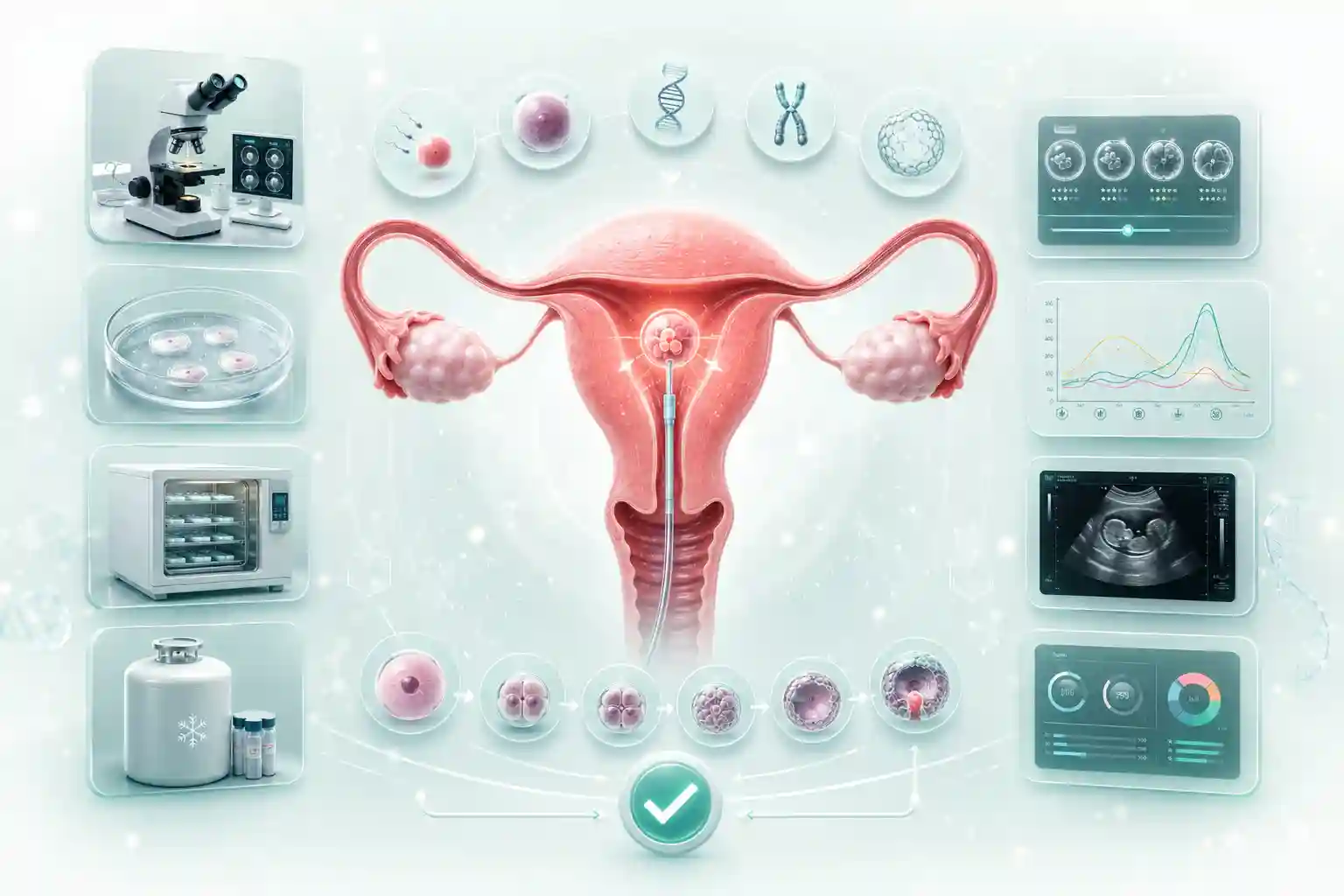
After eggs are fertilized in the laboratory and embryos develop for several days, one (or, in selected situations, more than one) embryo is placed into the uterus using a thin, flexible catheter.
If the embryo successfully implants into the uterine lining, pregnancy may occur.
When Is Embryo Transfer Performed?
The timing depends on the treatment plan.
Fresh Embryo Transfer
A fresh embryo transfer is performed during the same IVF cycle, usually 3–5 days after egg retrieval, depending on embryo development and the patient’s condition.
Frozen Embryo Transfer (FET)
A frozen embryo transfer is performed in a later menstrual cycle after previously frozen embryos have been thawed.
Your fertility specialist will recommend the most appropriate option for your situation.
Step-by-Step IVF Embryo Transfer Procedure
Step 1: Embryo Selection
The embryology team evaluates embryo development and selects the embryo(s) for transfer.
Step 2: Preparing the Uterus
The uterine lining is assessed by ultrasound to ensure it is suitable for implantation.
Hormonal medications such as progesterone are commonly used to prepare the endometrium.
Step 3: The Embryo Transfer
During the procedure:
- You lie comfortably on an examination table.
- A speculum is gently inserted into the vagina.
- A thin, soft catheter containing the embryo is passed through the cervix.
- The embryo is carefully released into the uterus using ultrasound guidance.
The procedure usually takes 10–20 minutes.
Step 4: After the Transfer
You may rest briefly before going home.
Most patients can return to normal, light daily activities on the same day unless their fertility specialist advises otherwise.
Is Embryo Transfer Painful?
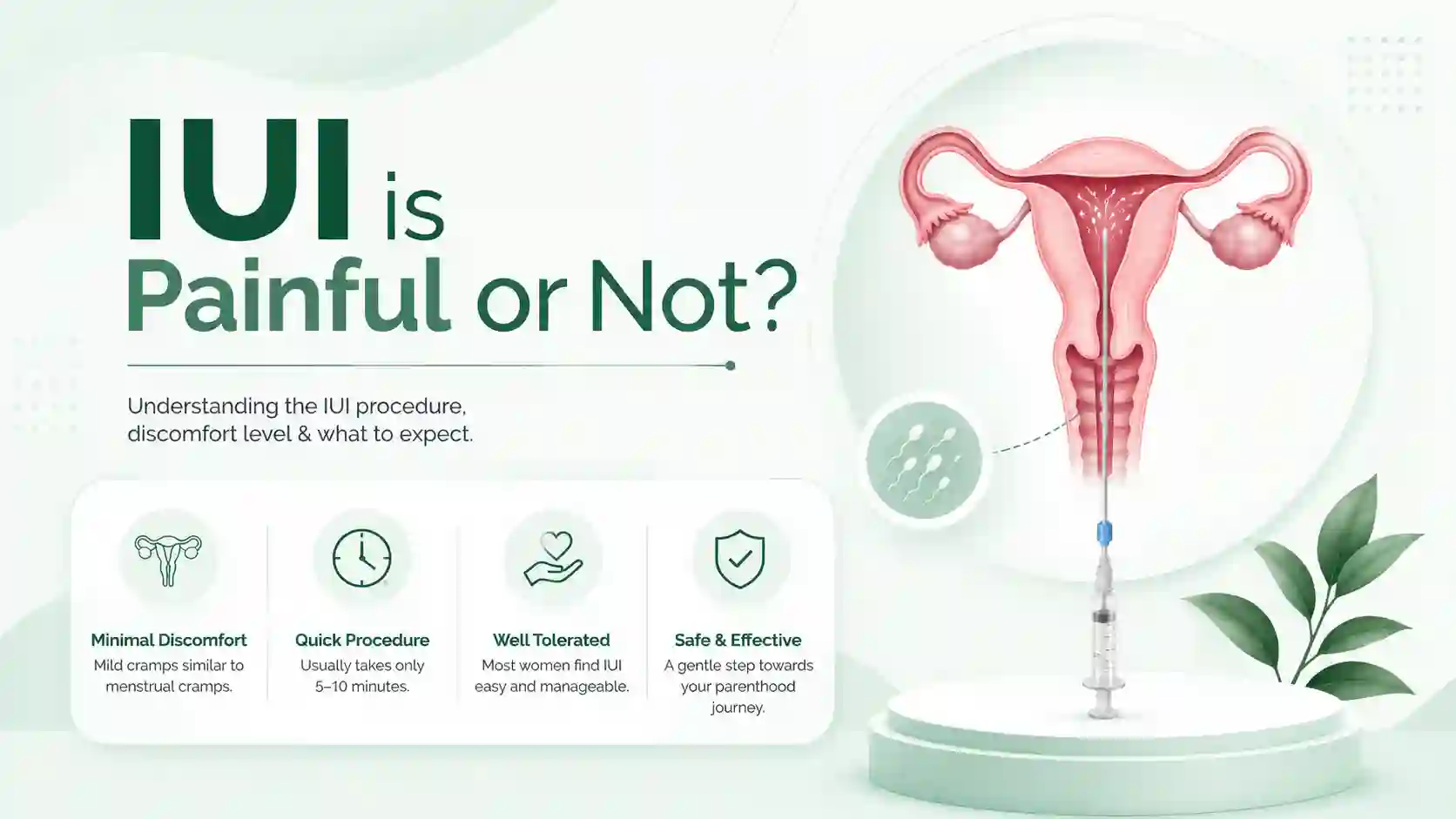
For most women, embryo transfer is not painful.
Some patients experience:
- Mild pressure
- Slight cramping
- Temporary discomfort similar to a Pap smear
Anesthesia is generally not required.
What Happens After Embryo Transfer?
Following the procedure:
- Continue prescribed medications, especially progesterone.
- Maintain normal light activities.
- Stay hydrated.
- Eat a balanced diet.
- Avoid smoking and alcohol.
- Follow your fertility specialist’s instructions.
A beta-hCG blood test is usually performed 10–14 days after embryo transfer to determine whether pregnancy has occurred.
Common Symptoms After Embryo Transfer
Some women notice:
- Mild cramping
- Light spotting
- Breast tenderness
- Fatigue
- Bloating
- Increased vaginal discharge
These symptoms may result from progesterone medication, embryo implantation, or normal hormonal changes.
Importantly, having symptoms—or having no symptoms—does not reliably predict whether the embryo transfer has been successful.
Factors Affecting Embryo Transfer Success
Several factors influence the likelihood of implantation.
Female Age
Younger women generally have higher pregnancy rates because of better egg quality.
Embryo Quality
High-quality embryos have a greater chance of successful implantation.
Uterine Health
A healthy uterine lining supports embryo implantation.
Hormonal Balance
Proper hormonal support is essential for implantation and early pregnancy.
Lifestyle Factors
Maintaining a healthy weight, eating a nutritious diet, avoiding smoking, limiting alcohol, and following medical advice all support reproductive health.
Benefits of IVF Embryo Transfer
Embryo transfer offers several advantages.
These include:
- A minimally invasive procedure
- Usually painless
- No surgical incision required
- Short recovery time
- Opportunity for pregnancy after successful implantation
- Can be performed using fresh or frozen embryos
Risks, Side Effects, or Limitations
Although embryo transfer is generally very safe, patients should know that:
- Pregnancy cannot be guaranteed.
- Mild cramping or spotting may occur afterward.
- Multiple pregnancy is possible if more than one embryo is transferred.
- Rarely, transfer may be technically difficult because of cervical anatomy.
Your fertility specialist will discuss the risks and benefits before treatment.
Emotional & Patient Perspective
The days after embryo transfer can feel like the longest part of the IVF journey.
Many patients find themselves:
- Wondering if every symptom means implantation.
- Feeling hopeful one day and anxious the next.
- Searching for signs that the transfer worked.
These emotions are completely normal. Try to remember that symptoms alone cannot predict success, and many women with successful pregnancies experience few or no noticeable symptoms before their pregnancy test.
Focus on following your treatment plan, taking your medications, and allowing yourself time to rest emotionally while waiting for your results.
Tips After Embryo Transfer
To support recovery:
- Continue all prescribed medications.
- Avoid smoking and alcohol.
- Stay hydrated.
- Eat a balanced diet.
- Resume light daily activities unless advised otherwise.
- Avoid stopping progesterone without medical advice.
- Wait for your scheduled pregnancy test instead of testing too early.
When to Contact Your Fertility Specialist
Contact your fertility specialist immediately if you experience:
- Heavy vaginal bleeding
- Severe abdominal pain
- Fever
- Persistent vomiting
- Difficulty breathing
- Significant abdominal swelling
- Severe pelvic pain
These symptoms require prompt medical evaluation.
An IVF embryo transfer is the final and one of the most important steps of the IVF process. During this simple, minimally invasive procedure, a carefully selected embryo is placed into the uterus in the hope of achieving implantation and pregnancy. While the procedure is usually painless and recovery is quick, success depends on several factors, including embryo quality, female age, uterine health, and overall reproductive health. Following your fertility specialist’s instructions, continuing prescribed medications, and waiting for the recommended pregnancy test are the best ways to support your treatment journey.
FAQs About IVF Embryo Transfer
1. What is an IVF embryo transfer?
An IVF embryo transfer is a procedure in which a laboratory-developed embryo is placed into the uterus to achieve pregnancy.
2. Is embryo transfer painful?
Most women experience little or no pain. Mild cramping or pressure during the procedure is common, and anesthesia is usually not required.
3. How long does an embryo transfer take?
The procedure itself usually takes 10–20 minutes, although your clinic visit may be longer.
4. How many days after egg retrieval is embryo transfer performed?
A fresh embryo transfer is typically performed 3–5 days after egg retrieval, while frozen embryo transfer occurs in a later treatment cycle.
5. Can I walk after embryo transfer?
Yes. Most patients can walk and resume normal light activities after the procedure unless their fertility specialist advises otherwise.
6. When should I take a pregnancy test after embryo transfer?
A beta-hCG blood test is usually recommended 10–14 days after embryo transfer, depending on your clinic’s protocol.
7. Does having no symptoms mean the embryo transfer failed?
No. Many successful pregnancies occur without noticeable symptoms before the pregnancy test. Symptoms alone cannot determine whether implantation has occurred.