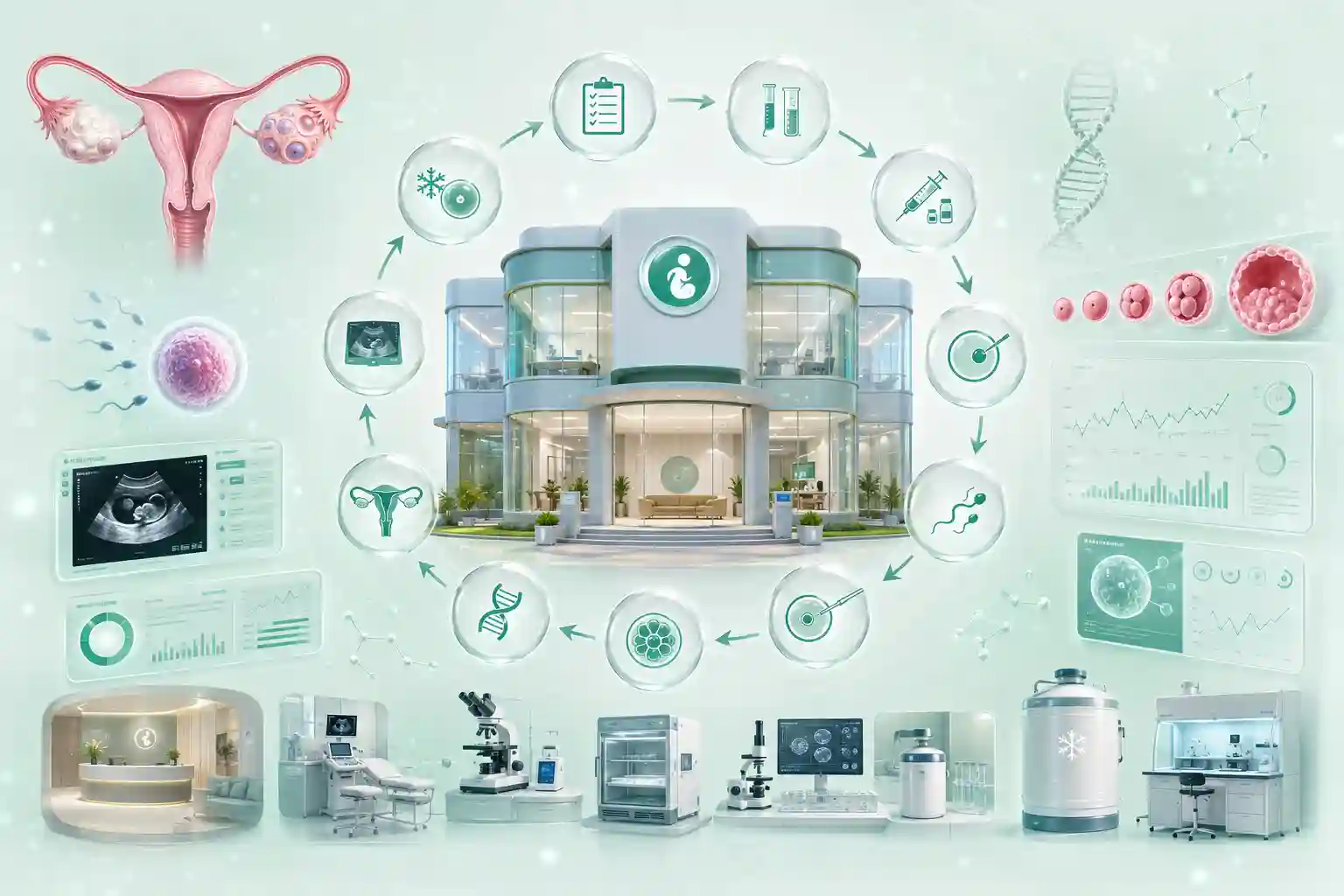
If you’re experiencing difficulty conceiving, you may have been referred to an IVF clinic. One of the first questions many people ask is, “What is an IVF clinic?” An IVF clinic is a specialized medical center that diagnoses and treats infertility using advanced reproductive technologies, including In Vitro Fertilization (IVF) and other assisted reproductive treatments.
An IVF clinic brings together fertility specialists, embryologists, nurses, counselors, and laboratory professionals to provide comprehensive fertility care. These clinics offer personalized treatment plans based on each patient’s medical history, fertility diagnosis, and reproductive goals.
This guide explains what an IVF clinic is, the services it provides, how treatment works, and how to choose the right fertility clinic.
What Is IVF Clinic?
An IVF clinic is a healthcare facility that specializes in evaluating and treating infertility.
These clinics provide a wide range of fertility services, including:
- Fertility evaluations
- IVF treatment
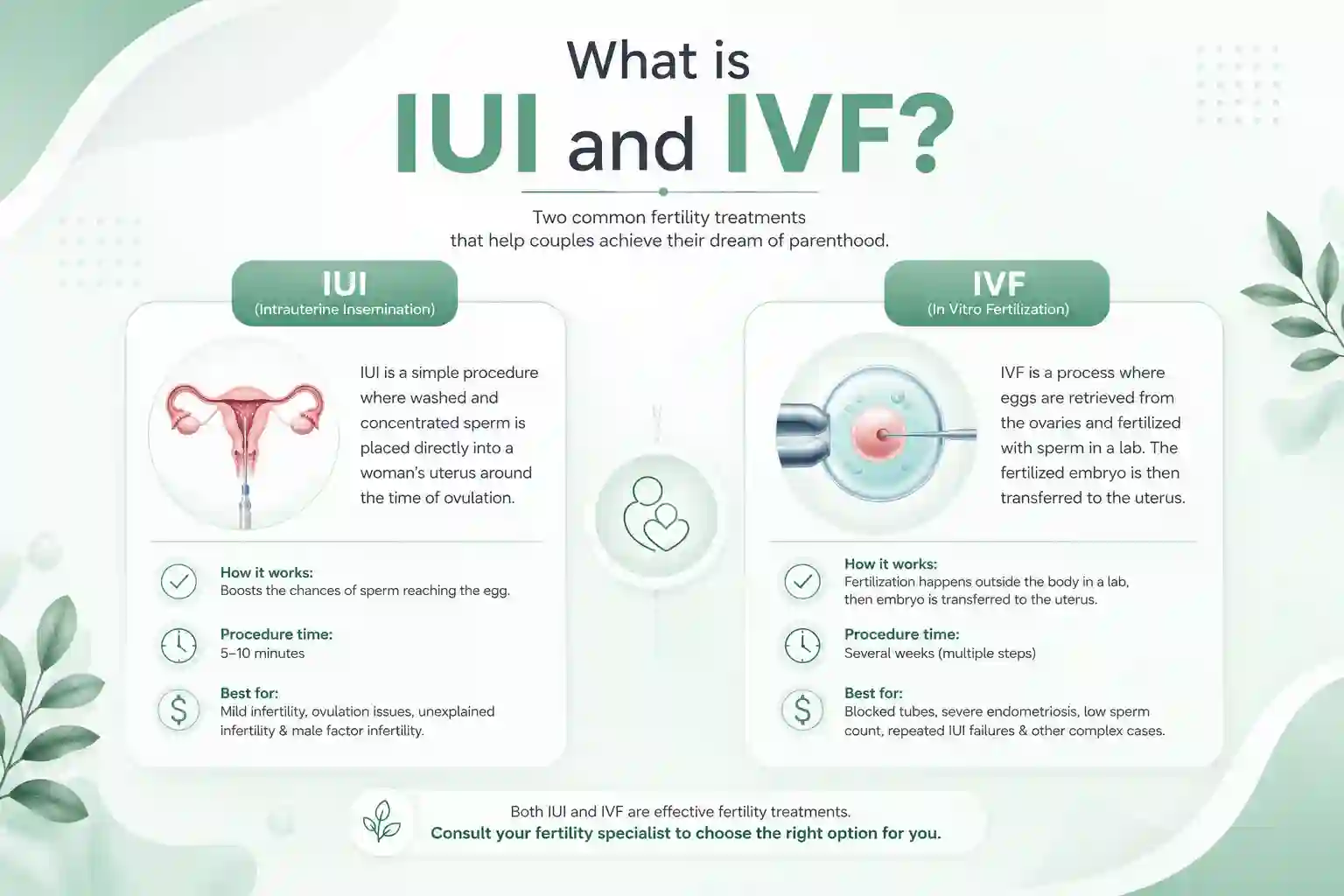
- Intrauterine Insemination (IUI)
- Intracytoplasmic Sperm Injection (ICSI)
- Fertility preservation
- Donor egg and donor sperm programs
- Genetic testing
- Fertility counseling
The goal of an IVF clinic is to help individuals and couples achieve pregnancy using evidence-based fertility treatments.
Who Should Visit an IVF Clinic?
You may benefit from visiting an IVF clinic if you have:
- Been trying to conceive for one year without success (or six months if you are 35 years or older)
- Irregular or absent menstrual cycles
- Blocked fallopian tubes
- Severe male factor infertility
- Endometriosis
- Polycystic Ovary Syndrome (PCOS)
- Recurrent pregnancy loss
- Previous unsuccessful fertility treatments
Early fertility evaluation can help identify the cause of infertility and guide appropriate treatment.
What Services Does an IVF Clinic Offer?
Most IVF clinics provide comprehensive fertility care.
Fertility Assessment
Initial investigations may include:
- Medical history review
- Physical examination
- Hormone blood tests
- Pelvic ultrasound
- Semen analysis
- Ovarian reserve testing
IVF Treatment
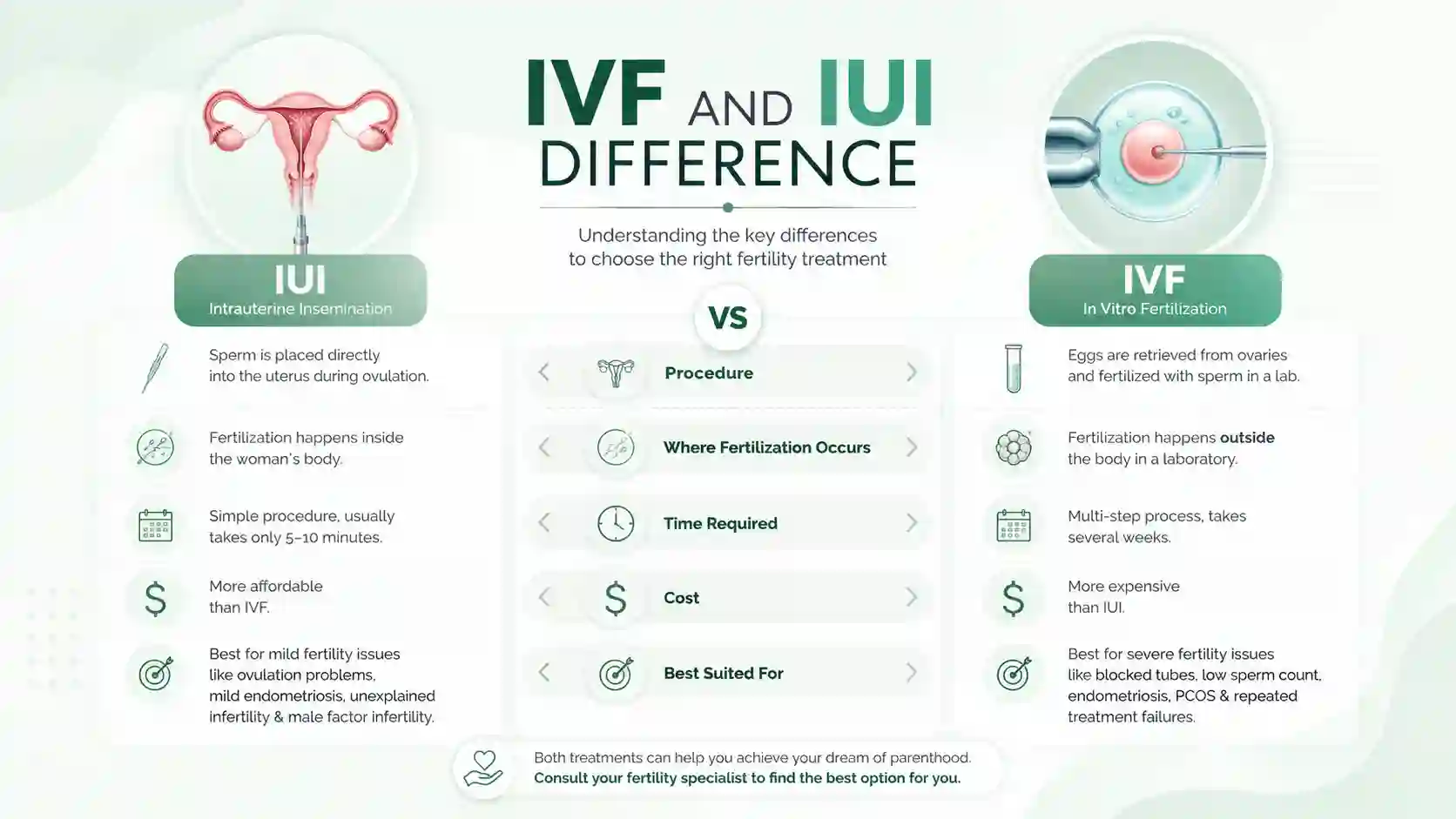
IVF involves:
- Ovarian stimulation
- Egg retrieval
- Laboratory fertilization
- Embryo culture
- Embryo transfer
IUI (Intrauterine Insemination)
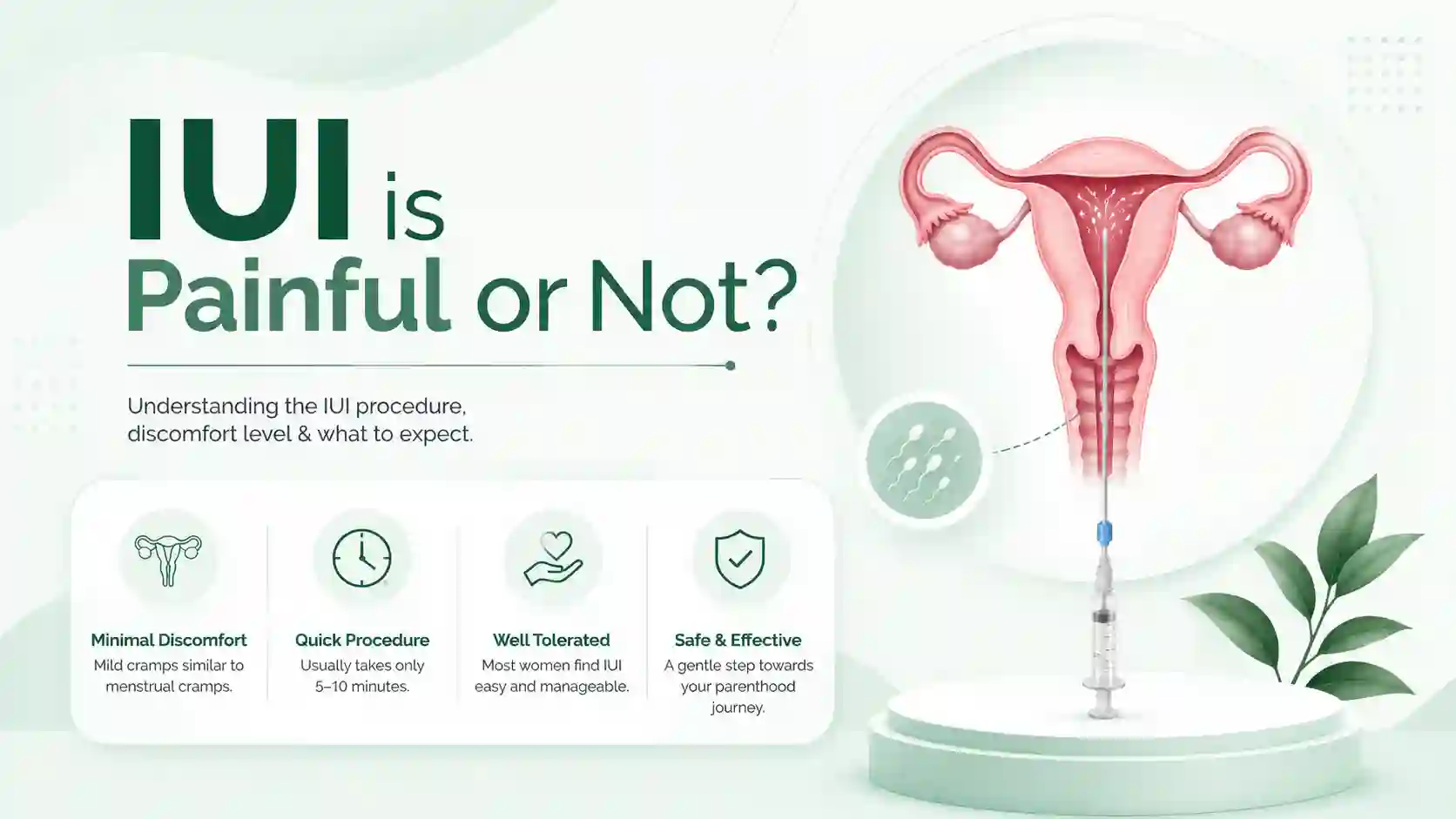
IUI places prepared sperm directly into the uterus around the time of ovulation.
ICSI (Intracytoplasmic Sperm Injection)
ICSI is an advanced laboratory procedure in which a single sperm is injected directly into a mature egg to improve fertilization in selected cases.
Fertility Preservation
Many clinics offer:
- Egg freezing
- Sperm freezing
- Embryo freezing
These options may be appropriate before certain medical treatments or for future family planning.
Donor Programs
Some IVF clinics provide:
- Donor eggs
- Donor sperm
- Donor embryos
These treatments are recommended when medically appropriate and are governed by applicable laws and regulations.
Genetic Testing
Selected patients may be offered:
- Preimplantation Genetic Testing (PGT)
- Genetic counseling
These services help evaluate embryos for certain genetic or chromosomal conditions when indicated.
How Does Treatment at an IVF Clinic Work?
Although every patient receives an individualized treatment plan, the process usually includes:
Step 1: Initial Consultation
Your fertility specialist discusses:
- Medical history
- Fertility history
- Previous pregnancies
- Lifestyle factors
- Treatment goals
Step 2: Fertility Testing
Diagnostic tests identify the possible cause of infertility.
Step 3: Personalized Treatment Plan
Based on the results, your specialist recommends the most appropriate treatment, which may include:
- Lifestyle modifications
- Ovulation induction
- IUI
- IVF
- ICSI
- Donor treatment
- Fertility preservation
Step 4: Treatment
Treatment is performed according to the selected fertility plan.
Step 5: Follow-Up Care
Regular monitoring and follow-up appointments help evaluate progress and guide future treatment if needed.
How to Choose the Right IVF Clinic
Choosing the right fertility clinic is an important decision.
Consider factors such as:
- Experienced fertility specialists
- Qualified embryologists
- Modern embryology laboratory
- Transparent pricing
- Comprehensive fertility evaluation
- Personalized treatment plans
- Availability of advanced treatments
- Patient counseling and emotional support
- Clear communication throughout treatment
A clinic’s overall quality of care is often more important than cost alone.
Benefits of an IVF Clinic
An experienced IVF clinic provides:
- Comprehensive fertility diagnosis
- Access to advanced reproductive technology
- Individualized treatment plans
- Modern laboratory facilities
- Coordinated care from a multidisciplinary team
- Emotional and educational support throughout treatment
Risks, Side Effects, or Limitations
Although fertility treatments are generally safe, some procedures may involve risks such as:
- Mild discomfort during certain procedures
- Side effects from fertility medications
- Ovarian Hyperstimulation Syndrome (OHSS) in some IVF cycles
- Emotional stress during treatment
Not every patient will require IVF, and not every treatment results in pregnancy.
Emotional & Patient Perspective
Seeking fertility treatment can be both hopeful and emotionally challenging.
Many patients feel anxious before their first visit to an IVF clinic, especially if they have been trying to conceive for a long time.
A good fertility clinic provides more than medical treatment—it offers education, emotional support, honest communication, and personalized care throughout your fertility journey. Building a trusting relationship with your fertility team can make the experience more comfortable and reassuring.
Tips Before Visiting an IVF Clinic
Before your appointment:
- Gather your previous medical records.
- Bring reports of any fertility tests.
- Prepare a list of medications you take.
- Write down your questions.
- Attend the consultation with your partner if possible.
- Be prepared to discuss your fertility goals openly.
When Should You Visit an IVF Clinic?
Schedule an appointment if:
- You have been unable to conceive naturally.
- You have irregular ovulation or menstrual cycles.
- You have known fertility problems.
- You have experienced recurrent miscarriages.
- You have undergone unsuccessful fertility treatments.
- You are considering fertility preservation before medical treatment.
Early consultation may improve your treatment options and reproductive planning.
If you’re wondering what is ivf clinic, it is a specialized fertility center that helps individuals and couples achieve pregnancy through advanced reproductive treatments and expert medical care. From fertility testing and IUI to IVF and genetic screening, IVF clinics provide comprehensive services designed to address a wide range of fertility challenges. Choosing the right clinic can play a significant role in your fertility journey and help you move forward with confidence and informed decision-making.
FAQs About IVF Clinics
1. What is an IVF clinic?
An IVF clinic is a specialized medical center that diagnoses and treats infertility using assisted reproductive technologies such as IVF, IUI, ICSI, fertility preservation, and other fertility treatments.
2. Do all patients visiting an IVF clinic need IVF?
No. Many patients receive other treatments such as lifestyle guidance, ovulation induction, IUI, or fertility counseling. IVF is recommended only when medically appropriate.
3. What specialists work at an IVF clinic?
An IVF clinic typically includes reproductive medicine specialists, embryologists, fertility nurses, ultrasound specialists, genetic counselors, and laboratory professionals.
4. How long does IVF treatment usually take?
A complete IVF cycle generally takes 4–6 weeks, although the timeline varies depending on the treatment protocol.
5. Can an IVF clinic help with male infertility?
Yes. IVF clinics evaluate and treat both male and female infertility. Treatments may include ICSI, surgical sperm retrieval, or other specialized procedures when indicated.
6. Are IVF clinics only for married couples?
Eligibility depends on the laws and regulations of each country. Your fertility clinic can explain the legal requirements that apply in your location.
7. How do I choose the best IVF clinic?
Look for experienced fertility specialists, advanced laboratory facilities, transparent pricing, individualized treatment plans, comprehensive patient support, and a strong reputation for quality care.