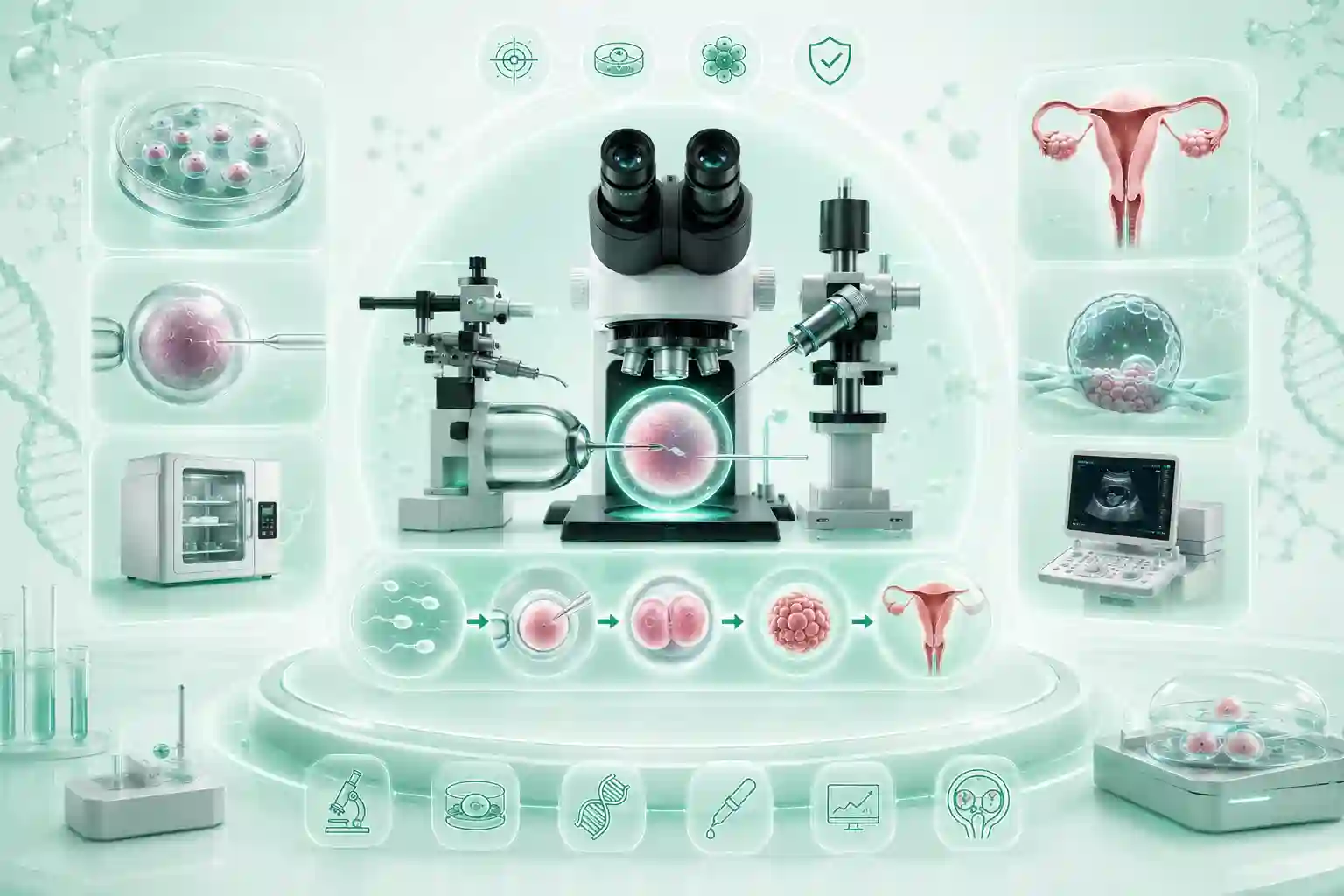
If you’re exploring fertility treatment, you may have come across the term ICSI in IVF. Intracytoplasmic Sperm Injection (ICSI) is an advanced laboratory technique used during In Vitro Fertilization (IVF) to improve the chances of fertilization, particularly in cases of male infertility or previous fertilization failure.
Unlike conventional IVF, where thousands of sperm are placed around an egg and fertilization occurs naturally in the laboratory, ICSI involves injecting a single healthy sperm directly into a mature egg using specialized microscopic equipment. This technique has helped millions of couples worldwide achieve successful pregnancies.
This guide explains what ICSI in IVF is, who may benefit from it, how the procedure works, its success rates, benefits, risks, and frequently asked questions.
What Is ICSI in IVF?
Intracytoplasmic Sperm Injection (ICSI) is a specialized fertilization technique performed as part of an IVF cycle.
During ICSI:
- A mature egg is selected.
- A single healthy sperm is chosen.
- The sperm is injected directly into the egg using a microscopic needle.
- The fertilized egg develops into an embryo in the laboratory.
- The embryo is later transferred into the uterus.
ICSI improves the chance of fertilization when sperm are unable to fertilize the egg naturally.
Who Needs ICSI in IVF?
Your fertility specialist may recommend ICSI if you have:
- Severe male factor infertility
- Low sperm count
- Poor sperm motility (movement)
- Abnormal sperm morphology (shape)
- Previous IVF fertilization failure
- Surgically retrieved sperm
- Frozen sperm samples with limited numbers
- Unexplained infertility in selected cases
Not every IVF patient requires ICSI. The decision depends on the underlying cause of infertility and the results of fertility testing.
How Does ICSI in IVF Work?
Step 1: Ovarian Stimulation
The ovaries are stimulated with fertility medications to produce multiple mature eggs.
Ultrasound scans and blood tests monitor follicle growth.
Step 2: Egg Retrieval
When the follicles are ready, the eggs are collected using ultrasound-guided egg retrieval under sedation.
Step 3: Sperm Collection
A semen sample is collected from the partner or donor.
If necessary, sperm may be retrieved surgically from the testes or epididymis.
Step 4: Sperm Selection
The embryologist examines the sperm under a high-powered microscope and selects a healthy, motile sperm.
Step 5: Intracytoplasmic Sperm Injection
Using specialized micromanipulation equipment, a single sperm is injected directly into the mature egg.
Step 6: Embryo Culture
The fertilized eggs are monitored for several days as they develop into embryos.
Step 7: Embryo Transfer
One healthy embryo is transferred into the uterus.
Any additional suitable embryos may be frozen for future use.
What Is the Success Rate of ICSI?
ICSI is highly effective at achieving fertilization.
In many fertility laboratories:
- Fertilization occurs in approximately 70–80% of mature eggs injected, although rates vary depending on egg and sperm quality.
However, successful fertilization does not guarantee pregnancy.
Pregnancy rates depend on several additional factors, including:
- Female age
- Egg quality
- Embryo quality
- Uterine health
- Overall reproductive health
Your fertility specialist can provide a personalized estimate based on your medical history.
Benefits of ICSI in IVF
ICSI offers several important advantages.
These include:
- Improves fertilization in severe male infertility
- Useful after previous IVF fertilization failure
- Requires only one healthy sperm per egg
- Can be performed using surgically retrieved sperm
- Increases fertilization opportunities in selected patients
- Can be combined with embryo freezing and genetic testing when appropriate
Risks, Side Effects, or Limitations
Although ICSI is considered safe, there are some limitations.
Possible considerations include:
- Not every injected egg fertilizes.
- Not every fertilized egg develops into a healthy embryo.
- Pregnancy cannot be guaranteed.
- IVF-related risks such as ovarian hyperstimulation syndrome (OHSS) and multiple pregnancy still apply.
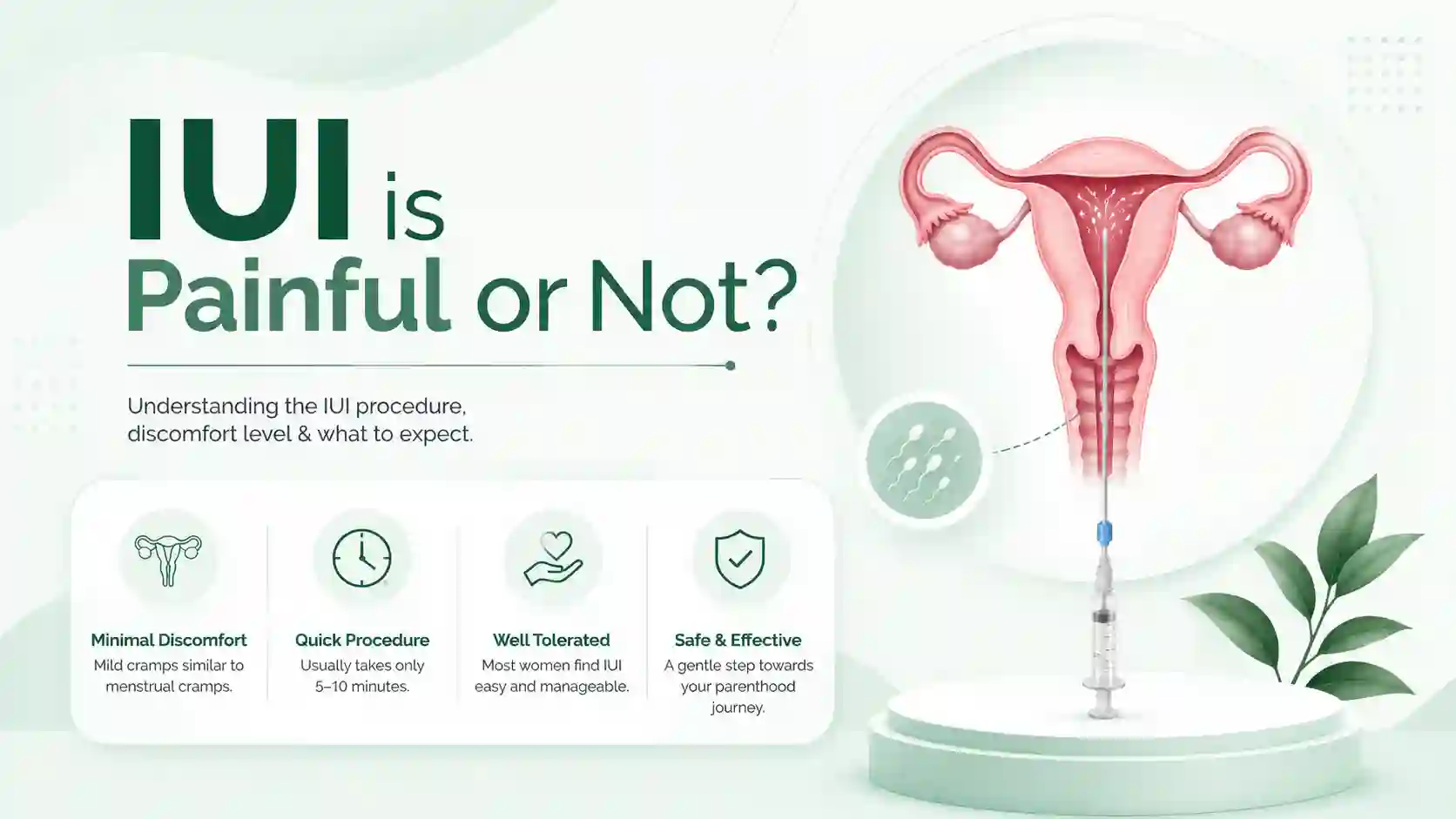
The ICSI procedure itself is performed in the laboratory and does not usually increase physical discomfort for the patient beyond the standard IVF process.
Factors Affecting ICSI Success
Several factors influence treatment outcomes.
Female Age
Younger women generally have higher pregnancy rates because of better egg quality.
Egg Quality
Healthy mature eggs improve fertilization and embryo development.
Sperm Quality
Although ICSI overcomes many sperm-related barriers, healthy sperm still contributes to better embryo quality.
Embryo Quality
Higher-quality embryos have a greater chance of implantation.
Laboratory Expertise
The experience of the embryology team and the quality of the laboratory play an important role in treatment success.
Overall Health
Maintaining a healthy lifestyle supports reproductive health throughout treatment.
Emotional & Patient Perspective
Learning that you need ICSI can feel overwhelming.
Many couples worry that severe male infertility means pregnancy is impossible.
Fortunately, ICSI has transformed fertility treatment by enabling fertilization even when only a very small number of healthy sperm are available. For many couples, it provides an opportunity to achieve pregnancy using their own eggs and sperm when conventional IVF may not be successful.
Discussing your individual fertility diagnosis with your specialist can help you understand why ICSI has been recommended and what outcomes you can realistically expect.
Tips Before Starting ICSI
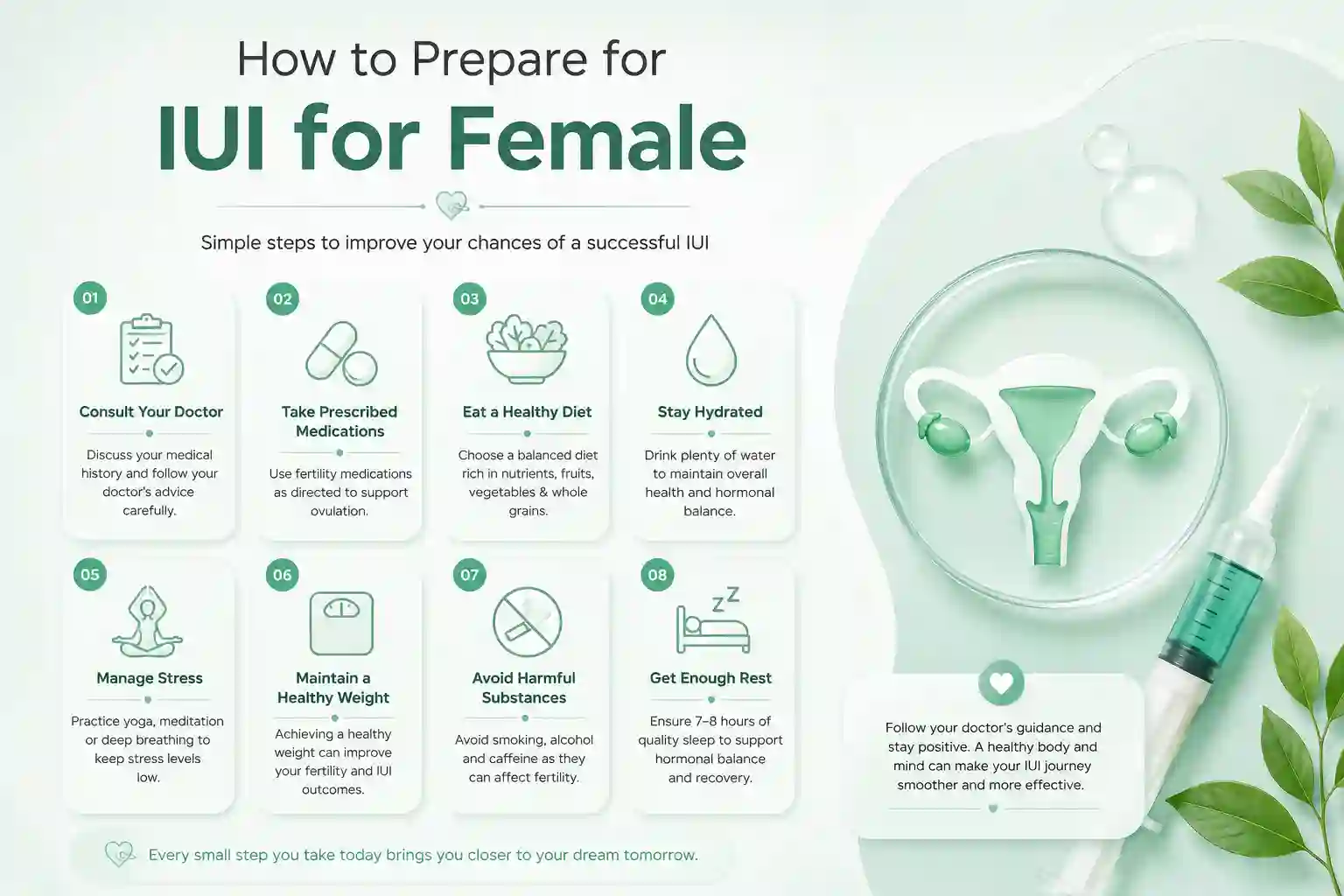
To prepare for treatment:
- Attend all fertility evaluations.
- Follow your medication schedule carefully.
- Eat a balanced diet.
- Stay physically active as advised.
- Avoid smoking and alcohol.
- Take prescribed supplements if recommended.
- Keep all monitoring appointments.
- Ask your fertility specialist any questions about the procedure.
When to See a Fertility Specialist
Consult a fertility specialist if:
- You have severe male factor infertility.
- Previous IVF treatment resulted in poor or failed fertilization.
- Your semen analysis shows low sperm count or poor motility.
- You are considering IVF and want to know whether ICSI is appropriate.
- You have experienced repeated unsuccessful fertility treatments.
A comprehensive fertility assessment will help determine whether ICSI is the best option for your situation.
ICSI in IVF is an advanced fertilization technique that has significantly improved pregnancy opportunities for couples facing male infertility and certain other fertility challenges. By injecting a single healthy sperm directly into a mature egg, ICSI can overcome many barriers to fertilization while remaining part of the standard IVF treatment process. Although no fertility treatment can guarantee pregnancy, ICSI has helped millions of families worldwide and remains one of the most successful assisted reproductive technologies available. Working closely with an experienced fertility specialist and embryology team can help maximize your chances of achieving a healthy pregnancy.
FAQs About ICSI in IVF
1. What is ICSI in IVF?
ICSI (Intracytoplasmic Sperm Injection) is an advanced IVF technique in which a single healthy sperm is injected directly into a mature egg to achieve fertilization.
2. Who needs ICSI?
ICSI is commonly recommended for severe male factor infertility, low sperm count, poor sperm motility, abnormal sperm morphology, previous IVF fertilization failure, or surgically retrieved sperm.
3. Is ICSI more successful than conventional IVF?
ICSI improves fertilization rates in selected patients, particularly those with male infertility. However, overall pregnancy success depends on factors such as female age, egg quality, embryo quality, and uterine health.
4. Is ICSI safe?
Yes. ICSI is a well-established and widely used fertility technique that has resulted in the birth of millions of healthy babies worldwide.
5. Does ICSI increase the chance of pregnancy?
ICSI increases the chance of successful fertilization in appropriate cases, but pregnancy also depends on embryo development, implantation, and other fertility factors.
6. Can ICSI be used with frozen sperm?
Yes. ICSI can be performed using fresh or frozen sperm, including surgically retrieved sperm when appropriate.
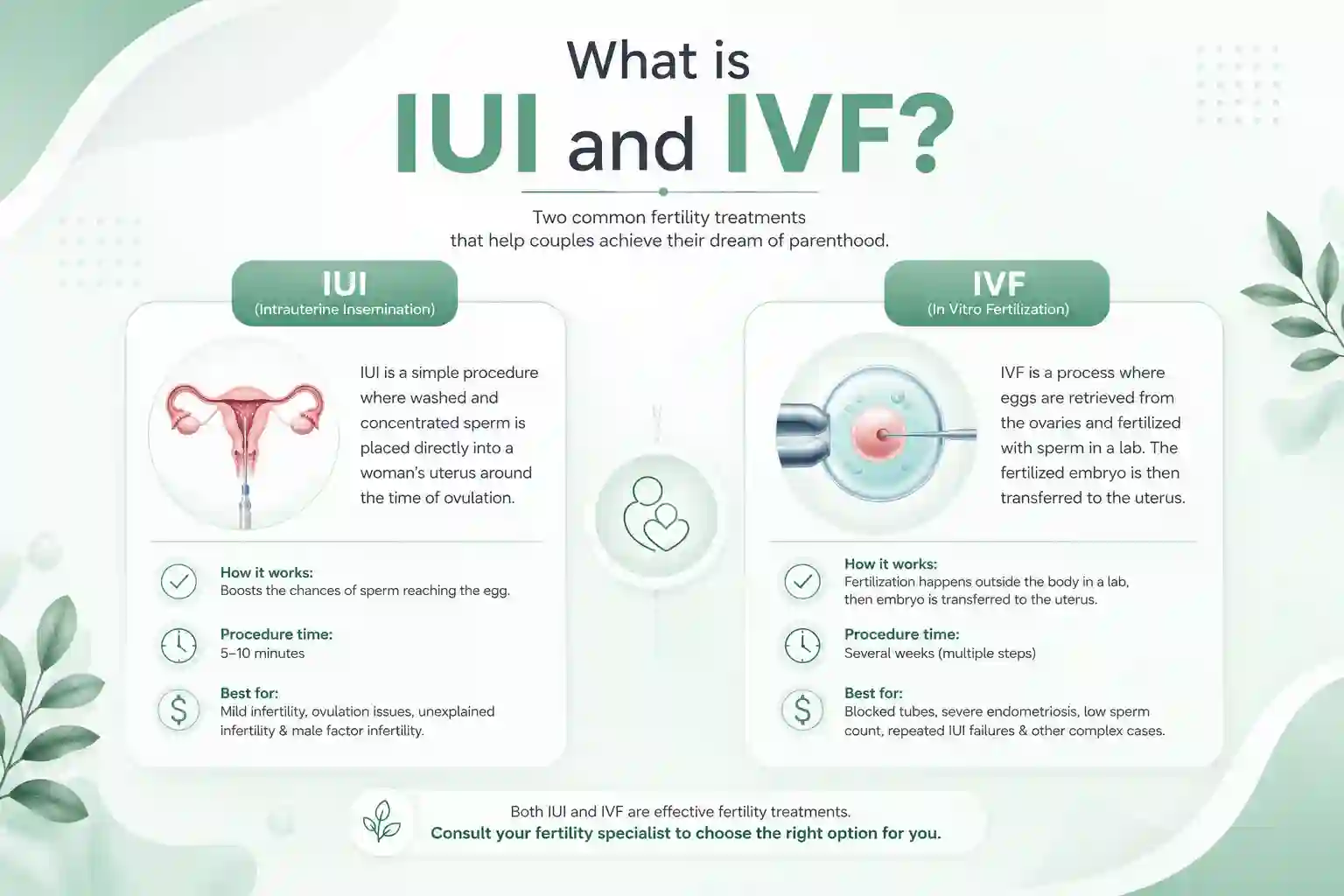
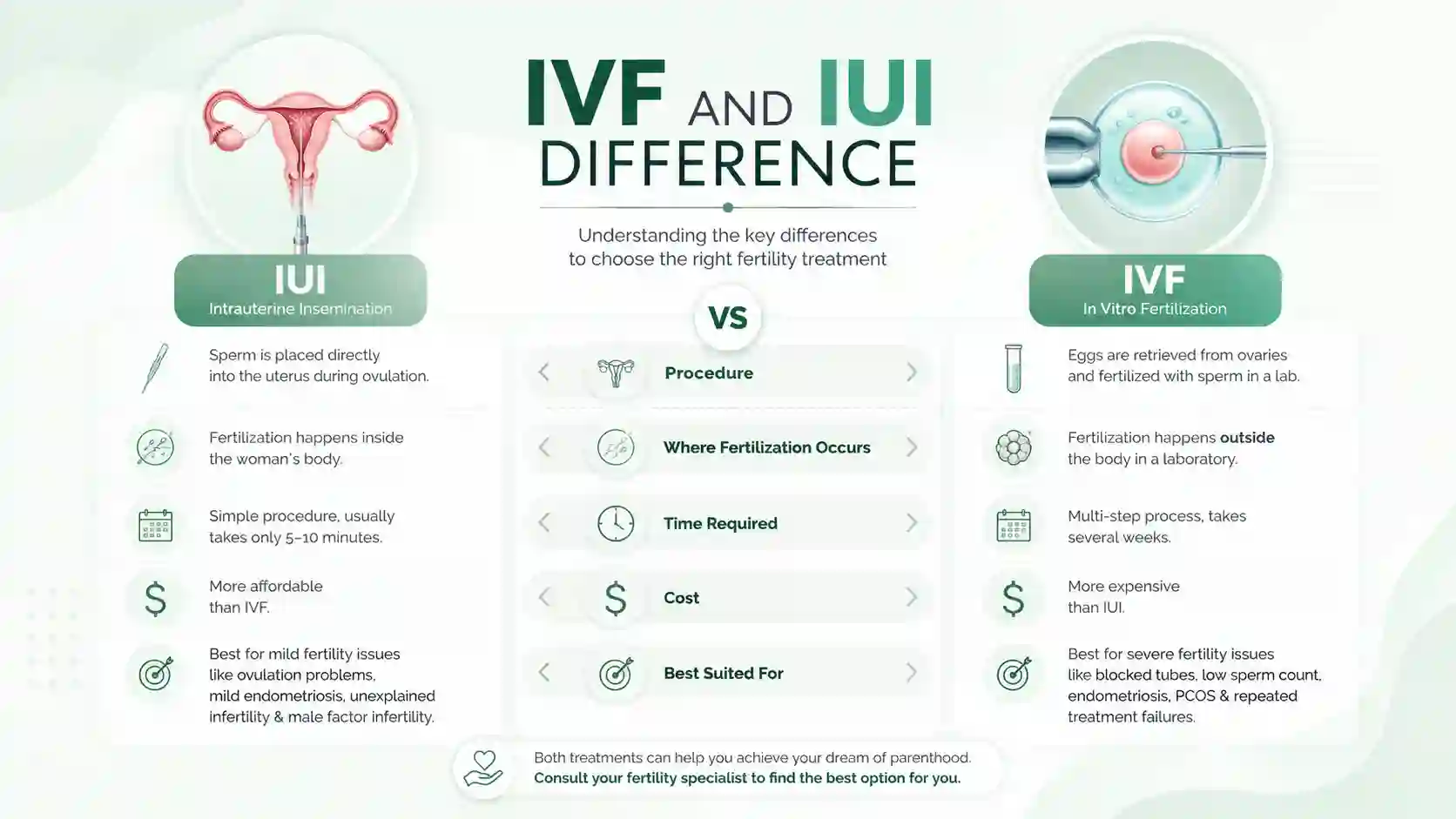
7. What is the difference between IVF and ICSI?
In conventional IVF, eggs and sperm are combined in the laboratory and fertilization occurs naturally. In ICSI, an embryologist injects a single healthy sperm directly into each mature egg to assist fertilization.