If you’re considering In Vitro Fertilization (IVF), it’s natural to wonder whether an IVF child is as healthy as a naturally conceived child. Many prospective parents ask questions such as, “Are IVF babies normal?”, “Do IVF children develop differently?”, or “Are there any long-term health concerns?”
The reassuring news is that most IVF children are born healthy and develop just like children conceived naturally. Since the birth of the world’s first IVF baby in 1978, millions of children have been born through IVF, and extensive research has shown that the vast majority grow, learn, and live healthy lives.
This guide explains what an IVF child is, how IVF affects pregnancy and child development, common myths, potential risks, and what current medical research says.
What Is an IVF Child?
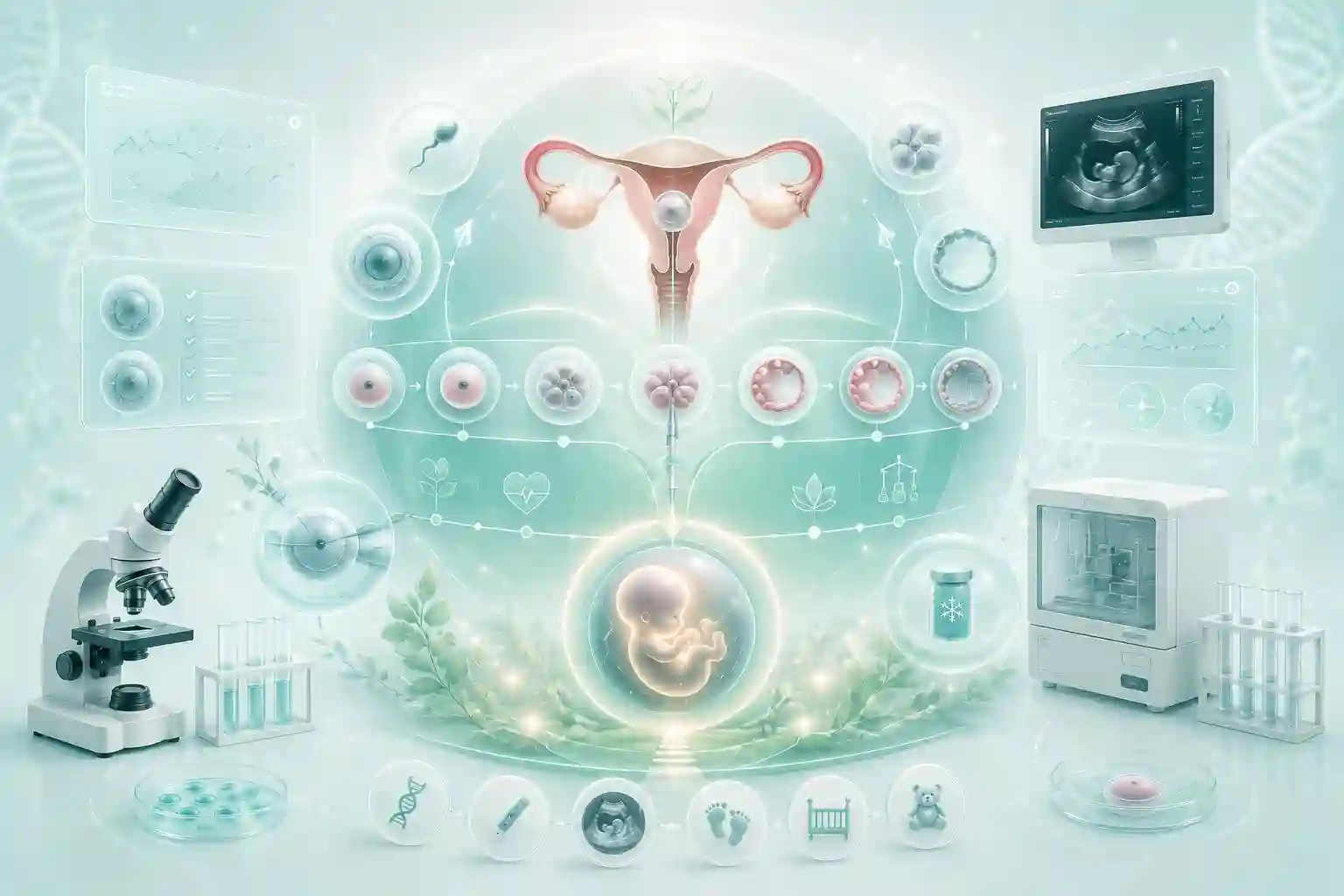
An IVF child is a baby conceived through In Vitro Fertilization (IVF).
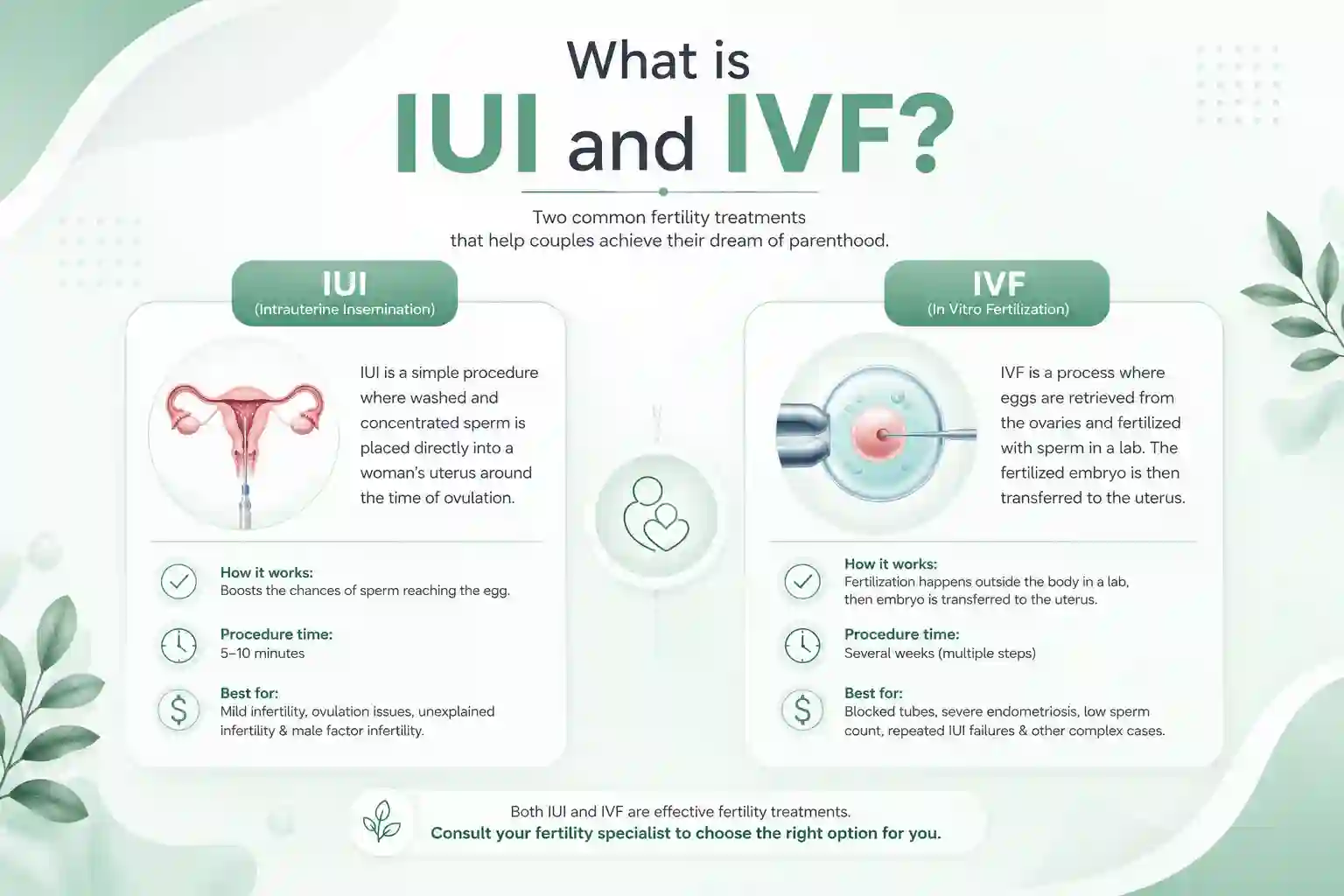
During IVF:
- Eggs are collected from the ovaries.
- Sperm fertilizes the eggs in a specialized laboratory.
- One or more embryos develop for several days.
- A healthy embryo is transferred into the uterus.
- Pregnancy then continues naturally after successful implantation.
Once implantation occurs, pregnancy develops in the same way as a naturally conceived pregnancy.
Are IVF Children Healthy?
Yes.
The overwhelming majority of IVF children are healthy.
Research has shown that most IVF babies:
- Grow normally
- Reach developmental milestones on time
- Have normal intelligence
- Attend regular schools
- Participate in sports and daily activities
- Live healthy adult lives
Most health outcomes are influenced more by parental health, maternal age, pregnancy complications, and genetics than by IVF itself.
How Does an IVF Child Develop?
After embryo transfer and successful implantation:
First Trimester
The embryo implants into the uterus and begins developing just like any naturally conceived pregnancy.
Second Trimester
Growth and organ development continue normally.
Routine prenatal care monitors fetal health.
Third Trimester
The baby continues growing until birth.
Regular pregnancy check-ups help monitor maternal and fetal well-being.
Are IVF Babies Different from Naturally Conceived Babies?
In most cases, no.
Once pregnancy is established, an IVF pregnancy develops similarly to a naturally conceived pregnancy.
An IVF child:
- Has the same biological development
- Learns and grows normally
- Has similar emotional development
- Can participate in normal childhood activities
- Has similar long-term life expectancy
The method of conception does not determine a child’s personality, intelligence, or future abilities.
Common Myths About IVF Children
Myth 1: IVF Babies Are Not Normal
Fact: Most IVF children are born healthy and develop normally.
Myth 2: IVF Children Have Lower Intelligence
Fact: Scientific studies have not shown that IVF reduces intelligence or learning ability.
Myth 3: IVF Babies Are Always Born Prematurely
Fact: Many IVF babies are born at full term. However, certain factors—such as maternal age, underlying infertility, or multiple pregnancy—may increase the risk of preterm birth.
Myth 4: IVF Children Cannot Have Children
Fact: Most IVF children are expected to have normal fertility, although fertility depends on many individual factors unrelated to IVF itself.
Are There Any Risks?
Although most IVF children are healthy, some studies suggest a slightly increased risk of certain complications.
These may include:
- Premature birth
- Low birth weight
- Multiple pregnancy (if more than one embryo is transferred)
However, many of these risks are associated with:
- Maternal age
- Underlying infertility
- Pregnancy with twins or triplets
- Pre-existing medical conditions
The IVF procedure itself is not usually the primary cause.
Benefits of IVF
IVF has helped millions of families worldwide by:
- Treating blocked fallopian tubes
- Helping severe male factor infertility
- Supporting couples with unexplained infertility
- Allowing fertility preservation
- Enabling the use of donor eggs or sperm when appropriate
- Offering Preimplantation Genetic Testing (PGT) in selected cases
Factors That Influence an IVF Child’s Health
Several factors affect pregnancy and child health.
Maternal Age
Younger maternal age generally reduces pregnancy complications.
Prenatal Care
Regular antenatal check-ups help support healthy pregnancy outcomes.
Lifestyle Habits
Healthy eating, avoiding smoking, limiting alcohol, exercising appropriately, and following medical advice contribute to healthy fetal development.
Single vs. Multiple Pregnancy
Single embryo transfer reduces the risk of complications associated with twins or higher-order multiple pregnancies.
Overall Parental Health
Genetics, chronic medical conditions, and pregnancy care all influence long-term child health.
Emotional & Patient Perspective
Many parents worry that IVF might somehow make their child “different.”
These concerns are completely understandable, especially for first-time parents.
The good news is that the method of conception does not define a child’s future. Most IVF children grow up just like their peers—playing, learning, making friends, and reaching normal developmental milestones. What matters most is a healthy pregnancy, appropriate prenatal care, and a loving, supportive environment after birth.
Tips for a Healthy IVF Pregnancy
To support a healthy pregnancy:
- Attend all prenatal appointments.
- Take prenatal vitamins as recommended.
- Eat a balanced diet.
- Stay physically active as advised.
- Avoid smoking and alcohol.
- Manage chronic medical conditions.
- Follow your fertility specialist’s recommendations.
- Maintain regular follow-up with your obstetrician.
When to See a Fertility Specialist
Consult your fertility specialist if:
- You are considering IVF treatment.
- You have questions about IVF pregnancy risks.
- You have experienced previous pregnancy complications.
- You would like to discuss single embryo transfer.
- You need personalized advice based on your fertility history.
An IVF child is, in most cases, just as healthy as a naturally conceived child. After successful embryo implantation, pregnancy and fetal development follow the same biological process. Decades of research involving millions of IVF births show that the vast majority of IVF children experience normal growth, development, learning, and overall health. While certain pregnancy risks may be slightly higher because of factors such as maternal age, underlying infertility, or multiple pregnancies, these are usually related to the pregnancy itself rather than the IVF procedure. With expert fertility care, appropriate prenatal monitoring, and healthy lifestyle habits, most IVF pregnancies result in healthy babies.
FAQs About IVF Children
1. Are IVF children healthy?
Yes. Most IVF children are healthy and develop normally, with growth and developmental milestones similar to those of naturally conceived children.
2. Are IVF babies different from naturally conceived babies?
No. Once pregnancy is established, IVF babies generally grow and develop in the same way as naturally conceived babies.
3. Can IVF children live normal lives?
Yes. Most IVF children attend school, participate in sports, pursue careers, and lead healthy adult lives.
4. Are IVF babies more likely to have birth defects?
Most IVF babies are born healthy. Although some studies report a slightly increased risk of certain birth defects, the overall risk remains low and is influenced by factors such as parental age, underlying infertility, and medical history.
5. Can IVF children have children of their own?
Most IVF children are expected to have normal fertility. Their future fertility depends on many individual factors rather than the IVF procedure itself.
6. Does IVF affect a child’s intelligence?
Current scientific evidence does not show that IVF negatively affects intelligence, learning ability, or cognitive development.
7. What is the most important factor for a healthy IVF baby?
A healthy pregnancy depends on several factors, including good prenatal care, maternal health, appropriate nutrition, avoiding harmful substances, and following the recommendations of your fertility specialist and obstetrician.