Waiting for the results after an intrauterine insemination (IUI) can be one of the most emotional parts of the fertility journey. Every cramp, mood change, or physical sensation may leave you wondering whether implantation has occurred or whether the cycle has been unsuccessful. Understanding IUI failure symptoms can help set realistic expectations and reduce unnecessary anxiety during the two-week wait.
It’s important to know that there is no single symptom that can confirm an unsuccessful IUI cycle before taking a pregnancy test. Many early pregnancy symptoms overlap with menstrual symptoms and medication side effects. This guide explains the common signs, possible reasons for IUI failure, and what steps to take next.
What Are IUI Failure Symptoms?
IUI failure symptoms refer to the physical or emotional signs that may appear when an IUI cycle does not result in pregnancy. However, these symptoms are not always reliable indicators because hormone medications and the menstrual cycle itself can produce similar changes.
Some people experience noticeable symptoms, while others notice very little before their period begins.
Commonly reported IUI failure symptoms include:
- Menstrual-like cramps
- Spotting before the expected period
- Breast tenderness that gradually disappears
- Bloating that resolves
- Lower back pain
- Fatigue
- Mood changes
- A negative pregnancy test after the recommended waiting period
- The onset of a normal menstrual period
Remember, experiencing these symptoms does not guarantee that the treatment has failed.
Why Are IUI Failure Symptoms Important?
Recognizing IUI failure symptoms is important because it helps patients understand what may be happening during the treatment cycle while avoiding unnecessary stress.
Understanding these symptoms can help you:
- Know what is considered normal after IUI
- Avoid testing too early
- Prepare emotionally for different outcomes
- Recognize when medical advice may be needed
- Plan the next steps in fertility treatment if necessary
Knowledge can make the waiting period more manageable, even though it cannot predict the final outcome.
How Does IUI Work?
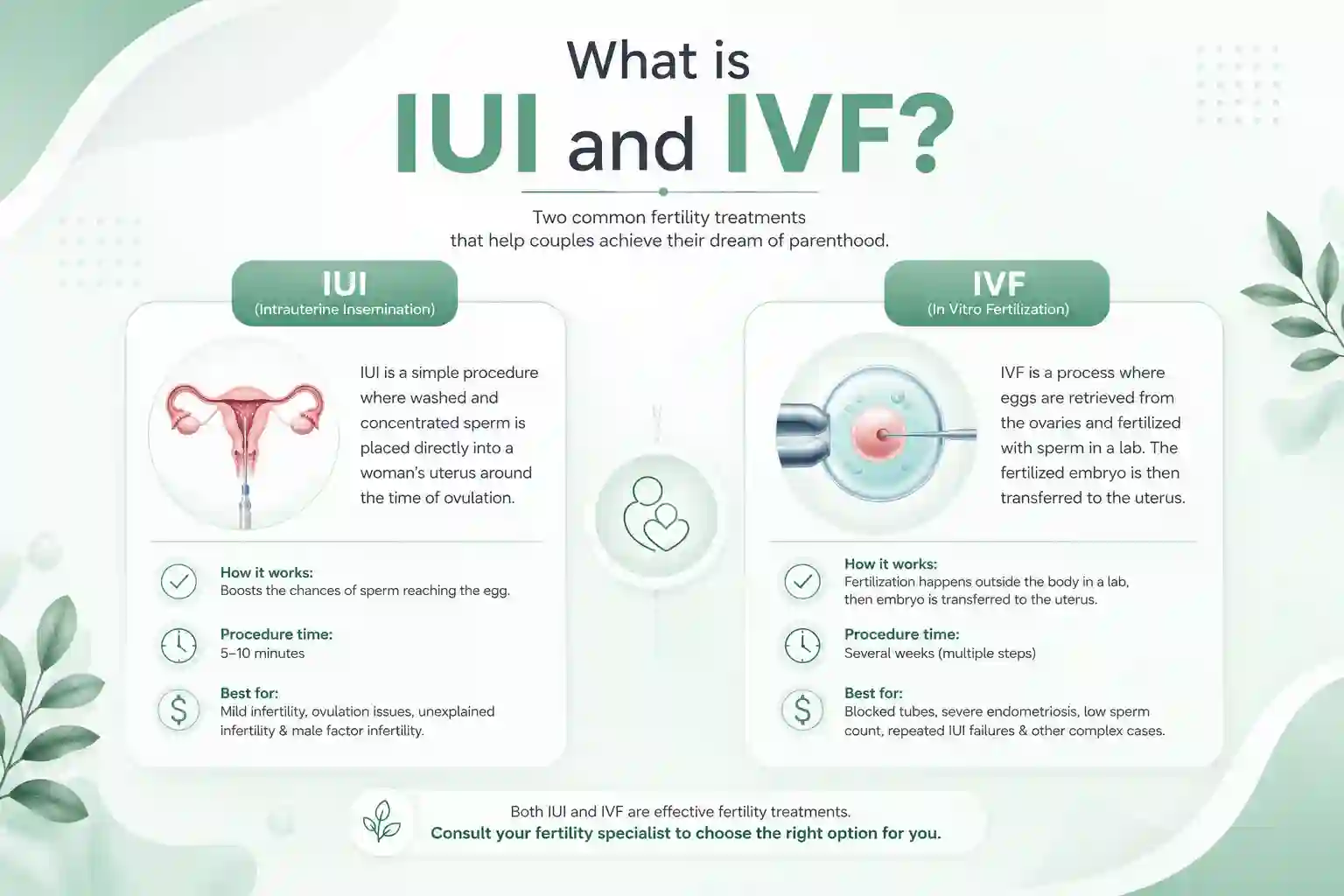
To understand IUI failure symptoms, it helps to know how the procedure works.
Step 1: Ovulation Monitoring
Your fertility specialist tracks your ovulation using ultrasound scans, blood tests, or ovulation predictor kits.
Step 2: Sperm Preparation
A semen sample is collected and processed in the laboratory to separate healthy, motile sperm from other components.
Step 3: Insemination
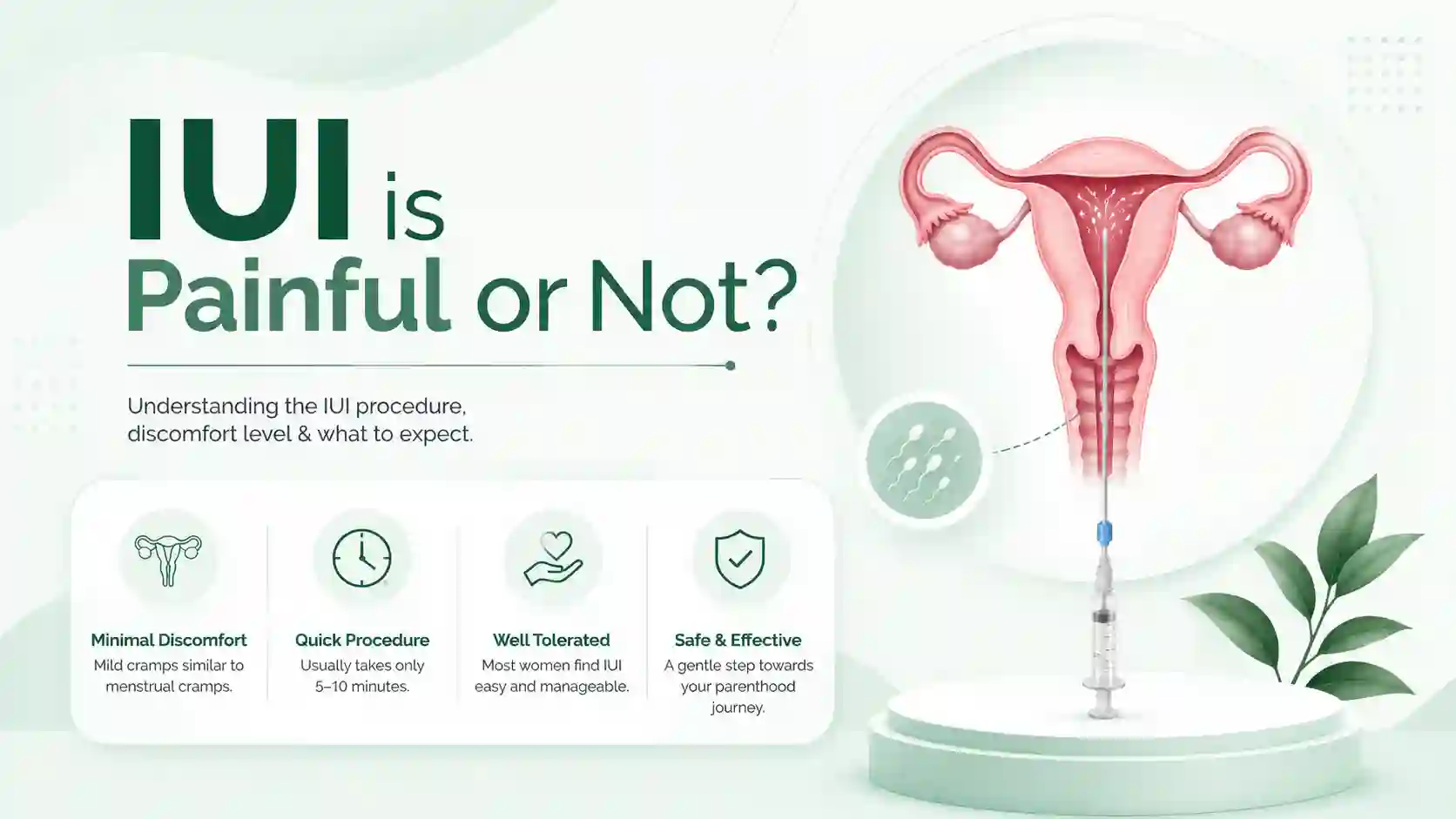
The prepared sperm is placed directly inside the uterus using a thin catheter around the time of ovulation.
Step 4: Fertilization and Implantation
If fertilization occurs, the embryo travels to the uterus and implants several days later. If fertilization or implantation does not occur, pregnancy will not develop, leading to an unsuccessful cycle.
Common IUI Failure Symptoms
Although symptoms vary, the following are among the most commonly reported after an unsuccessful IUI cycle.
Menstrual Cramps
Cramping similar to your regular menstrual period often appears shortly before bleeding begins.
Vaginal Bleeding
A normal menstrual period is the clearest sign that the cycle has not resulted in pregnancy.
Negative Pregnancy Test
Testing after the recommended waiting period—usually around 14 days after IUI—provides the most reliable answer.
Reduced Breast Tenderness
Some fertility medications can cause breast soreness. If hormone levels decrease, this tenderness may gradually fade.
Lower Back Pain
Many individuals experience lower back discomfort before menstruation, which may occur after an unsuccessful cycle.
Emotional Changes
Feelings of disappointment, frustration, sadness, or anxiety are common and completely understandable during fertility treatment.
Benefits of Understanding IUI Failure Symptoms
Learning about IUI failure symptoms offers several advantages.
- Reduces confusion during the two-week wait
- Helps distinguish common menstrual symptoms from treatment effects
- Encourages realistic expectations
- Promotes timely communication with your fertility specialist
- Supports better emotional preparedness
Being informed can help you navigate the fertility journey with greater confidence.
Risks, Side Effects, or Limitations
One of the biggest limitations of relying on symptoms is that they are not diagnostic.
Several factors can make symptoms difficult to interpret:
- Progesterone supplements can mimic pregnancy symptoms.
- Ovulation trigger injections may affect early pregnancy test results.
- Early pregnancy symptoms and premenstrual symptoms often overlap.
- Some pregnant individuals have no symptoms at all.
- Some unsuccessful cycles produce symptoms that resemble early pregnancy.
Because of these similarities, symptoms alone should never be used to determine whether IUI has succeeded or failed.
Cost, Timeline, and Success Rate
Timeline
A typical IUI cycle follows this general schedule:
- Ovulation monitoring
- IUI procedure
- Two-week waiting period
- Pregnancy blood test or home pregnancy test at the recommended time
Success Rate
The success of IUI depends on many factors, including:
- Female age
- Egg quality
- Sperm quality
- Cause of infertility
- Number of mature follicles
- Overall reproductive health
Many patients require multiple IUI cycles before achieving pregnancy. An unsuccessful first attempt does not necessarily predict future outcomes.
Factors Affecting Results
Several factors can influence whether an IUI cycle succeeds.
Age
Female fertility generally declines with increasing age, particularly after the mid-30s.
Sperm Quality
Healthy sperm count, movement, and shape contribute to better chances of fertilization.
Ovulation Timing
Accurate timing between ovulation and insemination is essential.
Underlying Fertility Conditions
Conditions such as endometriosis, ovulation disorders, or blocked fallopian tubes may reduce success rates.
Uterine Health
A healthy uterine lining supports embryo implantation.
Lifestyle Factors
Smoking, excessive alcohol use, obesity, chronic stress, and poor sleep may affect reproductive health.
Emotional & Patient Perspective
Experiencing an unsuccessful IUI cycle can be emotionally exhausting. Many people invest significant hope in each treatment cycle, making disappointment difficult to process.
It’s important to remember:
- One failed IUI does not mean future treatments will fail.
- Many couples conceive after additional cycles or alternative fertility treatments.
- Emotional support from family, friends, counselors, or fertility support groups can be valuable.
- Taking time to process your emotions is a normal part of the fertility journey.
Being kind to yourself during this period is just as important as managing the medical aspects of treatment.
Tips, Recommendations, or Preparation Guide
If your IUI cycle was unsuccessful, consider these practical steps.
- Wait for your fertility specialist’s recommended pregnancy test date.
- Avoid repeated early pregnancy testing.
- Continue medications exactly as instructed.
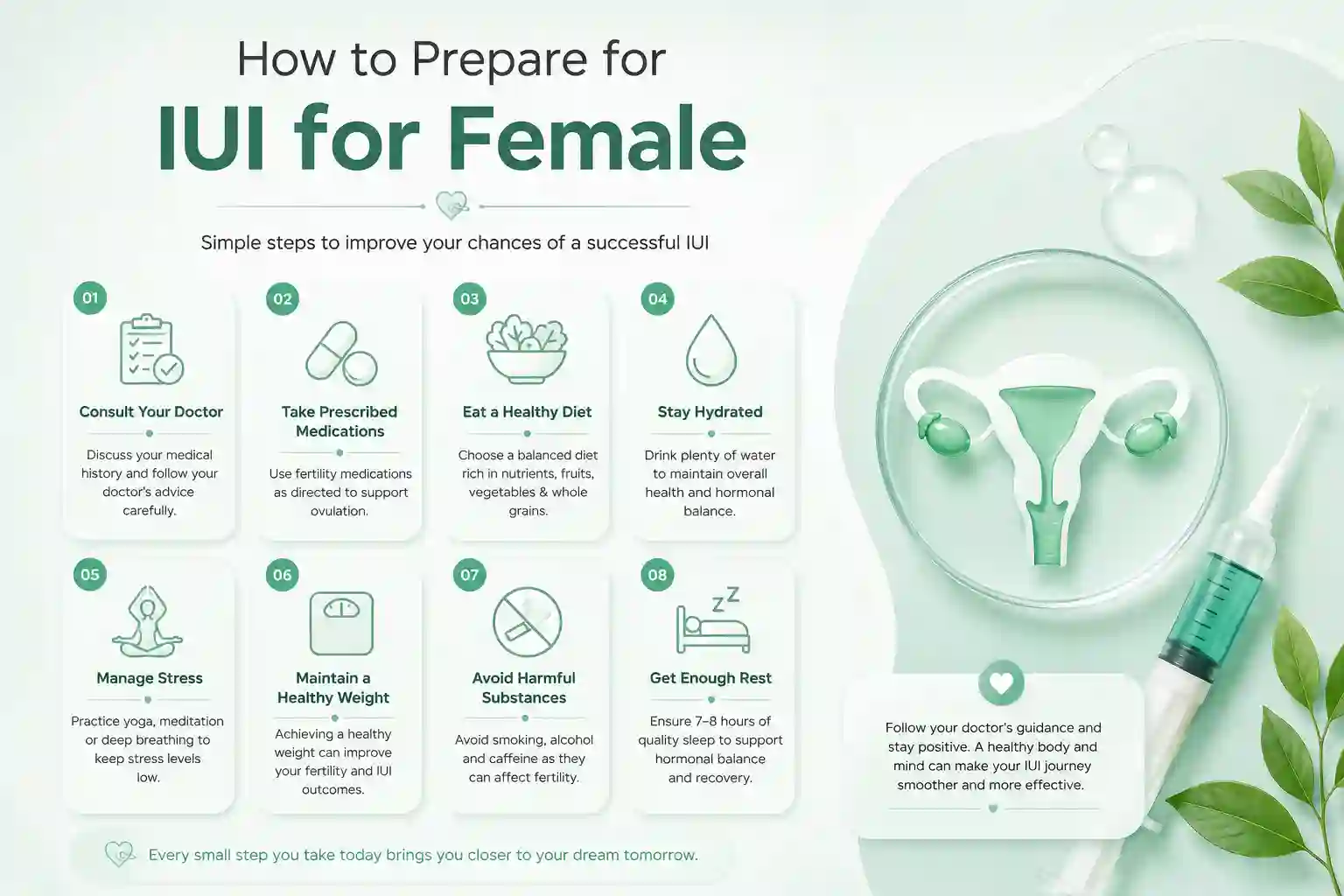
- Maintain a balanced diet and stay physically active within your doctor’s recommendations.
- Get adequate sleep and manage stress through relaxation techniques.
- Write down questions before your follow-up appointment.
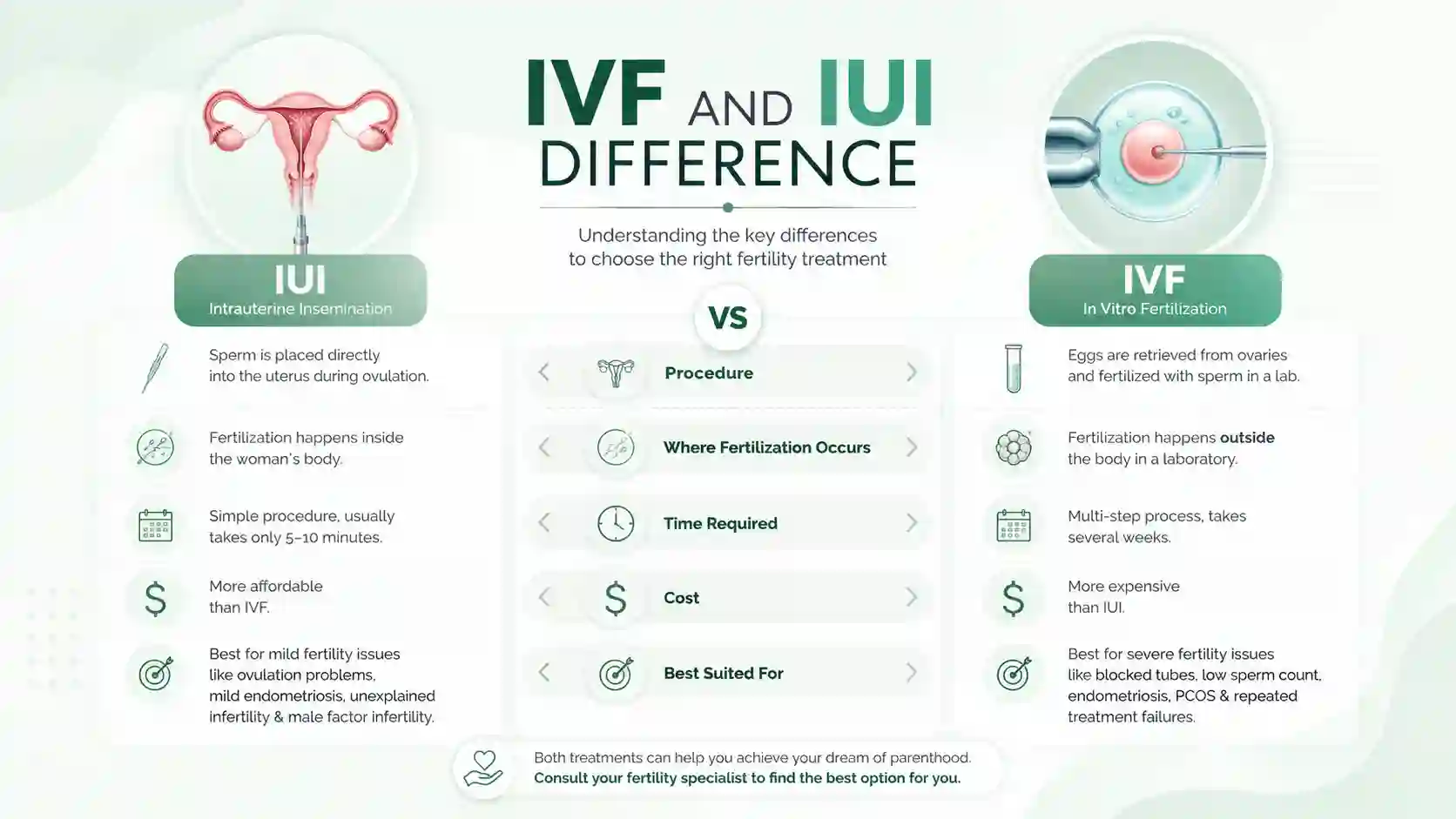
- Discuss whether another IUI cycle or IVF may be appropriate based on your individual situation.
Every fertility journey is unique, and treatment plans should always be personalized.
When to See a Fertility Specialist
Contact your fertility specialist if you experience:
- Heavy vaginal bleeding
- Severe abdominal or pelvic pain
- Fever
- Foul-smelling vaginal discharge
- Persistent dizziness
- A positive pregnancy test followed by heavy bleeding
- Concerns about medications or treatment side effects
You should also schedule a follow-up consultation after an unsuccessful IUI cycle to review the treatment, discuss possible reasons for failure, and explore future options.
Understanding IUI failure symptoms can help reduce uncertainty during one of the most emotionally challenging stages of fertility treatment. While symptoms such as cramping, spotting, breast tenderness, or mood changes may occur, none can reliably confirm whether an IUI cycle has failed. The most accurate way to determine the outcome is to wait until the recommended pregnancy testing date and discuss the results with your fertility specialist.
An unsuccessful IUI cycle can be disappointing, but it does not mean your fertility journey is over. With the right evaluation, individualized treatment plan, and ongoing support, many patients continue toward successful pregnancy outcomes.
FAQs About IUI Failure Symptoms
1. What are the earliest IUI failure symptoms?
Early IUI failure symptoms may include menstrual-like cramps, spotting, mood changes, and eventually the start of a normal menstrual period. However, these signs are not definitive and may also occur in early pregnancy.
2. Can cramping after IUI mean failure?
Not necessarily. Cramping after IUI can occur because of the procedure itself, hormonal changes, implantation, or an upcoming menstrual period. It cannot confirm success or failure.
3. How many days after IUI do failure symptoms appear?
Many people notice possible IUI failure symptoms around 10 to 14 days after the procedure, but timing varies from person to person.
4. Can I have pregnancy symptoms even if the IUI failed?
Yes. Fertility medications, particularly progesterone, can cause symptoms that closely resemble early pregnancy, even if pregnancy has not occurred.
5. When should I take a pregnancy test after IUI?
Most fertility specialists recommend waiting about 14 days after IUI before taking a pregnancy test to improve accuracy and reduce the chance of a false result.
6. Does spotting always mean IUI failure?
No. Spotting can occur before a menstrual period, but it may also happen during implantation or because of hormonal changes. It should not be considered proof of either success or failure.
7. What should I do if my IUI cycle was unsuccessful?
If your IUI failure symptoms are followed by a negative pregnancy test or your menstrual period, schedule a follow-up appointment with your fertility specialist. They can review the cycle, identify possible contributing factors, and recommend the most appropriate next steps for your fertility treatment.