If you’re exploring fertility options, you may have come across products marketed as a home IUI kit. These kits are often advertised as a private, convenient, and lower-cost way to try to conceive without visiting a fertility clinic. While the idea may sound appealing, it’s important to understand what these kits can—and cannot—do.
A common misconception is that a home IUI kit performs the same procedure as clinical intrauterine insemination (IUI). In reality, true IUI is a medical procedure that must be performed by trained healthcare professionals because it involves placing specially prepared sperm directly into the uterus under sterile conditions. Most products sold as home IUI kits are actually intended for intracervical insemination (ICI), which is a different method.
This guide explains what a home IUI kit is, how it differs from clinic-based IUI, and what you should consider before choosing a fertility option.
What Is a Home IUI Kit?
A home IUI kit is typically a home insemination kit designed to help place semen near the cervix during the fertile window.
Despite the name, most home IUI kits do not perform true intrauterine insemination.
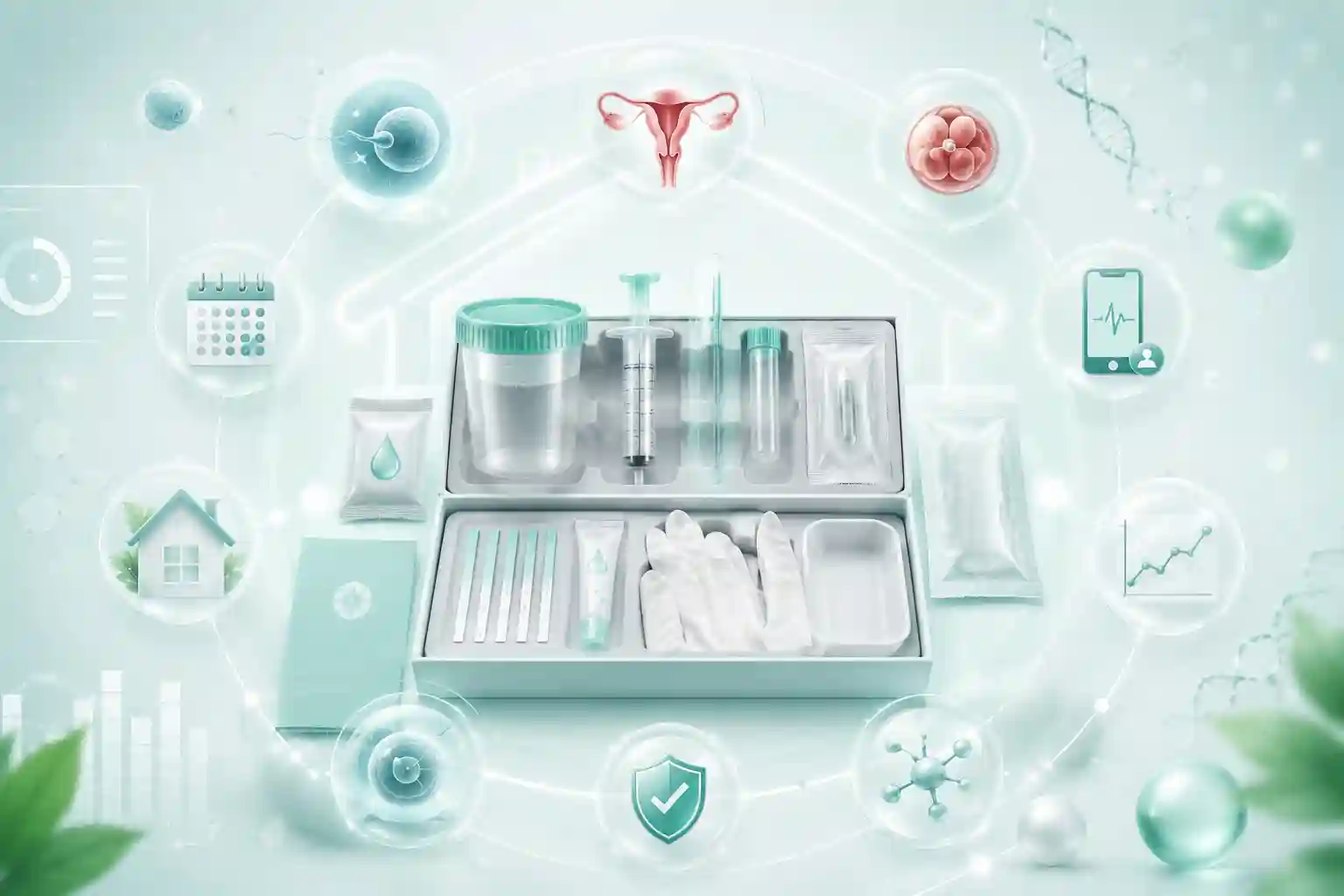
A typical home insemination kit may include:
- Sterile collection cup
- Disposable syringe or insemination applicator
- Collection container
- Detailed instructions
- Ovulation tracking guidance (in some kits)
Unlike clinical IUI, these kits do not include:
- Laboratory sperm washing
- Intrauterine catheter placement
- Ultrasound monitoring
- Medical supervision
- Fertility evaluation
Because of these differences, home insemination and IUI should not be considered the same procedure.
Why Is Understanding the Difference Important?
Many people searching for a home IUI kit believe it offers the same treatment as a fertility clinic.
However, there is a significant difference.
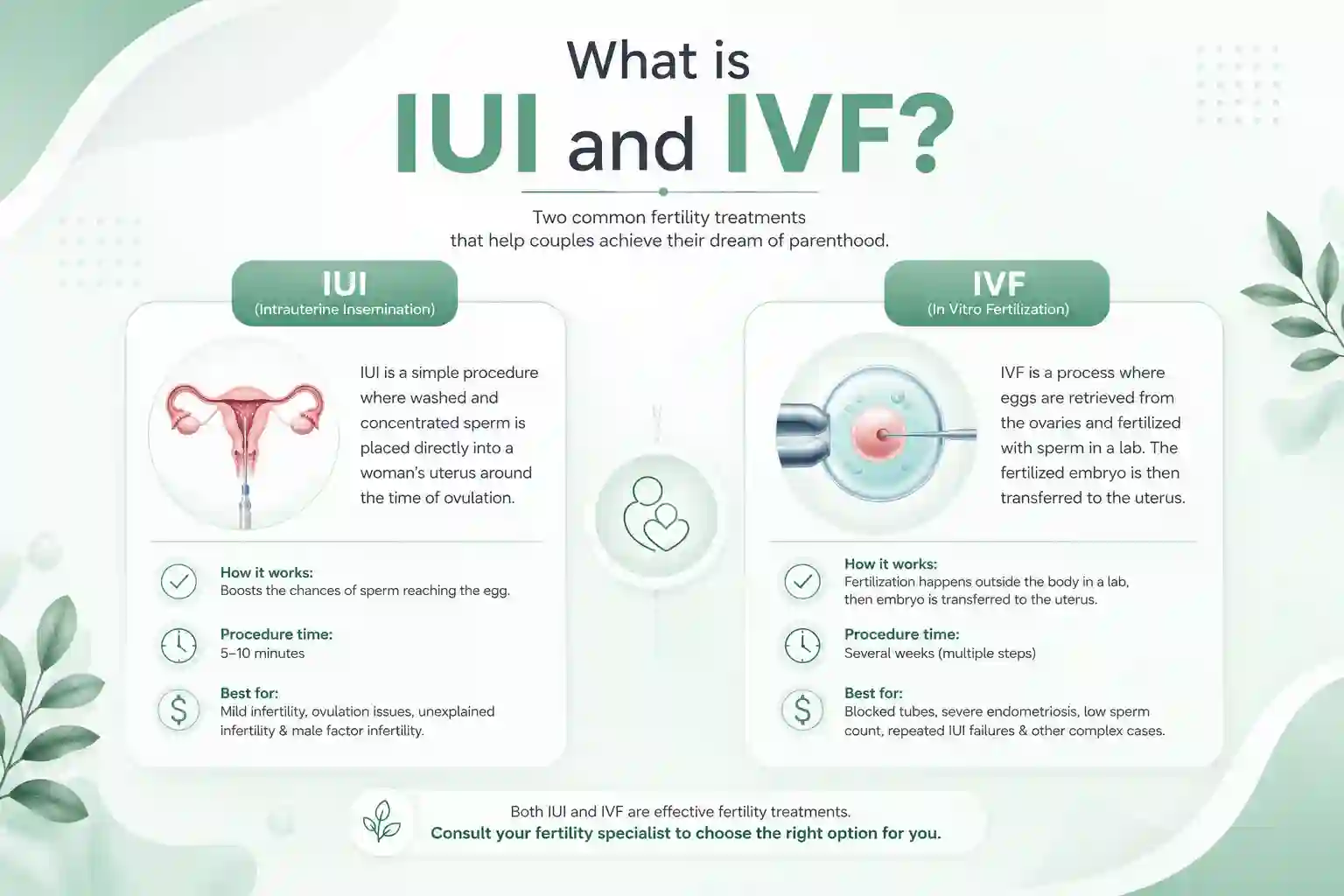
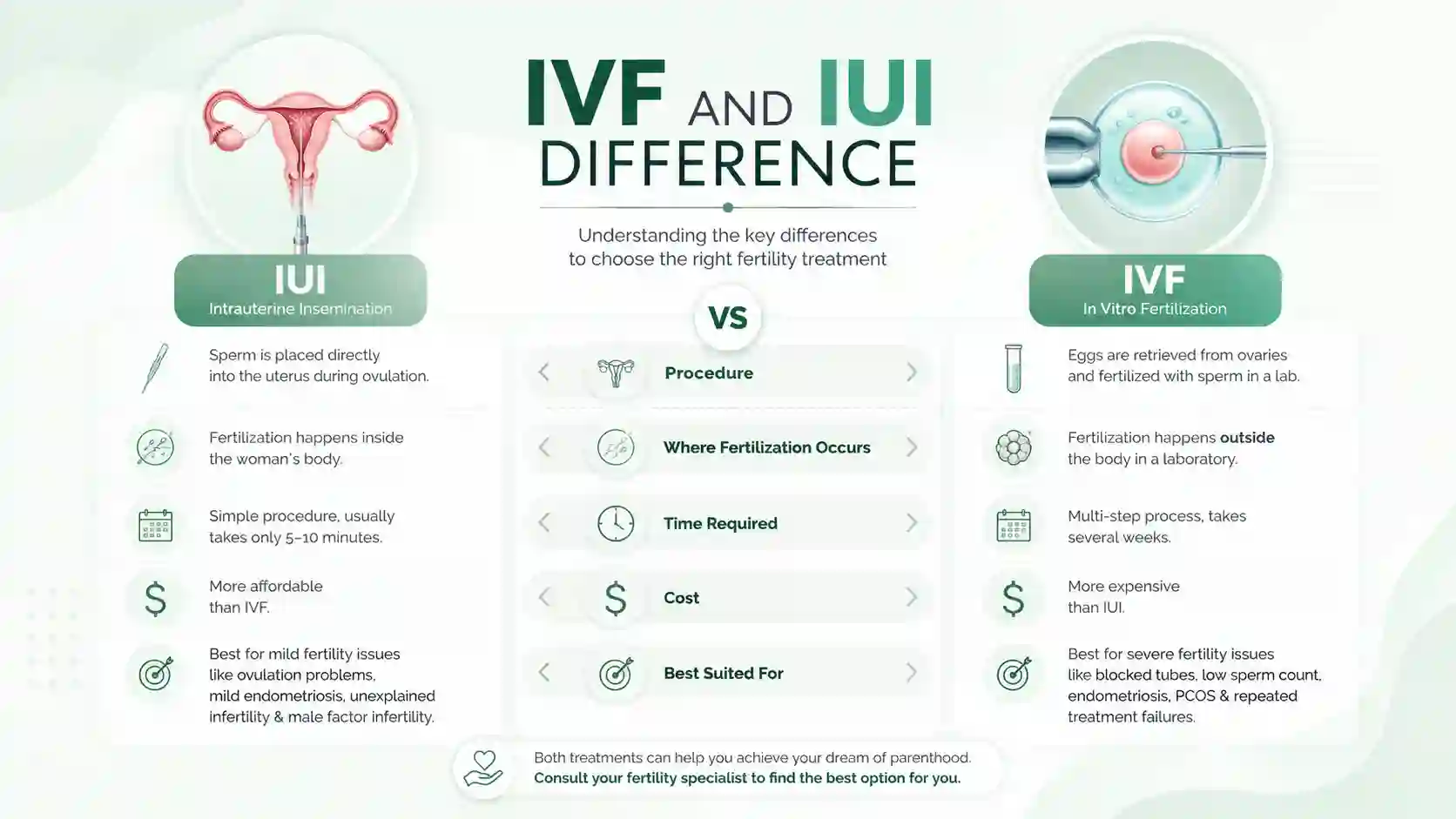
Clinical IUI
During clinical IUI:
- Sperm is washed in a specialized laboratory.
- Healthy, motile sperm are concentrated.
- Prepared sperm is placed directly into the uterus using a sterile catheter.
Home Insemination
With home insemination:
- Semen is placed into the vagina or near the cervix.
- No sperm washing is performed.
- The uterus is not entered.
- Fertilization, if it occurs, happens naturally inside the body.
Understanding this distinction helps you choose the most appropriate fertility treatment.
How Does Clinical IUI Work?
A clinic-based IUI procedure involves several carefully timed steps.
Step 1: Fertility Evaluation
Your fertility specialist may perform:
- Medical history review
- Hormone testing
- Pelvic ultrasound
- Ovulation assessment
- Semen analysis
- Fallopian tube evaluation
Step 2: Ovulation Monitoring
Ovulation is monitored to determine the optimal timing for insemination.
Step 3: Sperm Washing
The semen sample is processed in a laboratory to:
- Remove seminal fluid
- Concentrate healthy sperm
- Improve the quality of the insemination sample
Step 4: Insemination
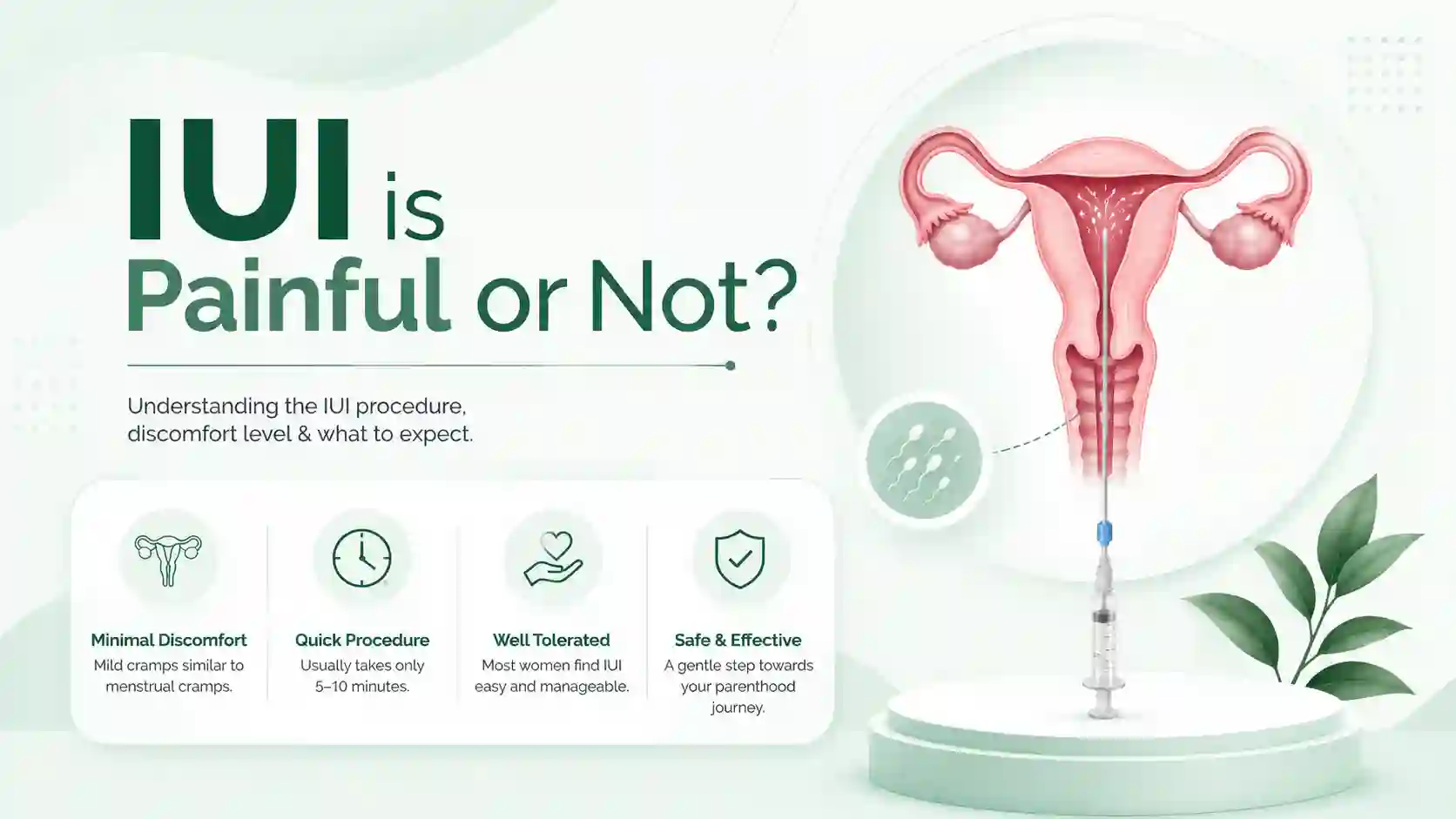
Prepared sperm is placed directly into the uterus using a thin, sterile catheter.
Step 5: Pregnancy Testing
A pregnancy test is usually recommended about 14 days after IUI.
Benefits of Clinic-Based IUI
Clinical IUI provides several important advantages.
Benefits include:
- Sterile medical environment
- Laboratory sperm preparation
- Professional ovulation monitoring
- Personalized fertility evaluation
- Reduced infection risk
- Access to fertility specialists
- Individualized treatment planning
These services are not available through a home insemination kit.
Risks, Side Effects, or Limitations
Attempting to perform true IUI at home is not recommended.
Potential risks include:
- Infection from non-sterile technique
- Injury to the cervix or uterus
- Incorrect catheter placement
- Introducing unwashed semen into the uterus, which can cause severe cramping or infection
- Delayed diagnosis of underlying fertility conditions
For these reasons, professional medical supervision is essential for IUI.
Cost Considerations
Many people search for a home IUI kit because it may appear less expensive than clinic-based treatment.
However, professional IUI includes services such as:
- Fertility consultation
- Diagnostic testing
- Ovulation monitoring
- Laboratory sperm washing
- Sterile equipment
- Medical expertise
- Follow-up care
While home insemination kits may have a lower initial cost, they are not equivalent to clinical IUI.
Factors Affecting Pregnancy Success
Several factors influence the likelihood of pregnancy regardless of the insemination method.
Female Age
Age significantly affects egg quality and fertility.
Ovulation Timing
Accurate timing during the fertile window is essential.
Sperm Quality
Healthy sperm count, motility, and morphology improve the chances of fertilization.
Fallopian Tube Health
At least one healthy, open fallopian tube is generally required for pregnancy.
Overall Reproductive Health
Underlying fertility conditions should be evaluated before beginning treatment.
Emotional & Patient Perspective
Fertility treatment is a personal journey, and many people value:
- Privacy
- Convenience
- Lower costs
- Greater flexibility
At the same time, it’s important to balance these considerations with medical safety and the need for an accurate fertility diagnosis.
If you are unsure which treatment is appropriate, speaking with a fertility specialist can help you make an informed decision.
Tips Before Using a Home Insemination Kit
If you’re considering a home insemination kit:
- Schedule a fertility evaluation first.
- Understand that home insemination is different from IUI.
- Follow all instructions carefully.
- Use screened donor sperm if applicable.
- Track ovulation accurately.
- Never attempt to place unwashed semen directly into the uterus.
- Seek medical advice if you have known fertility problems.
These steps can help support safe and informed fertility care.
When to See a Fertility Specialist
Consult a fertility specialist if:
- You have been trying to conceive without success.
- You have irregular menstrual cycles.
- You have known fertility concerns.
- You have experienced recurrent pregnancy loss.
- You are considering IUI or donor insemination.
- You have questions about home insemination kits.
A comprehensive fertility evaluation can help determine the most appropriate treatment for your individual situation.
Although many people search for a home IUI kit, it’s important to understand that true IUI cannot be safely performed at home. Most products marketed as home IUI kits are designed for intracervical insemination (ICI), which is a different procedure. Clinical IUI involves laboratory sperm washing, sterile medical equipment, and placement of prepared sperm directly into the uterus by trained healthcare professionals. If you’re considering fertility treatment, consulting a fertility specialist is the safest way to receive an accurate diagnosis and develop a personalized treatment plan.
FAQs About Home IUI Kit
1. Can I perform IUI at home using a home IUI kit?
No. True IUI requires washed sperm, sterile equipment, and placement of sperm directly into the uterus by a trained healthcare professional.
2. Is a home IUI kit the same as IUI?
No. Most products marketed as home IUI kits are actually designed for intracervical insemination (ICI), which differs from clinical IUI.
3. Why can’t unwashed semen be placed directly into the uterus?
Unwashed semen contains substances that can cause severe uterine cramping, inflammation, or infection if introduced directly into the uterus. Laboratory sperm washing is an essential part of clinical IUI.
4. Is home insemination safe?
Home insemination may be appropriate for some individuals using screened donor sperm under medical guidance. However, it is not the same as IUI and may not be suitable for everyone.
5. Does a home IUI kit improve pregnancy chances?
Pregnancy depends on factors such as age, ovulation timing, sperm quality, and overall reproductive health. A home insemination kit does not provide the medical procedures used in clinical IUI.
6. Who should consider clinic-based IUI?
People with unexplained infertility, mild male factor infertility, ovulation disorders, cervical factor infertility, or those advised by a fertility specialist may benefit from clinical IUI.
7. When should I consult a fertility specialist?
If you have difficulty conceiving, irregular menstrual cycles, known fertility conditions, or questions about fertility treatment, a fertility specialist can recommend the safest and most effective option for your situation.