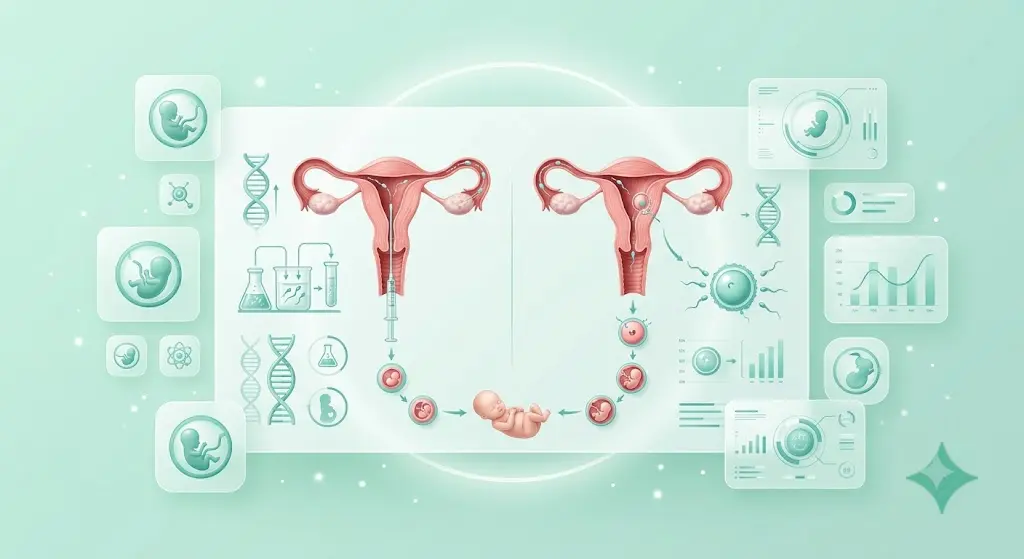
Many couples considering fertility treatment ask an important question: “Are IUI babies different from normal babies?” It’s a common concern, especially for first-time parents exploring assisted reproductive treatments. Fortunately, current medical evidence shows that babies conceived through Intrauterine Insemination (IUI) are generally just as healthy as babies conceived naturally.
The main difference lies in how fertilization begins, not in how the baby develops afterward. Once fertilization occurs and a healthy pregnancy is established, fetal growth and development follow the same biological process as in a naturally conceived pregnancy. This guide explains the differences between IUI babies vs normal babies, addresses common myths, and discusses factors that influence pregnancy outcomes.
What Does “IUI Babies vs Normal Babies” Mean?
The comparison IUI babies vs normal babies refers to babies conceived through:
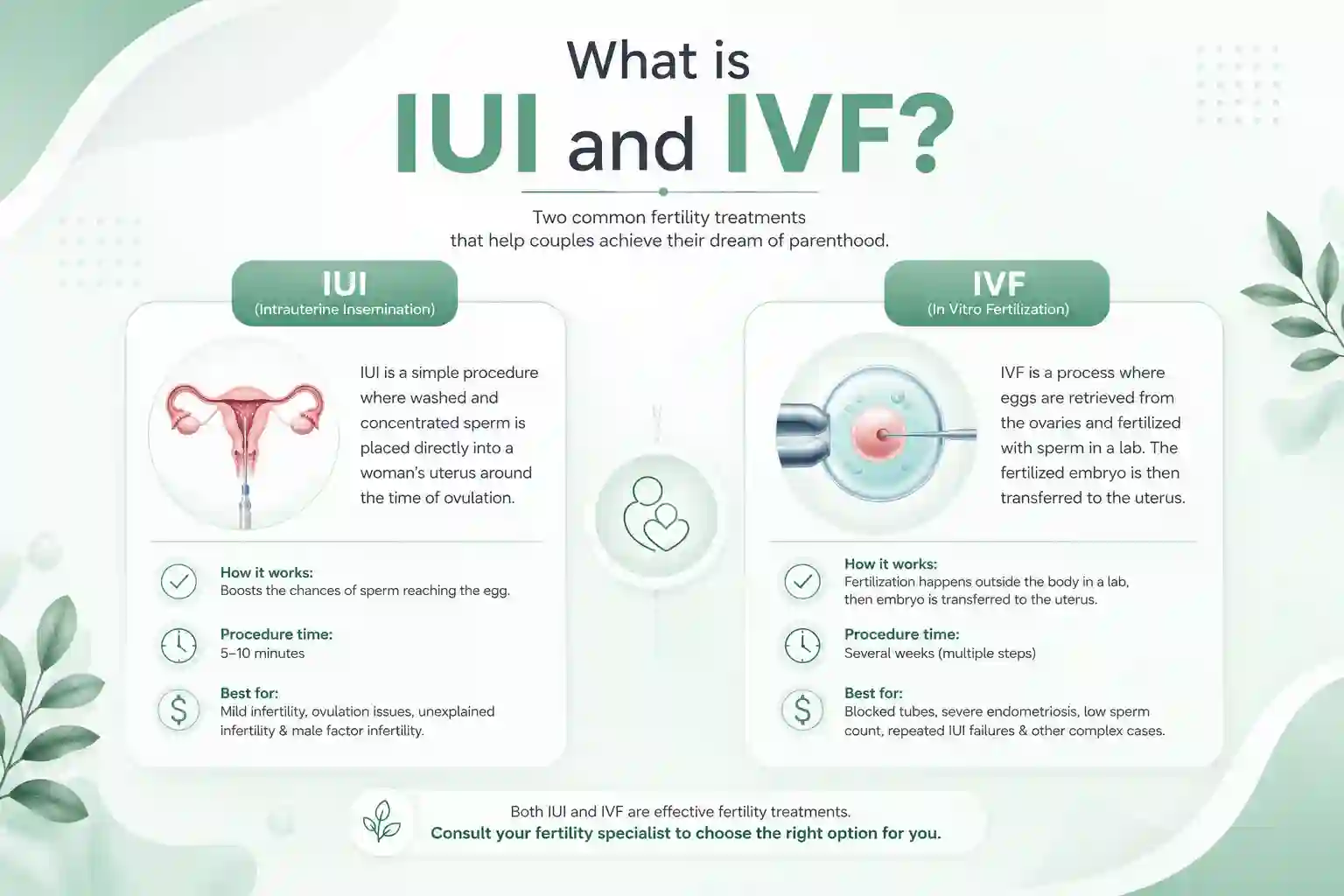
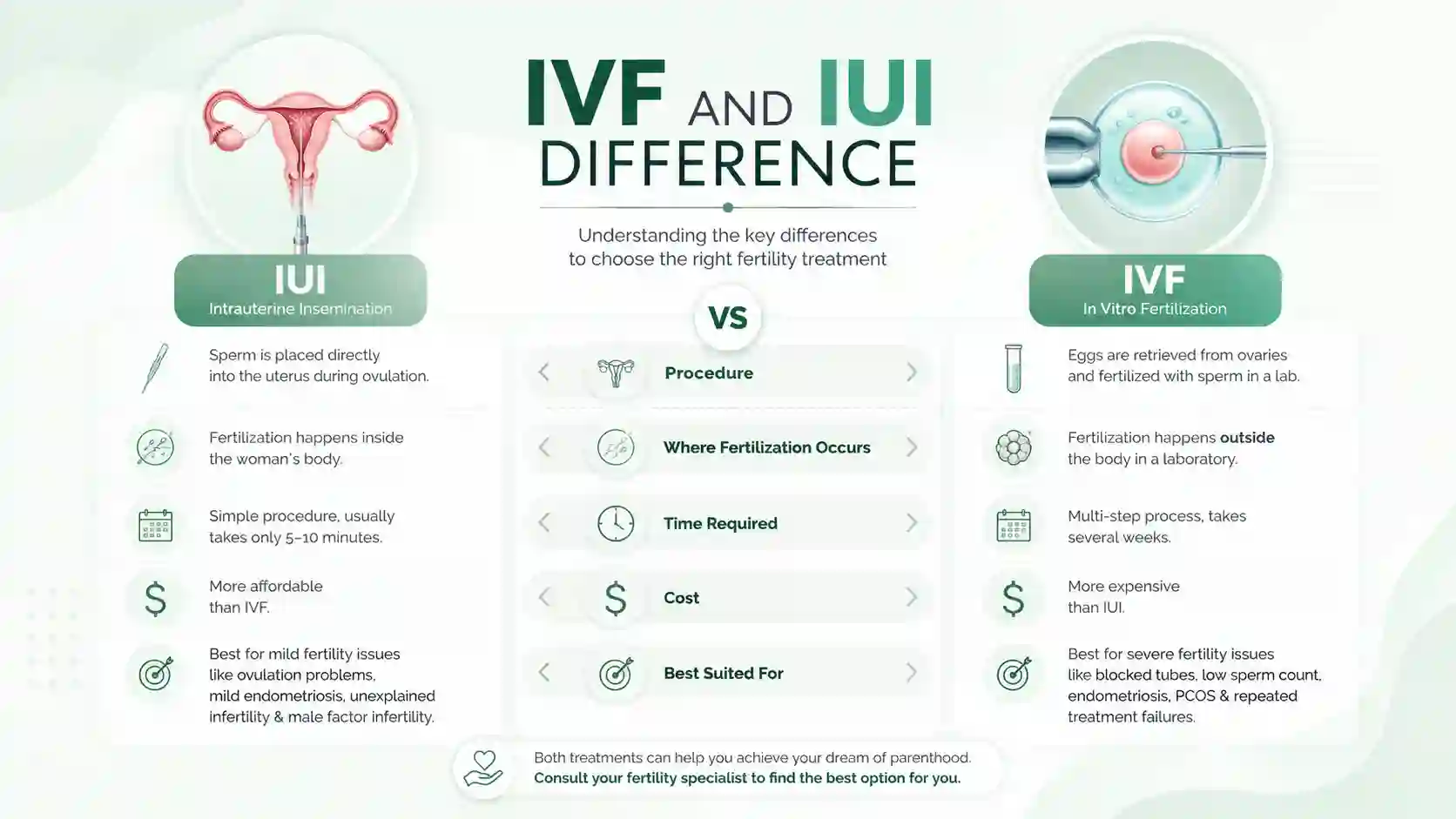
- IUI (Intrauterine Insemination): Specially prepared sperm is placed directly into the uterus around the time of ovulation, allowing fertilization to occur naturally inside the body.
- Natural Conception: Sperm reaches the egg through sexual intercourse, and fertilization also occurs naturally in the fallopian tube.
In both situations:
- Fertilization happens naturally inside the body.
- The embryo implants in the uterus.
- Pregnancy develops in the same way.
- The baby grows through the normal stages of fetal development.
The method of helping sperm reach the egg does not change the baby’s genetics or normal developmental process.
Why Is This Comparison Important?
Understanding IUI babies vs normal babies helps reduce unnecessary fears about fertility treatment.
Many people worry whether an IUI baby may have:
- Developmental differences
- Birth defects
- Lower intelligence
- Poor physical growth
- Long-term health problems
Current medical research indicates that IUI itself is not associated with differences in intelligence, physical development, or overall health compared with naturally conceived babies. Pregnancy outcomes are influenced more by factors such as parental health, maternal age, underlying infertility, prenatal care, and lifestyle.
How Does IUI Work?
Understanding the IUI process helps explain why babies conceived through IUI develop normally.
Step 1: Ovulation
The woman’s ovaries release an egg naturally or after fertility medication.
Step 2: Sperm Preparation
A semen sample is processed in the laboratory to separate healthy, motile sperm.
Step 3: Insemination
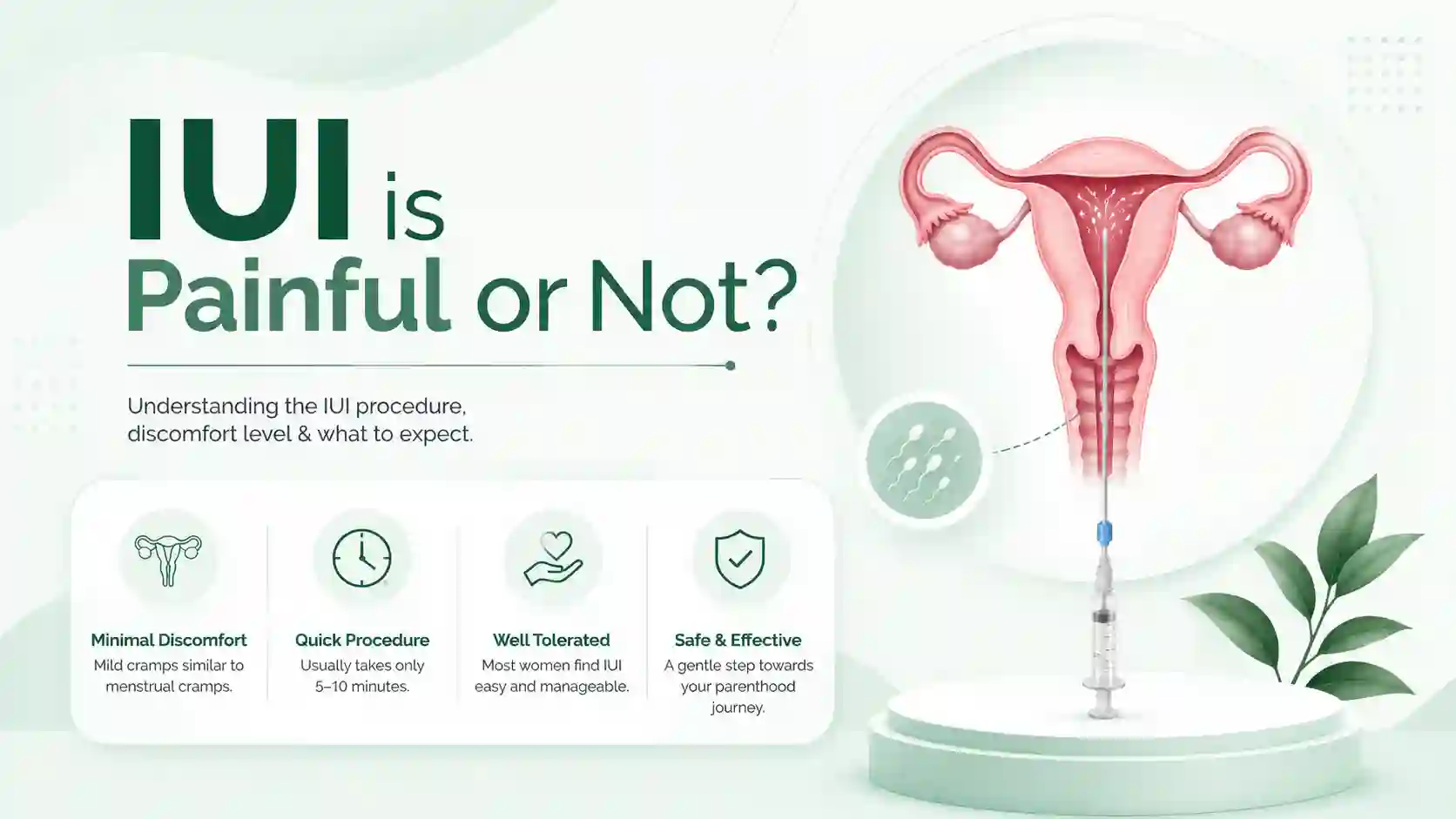
Prepared sperm is placed directly into the uterus using a thin catheter.
Step 4: Natural Fertilization
The sperm travels to the fallopian tube, where fertilization occurs naturally.
Step 5: Pregnancy
The embryo implants in the uterus and develops exactly as it would after natural conception.
Once fertilization has taken place, pregnancy follows the same biological process regardless of whether conception began naturally or through IUI.
Benefits of IUI
IUI offers several advantages for appropriate candidates.
Benefits include:
- Minimally invasive fertility treatment
- No surgery required
- Fertilization occurs naturally inside the body
- Lower cost than IVF
- Short outpatient procedure
- Minimal recovery time
- Effective for selected infertility conditions
Because fertilization occurs naturally, many people view IUI as one of the least invasive forms of assisted reproduction.
Are IUI Babies Different from Normal Babies?
The simple answer is no.
Medical studies have shown that IUI babies generally have the same growth, development, learning ability, and long-term health outcomes as babies conceived naturally.
After fertilization:
- Embryo development is the same.
- Organ formation follows the same timeline.
- Pregnancy progresses normally.
- Delivery depends on routine obstetric care and maternal health.
The baby’s genes come from the egg and sperm—not from the IUI procedure itself.
Risks, Side Effects, or Limitations
Although IUI itself does not make babies different, pregnancy outcomes can be influenced by other factors.
These include:
- Advanced maternal age
- Underlying infertility conditions
- Multiple pregnancy (more likely if fertility medications stimulate the release of multiple eggs)
- Maternal medical conditions such as diabetes or hypertension
- Smoking, alcohol, or poor nutrition during pregnancy
These factors can affect any pregnancy, whether conception is natural or assisted.
Birth Outcomes and Long-Term Development
Current evidence suggests that most babies conceived through IUI experience:
- Normal birth weight
- Typical physical growth
- Age-appropriate developmental milestones
- Normal cognitive development
- Similar school performance compared with naturally conceived children
Regular prenatal care, a healthy pregnancy, and appropriate pediatric follow-up remain important for all babies.
Factors Affecting Pregnancy Outcomes
Several factors influence pregnancy and newborn health more than the method of conception.
Maternal Age
Age can affect pregnancy risks and fertility, regardless of whether conception occurs naturally or through IUI.
Overall Health
Good nutrition, regular prenatal care, and management of chronic medical conditions contribute to healthier pregnancies.
Lifestyle
Avoiding smoking, excessive alcohol, and recreational drugs supports fetal development.
Underlying Fertility Condition
Some fertility conditions may influence pregnancy outcomes independently of the IUI procedure.
Prenatal Care
Routine antenatal check-ups help monitor fetal growth and identify potential complications early.
Emotional & Patient Perspective
It’s normal for parents to wonder whether fertility treatment could affect their future child.
Common concerns include:
- “Will my baby be healthy?”
- “Will my child develop normally?”
- “Is an IUI baby different?”
For most families, the reassuring answer is that IUI babies grow, learn, play, and develop just like children conceived naturally. Understanding this can reduce anxiety and help parents focus on enjoying their pregnancy and preparing for their new arrival.
Tips for a Healthy Pregnancy After IUI
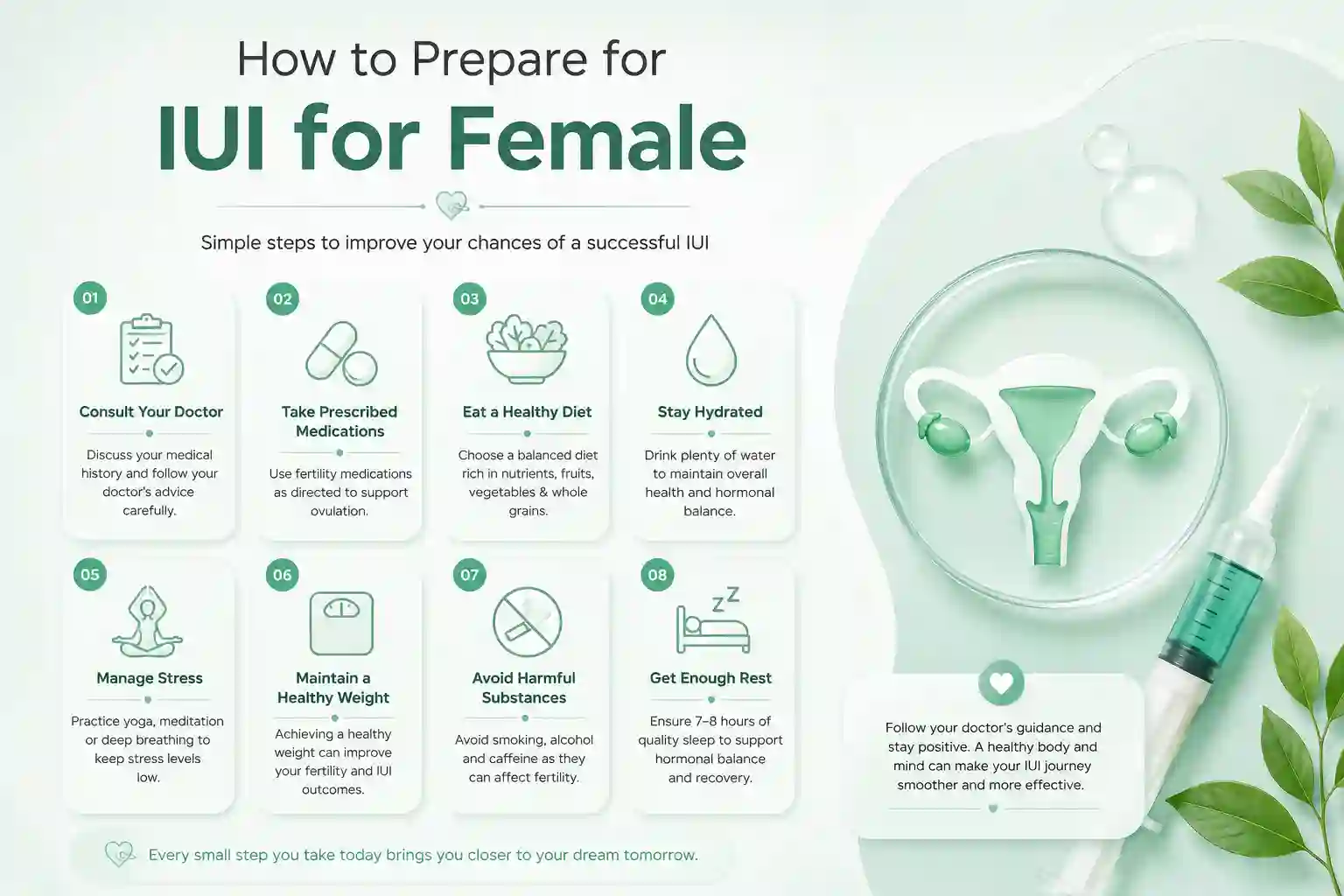
To support a healthy pregnancy:
- Attend all prenatal appointments.
- Take prenatal vitamins as recommended.
- Eat a balanced, nutritious diet.
- Stay physically active if approved by your healthcare provider.
- Avoid smoking, alcohol, and recreational drugs.
- Manage chronic health conditions.
- Get adequate sleep and manage stress.
These healthy habits benefit every pregnancy, regardless of how conception occurred.
When to See a Fertility Specialist
Consult a fertility specialist if:
- You have been trying to conceive without success.
- You are considering IUI treatment.
- You have questions about fertility treatment and pregnancy outcomes.
- You have experienced recurrent pregnancy loss.
- You have concerns about maternal age or other fertility factors.
Your specialist can explain whether IUI is appropriate and address any concerns about pregnancy and child health.
When comparing IUI babies vs normal babies, the evidence is reassuring. Babies conceived through IUI are generally just as healthy and capable as babies conceived naturally. The IUI procedure simply helps sperm reach the egg more efficiently; it does not alter the baby’s genetics or normal fetal development. Pregnancy outcomes depend far more on factors such as maternal health, age, prenatal care, and underlying medical conditions than on the method of conception. If you’re considering IUI, discussing your individual circumstances with a qualified fertility specialist can help you make informed decisions with confidence.
FAQs About IUI Babies vs Normal Babies
1. Are IUI babies as healthy as naturally conceived babies?
Yes. Current medical evidence indicates that babies conceived through IUI are generally as healthy as babies conceived naturally.
2. Do IUI babies have more birth defects?
The IUI procedure itself has not been shown to increase the risk of birth defects. Overall pregnancy risks depend on many factors, including parental health and maternal age.
3. Are IUI babies genetically different?
No. An IUI baby inherits genes from the biological egg and sperm, just like a naturally conceived baby. The procedure does not change the baby’s genetic makeup.
4. Do IUI babies develop normally?
Yes. Most IUI babies reach normal physical, cognitive, and developmental milestones similar to naturally conceived children.
5. Is pregnancy after IUI different from a natural pregnancy?
Once fertilization and implantation occur, pregnancy usually progresses in the same way as a naturally conceived pregnancy.
6. Can IUI increase the chance of twins?
Yes. If fertility medications are used to stimulate the release of multiple eggs, the chance of a multiple pregnancy may be higher. This depends on the treatment protocol rather than the IUI procedure itself.
7. Should I take special precautions during pregnancy after IUI?
In most cases, standard prenatal care, a healthy lifestyle, and regular follow-up with your healthcare provider are recommended, just as they are for any pregnancy.