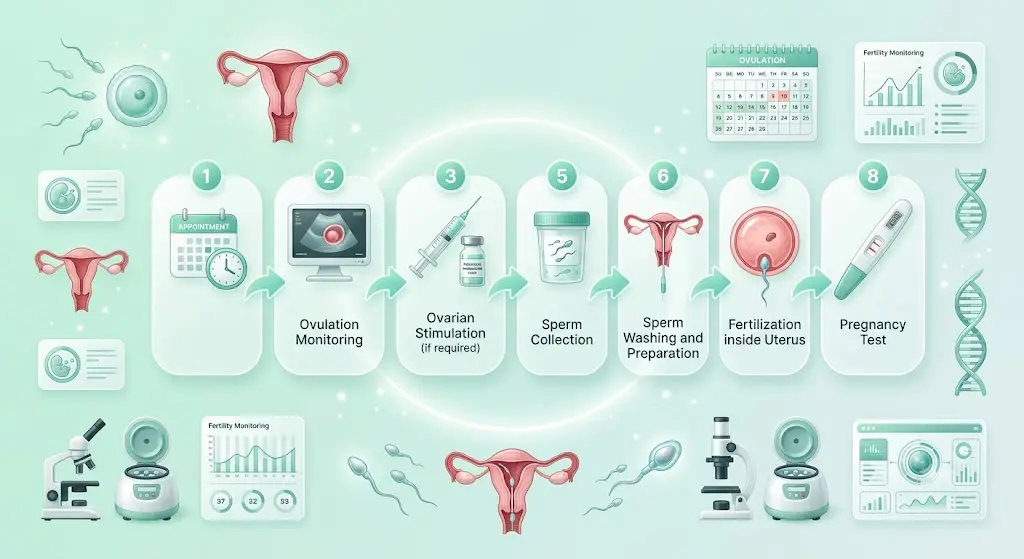
For couples and individuals experiencing difficulty conceiving, the IUI process is often one of the first fertility treatments recommended by specialists. Intrauterine insemination (IUI) is a minimally invasive procedure designed to increase the chances of pregnancy by placing specially prepared sperm directly into the uterus during ovulation.
Although the idea of fertility treatment can feel overwhelming, understanding each stage of the IUI process can make the experience less stressful. This guide explains how IUI works, who may benefit from it, what to expect during treatment, and the factors that influence its success.
What Is the IUI Process?
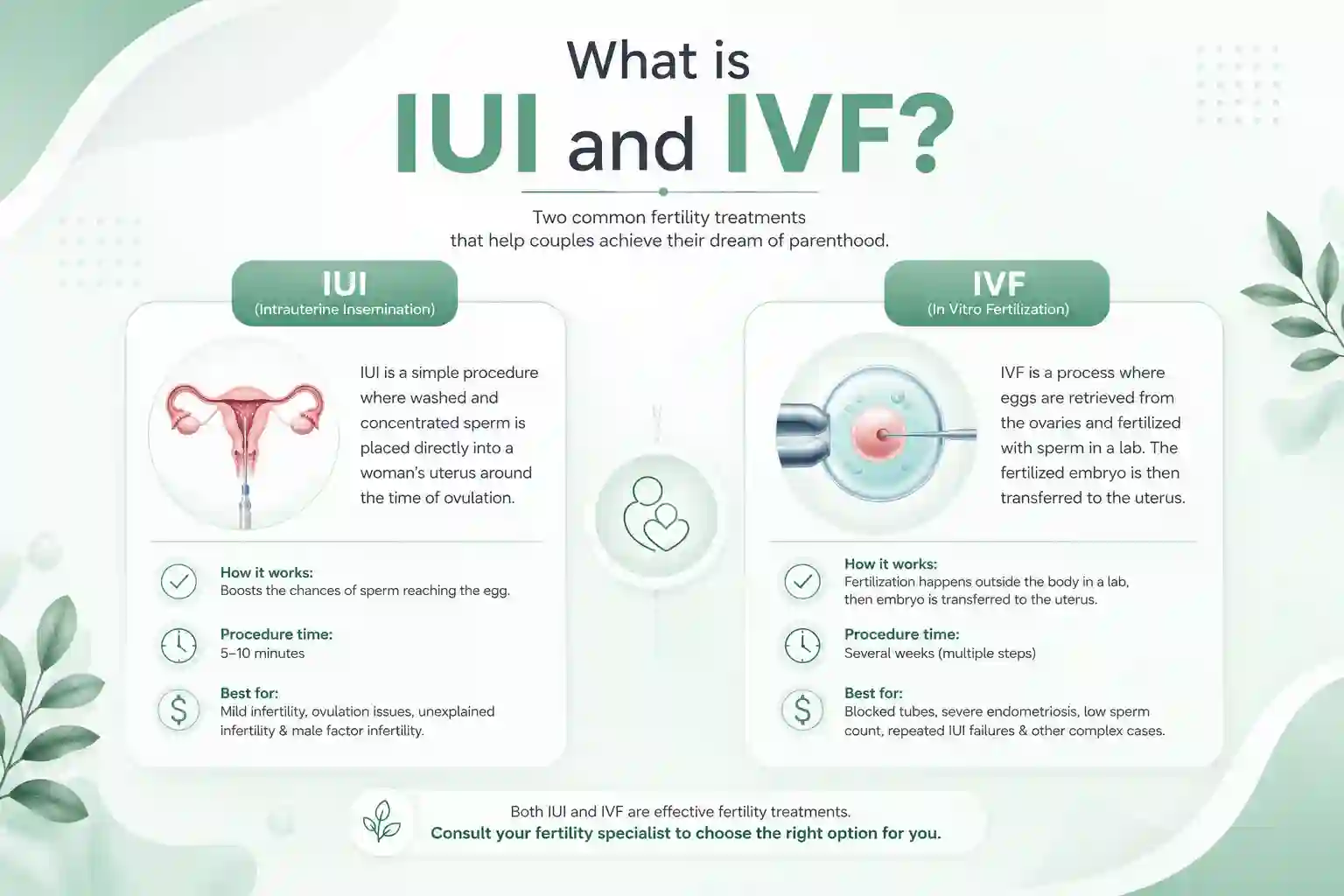
The IUI process (Intrauterine Insemination) is a fertility treatment that involves collecting, preparing, and placing healthy sperm directly into the uterus around the time an egg is released from the ovary.
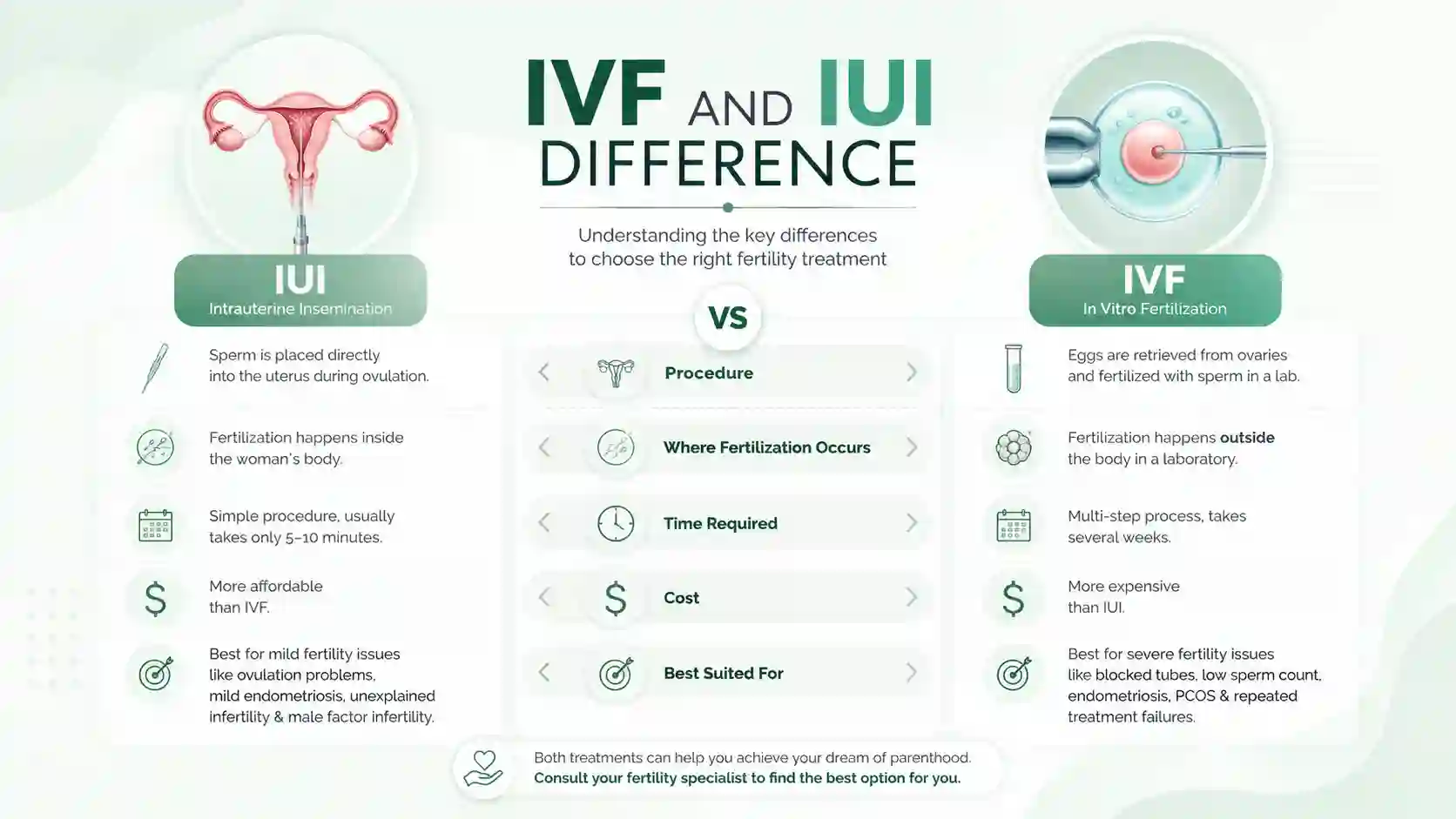
Unlike In Vitro Fertilization (IVF), fertilization during IUI takes place naturally inside the body after the sperm reaches the fallopian tube.
The IUI process may be recommended for:
- Unexplained infertility
- Mild male factor infertility
- Ovulation disorders
- Cervical factor infertility
- Couples using donor sperm
- Single women or same-sex female couples using donor sperm
Your fertility specialist will determine whether IUI is suitable based on your medical history and fertility evaluation.
Why Is the IUI Process Important?
The IUI process offers a less invasive and more affordable fertility treatment than IVF for selected patients.
Its goals include:
- Increasing the number of healthy sperm reaching the egg
- Improving the timing of fertilization
- Bypassing certain cervical factors
- Supporting pregnancy in appropriate infertility cases
- Offering a first-line fertility treatment before considering IVF
Proper timing and patient selection are essential for achieving the best possible outcomes.
How Does the IUI Process Work?
The IUI process follows a carefully timed sequence of steps.
Step 1: Initial Fertility Consultation
The process begins with a comprehensive fertility evaluation.
This may include:
- Medical history review
- Physical examination
- Hormone blood tests
- Pelvic ultrasound
- Ovulation assessment
- Semen analysis
- Fallopian tube evaluation when indicated
These investigations help identify the cause of infertility and determine whether IUI is appropriate.
Step 2: Ovulation Monitoring
The fertility team identifies the most fertile time in your menstrual cycle.
Depending on your treatment plan, this may involve:
- Natural cycle monitoring
- Ultrasound scans
- Hormone blood tests
- Ovulation predictor kits
- Fertility medications to stimulate ovulation
Some patients receive a trigger injection to precisely time egg release.
Step 3: Sperm Collection and Washing
On the day of insemination, a semen sample is collected.
The laboratory then performs sperm washing, which:
- Removes seminal fluid
- Separates healthy, motile sperm
- Concentrates the best-quality sperm for insemination
This preparation improves the likelihood of sperm reaching the egg.
Step 4: Insemination
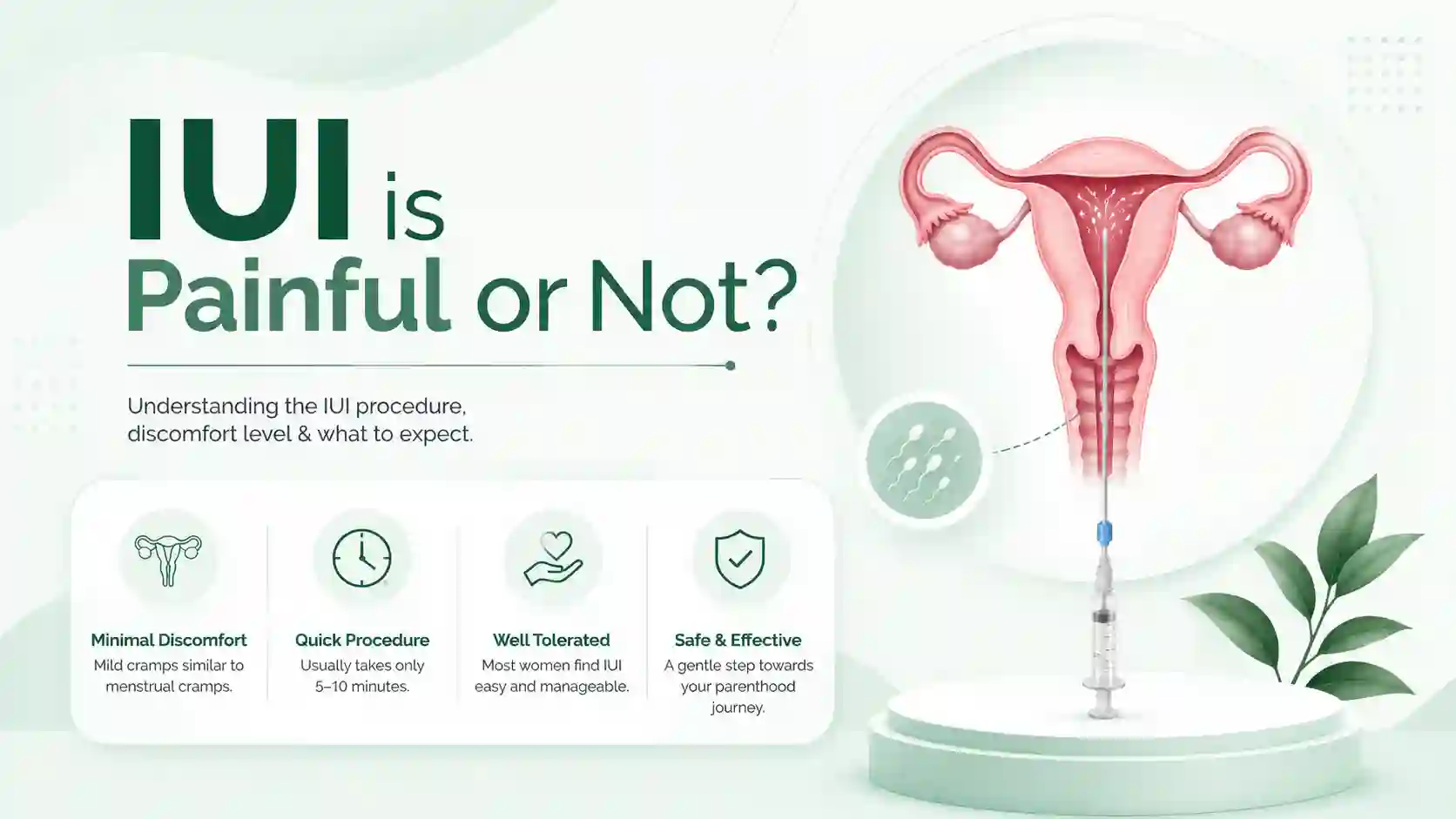
The insemination itself is a quick outpatient procedure.
During the process:
- You lie comfortably on an examination table.
- A speculum is inserted into the vagina.
- A thin, flexible catheter passes through the cervix.
- The prepared sperm is gently placed into the uterus.
- The catheter is removed.
The procedure usually takes only a few minutes and generally does not require anesthesia.
Step 5: Two-Week Wait and Pregnancy Test
After insemination:
- Most patients resume normal daily activities.
- Some may receive progesterone support.
- A pregnancy test is typically performed about 14 days later.
This waiting period is often referred to as the “two-week wait.”
Benefits of the IUI Process
The IUI process offers several advantages for eligible patients.
Benefits include:
- Minimally invasive treatment
- No surgery required
- Quick outpatient procedure
- Lower cost than IVF in many cases
- Minimal recovery time
- Can be combined with fertility medications
- Suitable for several types of infertility
For many patients, IUI is an effective first step before considering more advanced fertility treatments.
Risks, Side Effects, or Limitations
Although generally safe, the IUI process has some limitations.
Possible side effects include:
- Mild cramping
- Light spotting
- Temporary pelvic discomfort
Potential risks include:
- Multiple pregnancy when fertility medications are used
- Ovarian Hyperstimulation Syndrome (OHSS), though uncommon
- Rare infection
- Unsuccessful treatment cycles
IUI may not be appropriate for severe male infertility, blocked fallopian tubes, or certain advanced reproductive conditions.
Cost, Timeline, and Success Rate
Cost
The total cost of the IUI process depends on:
- Fertility clinic
- Diagnostic testing
- Ovulation medications
- Ultrasound monitoring
- Laboratory sperm preparation
- Number of treatment cycles
Discuss the complete treatment estimate with your fertility clinic before beginning care.
Timeline
A typical IUI cycle usually takes two to three weeks from menstrual cycle monitoring to pregnancy testing.
The insemination procedure itself usually lasts only a few minutes.
Success Rate
Success varies depending on several factors, including:
- Female age
- Cause of infertility
- Sperm quality
- Ovulation timing
- Overall reproductive health
Some patients conceive after one cycle, while others require multiple treatment attempts.
Factors Affecting Results
Several factors influence the success of the IUI process.
Female Age
Pregnancy rates are generally higher in younger women.
Ovulation Timing
Accurate timing between ovulation and insemination is essential.
Sperm Quality
Healthy sperm count and motility improve the likelihood of fertilization.
Fallopian Tube Health
At least one healthy, open fallopian tube is usually necessary for successful IUI.
Lifestyle Factors
Maintaining a healthy weight, avoiding smoking, limiting alcohol consumption, and managing chronic medical conditions may support fertility.
Emotional & Patient Perspective
Fertility treatment can be emotionally challenging, even when the procedure is straightforward.
Patients may experience:
- Hope
- Excitement
- Anxiety during the waiting period
- Disappointment if pregnancy does not occur
- Stress regarding future treatment decisions
Support from family, friends, fertility counselors, and healthcare professionals can be valuable throughout the process.
Tips for Preparing for the IUI Process
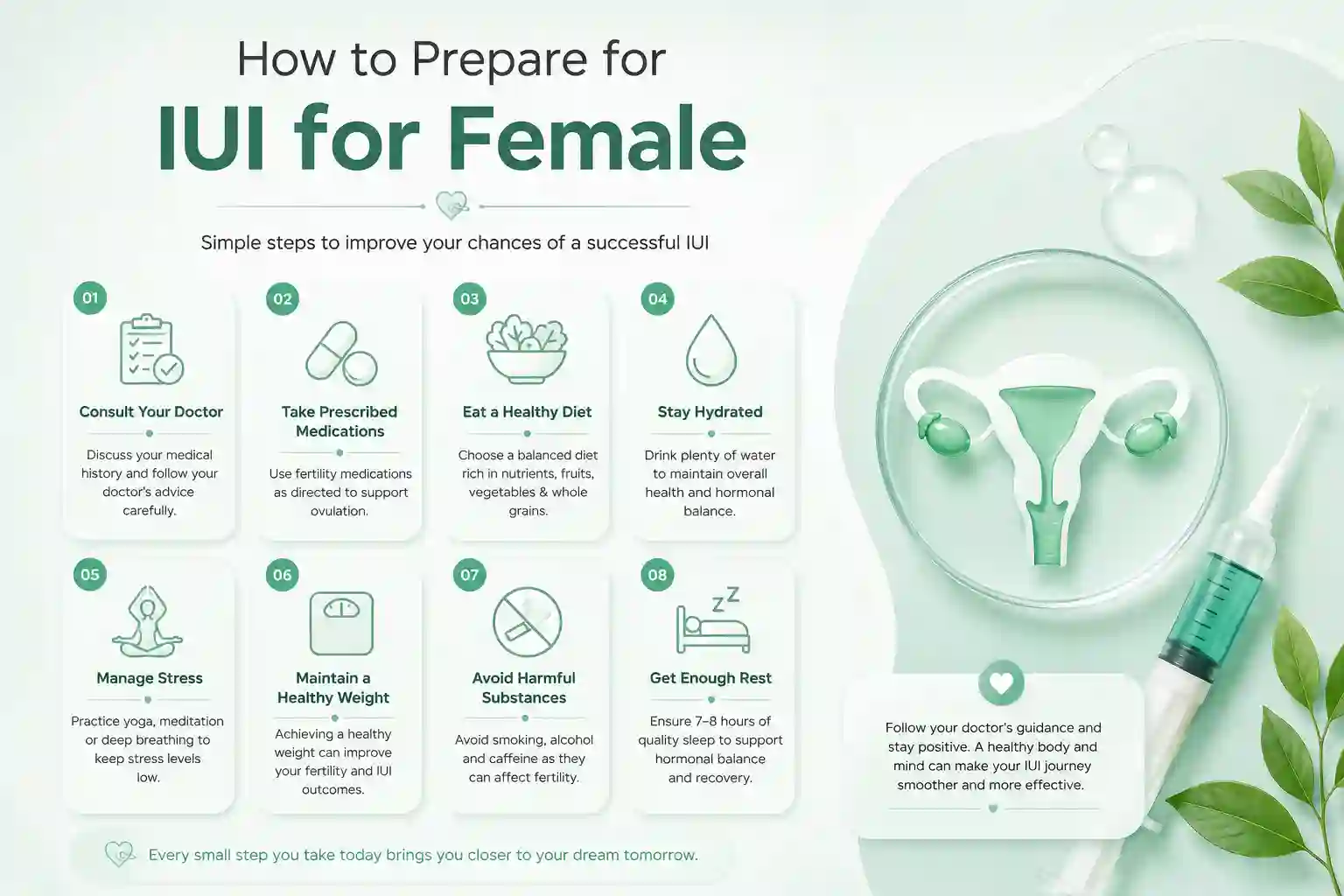
To prepare for the IUI process:
- Attend all scheduled monitoring appointments.
- Take medications exactly as prescribed.
- Maintain a balanced diet.
- Stay hydrated.
- Avoid smoking and excessive alcohol.
- Ask your fertility specialist any questions before treatment.
- Follow the timing instructions carefully.
Good preparation can improve your overall treatment experience.
When to See a Fertility Specialist
Consult a fertility specialist if:
- You are under 35 and have been trying to conceive for one year.
- You are 35 or older and have been trying for six months.
- You have irregular menstrual cycles.
- You have mild male factor infertility.
- You have unexplained infertility.
- You have experienced recurrent miscarriages.
Early evaluation can help determine whether the IUI process is appropriate or if another fertility treatment would be more suitable.
The IUI process is a safe, minimally invasive fertility treatment that helps increase the chances of pregnancy by placing prepared sperm directly into the uterus during ovulation. It is commonly recommended for selected infertility conditions and is often considered before moving to more advanced treatments such as IVF. Understanding each step of the IUI process—from fertility assessment and ovulation monitoring to insemination and pregnancy testing—can help patients feel more confident and prepared throughout their fertility journey.
FAQs About the IUI Process
1. What is the IUI process?
The IUI process is a fertility treatment in which washed sperm is placed directly into the uterus around the time of ovulation to increase the chance of fertilization.
2. How long does the IUI process take?
A complete IUI treatment cycle usually takes about two to three weeks, while the insemination procedure itself generally takes only a few minutes.
3. Is the IUI process painful?
Most patients experience little or no pain. Mild cramping or temporary discomfort may occur during or shortly after the procedure.
4. Can I return to normal activities after IUI?
Yes. Most people can resume their usual daily activities immediately after the procedure unless advised otherwise by their fertility specialist.
5. How successful is the IUI process?
Success depends on factors such as age, fertility diagnosis, ovulation timing, sperm quality, and overall reproductive health.
6. How many IUI cycles are usually recommended?
The recommended number of cycles varies depending on individual circumstances. Your fertility specialist will guide you based on your age and fertility evaluation.
7. When is the IUI process recommended?
The IUI process may be recommended for unexplained infertility, mild male factor infertility, ovulation disorders, cervical factor infertility, or when using donor sperm.