If you’re struggling to conceive, finding the best IVF treatment is likely one of your biggest concerns. In vitro fertilization (IVF) is one of the most effective assisted reproductive technologies (ART) available today and has helped millions of individuals and couples achieve pregnancy.
However, the best IVF treatment isn’t the same for everyone. The most appropriate approach depends on factors such as age, the cause of infertility, medical history, and personal goals. Understanding your options can help you make informed decisions and work with your fertility specialist to develop a personalized treatment plan.
What Is Best IVF Treatment?
The term best IVF treatment refers to an individualized IVF approach that offers the highest chance of achieving a healthy pregnancy based on a patient’s unique fertility profile.
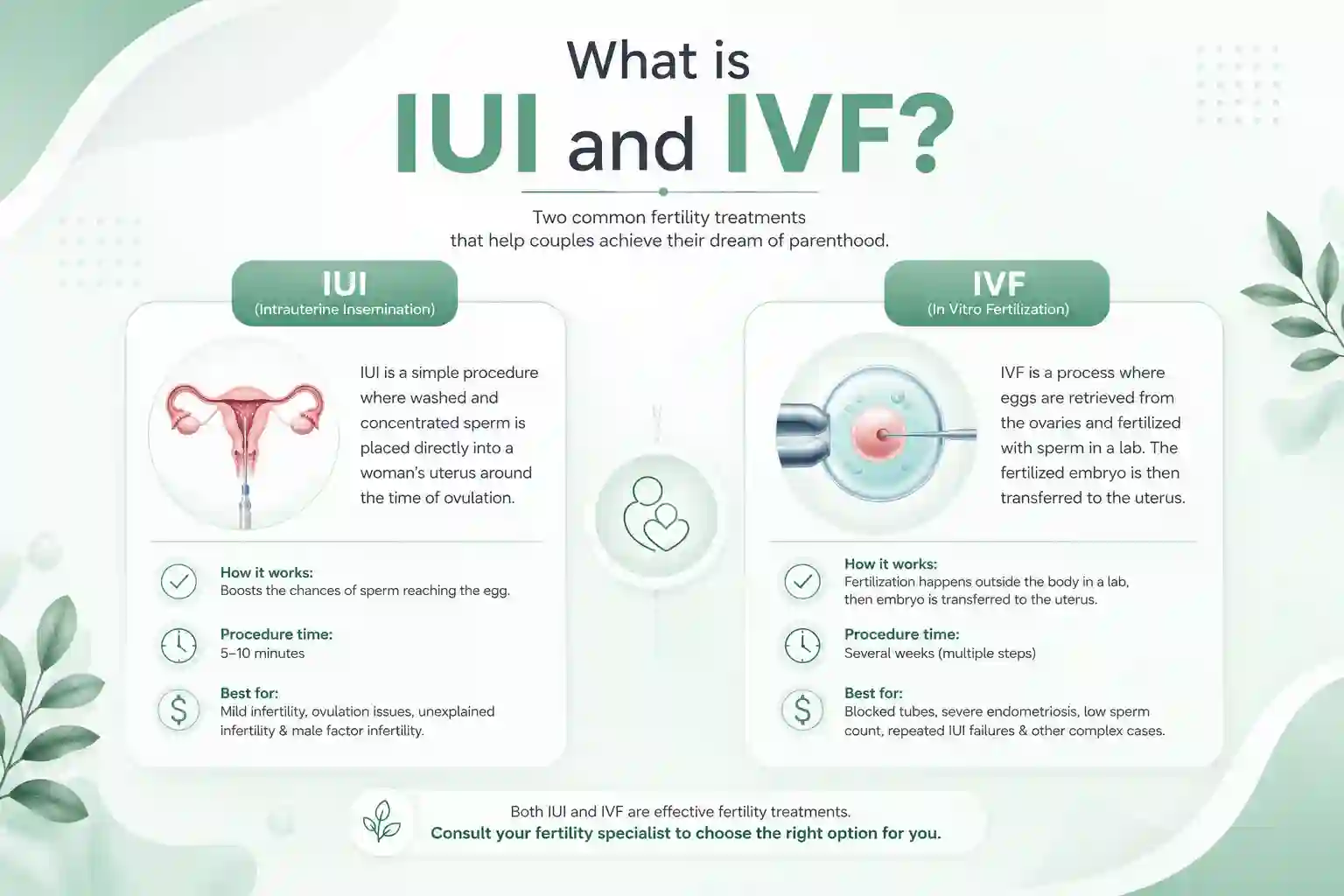
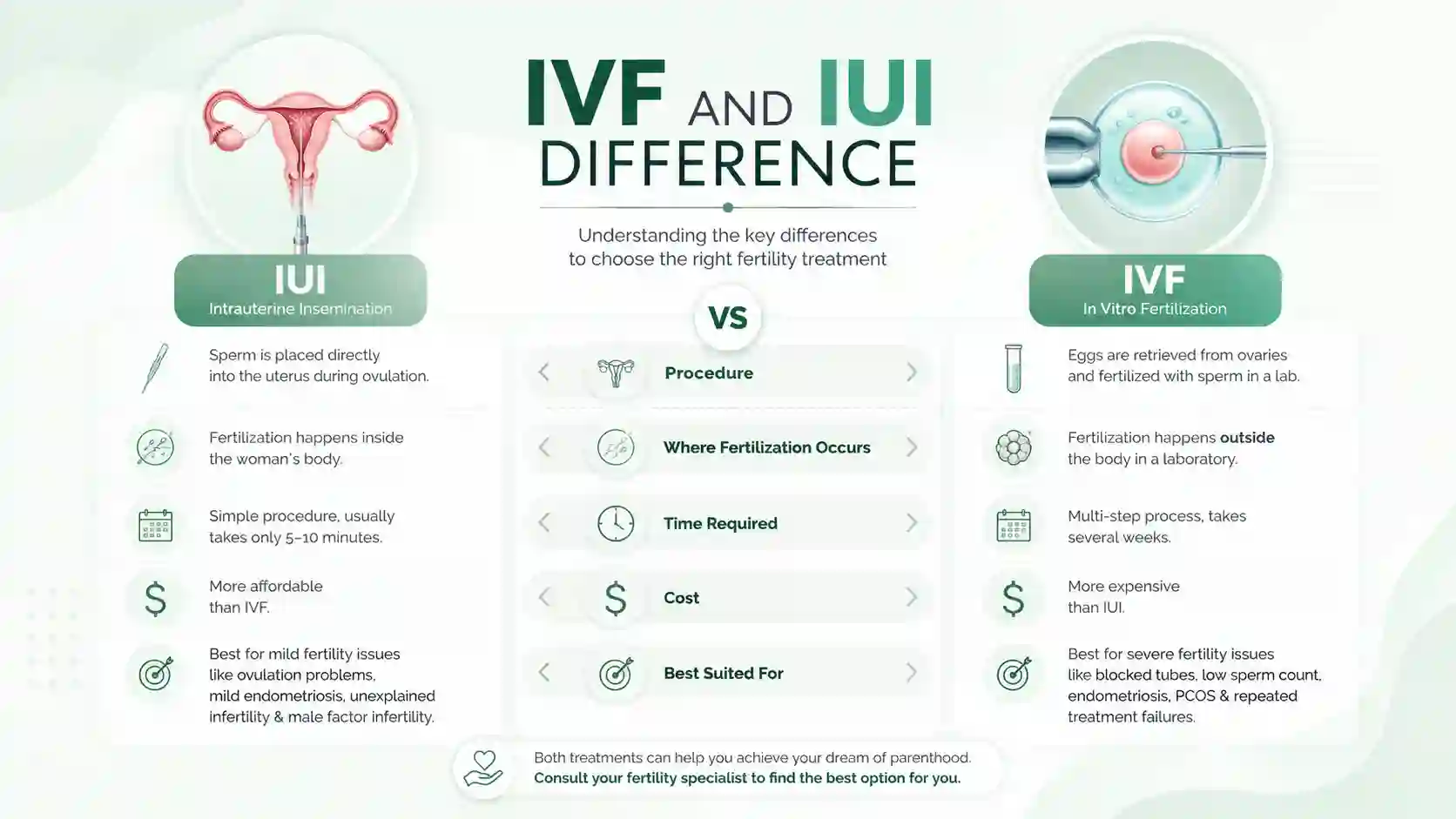
IVF involves fertilizing an egg with sperm in a specialized laboratory. After fertilization, one or more embryos are transferred into the uterus with the goal of establishing a successful pregnancy.
Depending on the diagnosis, the best IVF treatment may include:
- Conventional IVF
- IVF with Intracytoplasmic Sperm Injection (ICSI)
- Frozen Embryo Transfer (FET)
- Preimplantation Genetic Testing (PGT) when medically indicated
- Donor egg IVF
- Donor sperm IVF
- Fertility preservation through egg or embryo freezing
A fertility specialist determines the most suitable treatment after a comprehensive evaluation.
Why Is Best IVF Treatment Important?
Choosing the best IVF treatment is important because every fertility journey is different.
A personalized treatment plan can help:
- Address the specific cause of infertility
- Improve the chances of successful fertilization
- Increase the likelihood of healthy embryo development
- Reduce unnecessary procedures
- Support safer pregnancy outcomes
Rather than focusing only on technology, effective IVF care combines medical expertise, accurate diagnosis, and individualized planning.
How Does Best IVF Treatment Work?
Although treatment plans vary, a typical IVF cycle includes the following steps.
Step 1: Fertility Evaluation
The fertility specialist reviews your medical history and performs tests such as:
- Hormone blood tests
- Ultrasound examination
- Ovarian reserve assessment
- Semen analysis
- Additional investigations when needed
Step 2: Ovarian Stimulation
Hormonal medications encourage the ovaries to produce multiple mature eggs.
Step 3: Egg Retrieval
A minimally invasive procedure is performed to collect mature eggs under sedation.
Step 4: Laboratory Fertilization
Eggs are fertilized with sperm in the laboratory. In some cases, ICSI is recommended when male infertility is present.
Step 5: Embryo Culture
Embryologists monitor embryo development over several days and assess embryo quality.
Step 6: Embryo Transfer
One carefully selected embryo—or more, depending on clinical recommendations—is transferred into the uterus.
Step 7: Pregnancy Test
Approximately two weeks later, a blood test confirms whether implantation has occurred.
Benefits of Best IVF Treatment
Modern IVF offers several advantages for individuals experiencing infertility.
Key benefits include:
- Treatment for a wide range of fertility conditions
- Higher pregnancy chances for many patients compared with some other fertility treatments
- Personalized treatment plans
- Access to advanced laboratory techniques
- Fertility preservation options
- Ability to use donor eggs or donor sperm when appropriate
- Opportunity for genetic testing in selected medical situations
The goal is to maximize the chance of a healthy pregnancy while minimizing risks.
Risks, Side Effects, or Limitations
Although IVF is generally safe, it is not without risks.
Possible side effects include:
- Bloating
- Mild pelvic discomfort
- Mood changes
- Fatigue
- Breast tenderness
Potential risks include:
- Ovarian Hyperstimulation Syndrome (OHSS)
- Multiple pregnancy if multiple embryos are transferred
- Procedure-related complications
- Emotional stress
- Unsuccessful implantation or miscarriage
It is important to understand that even the best IVF treatment cannot guarantee pregnancy.
Cost, Timeline, and Success Rate
Cost
The cost of IVF varies depending on:
- Fertility clinic
- Country or region
- Medications
- Laboratory procedures
- Genetic testing
- Donor services, if needed
Patients should request a detailed treatment estimate before beginning care.
Timeline
A standard IVF cycle usually takes about four to six weeks from ovarian stimulation to pregnancy testing.
Success Rate
Success rates vary according to:
- Female age
- Egg quality
- Sperm quality
- Embryo quality
- Uterine health
- Underlying cause of infertility
Generally, younger women have higher IVF success rates than older women.
Factors Affecting Results
Several factors influence IVF outcomes.
Female Age
Age has a major impact on egg quality and pregnancy rates.
Ovarian Reserve
The number and quality of available eggs affect response to treatment.
Embryo Quality
Healthy embryos are more likely to implant successfully.
Lifestyle
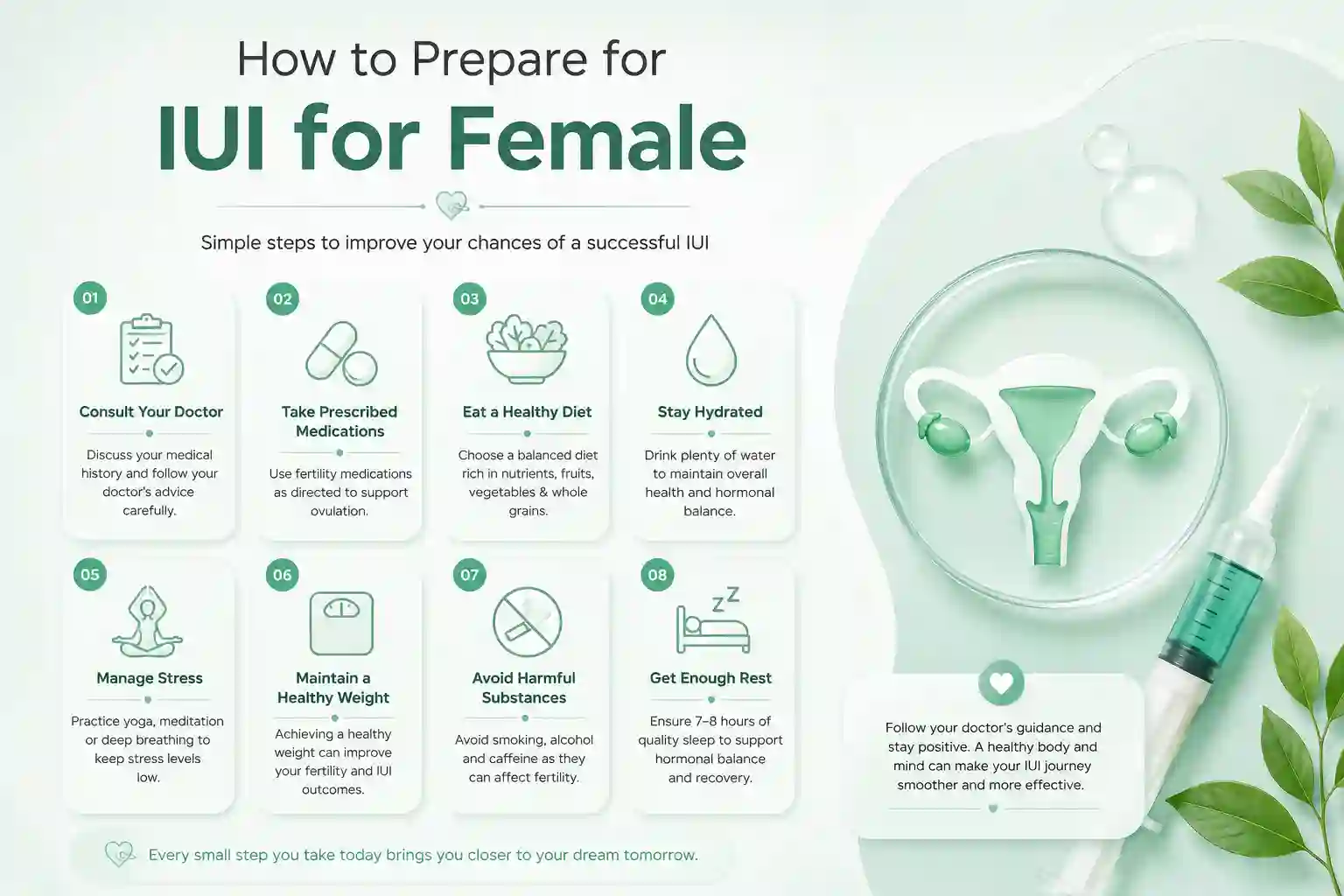
Maintaining a healthy weight, avoiding smoking, limiting alcohol, and managing chronic conditions may improve fertility outcomes.
Fertility Clinic Experience
Experienced reproductive specialists, skilled embryologists, and well-equipped laboratories contribute to high-quality IVF care.
Emotional & Patient Perspective
IVF can be both exciting and emotionally demanding.
Patients may experience:
- Hope and optimism
- Anxiety while waiting for results
- Stress related to finances or treatment outcomes
- Disappointment if a cycle is unsuccessful
Emotional support from partners, family, counselors, or fertility support groups can make the journey more manageable.
Tips for Choosing the Best IVF Treatment
When selecting an IVF treatment plan or fertility center, consider the following:
- Choose a qualified reproductive medicine specialist.
- Ask about experience with cases similar to yours.
- Understand the clinic’s approach to individualized treatment.
- Discuss expected success rates for your age group and diagnosis.
- Request a clear explanation of all costs.
- Learn about available laboratory technologies.
- Ensure you feel comfortable asking questions and participating in decision-making.
The best IVF treatment is one that is evidence-based and tailored to your specific needs.
When to See a Fertility Specialist
You should consider consulting a fertility specialist if:
- You are under 35 and have been trying to conceive for 12 months without success.
- You are 35 or older and have been trying for six months.
- You have irregular menstrual cycles.
- You have endometriosis or polycystic ovary syndrome (PCOS).
- You have experienced recurrent pregnancy loss.
- There are known concerns about sperm quality.
- You are considering fertility preservation before medical treatment or delaying pregnancy.
Early assessment can help identify the most appropriate treatment options.
Finding the best IVF treatment means choosing a personalized approach based on your age, fertility diagnosis, overall health, and reproductive goals. While IVF has helped millions of people become parents, treatment success depends on multiple factors, including careful evaluation and expert medical care. By working closely with a qualified fertility specialist, you can better understand your options and select the IVF treatment that best fits your individual circumstances.
FAQs About Best IVF Treatment
1. What is the best IVF treatment for infertility?
The best IVF treatment depends on the underlying cause of infertility, age, reproductive health, and individual medical needs. A fertility specialist can recommend the most appropriate approach.
2. Is ICSI better than conventional IVF?
ICSI is often recommended for certain cases of male factor infertility, but it is not necessary for every patient. The choice depends on the clinical situation.
3. What age has the highest IVF success rate?
Women under the age of 35 generally have the highest IVF success rates because egg quality and ovarian reserve are typically better.
4. How many IVF cycles are usually needed?
Some patients achieve pregnancy in the first cycle, while others may require multiple cycles. The number varies based on individual fertility factors.
5. Can lifestyle changes improve IVF success?
Maintaining a healthy weight, avoiding tobacco, limiting alcohol, eating a balanced diet, and managing chronic health conditions may support overall fertility and treatment outcomes.
6. How long does an IVF cycle take?
A standard IVF cycle generally takes about four to six weeks from ovarian stimulation to pregnancy testing.
7. How do I choose the best IVF treatment center?
Look for experienced fertility specialists, accredited laboratories, transparent communication, individualized treatment plans, and a clinic that provides comprehensive patient support throughout the IVF journey.