The term IVF baby is commonly used to describe a child conceived through In Vitro Fertilization (IVF). Since the birth of the world’s first IVF baby in 1978, millions of children have been born through this fertility treatment, helping families overcome infertility and achieve their dream of parenthood.
Despite IVF becoming a well-established medical procedure, many people still have questions about IVF babies, including how they are conceived, whether they are healthy, and how IVF pregnancies differ from natural conception.
This guide explains everything you need to know about IVF babies in a clear and easy-to-understand way.
What Is an IVF Baby?
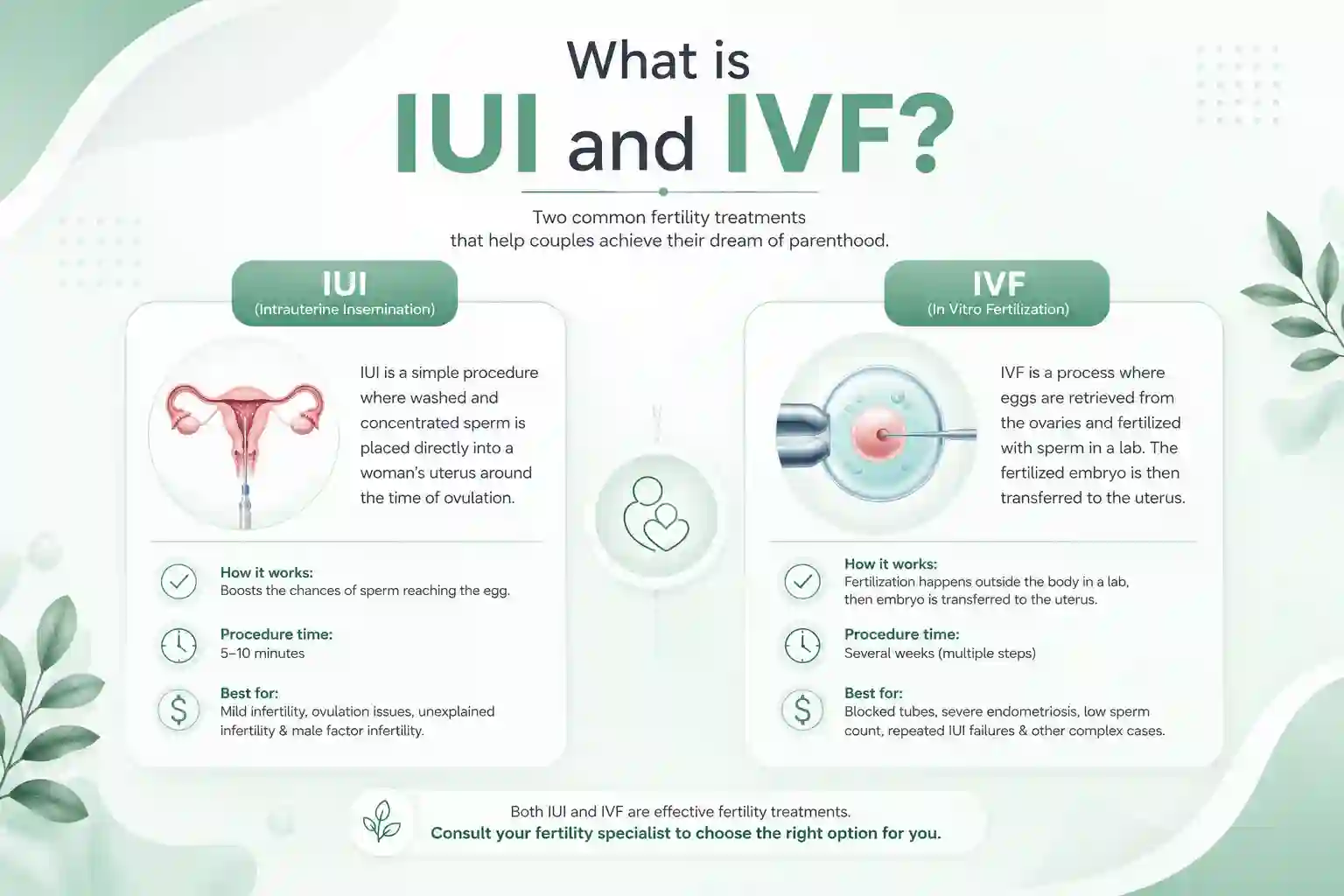
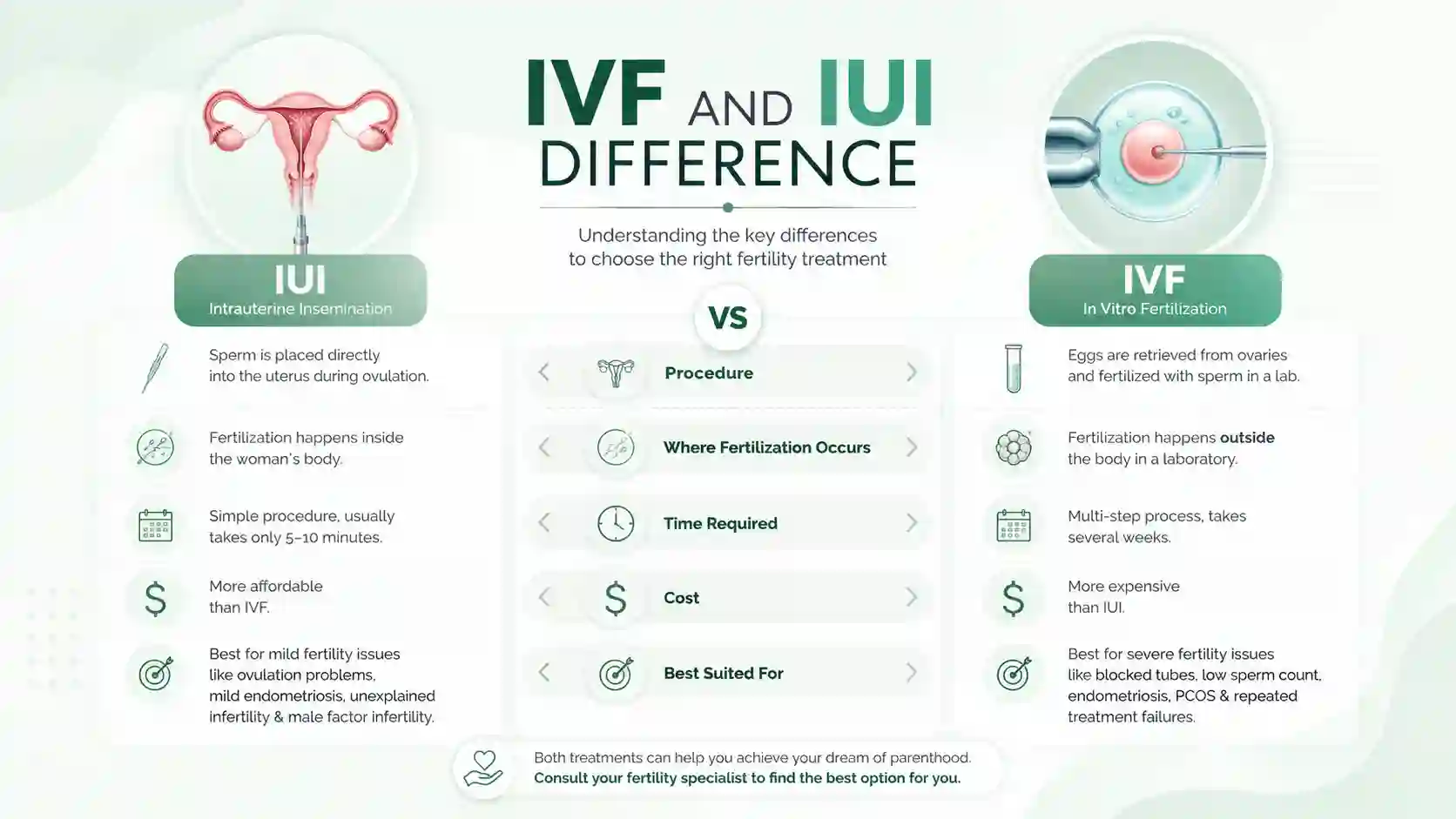
An IVF baby is a baby conceived through In Vitro Fertilization (IVF), a fertility treatment in which fertilization occurs outside the body in a laboratory.
In a natural pregnancy:
- An egg and sperm meet inside the fallopian tube.
- Fertilization occurs naturally.
- The embryo travels to the uterus and implants.
In IVF:
- Eggs are collected from the ovaries.
- Sperm is collected and prepared.
- Fertilization happens in a laboratory.
- An embryo is created and transferred into the uterus.
- If implantation occurs, pregnancy develops normally.
Once implantation takes place, the baby’s growth and development occur in the uterus just like any other pregnancy.
Why Is an IVF Baby Important?
IVF has transformed reproductive medicine by providing an option for people who cannot conceive naturally.
IVF babies have helped make parenthood possible for individuals and couples facing:
- Blocked fallopian tubes
- Male infertility
- Endometriosis
- Ovulation disorders
- Unexplained infertility
- Advanced maternal age
IVF also supports family-building for:
- Same-sex couples
- Single parents by choice
- Individuals preserving fertility before medical treatment
How Does an IVF Baby Happen?
The IVF process involves several carefully monitored steps.
Step 1: Ovarian Stimulation
Fertility medications stimulate the ovaries to produce multiple eggs.
Step 2: Egg Retrieval
Doctors collect mature eggs from the ovaries.
Step 3: Sperm Collection
A sperm sample is obtained and prepared in the laboratory.
Step 4: Fertilization
The egg and sperm are combined in a laboratory.
In some cases, a single sperm is injected directly into the egg using ICSI.
Step 5: Embryo Development
The embryo develops for several days under laboratory observation.
Step 6: Embryo Transfer
The embryo is transferred into the uterus.
Step 7: Pregnancy
If implantation occurs successfully, pregnancy progresses normally.
The resulting child is commonly called an IVF baby.
Are IVF Babies Healthy?
One of the most common concerns among prospective parents is whether IVF babies are healthy.
Research and decades of clinical experience have shown that most IVF-conceived children:
- Grow normally
- Develop normally
- Attend school normally
- Live healthy lives
Once pregnancy is established, the baby’s development generally follows the same biological processes as naturally conceived pregnancies.
Benefits of IVF Babies
IVF offers several important benefits for families.
Helps Overcome Infertility
IVF can make pregnancy possible when other methods are unsuccessful.
Provides Family-Building Opportunities
IVF supports diverse paths to parenthood.
Enables Fertility Preservation
Frozen eggs and embryos can be used later to achieve pregnancy.
Allows Advanced Reproductive Technologies
IVF may include:
- ICSI
- Embryo freezing
- Genetic testing
- Donor egg or sperm programs
Risks, Side Effects, or Limitations
Although IVF has helped millions of families, there are some considerations.
Multiple Pregnancy Risk
Transferring more than one embryo may increase the chance of twins or higher-order multiples.
IVF Does Not Guarantee Pregnancy
Not every IVF cycle results in a successful pregnancy.
Emotional and Financial Stress
The IVF journey can be physically, emotionally, and financially demanding.
Pregnancy Risks
Some IVF pregnancies may require closer monitoring depending on maternal health and fertility history.
Cost, Timeline, or Success Rate
Typical IVF Timeline
| IVF Stage | Approximate Duration |
| Fertility evaluation | 1–2 weeks |
| Ovarian stimulation | 8–14 days |
| Egg retrieval | 1 day |
| Embryo development | 3–5 days |
| Pregnancy testing | 9–14 days after transfer |
A complete IVF cycle generally takes about 4–6 weeks.
Success Rates
Success depends on factors such as:
- Female age
- Egg quality
- Embryo quality
- Sperm quality
- Uterine health
Younger patients generally have higher success rates.
Factors Affecting IVF Baby Outcomes
Several factors influence IVF pregnancy outcomes.
Maternal Age
Age affects egg quality and embryo development.
Embryo Quality
Healthy embryos are more likely to implant successfully.
Uterine Health
A healthy uterine environment supports pregnancy.
Lifestyle Factors
Factors that may affect fertility include:
- Smoking
- Obesity
- Excessive alcohol consumption
- Chronic stress
Underlying Medical Conditions
Certain reproductive and medical conditions may influence outcomes.
Emotional & Patient Perspective
The journey to having an IVF baby often involves a wide range of emotions.
Patients may experience:
- Hope
- Excitement
- Anxiety
- Uncertainty
- Joy
Many families view IVF as more than a medical procedure—it represents an opportunity to build the family they have dreamed of.
Support from fertility specialists, counselors, family, and support groups can help throughout the process.
Common Myths About IVF Babies
Myth 1: IVF Babies Are Different
Once pregnancy is established, IVF babies develop in the same way as naturally conceived babies.
Myth 2: IVF Babies Are Always Born Early
Many IVF pregnancies reach full term and result in healthy deliveries.
Myth 3: IVF Guarantees Pregnancy
IVF improves the chances of conception but cannot guarantee success.
Myth 4: IVF Babies Cannot Have Children
Most IVF-conceived individuals have normal reproductive potential.
When to See a Fertility Specialist
Consider consulting a fertility specialist if:
- You have been trying to conceive for over one year
- You are over age 35 and have been trying for six months
- You have irregular periods
- You have recurrent miscarriages
- Male infertility concerns exist
- You have known reproductive health conditions
Early evaluation may help identify appropriate fertility treatment options.
An IVF baby is a child conceived through In Vitro Fertilization, a fertility treatment that has helped millions of families worldwide. While fertilization occurs in a laboratory, pregnancy and fetal development proceed naturally within the uterus after embryo implantation.
Most IVF babies grow and develop normally, and IVF continues to be one of the most effective treatments for infertility. Understanding how IVF works can help patients feel more informed, confident, and hopeful as they explore their family-building options.
FAQs About IVF Baby
What is an IVF baby?
An IVF baby is a child conceived through In Vitro Fertilization (IVF), where fertilization occurs in a laboratory before embryo transfer.
Are IVF babies healthy?
Most IVF babies are healthy and develop normally throughout childhood and adulthood.
Is an IVF baby different from a naturally conceived baby?
Once implantation occurs, development generally follows the same biological processes as any other pregnancy.
Who was the first IVF baby?
The world’s first IVF baby was Louise Brown, born in 1978.
Can IVF babies have children in the future?
Most IVF-conceived individuals have normal fertility and reproductive potential.