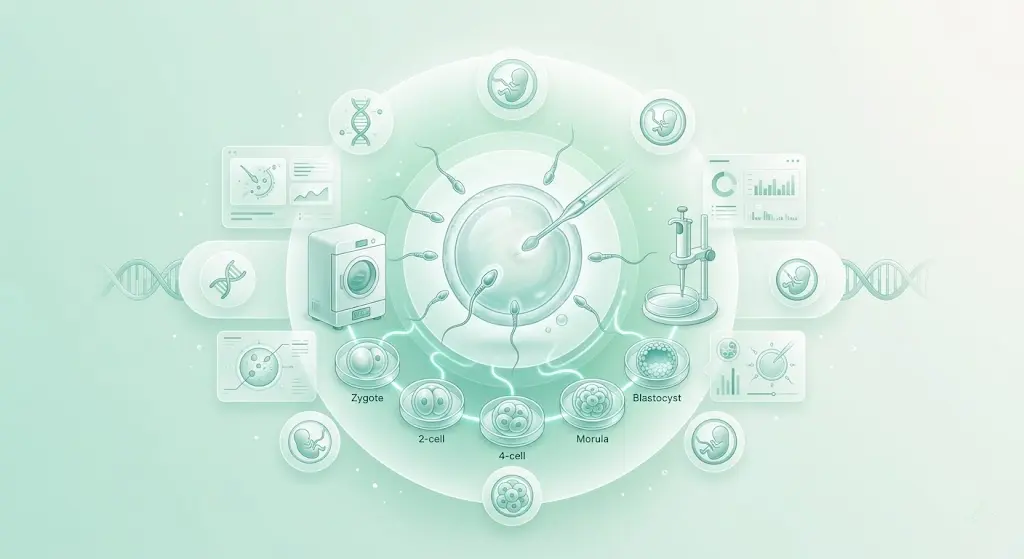
If you are exploring fertility treatment options, one of the first questions you may ask is: What is IVF? IVF, or In Vitro Fertilization, is one of the most effective fertility treatments available today and has helped millions of people worldwide achieve pregnancy.
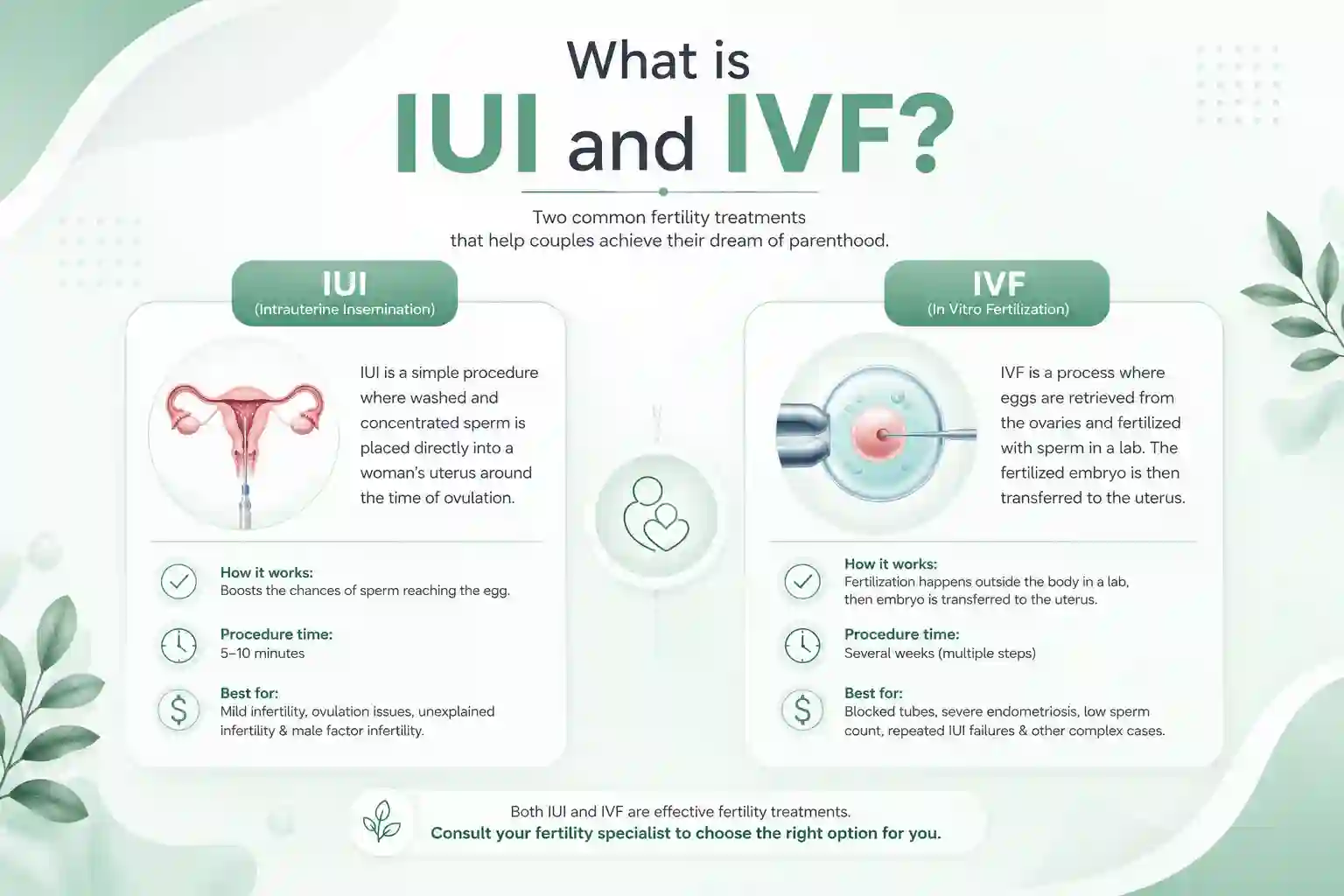
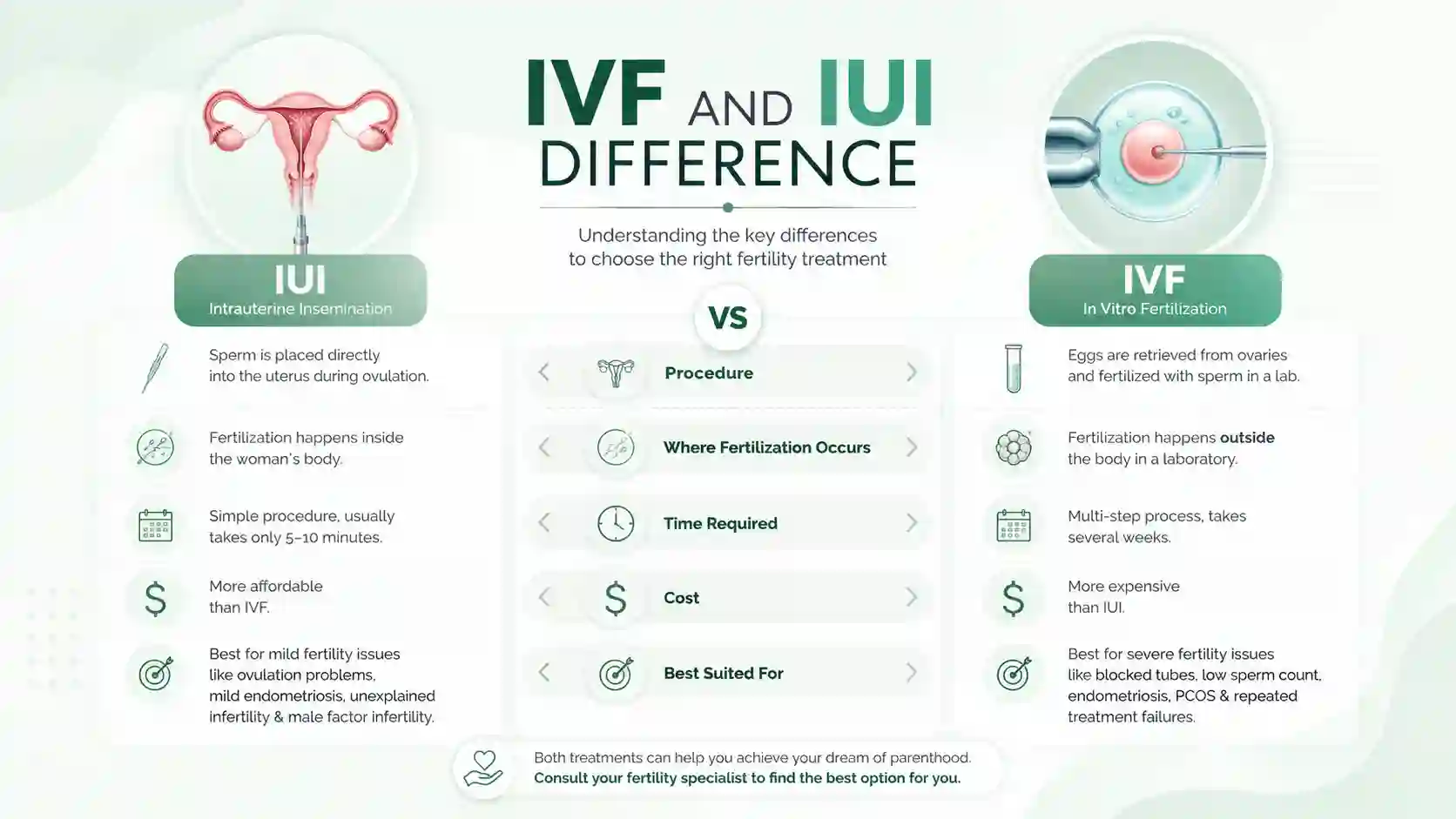
IVF involves fertilizing an egg with sperm outside the body in a specialized laboratory. The resulting embryo is then transferred into the uterus in the hope of achieving a successful pregnancy.
Understanding how IVF works can help patients make informed decisions and feel more prepared for the fertility journey ahead.
What Is IVF?
IVF stands for In Vitro Fertilization.
The term “in vitro” means “in glass,” referring to the laboratory environment where fertilization occurs.
In a natural pregnancy:
- An egg is released from the ovary.
- Fertilization occurs inside the fallopian tube.
- The embryo travels to the uterus and implants.
In IVF:
- Eggs are collected from the ovaries.
- Sperm is collected and prepared.
- Fertilization happens in a laboratory.
- Embryos develop for several days.
- A selected embryo is transferred into the uterus.
If implantation occurs successfully, pregnancy begins.
Why Is IVF Important?
IVF has transformed fertility treatment by helping people overcome a wide range of reproductive challenges.
IVF may help individuals and couples experiencing:
- Blocked fallopian tubes
- Male infertility
- Endometriosis
- Ovulation disorders
- Unexplained infertility
- Recurrent pregnancy loss
- Advanced maternal age
It also provides family-building options for:
- Same-sex couples
- Single parents by choice
- Individuals preserving fertility before medical treatment
How Does IVF Work?
The IVF process involves several carefully monitored steps.
Step 1: Fertility Evaluation
Before treatment begins, fertility specialists perform tests such as:
Female Fertility Tests
- Hormone blood tests
- Ultrasound scans
- Ovarian reserve assessment
- Uterine evaluation
Male Fertility Tests
- Semen analysis
- Hormonal testing if needed
These evaluations help create an individualized treatment plan.
Step 2: Ovarian Stimulation
The patient takes fertility medications to stimulate the ovaries.
Unlike a natural cycle that typically produces one egg, IVF aims to develop multiple eggs.
This phase usually lasts:
8–14 days
Doctors monitor progress using:
- Ultrasounds
- Blood hormone tests
Step 3: Trigger Shot
When the follicles reach the appropriate size, a trigger injection is administered.
The trigger shot:
- Helps eggs mature
- Prepares for retrieval
Egg retrieval usually occurs about 34–36 hours later.
Step 4: Egg Retrieval
Egg retrieval is a minor outpatient procedure.
Using ultrasound guidance:
- A thin needle collects eggs from the ovaries.
- Sedation is usually provided.
The procedure generally takes about:
20–30 minutes
Step 5: Sperm Collection
A sperm sample is collected and prepared in the laboratory.
The healthiest sperm are selected for fertilization.
Step 6: Fertilization
The eggs and sperm are combined in the laboratory.
Conventional IVF
Eggs and sperm are placed together to allow fertilization naturally.
ICSI
For male infertility cases, a single sperm may be injected directly into an egg.
This procedure is called Intracytoplasmic Sperm Injection (ICSI).
Step 7: Embryo Development
After fertilization, embryos are monitored closely.
Embryologists assess:
- Cell division
- Growth patterns
- Embryo quality
Embryos typically develop for:
3–5 days
before transfer or freezing.
Step 8: Embryo Transfer
One or more embryos are transferred into the uterus.
The procedure:
- Uses a thin catheter
- Usually requires no anesthesia
- Takes only a few minutes
Step 9: Pregnancy Test
About:
9–14 days after embryo transfer
a blood test checks for pregnancy.
If positive, additional monitoring and ultrasounds follow.
Benefits of IVF
IVF offers several important advantages.
Helps Treat Multiple Causes of Infertility
IVF can assist patients with:
- Female infertility
- Male infertility
- Combined fertility factors
Higher Pregnancy Potential
For many infertility conditions, IVF provides higher pregnancy rates than other treatments.
Embryo Selection
Embryologists can monitor embryo development before transfer.
Fertility Preservation
Eggs and embryos can be frozen for future use.
Genetic Testing Options
In selected situations, embryos can be evaluated through genetic testing before transfer.
Risks, Side Effects, or Limitations
Although IVF is widely used, it does involve certain risks.
Medication Side Effects
Possible symptoms include:
- Bloating
- Fatigue
- Mood swings
- Breast tenderness
Ovarian Hyperstimulation Syndrome (OHSS)
Rarely, the ovaries may over-respond to stimulation medications.
Emotional Stress
The fertility journey can be emotionally demanding.
Financial Cost
IVF can be expensive depending on the location and treatment plan.
No Guaranteed Success
Even with healthy embryos, pregnancy cannot be guaranteed.
Cost, Timeline, or Success Rate
Typical IVF Timeline
| IVF Stage | Approximate Duration |
| Fertility testing | 1–2 weeks |
| Ovarian stimulation | 8–14 days |
| Egg retrieval | 1 day |
| Embryo development | 3–5 days |
| Pregnancy testing | 9–14 days after transfer |
A complete IVF cycle usually takes approximately:
4–6 weeks
Success Rates
Success depends on factors such as:
- Female age
- Egg quality
- Embryo quality
- Sperm health
- Uterine health
Younger patients generally experience higher success rates.
Factors Affecting IVF Results
Several factors influence treatment outcomes.
Age
Female age is one of the strongest predictors of success.
Embryo Quality
Healthy embryos improve implantation chances.
Uterine Health
A healthy uterine lining supports pregnancy.
Male Fertility
Sperm quality contributes to embryo development.
Lifestyle Factors
Factors that may negatively affect fertility include:
- Smoking
- Excessive alcohol consumption
- Obesity
- Poor sleep
- Chronic stress
Emotional & Patient Perspective
Starting IVF can bring a mix of emotions.
Patients often feel:
- Hopeful
- Excited
- Nervous
- Overwhelmed
The process requires patience and resilience, especially during waiting periods and treatment decisions.
Many patients find support through:
- Fertility counselors
- Support groups
- Family and friends
- Fertility care teams
Emotional well-being is an important part of the IVF journey.
Tips, Recommendations, or Preparation Guide
If you are considering IVF:
- Schedule a fertility evaluation early
- Follow medication instructions carefully
- Maintain a healthy lifestyle
- Attend all appointments
- Ask questions whenever needed
- Seek emotional support if necessary
Preparation and education can make the process less stressful.
When to See a Fertility Specialist
Consider consulting a fertility specialist if:
- You have been trying to conceive for over one year
- You are over age 35 and have been trying for six months
- You have irregular menstrual cycles
- You have recurrent miscarriages
- Male infertility concerns exist
- You have known reproductive conditions
Early evaluation may improve treatment planning and outcomes.
If you are wondering what is IVF, it is a fertility treatment that involves fertilizing eggs with sperm in a laboratory and transferring the resulting embryo into the uterus. IVF has become one of the most effective treatments for infertility and has helped millions of individuals and couples achieve pregnancy.
While IVF can be physically, emotionally, and financially demanding, it offers hope for many people facing reproductive challenges. Working with an experienced fertility specialist can help determine whether IVF is the right option for your unique fertility journey.
FAQs About What Is IVF
What does IVF stand for?
IVF stands for In Vitro Fertilization, a fertility treatment where fertilization occurs in a laboratory.
How does IVF work?
Eggs are retrieved from the ovaries, fertilized with sperm in a laboratory, and the resulting embryo is transferred into the uterus.
Who may need IVF?
IVF may help individuals with blocked fallopian tubes, male infertility, endometriosis, ovulation disorders, unexplained infertility, and other fertility challenges.
How long does an IVF cycle take?
A typical IVF cycle takes approximately 4–6 weeks from start to finish.
Are IVF injections required?
Most IVF treatment protocols include fertility injections to stimulate egg development.