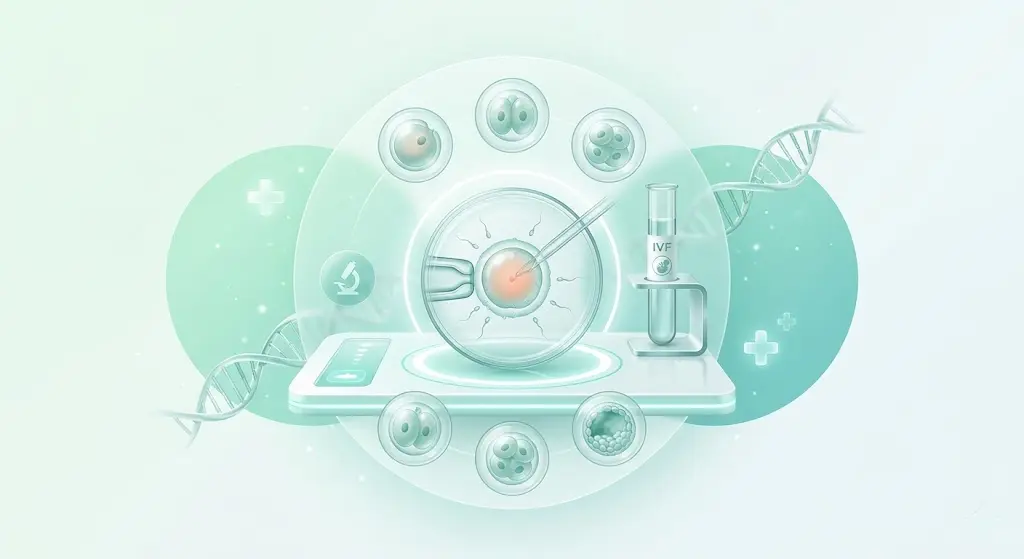
The term IVF test tube baby is one of the most widely recognized phrases in fertility treatment. Many people hear the term “test tube baby” and wonder what it means, how the process works, and whether it is different from IVF.
The simple answer is that a test tube baby is a baby conceived through In Vitro Fertilization (IVF). Although the phrase is still commonly used, it is not a medical term. Today, fertility specialists use the term IVF to describe the treatment.
Understanding IVF and the concept of a test tube baby can help patients separate myths from facts and make informed decisions about fertility care.
What Is an IVF Test Tube Baby?
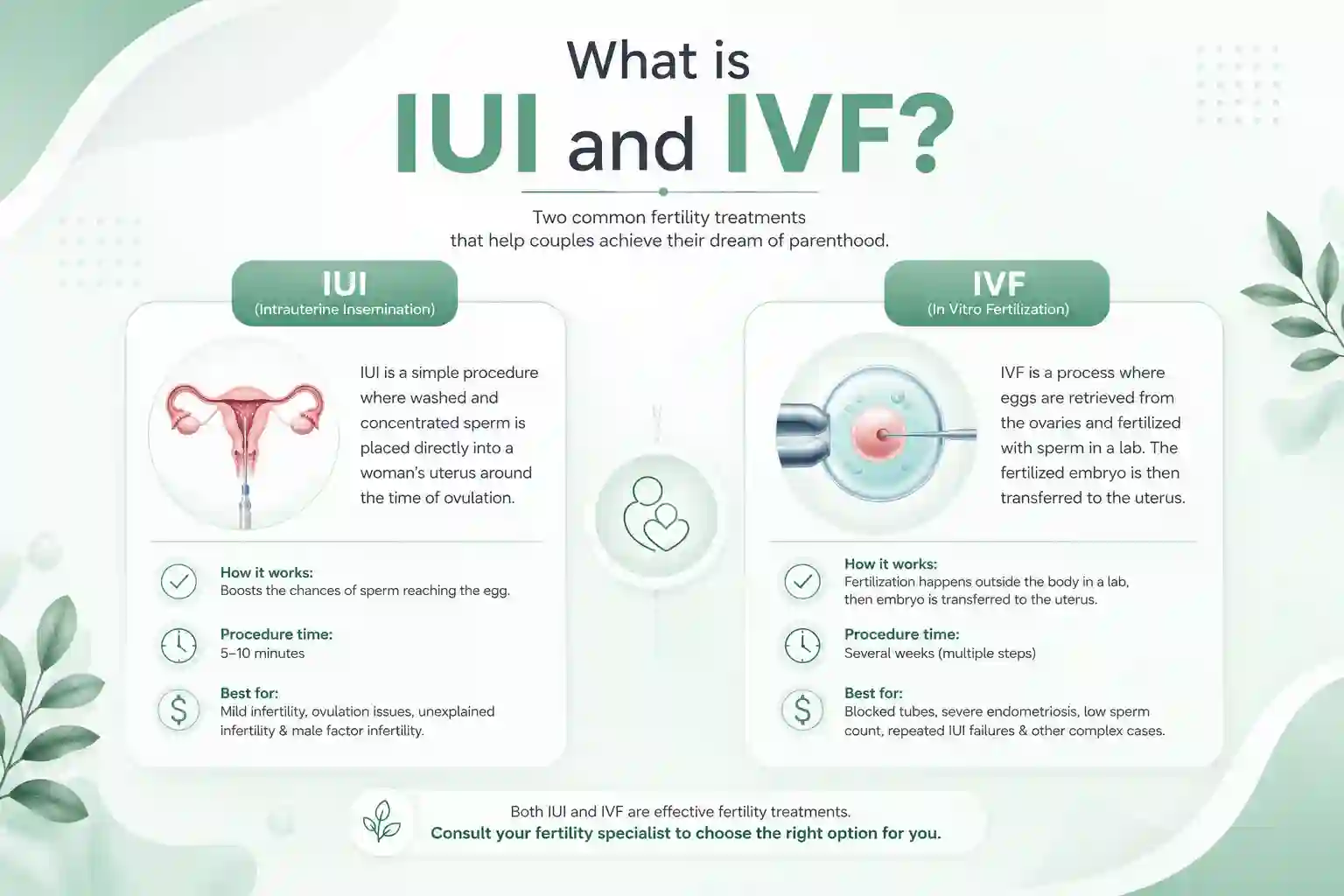
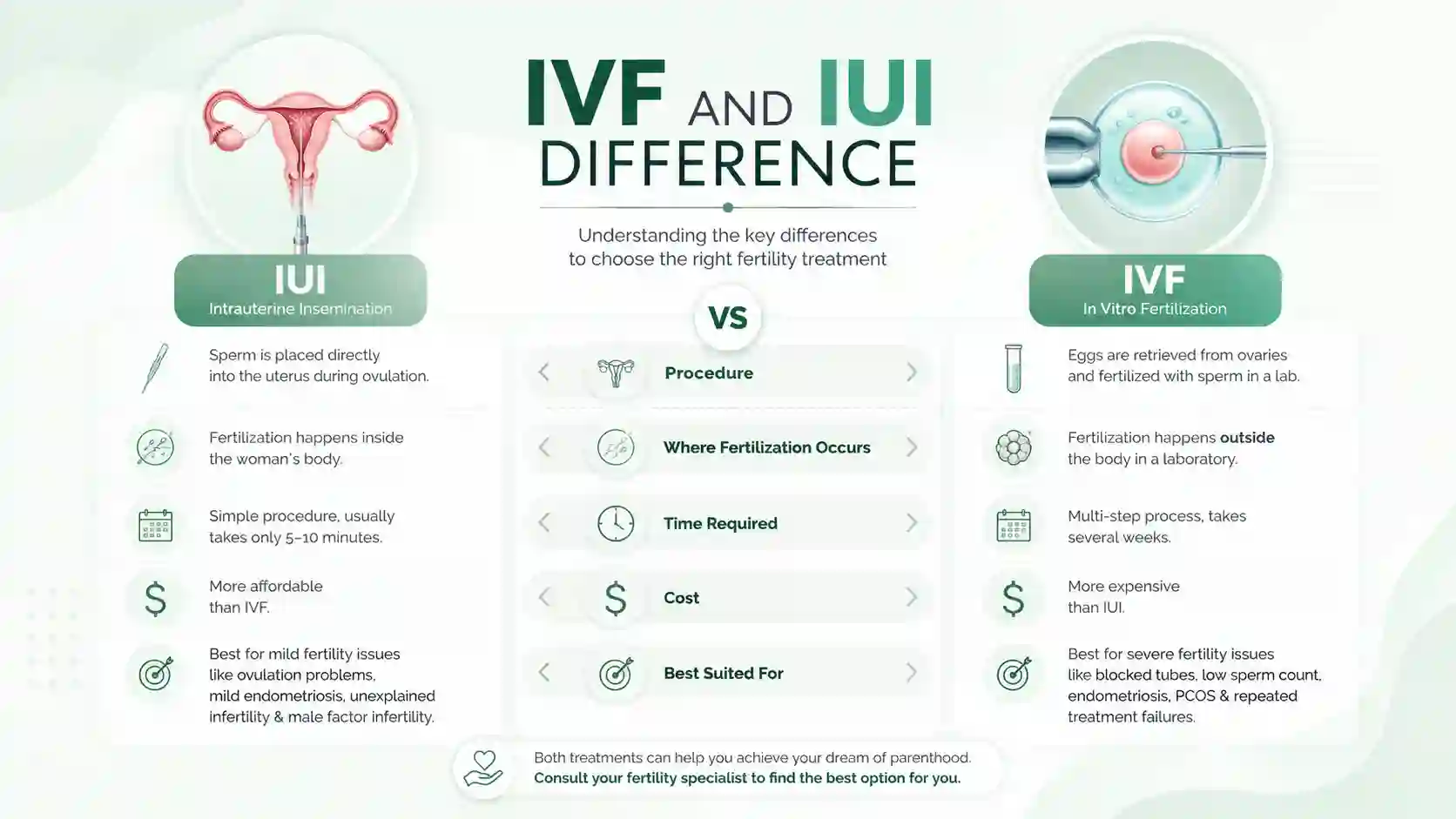
An IVF test tube baby is a baby conceived through In Vitro Fertilization (IVF).
In IVF:
- Eggs are collected from the ovaries.
- Sperm is collected from the male partner or donor.
- Fertilization occurs in a laboratory.
- The resulting embryo is transferred into the uterus.
- If implantation occurs, pregnancy develops normally.
The term “test tube baby” became popular because fertilization happens outside the body. However, embryos are not actually grown in test tubes. Modern IVF laboratories use specialized culture dishes and incubators.
Why Is IVF Test Tube Baby Treatment Important?
IVF has helped millions of people worldwide overcome infertility.
It may help individuals and couples experiencing:
- Blocked fallopian tubes
- Male infertility
- Endometriosis
- Ovulation disorders
- Unexplained infertility
- Advanced maternal age
- Recurrent pregnancy loss
It also provides family-building opportunities for:
- Same-sex couples
- Single parents by choice
- Individuals using donor eggs or donor sperm
How Does IVF Test Tube Baby Treatment Work?
The IVF process follows several carefully monitored stages.
Step 1: Fertility Evaluation
Before treatment begins, fertility specialists perform tests such as:
Female Fertility Testing
- Hormone blood tests
- Ultrasound scans
- Ovarian reserve testing
- Uterine evaluation
Male Fertility Testing
- Semen analysis
- Hormonal evaluation if needed
Step 2: Ovarian Stimulation
Fertility medications stimulate the ovaries to produce multiple mature eggs.
This phase usually lasts:
8–14 days
Doctors monitor progress using:
- Ultrasound scans
- Blood hormone tests
Step 3: Egg Retrieval
Once the eggs mature, they are collected through a minor outpatient procedure.
The procedure typically takes:
20–30 minutes
and is usually performed under sedation.
Step 4: Sperm Collection
A sperm sample is collected and prepared in the laboratory.
The healthiest sperm are selected for fertilization.
Step 5: Fertilization
The eggs and sperm are combined in the laboratory.
Conventional IVF
Eggs and sperm are placed together to allow fertilization naturally.
ICSI
In some cases, a single sperm is injected directly into an egg.
This procedure is called Intracytoplasmic Sperm Injection (ICSI).
Step 6: Embryo Development
After fertilization, embryos are monitored carefully.
Embryologists assess:
- Cell division
- Growth patterns
- Embryo quality
Embryos typically develop for:
3–5 days
before transfer.
Step 7: Embryo Transfer
A selected embryo is transferred into the uterus using a thin catheter.
The procedure usually takes only a few minutes.
Step 8: Pregnancy Test
Approximately:
9–14 days after embryo transfer
a blood test determines whether pregnancy has occurred.
Benefits of IVF Test Tube Baby Treatment
IVF offers several important advantages.
Helps Overcome Multiple Causes of Infertility
IVF may help patients with:
- Female infertility
- Male infertility
- Combined fertility issues
Higher Pregnancy Potential
For many infertility conditions, IVF offers higher pregnancy rates than other fertility treatments.
Embryo Selection
Doctors can monitor embryo development before transfer.
Fertility Preservation
Eggs and embryos can be frozen for future use.
Genetic Testing Options
When medically appropriate, embryos can undergo genetic testing before transfer.
Are Test Tube Babies Healthy?
One of the most common questions is whether IVF babies are healthy.
Research and decades of clinical experience show that most IVF-conceived children:
- Grow normally
- Develop normally
- Attend school normally
- Live healthy lives
Once implantation occurs, fetal development proceeds in the same way as naturally conceived pregnancies.
Risks, Side Effects, or Limitations
Although IVF has helped millions of families, it has limitations.
Medication Side Effects
Patients may experience:
- Bloating
- Fatigue
- Mood swings
- Breast tenderness
Ovarian Hyperstimulation Syndrome (OHSS)
Rarely, fertility medications may overstimulate the ovaries.
Emotional Stress
Fertility treatment can be emotionally demanding.
No Guaranteed Pregnancy
Even healthy embryos may not implant successfully.
Cost, Timeline, or Success Rate
Typical IVF Timeline
| IVF Stage | Approximate Duration |
| Fertility testing | 1–2 weeks |
| Ovarian stimulation | 8–14 days |
| Egg retrieval | 1 day |
| Embryo development | 3–5 days |
| Pregnancy testing | 9–14 days after transfer |
A complete IVF cycle generally takes around:
4–6 weeks
Success Rates
Success depends on factors such as:
- Female age
- Egg quality
- Embryo quality
- Sperm quality
- Uterine health
Younger patients generally experience higher success rates.
Factors Affecting IVF Success
Several factors influence the chances of having an IVF baby.
Age
Female age significantly affects fertility outcomes.
Embryo Quality
Healthy embryos are more likely to implant successfully.
Uterine Health
The uterine environment plays a key role in implantation.
Lifestyle Factors
Factors that may affect fertility include:
- Smoking
- Obesity
- Excessive alcohol use
- Poor sleep
- Chronic stress
Emotional & Patient Perspective
The journey toward having an IVF baby can bring a range of emotions.
Patients often experience:
- Hope
- Excitement
- Anxiety
- Uncertainty
Many families find that education, support groups, counseling, and open communication with fertility specialists help them navigate the process more confidently.
Common Myths About IVF Test Tube Babies
Myth: IVF Babies Are Different
Once pregnancy is established, IVF babies develop in the same way as naturally conceived babies.
Myth: Embryos Grow in Test Tubes
Modern IVF uses specialized laboratory dishes and incubators—not actual test tubes.
Myth: IVF Guarantees Pregnancy
IVF improves the chances of conception but does not guarantee success.
Myth: IVF Babies Are Less Healthy
Most IVF-conceived children are healthy and develop normally.
When to See a Fertility Specialist
Consider consulting a fertility specialist if:
- You have been trying to conceive for over one year
- You are over age 35 and have been trying for six months
- You have irregular menstrual cycles
- You have recurrent miscarriages
- Male infertility concerns exist
- You have known reproductive health conditions
Early evaluation may help identify the most appropriate treatment options.
An IVF test tube baby is simply a baby conceived through In Vitro Fertilization, one of the most successful fertility treatments available today. Although the term “test tube baby” remains popular, modern IVF involves sophisticated laboratory techniques that help eggs and sperm fertilize outside the body before embryo transfer.
Since the birth of the world’s first IVF baby, millions of families have benefited from this groundbreaking technology. Understanding how IVF works can help patients feel informed, confident, and better prepared for their fertility journey.
FAQs About IVF Test Tube Baby
What is a test tube baby?
A test tube baby is a baby conceived through IVF, where fertilization occurs in a laboratory before embryo transfer.
Is a test tube baby different from an IVF baby?
No. The terms refer to the same concept.
Are IVF test tube babies healthy?
Most IVF-conceived children are healthy and develop normally.
Why is it called a test tube baby?
The term originated because fertilization occurs outside the body, although embryos are not actually grown in test tubes.
Can IVF help male infertility?
Yes. IVF and ICSI can help many men with fertility challenges.