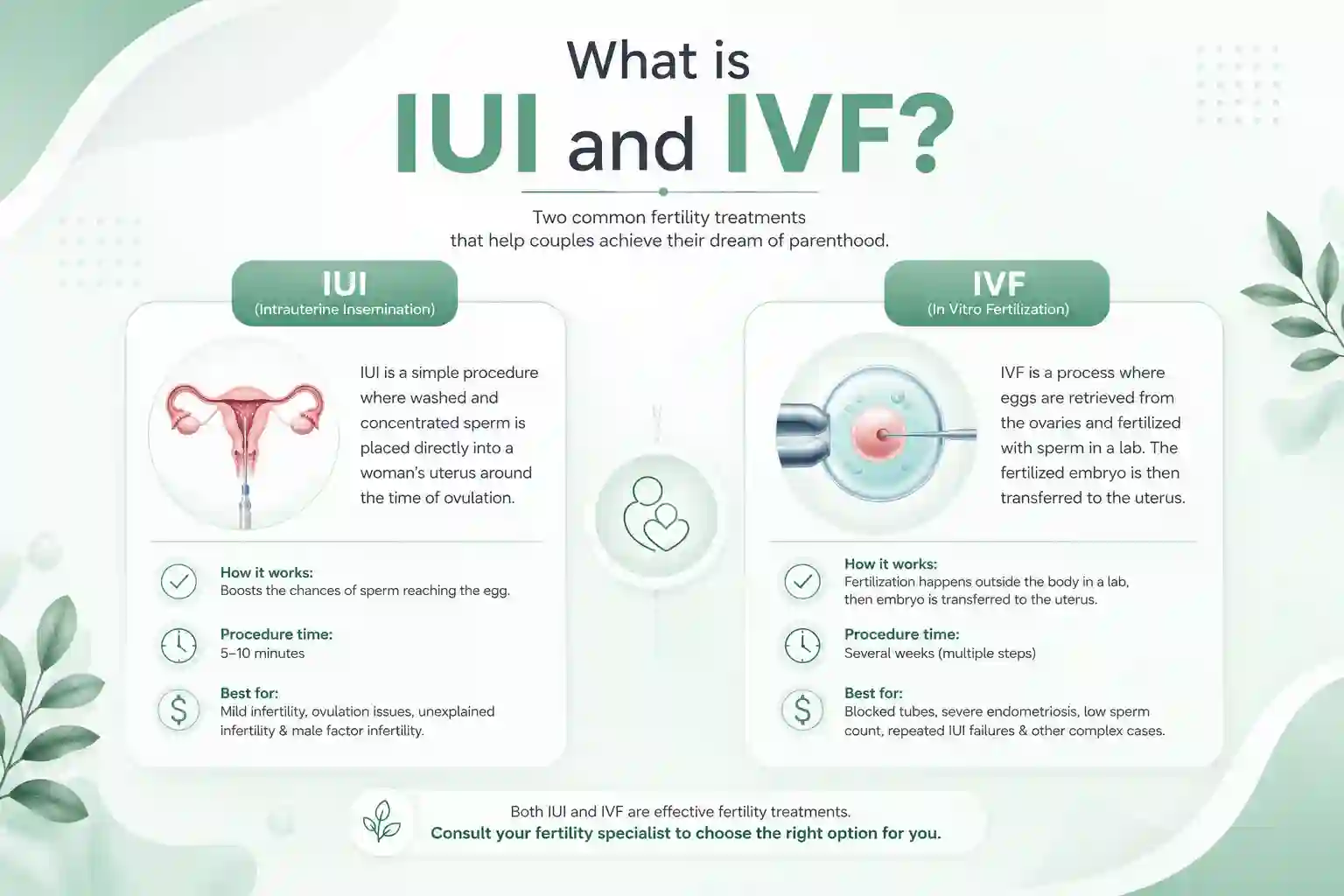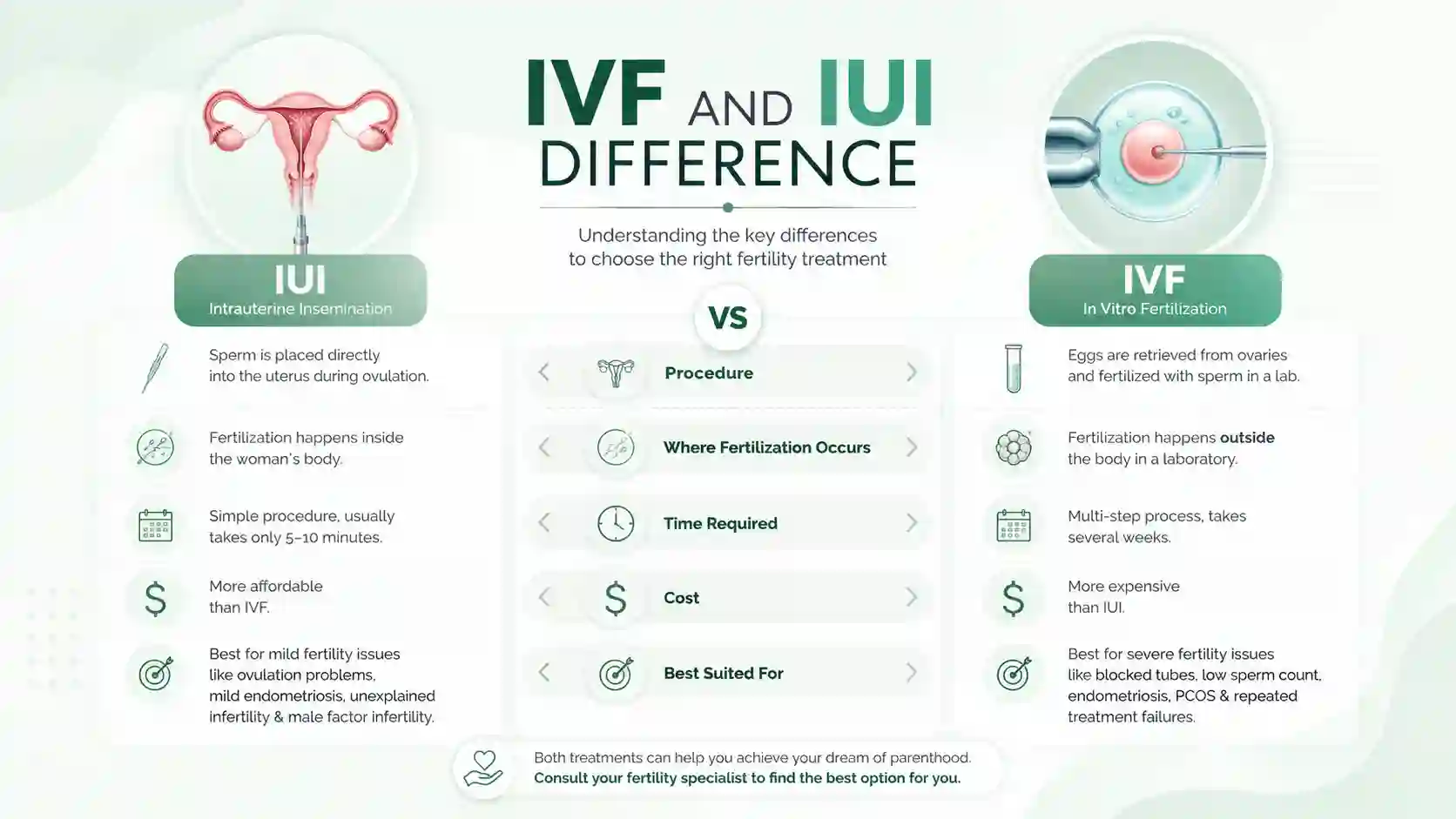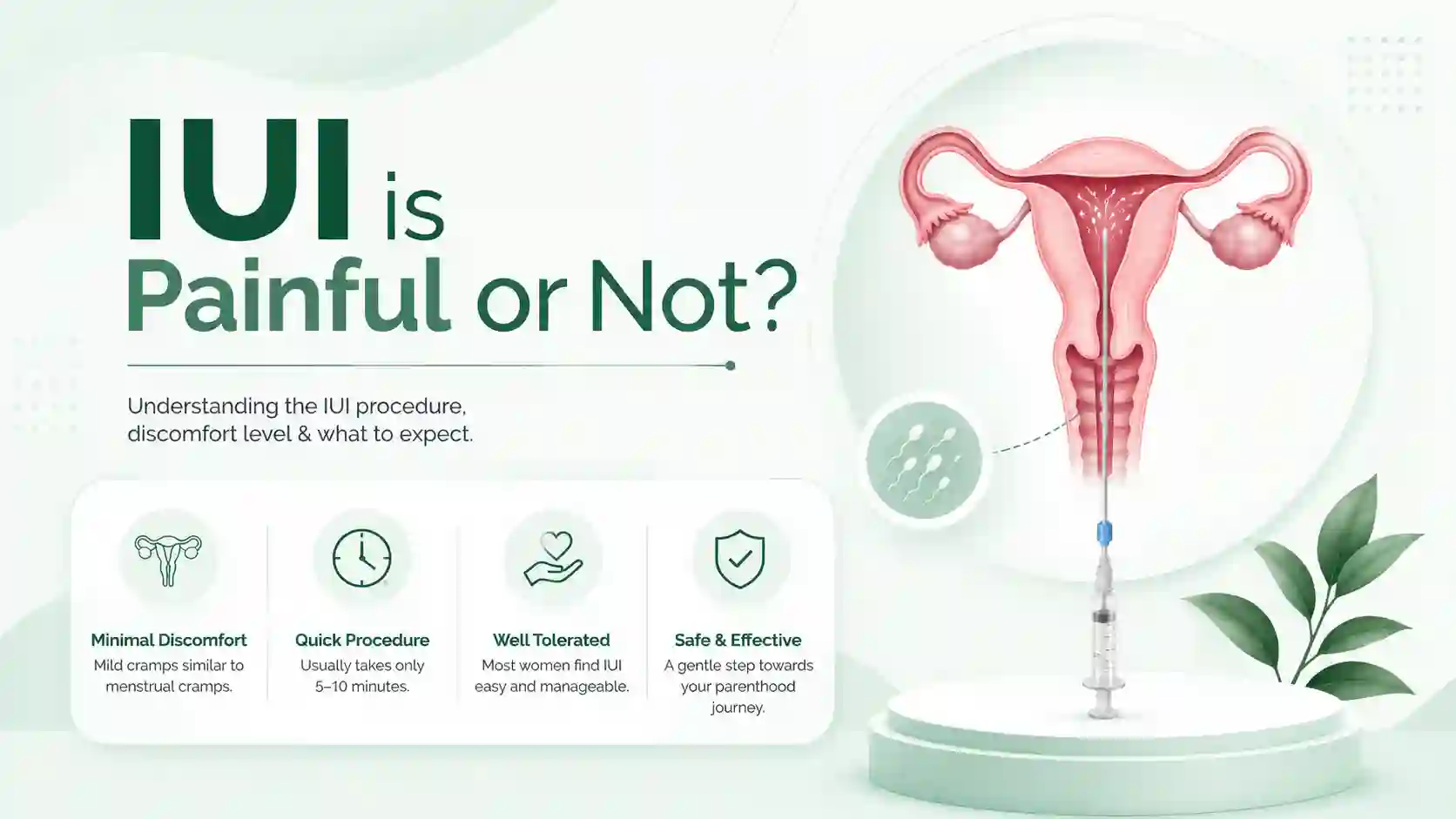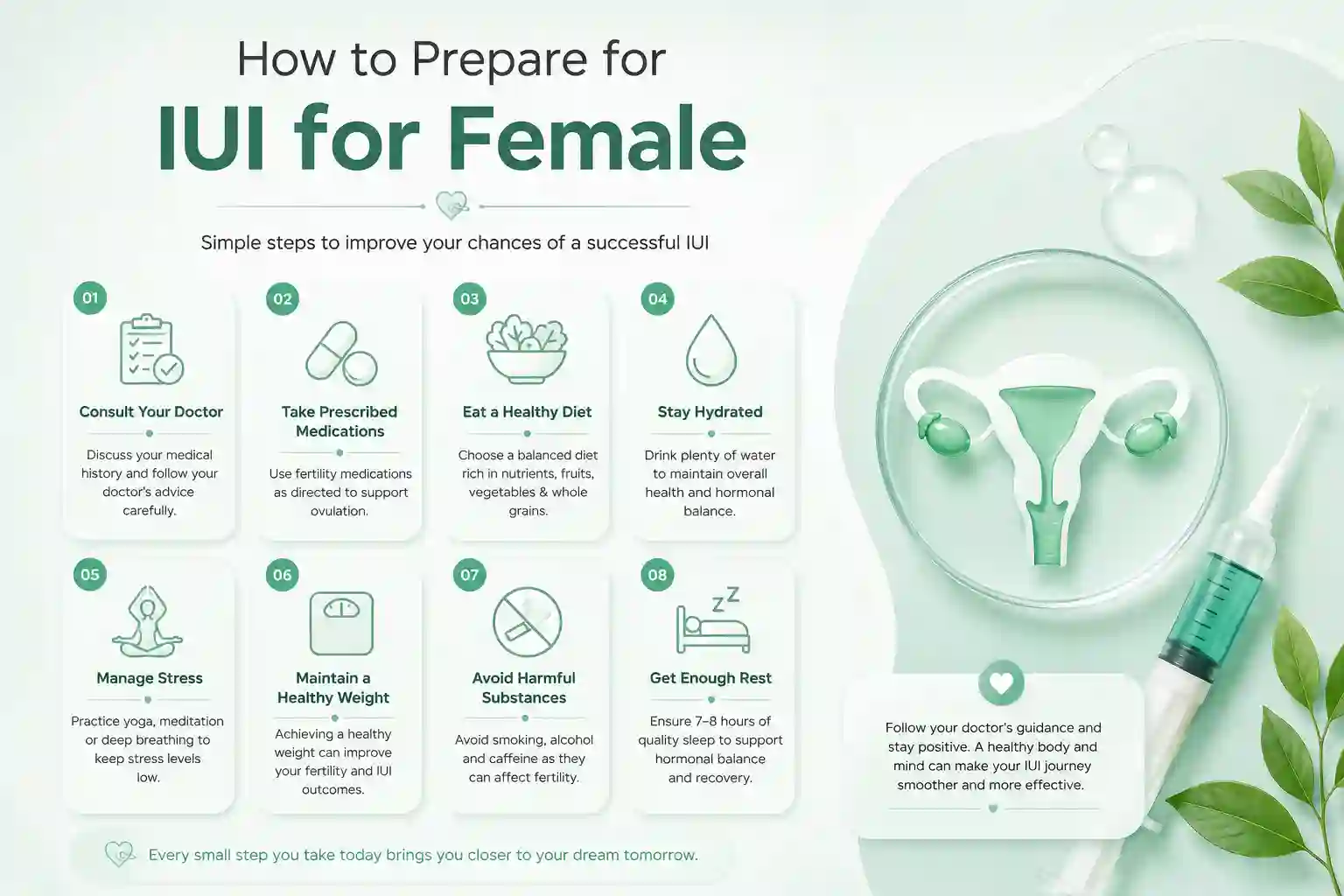
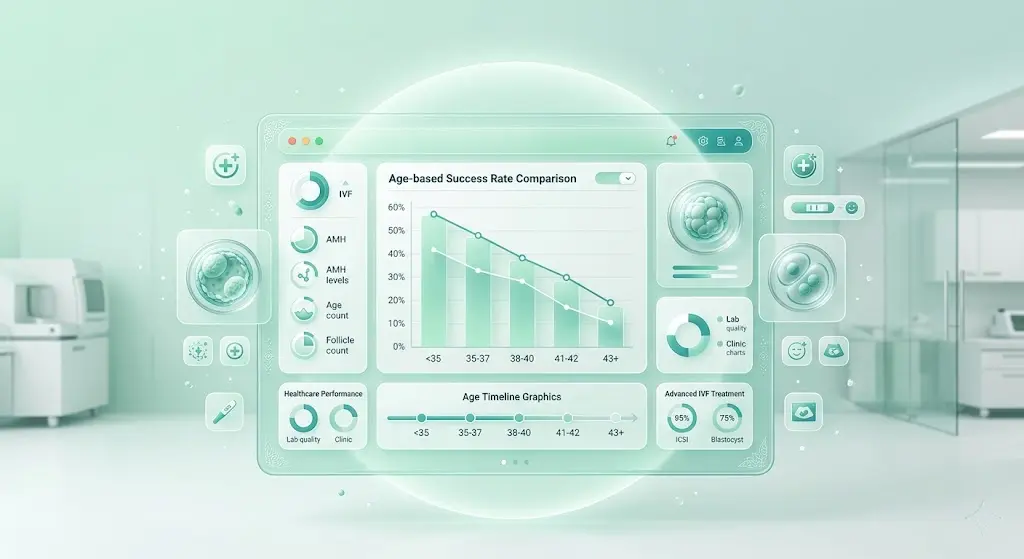
One of the most important factors affecting fertility treatment outcomes is age. Many couples researching fertility options want to understand the IVF success rate in India by age before starting treatment.
While IVF has helped millions of people achieve pregnancy, success rates are not the same for everyone. Female age significantly influences egg quality, embryo development, implantation, and live birth rates. Understanding how age affects IVF outcomes can help patients set realistic expectations and make informed treatment decisions.
What Is IVF Success Rate in India by Age?
The IVF success rate in India by age refers to the likelihood of achieving pregnancy or live birth through IVF treatment within different age groups.
Success rates are typically measured as:
- Clinical pregnancy rate
- Ongoing pregnancy rate
- Live birth rate
Among these, the live birth rate is generally considered the most meaningful indicator of IVF success.
Why Is Age Important in IVF Success?
Age plays a major role because it affects:
- Egg quantity
- Egg quality
- Chromosomal health of embryos
- Implantation potential
- Miscarriage risk
As women age, especially after 35, fertility naturally declines. This decline becomes more noticeable after age 38 and accelerates after age 40.
IVF Success Rate in India by Age
While success rates vary among fertility clinics and individual patients, the following ranges are commonly reported for IVF using a woman’s own eggs.
| Age Group | Approximate IVF Success Rate Per Cycle |
| Under 35 years | 50%–60%+ |
| 35–37 years | 40%–50% |
| 38–40 years | 25%–40% |
| 41–42 years | 15%–25% |
| Above 42 years | Below 10%–15% |
These figures are approximate and can vary depending on:
- Clinic expertise
- Embryo quality
- Fertility diagnosis
- Treatment protocol
Individual results may differ significantly.
How Does IVF Work Across Different Ages?
Women Under 35
This group generally experiences the highest success rates because:
- Egg quality is usually better
- Chromosomal abnormalities are less common
- Implantation rates are higher
Many patients in this age group achieve success within fewer treatment cycles.
Women Aged 35–37
Fertility begins to decline gradually, but success rates often remain favorable.
Many women still produce healthy embryos and achieve successful pregnancies through IVF.
Women Aged 38–40
Egg quality and ovarian reserve often decrease more noticeably.
Success rates remain possible, but some patients may require:
- Additional IVF cycles
- Higher medication doses
- More advanced fertility strategies
Women Over 40
The chances of chromosomal abnormalities and miscarriage increase.
Some fertility specialists may discuss:
- Genetic testing (PGT)
- Donor egg IVF
- Alternative treatment approaches
depending on individual circumstances.
Benefits of Understanding IVF Success Rate in India by Age
Knowing age-related success rates helps patients:
Set Realistic Expectations
Understanding probable outcomes reduces uncertainty.
Plan Fertility Treatment Earlier
Early evaluation may improve treatment opportunities.
Make Informed Financial Decisions
Patients can better understand the possibility of needing multiple IVF cycles.
Discuss Personalized Options
Age-specific treatment planning may improve outcomes.
Risks, Side Effects, or Limitations
Age-related success rates are useful but have limitations.
Success Rates Are Averages
They do not predict individual outcomes.
Other Factors Matter
Success also depends on:
- Embryo quality
- Sperm quality
- Uterine health
- Overall health
IVF Cannot Completely Overcome Age
Advanced fertility treatment can improve chances, but it cannot fully reverse natural age-related fertility decline.
Cost, Timeline, or Success Rate
Typical IVF Timeline
| IVF Stage | Approximate Duration |
| Fertility evaluation | 1–2 weeks |
| Ovarian stimulation | 8–14 days |
| Egg retrieval | 1 day |
| Embryo development | 3–5 days |
| Pregnancy testing | 10–14 days after transfer |
A complete IVF cycle generally takes around 4–6 weeks.
Does Age Affect Cost?
Older patients may sometimes require:
- More medications
- Additional monitoring
- Multiple treatment cycles
This can increase overall treatment expenses.
Factors Affecting IVF Success Beyond Age
Although age is extremely important, other factors also influence IVF outcomes.
Embryo Quality
Healthy embryos are more likely to implant successfully.
Ovarian Reserve
The number of remaining eggs affects response to treatment.
Uterine Health
Conditions such as fibroids or polyps may affect implantation.
Male Fertility
Sperm quality contributes significantly to embryo development.
Lifestyle Factors
The following may negatively affect fertility:
- Smoking
- Obesity
- Excessive alcohol consumption
- Poor sleep
- Chronic stress
Emotional & Patient Perspective
Learning about age-related fertility decline can feel overwhelming.
Patients often experience:
- Anxiety about timing
- Fear of treatment failure
- Pressure regarding family planning
- Financial concerns
It is important to remember that IVF success rates describe groups of patients, not individual outcomes.
Many people achieve successful pregnancies even when statistics appear discouraging.
Support from fertility specialists, counselors, and loved ones can help during the decision-making process.
Tips, Recommendations, or Preparation Guide
If you are considering IVF:
- Seek fertility evaluation early
- Discuss age-related expectations honestly
- Maintain a healthy lifestyle
- Follow medical recommendations
- Consider fertility preservation if appropriate
- Ask about embryo quality and treatment options
Early planning often provides the greatest flexibility.
When to See a Fertility Specialist
You should consider seeing a fertility specialist if:
- You are under 35 and have been trying to conceive for over one year
- You are over 35 and have been trying for six months
- You have irregular menstrual cycles
- You have experienced recurrent miscarriages
- Male infertility concerns exist
- You have known reproductive conditions
Early assessment may improve treatment planning and outcomes.
Understanding the IVF success rate in India by age can help patients make informed decisions about fertility treatment. In general, success rates are highest for women under 35 and gradually decline with age due to changes in egg quality and ovarian reserve.
However, age is only one part of the fertility picture. Factors such as embryo quality, uterine health, sperm quality, and overall reproductive health also play important roles. Consulting an experienced fertility specialist can help provide a personalized assessment and guide you toward the most appropriate treatment strategy.
FAQs About IVF Success Rate in India by Age
What is the IVF success rate in India for women under 35?
Women under 35 often have success rates of approximately 50%–60% or higher per cycle, depending on individual factors.
Does IVF success decrease after age 35?
Yes. Fertility and IVF success rates generally begin to decline gradually after age 35.
Can women over 40 have successful IVF pregnancies?
Yes. Successful pregnancies are possible after 40, although success rates are generally lower compared with younger age groups.
Is age the only factor affecting IVF success?
No. Embryo quality, sperm quality, uterine health, ovarian reserve, and lifestyle factors also affect outcomes.
Can genetic testing improve IVF outcomes?
In some situations, Preimplantation Genetic Testing (PGT) may help identify chromosomally normal embryos.