
The birth of the IVF first baby marked one of the most important milestones in modern medicine. Before IVF (In Vitro Fertilization), many couples facing infertility had very limited options for having biological children. The successful birth of the first IVF baby proved that assisted reproductive technology could help people achieve pregnancy when natural conception was difficult or impossible.
Today, millions of babies have been born through IVF worldwide, but it all began with one historic birth that transformed fertility treatment forever.
What Is the IVF First Baby?
The IVF first baby was Louise Brown, born on July 25, 1978, in Oldham.
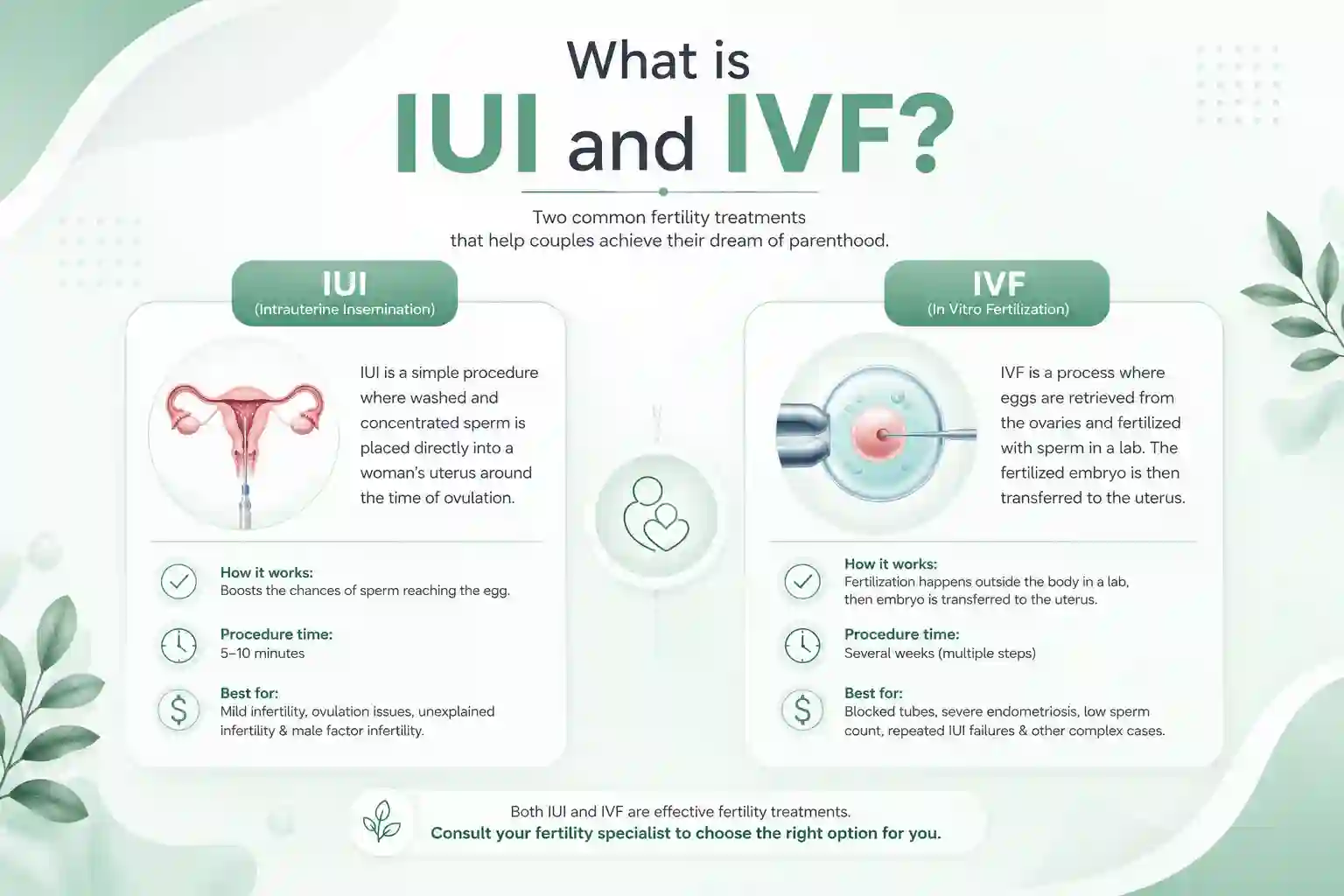
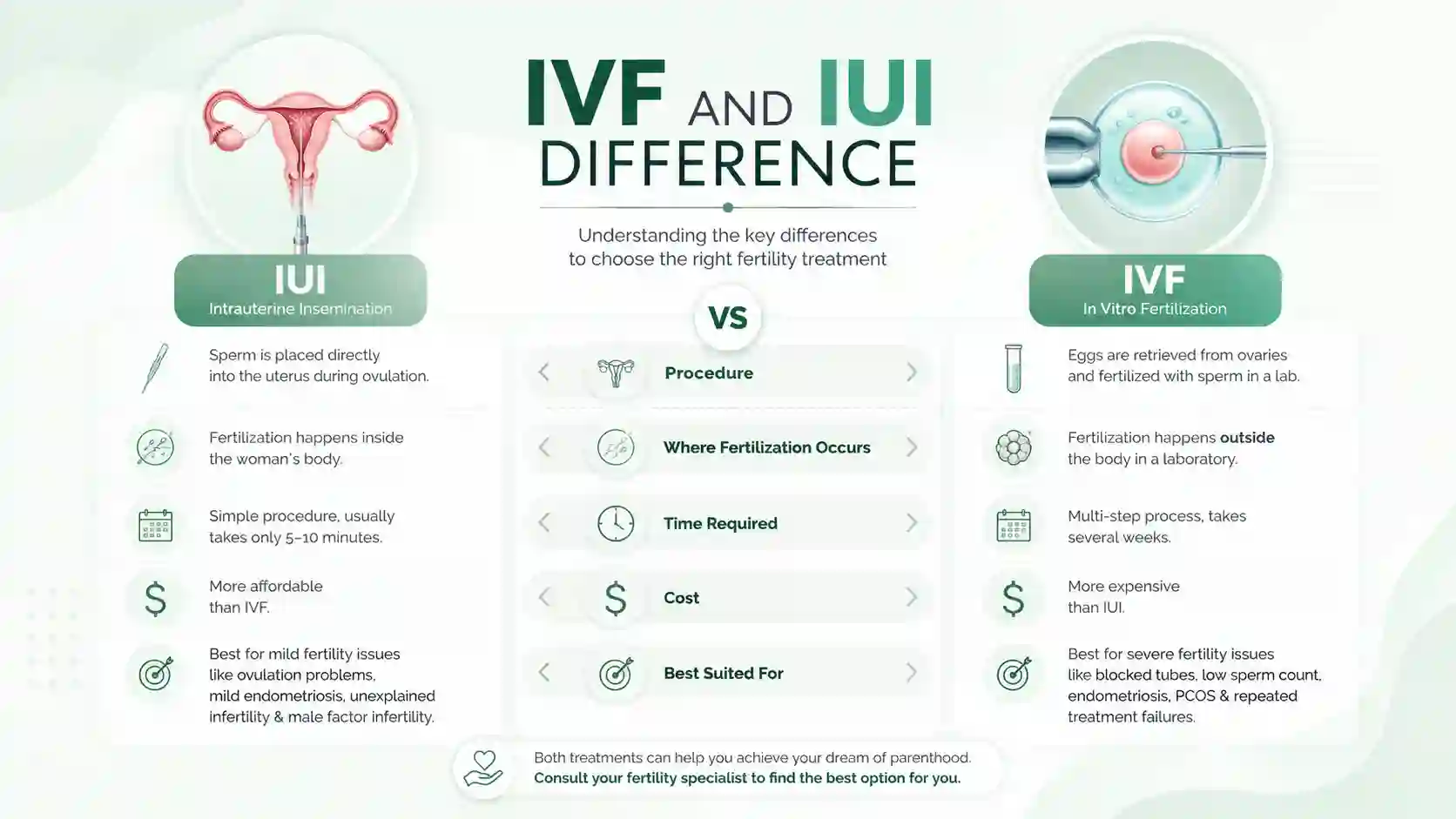
She became the world’s first baby conceived through In Vitro Fertilization (IVF), a process in which fertilization occurs outside the body in a laboratory before the embryo is transferred into the uterus.
Her birth demonstrated that IVF could successfully help people overcome infertility and achieve healthy pregnancies.
Why Is the IVF First Baby Important?
The birth of Louise Brown was a major medical breakthrough because it showed that:
- Human eggs could be fertilized outside the body.
- Embryos could develop normally after laboratory fertilization.
- IVF could result in a healthy baby.
- Infertility could be treated using advanced reproductive technology.
This achievement laid the foundation for modern fertility medicine and has helped millions of families worldwide.
How Did the IVF First Baby Come About?
The development of IVF required years of scientific research and dedication.
Two pioneers played key roles:
- Robert Edwards, a physiologist and fertility researcher
- Patrick Steptoe, a gynecologist specializing in laparoscopy
Together, they developed techniques that allowed eggs to be collected, fertilized in a laboratory, and transferred back into the uterus.
The IVF Process Used
The basic IVF process involved:
- Retrieving an egg from the mother’s ovary.
- Fertilizing the egg with sperm in a laboratory.
- Allowing the embryo to begin developing.
- Transferring the embryo into the uterus.
- Monitoring the pregnancy.
This process became the foundation for modern IVF treatment.
Benefits of the IVF First Baby Breakthrough
The success of the first IVF birth created opportunities that previously did not exist.
Treatment for Blocked Fallopian Tubes
The mother of the first IVF baby had blocked fallopian tubes, a condition that prevented natural conception.
Hope for Infertile Couples
The success of IVF provided hope to millions of couples facing infertility.
Foundation for Modern Fertility Care
The breakthrough led to advances such as:
- ICSI
- Embryo freezing
- Donor egg programs
- Genetic testing
- Fertility preservation
Expanded Family-Building Options
Today, IVF helps:
- Couples with infertility
- Same-sex couples
- Single parents by choice
- Cancer survivors preserving fertility
Risks, Side Effects, or Limitations
When IVF was first introduced, many people questioned:
- Whether IVF babies would be healthy
- Whether the technology was safe
- Whether embryos could develop normally
Over time, research and clinical experience have demonstrated that many IVF-conceived children grow and develop normally.
However, IVF remains a medical procedure with potential risks and limitations, including:
- Medication side effects
- Multiple pregnancy risks
- Emotional stress
- Financial costs
- No guarantee of pregnancy
Cost, Timeline, or Success Rate
IVF in 1978
When Louise Brown was born, IVF was considered experimental and available to very few patients.
Modern IVF
Today, IVF is widely available in many countries and has become one of the most established fertility treatments.
Modern IVF includes:
- Advanced laboratory techniques
- Improved embryo culture systems
- Better fertility medications
- Enhanced pregnancy monitoring
Success Rates
Success rates have improved significantly since the birth of the first IVF baby, although outcomes still depend on:
- Female age
- Egg quality
- Embryo quality
- Sperm health
- Uterine health
Factors Affecting IVF Success
The lessons learned since the first IVF birth have highlighted several important factors that influence success.
Age
Female age remains one of the strongest predictors of IVF outcomes.
Embryo Quality
Healthy embryos are more likely to implant successfully.
Laboratory Standards
Modern fertility laboratories play a crucial role in embryo development.
Overall Health
Lifestyle and medical conditions can affect fertility treatment results.
Emotional & Patient Perspective
The story of the IVF first baby is not just a scientific achievement—it is also a story of hope.
Before IVF, many people with infertility had few options for biological parenthood.
The success of IVF helped change public perceptions of infertility and encouraged ongoing research into reproductive medicine.
Today, millions of parents and children have benefited from the pioneering work that led to the birth of the first IVF baby.
Tips, Recommendations, or Preparation Guide
If you are considering IVF:
- Learn about the treatment process
- Discuss options with a fertility specialist
- Understand realistic expectations
- Ask questions about success rates
- Seek emotional support when needed
Education and preparation can make the fertility journey less overwhelming.
When to See a Fertility Specialist
Consider consulting a fertility specialist if:
- You have been trying to conceive for over one year
- You are over age 35 and have been trying for six months
- You have irregular menstrual cycles
- You have recurrent miscarriages
- Male infertility concerns exist
- You have known reproductive health conditions
Early fertility evaluation may help identify appropriate treatment options.
The story of the IVF first baby, Louise Brown, represents one of the most significant achievements in reproductive medicine. Her birth in 1978 proved that IVF could help people overcome infertility and achieve healthy pregnancies.
Since that historic moment, IVF has evolved into a highly advanced fertility treatment that has helped millions of families worldwide. The success of the first IVF baby continues to inspire hope for individuals and couples pursuing their dream of parenthood.
FAQs About IVF First Baby
Who was the first IVF baby?
The world’s first IVF baby was Louise Brown, born on July 25, 1978.
Where was the first IVF baby born?
Louise Brown was born in Oldham.
Why is the first IVF baby important?
Her birth proved that IVF could successfully result in a healthy pregnancy and live birth.
Who developed IVF?
The pioneering work was led by Robert Edwards and Patrick Steptoe.
Was the first IVF baby healthy?
Yes. Louise Brown was born healthy and became an important symbol of the success of IVF technology.