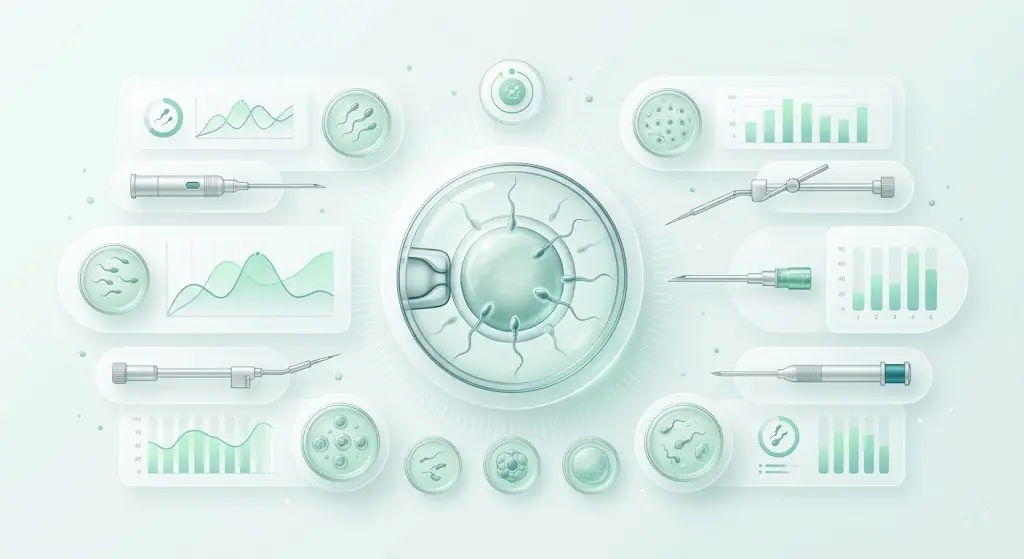
One of the most common concerns couples have before starting fertility treatment is understanding male fertility requirements during IVF. Many patients ask: in IVF how much sperm is needed and whether low sperm count automatically means pregnancy is impossible.
The good news is that IVF technology has advanced significantly, and even men with very low sperm counts may still have options for biological parenthood. In some cases, only a small number of healthy sperm are needed for successful fertilization.
This guide explains how much sperm is needed in IVF, how sperm quality affects treatment, and what patients should know about male fertility during assisted reproduction.
What Is In IVF How Much Sperm Is Needed?
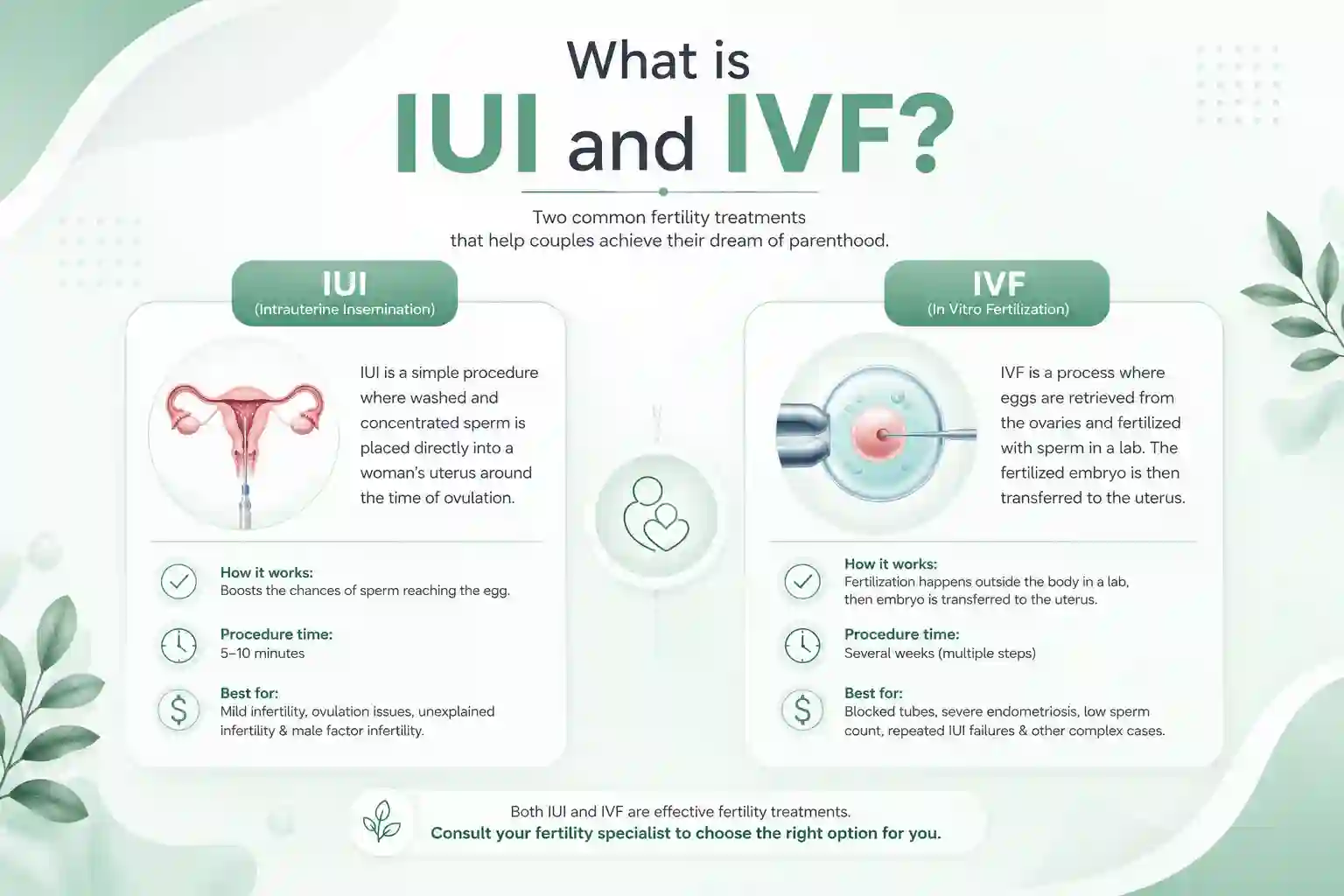
The phrase “in IVF how much sperm is needed” refers to the amount and quality of sperm required during In Vitro Fertilization to fertilize eggs successfully.
The exact sperm requirement depends on the type of IVF procedure being used, including:
- Conventional IVF
- ICSI (Intracytoplasmic Sperm Injection)
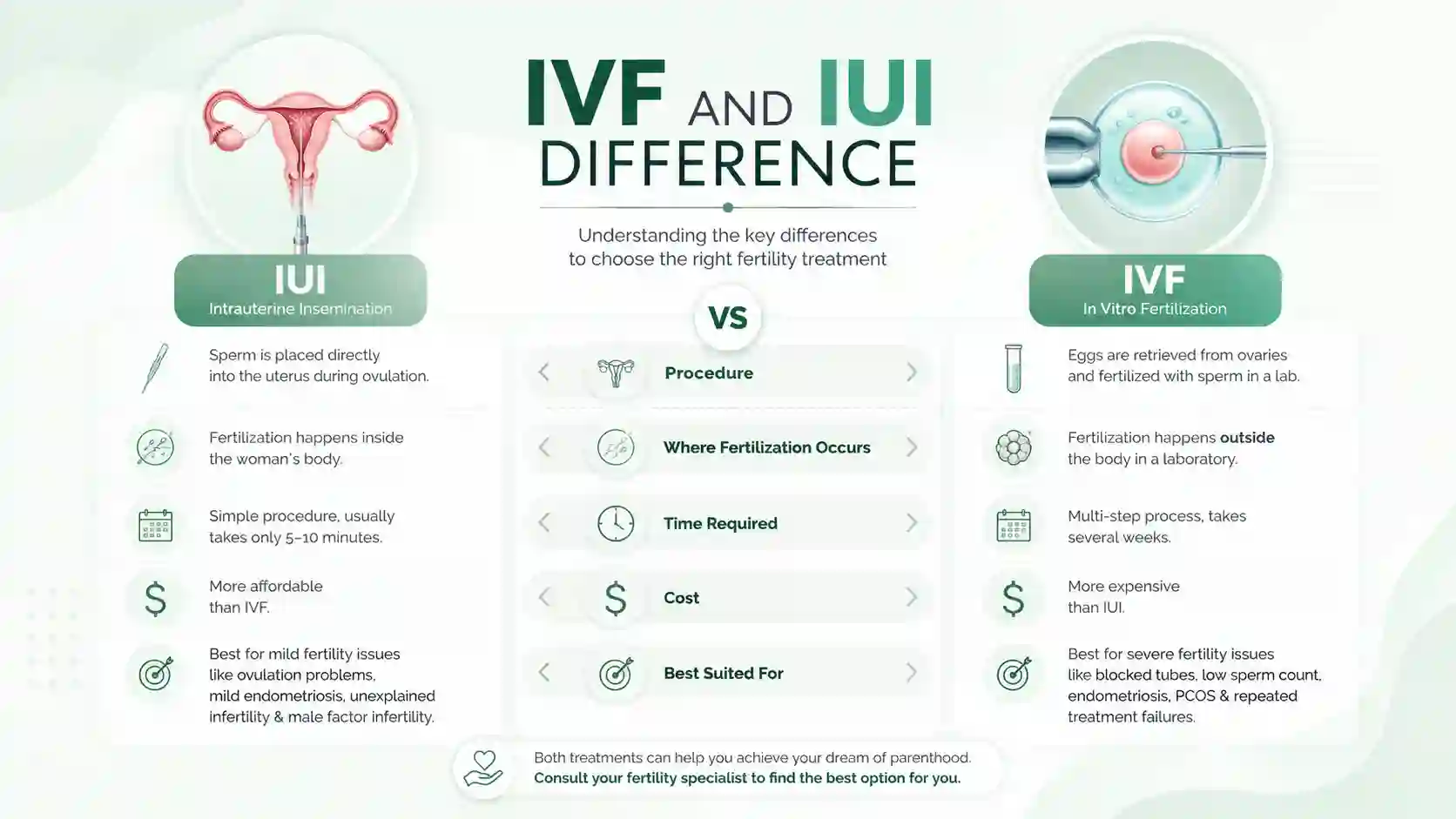
Traditional IVF usually requires a larger number of motile sperm, while ICSI may require only a single healthy sperm per mature egg.
Modern fertility laboratories can often work successfully even in cases of severe male infertility.
Why Is In IVF How Much Sperm Is Needed Important?
Understanding sperm requirements helps patients:
- Understand fertility test results
- Reduce anxiety about low sperm count
- Learn about IVF treatment options
- Make informed reproductive decisions
- Prepare emotionally for treatment
Male fertility contributes significantly to embryo quality and fertilization success, so sperm evaluation is an important part of IVF planning.
How Does In IVF How Much Sperm Is Needed Work?
The amount of sperm needed depends largely on the fertilization technique used during IVF.
Conventional IVF
In standard IVF, eggs and sperm are placed together in a laboratory dish so fertilization can happen naturally.
For conventional IVF, fertility laboratories generally prefer:
- Millions of motile sperm
- Good sperm movement (motility)
- Healthy sperm shape (morphology)
Although exact requirements vary between clinics, higher-quality sperm improves the chances of fertilization.
How Fertilization Happens
During conventional IVF:
- Eggs are collected from the ovaries
- Prepared sperm is added to the eggs
- Fertilization occurs naturally in the laboratory
- Embryos develop over several days
Not every sperm successfully fertilizes an egg, which is why larger numbers are usually preferred in traditional IVF.
ICSI (Intracytoplasmic Sperm Injection)
ICSI is commonly used when male infertility factors are present.
With ICSI:
- A single healthy sperm is injected directly into one mature egg
This means very small amounts of sperm may still be enough for fertilization.
In Severe Male Infertility Cases
Even men with:
- Very low sperm count
- Poor motility
- Abnormal sperm shape
- Surgically retrieved sperm
may still qualify for ICSI treatment.
In some situations, only a few viable sperm are needed.
How Sperm Samples Are Collected
Sperm samples are usually collected through masturbation at the fertility clinic or at home under clinic instructions.
If ejaculation is not possible, sperm may sometimes be retrieved through surgical procedures.
Examples include:
- Testicular sperm extraction (TESE)
- Micro-TESE
- Epididymal sperm aspiration
These techniques may help men with severe sperm production problems.
Benefits of In IVF How Much Sperm Is Needed
Modern IVF and ICSI technology provide important advantages for male infertility treatment.
Helps Severe Male Infertility Cases
Even patients with extremely low sperm counts may still have fertility options.
Reduces Need for High Sperm Count
ICSI significantly lowers the number of sperm required for fertilization.
Improves Fertilization Possibilities
Advanced laboratory techniques help embryologists identify healthier sperm for use during treatment.
Supports Biological Parenthood
Many couples with male infertility can still achieve pregnancy using IVF technology.
Risks, Side Effects, or Limitations
Although IVF helps many couples, some limitations still exist.
Poor Sperm Quality
Low sperm quality may affect:
- Fertilization rates
- Embryo development
- Pregnancy outcomes
No Viable Sperm Found
In severe male infertility cases, sperm retrieval may occasionally fail.
Genetic Concerns
Certain male infertility conditions may have genetic causes, and fertility specialists may recommend genetic counseling.
IVF Does Not Guarantee Pregnancy
Even with healthy sperm and eggs, successful pregnancy cannot be guaranteed.
Cost, Timeline, or Success Rate
Male fertility testing and sperm-related procedures may affect overall IVF costs.
Possible additional procedures include:
- Advanced semen analysis
- Sperm freezing
- Surgical sperm retrieval
- ICSI treatment
IVF Timeline
The sperm collection process is usually synchronized with egg retrieval during the IVF cycle.
Success Rates
IVF success depends on multiple factors, including:
- Female age
- Egg quality
- Sperm quality
- Embryo quality
- Uterine health
Healthy sperm movement and DNA quality are important for embryo development.
Factors Affecting Results
Several factors influence how well sperm performs during IVF.
Sperm Count
Higher sperm counts generally improve conventional IVF success.
Sperm Motility
Sperm must move properly to fertilize eggs naturally.
Sperm Morphology
Healthy sperm shape may influence fertilization ability.
Lifestyle Habits
Smoking, excessive alcohol, obesity, poor sleep, stress, and drug use may negatively affect sperm quality.
Medical Conditions
Hormonal disorders, infections, varicocele, and genetic conditions may affect male fertility.
Emotional & Patient Perspective
Male infertility can feel emotionally difficult for many patients.
Men may experience:
- Anxiety
- Embarrassment
- Stress
- Fear about fertility outcomes
- Emotional pressure during treatment
It is important to remember that male infertility is common and treatable in many situations.
Open communication and emotional support can help couples cope with fertility challenges together.
Tips, Recommendations, or Preparation Guide
If you are preparing for IVF and concerned about sperm quality, these tips may help:
- Avoid smoking
- Limit alcohol intake
- Maintain a healthy weight
- Sleep adequately
- Reduce heat exposure to the testicles
- Avoid recreational drugs
- Follow medical advice carefully
- Complete semen analysis early
Some fertility specialists may also recommend supplements depending on individual circumstances.
When to See a Fertility Specialist
You should consult a fertility specialist if:
- Pregnancy has not occurred after one year of trying
- Semen analysis results are abnormal
- Erectile or ejaculation problems exist
- Previous vasectomy reversal failed
- Recurrent miscarriages occur
- Known male infertility conditions are present
Early evaluation may improve fertility treatment planning and outcomes.
Understanding in IVF how much sperm is needed can help reduce anxiety for couples dealing with male infertility. The amount of sperm required depends on the IVF method being used. Traditional IVF usually requires larger numbers of healthy motile sperm, while ICSI may require only a single viable sperm per egg.
Thanks to modern fertility technology, even men with very low sperm counts may still have opportunities for biological parenthood. Working closely with a fertility specialist can help determine the most appropriate treatment approach based on individual reproductive health and fertility goals.
FAQs About In IVF How Much Sperm Is Needed
How much sperm is needed for IVF?
Traditional IVF usually requires millions of motile sperm, while ICSI may need only one healthy sperm per mature egg.
Can IVF work with low sperm count?
Yes. IVF combined with ICSI can help many men with low sperm count achieve fertilization.
What happens if there is no sperm in the semen?
In some cases, sperm may still be retrieved surgically from the testicles or epididymis.
Is sperm quality important in IVF?
Yes. Sperm quality affects fertilization, embryo development, and pregnancy outcomes.
Can unhealthy lifestyle habits affect sperm quality?
Smoking, alcohol, obesity, stress, poor sleep, and drug use may negatively affect sperm health.