For many couples struggling with infertility, IVF treatment offers hope and a possible path to pregnancy. But one of the most common questions patients ask before starting fertility care is: what is IVF procedure and how does it actually work?
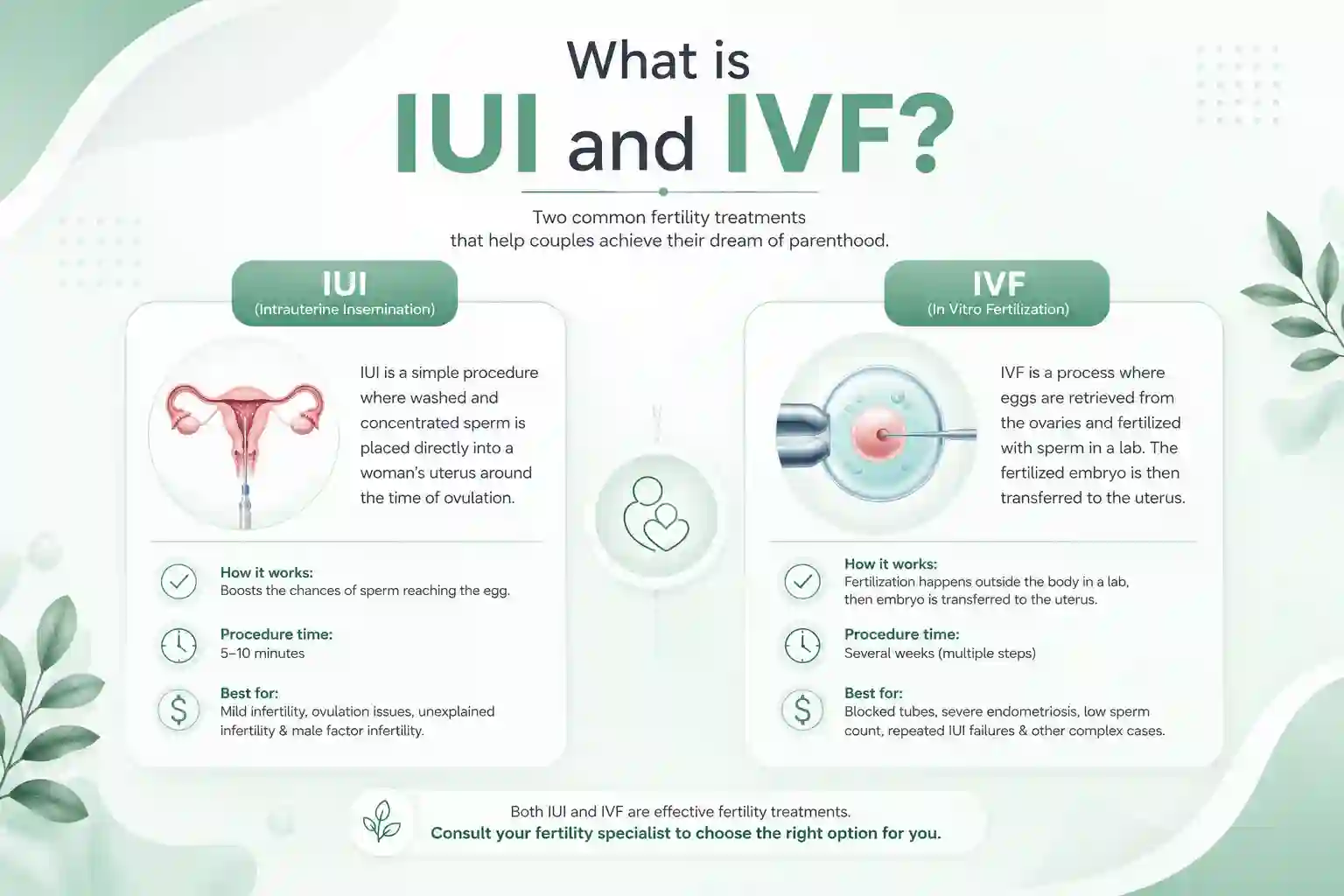
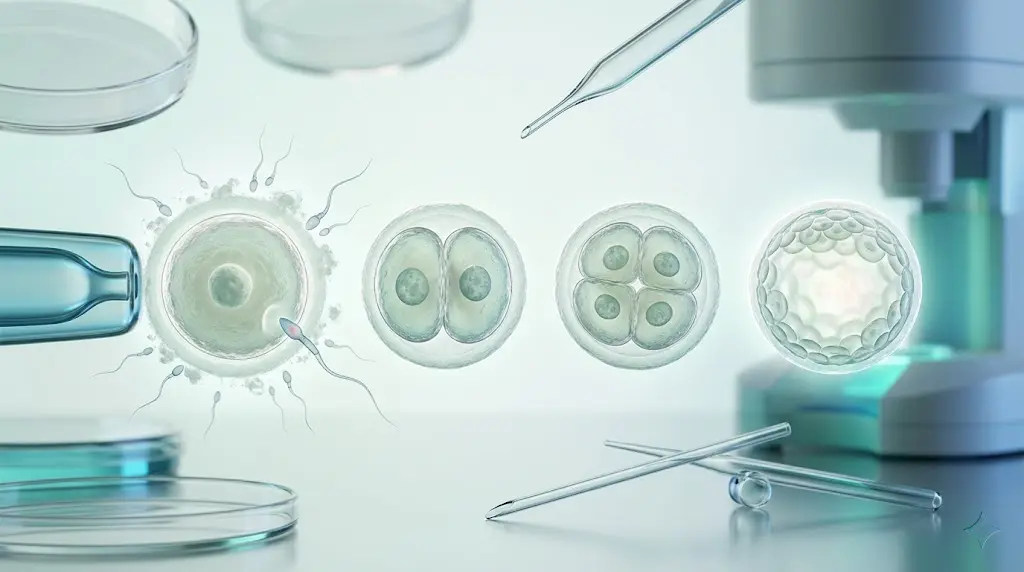
IVF, or In Vitro Fertilization, is one of the most advanced and widely used fertility treatments in the world. The procedure involves collecting eggs and sperm, fertilizing them in a laboratory, and transferring healthy embryos into the uterus.
Although IVF may sound complicated at first, understanding each step can make the process feel less stressful and easier to manage. This guide explains the IVF procedure in simple, beginner-friendly language while covering the medical, emotional, and practical aspects patients should know.
What Is What Is IVF Procedure?
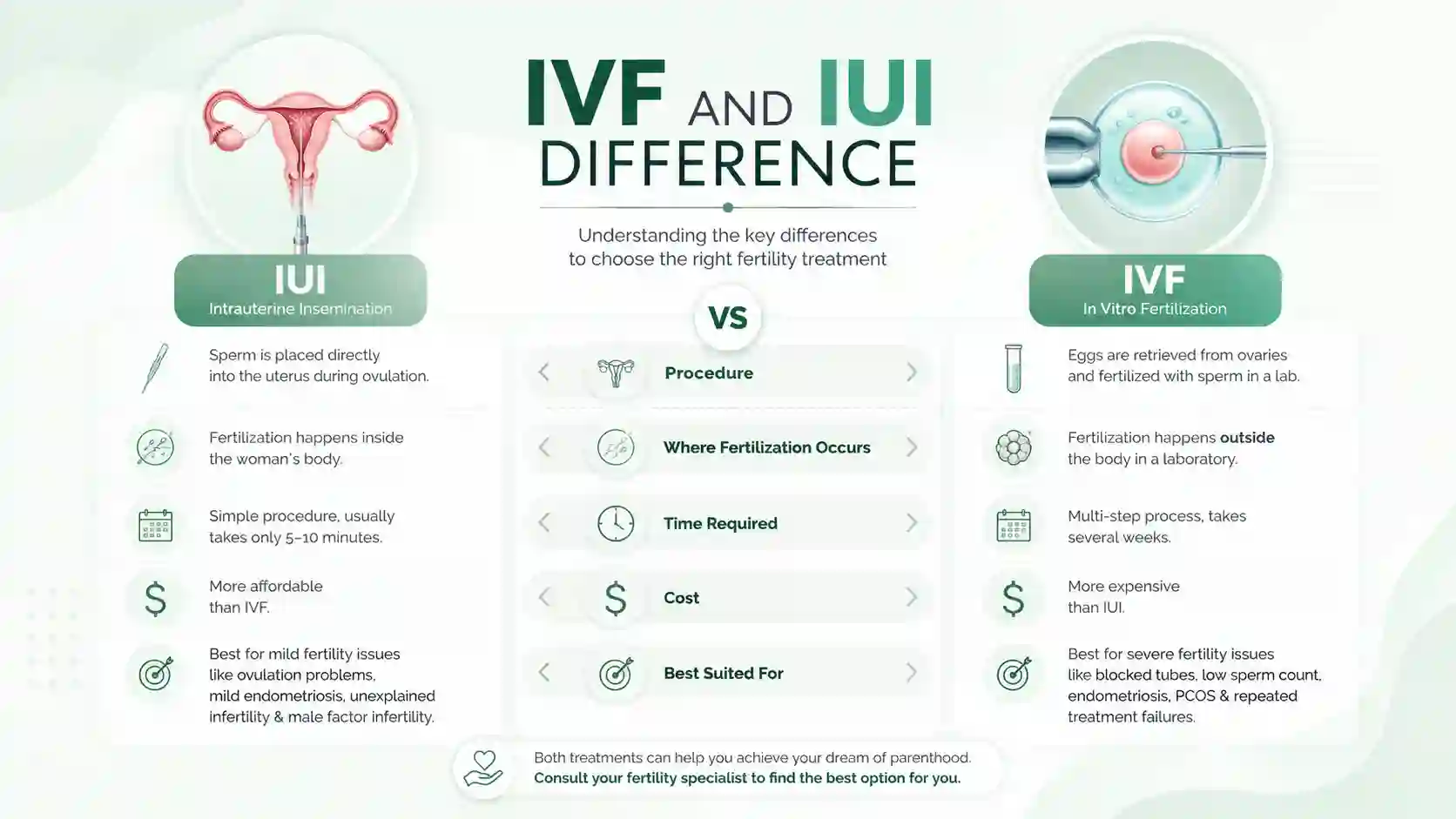
The term “what is IVF procedure” refers to the medical process of In Vitro Fertilization, where fertilization happens outside the body in a fertility laboratory.
In a natural pregnancy, fertilization occurs inside the fallopian tube. In IVF, doctors collect mature eggs from the ovaries and combine them with sperm under controlled laboratory conditions. Once embryos develop, one or more are transferred into the uterus.
IVF may be recommended for:
- Blocked fallopian tubes
- Male infertility
- Ovulation disorders
- Endometriosis
- Unexplained infertility
- Low sperm count
- Advanced maternal age
- Recurrent pregnancy loss
IVF has helped millions of people worldwide achieve pregnancy.
Why Is What Is IVF Procedure Important?
Understanding the IVF procedure is important because fertility treatment can feel emotionally and physically overwhelming without proper knowledge.
Learning about the process helps patients:
- Prepare mentally and physically
- Understand treatment timelines
- Reduce anxiety about procedures
- Follow medication instructions properly
- Make informed fertility decisions
Patients who understand the IVF journey often feel more confident and prepared during treatment.
How Does What Is IVF Procedure Work?
The IVF procedure usually involves several carefully monitored stages.
Step 1: Initial Fertility Evaluation
Before IVF begins, fertility specialists perform tests to understand reproductive health.
These may include:
- Hormone blood tests
- Ultrasound scans
- Semen analysis
- Ovarian reserve testing
- Uterine evaluation
This information helps doctors create a personalized IVF plan.
Step 2: Ovarian Stimulation
Patients take fertility medications, often called IVF injections, to stimulate the ovaries to produce multiple eggs.
Normally, the body releases one egg each month. IVF aims to produce several mature eggs to improve the chances of successful fertilization.
During this stage, doctors closely monitor:
- Follicle growth
- Hormone levels
- Ovarian response
This phase usually lasts around 8–14 days.
Step 3: Trigger Injection
When the eggs are mature, a trigger shot is given to prepare them for retrieval.
The timing of this injection is extremely important because egg retrieval is scheduled shortly afterward.
Step 4: Egg Retrieval Procedure
Egg retrieval is a minor surgical procedure performed under sedation.
Using ultrasound guidance, the doctor inserts a thin needle through the vaginal wall to collect eggs from the ovaries.
The procedure usually takes about 20–30 minutes.
Most patients return home the same day.
Step 5: Fertilization in the Laboratory
The collected eggs are combined with sperm in the fertility lab.
Fertilization may happen through:
- Conventional IVF
- Intracytoplasmic Sperm Injection (ICSI)
ICSI involves injecting a single sperm directly into an egg and is often used for male infertility cases.
Step 6: Embryo Development
Fertilized eggs develop into embryos over several days.
Embryologists monitor embryo growth carefully and assess quality before transfer.
Some patients may also choose genetic testing for embryos if medically recommended.
Step 7: Embryo Transfer
A healthy embryo is transferred into the uterus using a thin catheter.
This procedure is usually quick and painless.
The embryo transfer is one of the most emotionally important moments in the IVF process.
Step 8: Pregnancy Test
Around 10–14 days after embryo transfer, a blood test checks for pregnancy.
This waiting period can feel emotionally challenging for many patients.
Benefits of What Is IVF Procedure
IVF offers several important benefits for people struggling with infertility.
Helps Overcome Fertility Problems
IVF may help patients with:
- Tubal blockage
- Severe male infertility
- Ovulation disorders
- Endometriosis
Better Embryo Monitoring
Doctors can monitor embryo development closely in the laboratory.
Fertility Preservation Options
Embryos or eggs may sometimes be frozen for future use.
Genetic Testing Possibilities
Some patients may use preimplantation genetic testing (PGT) to screen embryos for certain genetic conditions.
Risks, Side Effects, or Limitations
Like any medical procedure, IVF has possible risks and limitations.
Common Side Effects
Patients may experience:
- Bloating
- Mild cramping
- Fatigue
- Mood swings
- Breast tenderness
These symptoms are often related to fertility medications.
Ovarian Hyperstimulation Syndrome (OHSS)
In some cases, fertility drugs may overstimulate the ovaries.
Symptoms may include:
- Severe bloating
- Pelvic pain
- Nausea
- Shortness of breath
Emotional Stress
IVF can be emotionally demanding, especially during waiting periods or unsuccessful cycles.
Multiple Pregnancy Risk
If multiple embryos are transferred, there may be a higher chance of twins or higher-order pregnancies.
Cost, Timeline, or Success Rate
IVF costs vary widely depending on:
- Fertility clinic
- Country
- Medication requirements
- Laboratory procedures
- Genetic testing
- Frozen embryo storage
Typical IVF Timeline
| IVF Stage | Approximate Duration |
| Fertility testing | 1–2 weeks |
| Ovarian stimulation | 8–14 days |
| Egg retrieval | Single procedure day |
| Embryo culture | 3–5 days |
| Pregnancy test | 10–14 days after transfer |
A complete IVF cycle often takes around 4–6 weeks.
IVF Success Rates
Success rates depend on several factors, including:
- Female age
- Embryo quality
- Uterine health
- Sperm quality
- Fertility diagnosis
Younger patients generally have higher IVF success rates.
Factors Affecting Results
Several important factors influence IVF outcomes.
Age
Egg quality naturally declines with age, especially after age 35.
Embryo Quality
Healthy embryos improve implantation chances.
Lifestyle Habits
Smoking, obesity, poor diet, alcohol, and chronic stress may affect fertility treatment outcomes.
Uterine Health
Fibroids, polyps, or endometriosis may interfere with implantation.
Clinic Experience
Experienced fertility specialists and laboratory teams can influence treatment quality and embryo handling.
Emotional & Patient Perspective
The IVF journey often brings a mix of hope, anxiety, excitement, and uncertainty.
Patients may worry about:
- Injection schedules
- Procedure outcomes
- Financial pressure
- Emotional stress
- Pregnancy test results
Emotional support is extremely important during treatment.
Helpful coping strategies include:
- Fertility counseling
- Support groups
- Partner communication
- Stress management
- Realistic expectations
Mental health care should be considered part of overall fertility treatment.
Tips, Recommendations, or Preparation Guide
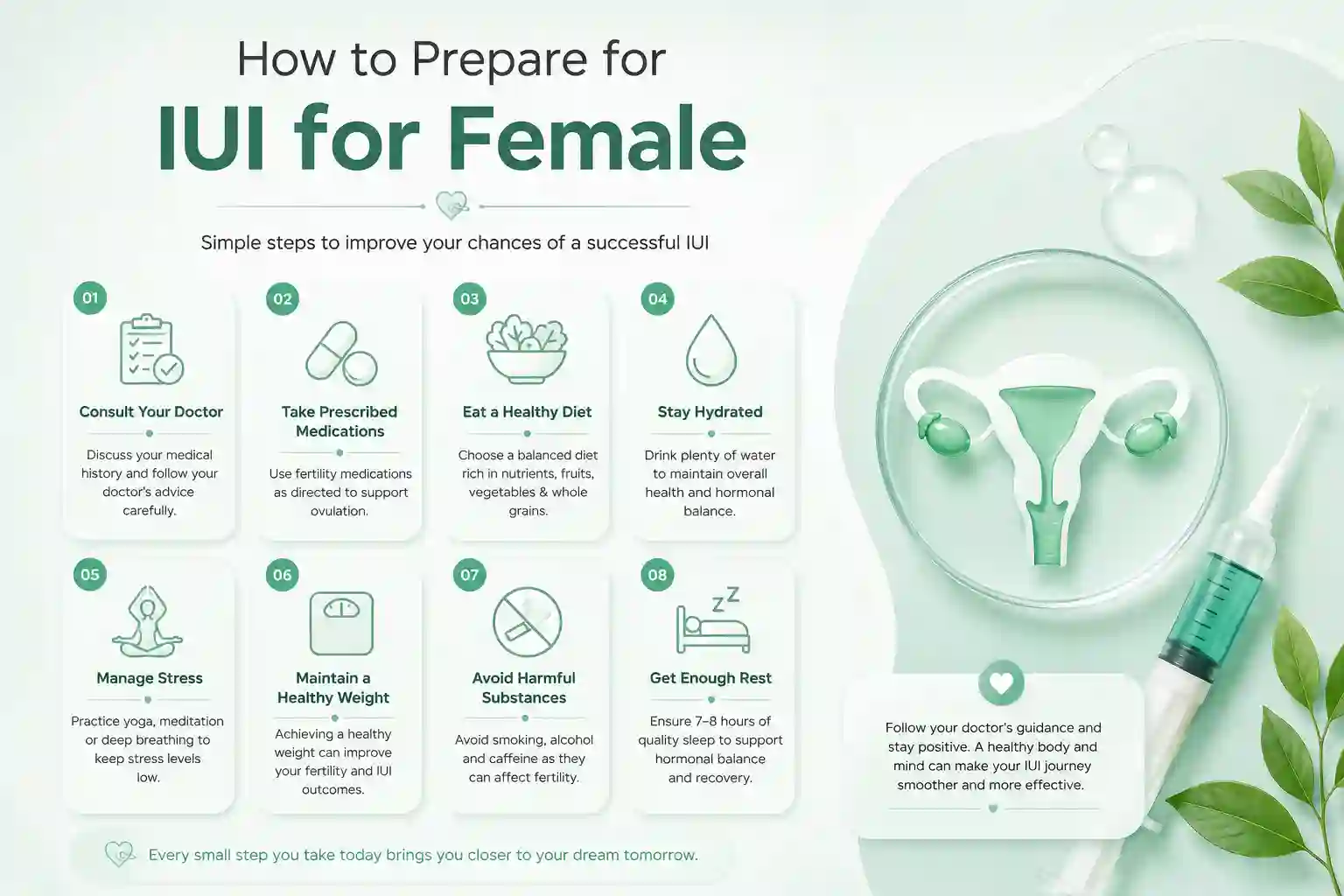
If you are preparing for IVF, these practical tips may help:
- Follow medication instructions carefully
- Maintain a healthy lifestyle
- Avoid smoking and excessive alcohol
- Attend monitoring appointments regularly
- Ask questions when confused
- Prioritize sleep and hydration
- Manage stress in healthy ways
Consistency and preparation can help improve the overall IVF experience.
When to See a Fertility Specialist
You should consult a fertility specialist if:
- You have been trying to conceive for over one year
- You are over age 35 and struggling to conceive
- You have irregular periods
- You have known fertility conditions
- You experienced recurrent miscarriages
- Male infertility concerns are present
Early fertility evaluation may improve treatment planning and reproductive outcomes.
Understanding what is IVF procedure can make fertility treatment feel less intimidating and more manageable. IVF involves several carefully monitored stages, including ovarian stimulation, egg retrieval, fertilization, embryo development, and embryo transfer.
While IVF can be emotionally and physically demanding, it has helped many individuals and couples achieve pregnancy when natural conception was difficult. Every fertility journey is unique, and working closely with an experienced fertility specialist can help patients make informed and confident decisions throughout treatment.
FAQs About What Is IVF Procedure
What is IVF procedure in simple words?
IVF is a fertility treatment where eggs and sperm are combined in a laboratory to create embryos, which are then transferred into the uterus.
Is the IVF procedure painful?
Most IVF procedures cause only mild discomfort. Egg retrieval is usually done under sedation, and embryo transfer is typically painless.
How long does the IVF procedure take?
A complete IVF cycle usually takes around 4–6 weeks from ovarian stimulation to pregnancy testing.
What is the success rate of IVF?
IVF success rates vary depending on age, embryo quality, fertility conditions, and overall reproductive health.
Can IVF guarantee pregnancy?
No fertility treatment can guarantee pregnancy. IVF improves the chances of conception but does not ensure success.