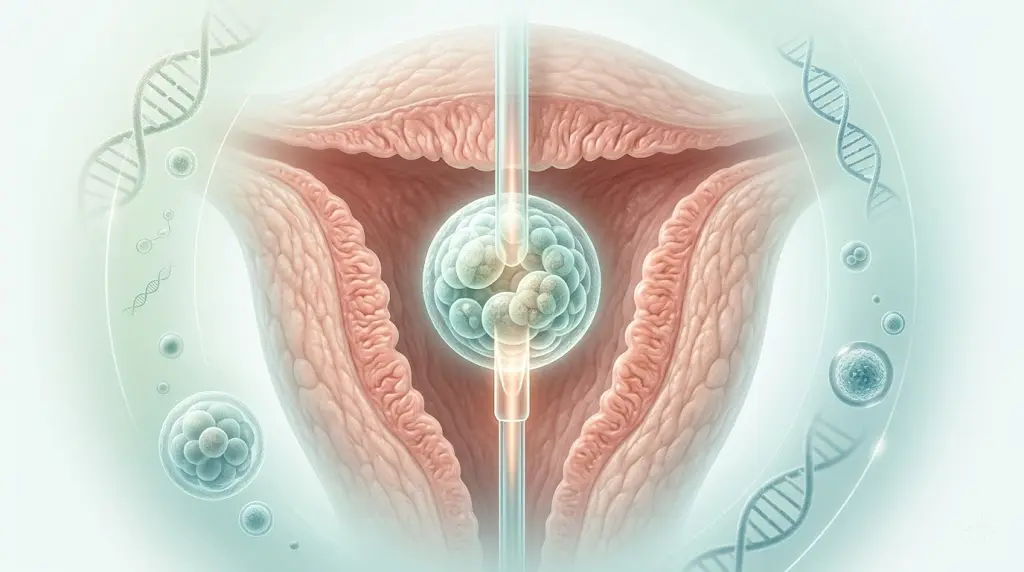
For many couples undergoing fertility treatment, embryo transfer in IVF is one of the most emotional and important stages of the entire journey. After weeks of medications, monitoring, egg retrieval, and embryo development, this is the moment when the embryo is placed into the uterus with the hope of achieving pregnancy.
Although embryo transfer is usually a short and relatively simple procedure, patients often have many questions about success rates, preparation, symptoms, and recovery. Understanding what happens during this stage can help reduce anxiety and make the IVF experience feel more manageable.
What Is Embryo Transfer in IVF?
Embryo transfer in IVF is the process of placing a fertilized embryo into the uterus during an in vitro fertilization cycle. The goal is for the embryo to implant into the uterine lining and develop into a healthy pregnancy.
The embryo is created in a laboratory after eggs and sperm are combined through IVF or ICSI. Once the embryo reaches the desired stage of development, a fertility specialist transfers it into the uterus using a thin catheter.
Embryo transfer is considered one of the final and most critical steps of IVF treatment.
Why Is Embryo Transfer in IVF Important?
Even if egg retrieval and fertilization are successful, pregnancy cannot occur without successful implantation. Embryo transfer connects laboratory embryo development with natural pregnancy inside the uterus.
This stage is important because it helps:
- Place healthy embryos into the uterus
- Improve chances of implantation
- Support pregnancy development
- Complete the IVF fertilization process
The quality of the embryo, uterine lining condition, and timing of transfer can all influence IVF success rates.
How Does Embryo Transfer in IVF Work?
The embryo transfer process is usually quick and does not require surgery.
1. Embryo Development
After fertilization, embryos are monitored in the laboratory for several days. Doctors evaluate embryo quality before selecting the best embryo for transfer.
2. Preparing the Uterus
The uterine lining must be thick and healthy enough for implantation. Hormonal medications such as estrogen and progesterone are often used to prepare the uterus.
3. Selecting the Embryo
Depending on age, medical history, and clinic recommendations, one or more embryos may be selected.
4. Transfer Procedure
The fertility specialist inserts a soft catheter through the cervix and gently places the embryo into the uterus using ultrasound guidance.
5. The Waiting Period
After transfer, patients typically wait around 10 to 14 days before taking a pregnancy blood test.
The procedure itself usually takes only a few minutes and is commonly performed without anesthesia.
Types of Embryo Transfer in IVF
There are different types of embryo transfer depending on the IVF treatment plan.
Fresh Embryo Transfer
A fresh transfer occurs within the same IVF cycle after egg retrieval and fertilization.
Frozen Embryo Transfer (FET)
Embryos are frozen and transferred during a later cycle after the uterus is prepared.
Frozen embryo transfer has become increasingly common because it may allow better hormonal balance and uterine preparation in some patients.
Day 3 Transfer
Embryos are transferred three days after fertilization during the cleavage stage.
Blastocyst Transfer
Embryos are transferred on day 5 or 6 after reaching the blastocyst stage. Many clinics prefer blastocyst transfer because embryo selection may be more accurate.
Benefits of Embryo Transfer in IVF
Embryo transfer offers several important benefits in fertility treatment.
Higher Pregnancy Potential
IVF allows doctors to select the healthiest embryos for transfer.
Timing Control
The transfer is carefully timed to match the optimal implantation window.
Genetic Testing Options
Some embryos may undergo genetic testing before transfer to identify chromosomal abnormalities.
Frozen Embryo Preservation
Extra embryos can often be frozen for future pregnancy attempts.
Personalized Treatment
Doctors can tailor transfer protocols based on patient age, fertility history, and medical conditions.
Risks, Side Effects, or Limitations
Embryo transfer is generally safe, but some risks and limitations exist.
Possible side effects may include:
- Mild cramping
- Light spotting
- Bloating
- Temporary pelvic discomfort
In some cases, patients may experience emotional stress during the waiting period.
Potential risks include:
- Failed implantation
- Multiple pregnancy if multiple embryos are transferred
- Ectopic pregnancy
- Miscarriage
Even high-quality embryos do not guarantee pregnancy because implantation depends on many biological factors.
Embryo Transfer Success Rate in IVF
Success rates vary widely depending on individual circumstances.
Important factors include:
- Maternal age
- Embryo quality
- Uterine health
- Hormone levels
- Fertility diagnosis
- Lifestyle factors
In general, younger patients often have higher implantation and pregnancy success rates due to better egg quality.
Frozen embryo transfer success rates may be similar to or higher than fresh transfers in certain cases.
Because every IVF case is different, fertility specialists usually provide individualized success estimates after evaluation.
Factors Affecting Embryo Implantation
Several factors can influence whether the embryo successfully implants.
Embryo Quality
Healthy embryos with normal development patterns generally have better implantation potential.
Uterine Lining Thickness
A receptive uterine lining is important for successful attachment.
Hormonal Balance
Proper progesterone support is essential after transfer.
Age
Egg quality tends to decline with age, affecting embryo health.
Lifestyle Habits
Smoking, alcohol use, severe stress, and poor sleep may negatively affect fertility outcomes.
Emotional & Patient Perspective
Embryo transfer can be emotionally intense for many patients. Some feel hopeful and excited, while others experience anxiety and fear of disappointment.
The “two-week wait” before pregnancy testing is often considered one of the most stressful phases of IVF treatment.
Common emotional experiences include:
- Constant symptom checking
- Fear of failed implantation
- Difficulty managing expectations
- Emotional exhaustion from repeated IVF cycles
Support from partners, family, fertility counselors, or support groups may help patients cope during this period.
Tips After Embryo Transfer in IVF
Patients are often advised to follow simple recovery and self-care practices after transfer.
Take Medications as Prescribed
Continue progesterone or hormonal medications exactly as directed.
Avoid Extreme Physical Activity
Light daily activity is usually acceptable, but heavy exercise may be restricted temporarily.
Stay Hydrated
Adequate hydration supports overall health during IVF treatment.
Manage Stress
Gentle relaxation activities such as walking, meditation, or reading may help reduce anxiety.
Avoid Smoking and Alcohol
These substances may negatively affect implantation and pregnancy health.
Patients should always follow their fertility clinic’s specific recommendations after embryo transfer.
When to See a Fertility Specialist
Patients should consult a fertility specialist if they:
- Have difficulty conceiving naturally
- Experience recurrent miscarriages
- Have failed IVF cycles
- Have concerns about embryo quality or implantation
- Need guidance about frozen embryo transfer options
Early fertility assessment can help identify personalized treatment strategies.
Embryo transfer in IVF is one of the most significant steps in the fertility treatment process. Although the procedure itself is usually quick and minimally invasive, it carries enormous emotional importance for patients hoping to achieve pregnancy.
Success depends on multiple factors including embryo quality, uterine health, hormonal balance, and overall fertility condition. Understanding the process, recovery expectations, and emotional aspects of embryo transfer can help patients feel more informed and prepared during their IVF journey.
With proper medical guidance and realistic expectations, many patients move through embryo transfer with greater confidence and hope.
FAQs About Embryo Transfer in IVF
Is embryo transfer in IVF painful?
Embryo transfer is usually not painful. Most patients experience only mild discomfort similar to a routine gynecological examination.
How long does embryo transfer take?
The procedure itself often takes about 10 to 20 minutes, although clinic preparation may take longer.
How many embryos are transferred during IVF?
The number depends on age, embryo quality, and fertility history. Many clinics now prefer single embryo transfer to reduce multiple pregnancy risk.
Can I walk after embryo transfer in IVF?
Yes. Most patients can walk normally after the procedure and return to light daily activities.
What should I avoid after embryo transfer?
Doctors may advise avoiding smoking, alcohol, heavy lifting, and intense exercise immediately after transfer.