One of the most common questions couples ask before starting fertility treatment is about the IVF percentage of success. Understanding IVF success rates can help patients set realistic expectations and make informed decisions about treatment.
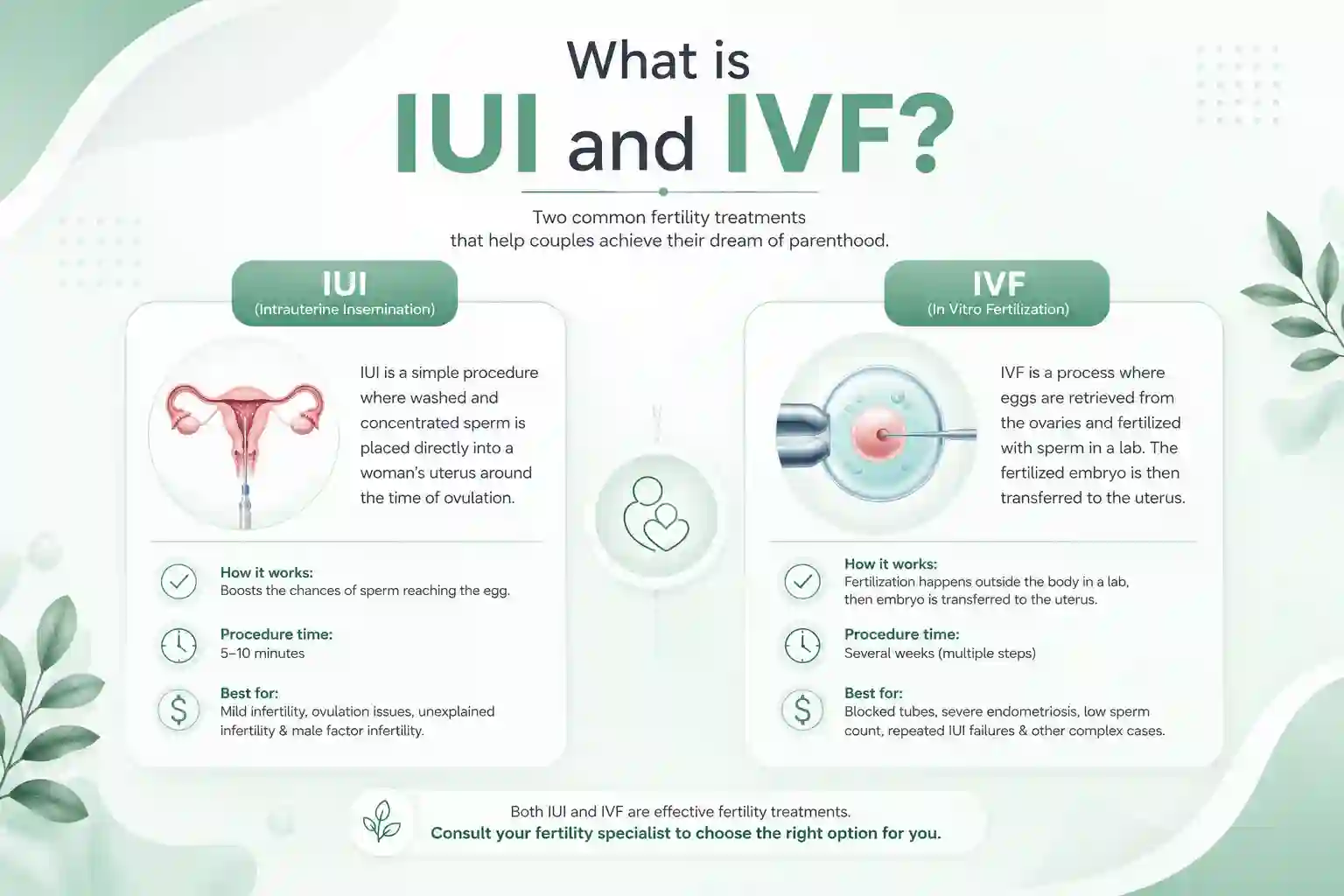
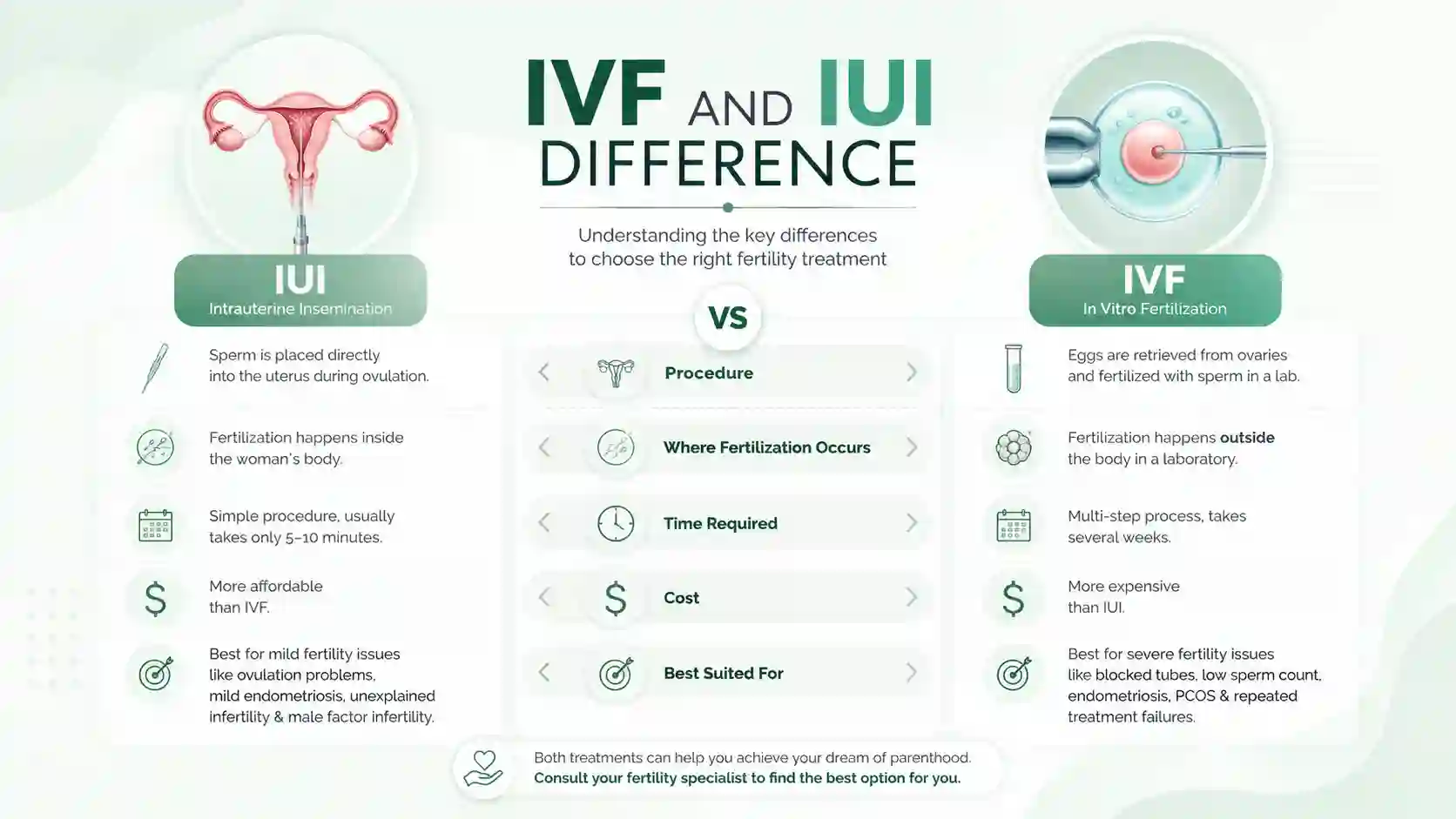
IVF (In Vitro Fertilization) has helped millions of couples worldwide achieve pregnancy. However, IVF success depends on several important factors, including age, egg quality, sperm health, embryo quality, and overall reproductive health.
What is the IVF Percentage of Success?
The IVF percentage of success refers to the chance of achieving pregnancy or live birth during an IVF cycle.
Success rates are usually measured based on:
- Positive pregnancy test
- Clinical pregnancy confirmed by ultrasound
- Live birth rate
Among these, live birth rate is considered the most accurate measure of IVF success.
IVF Percentage of Success by Age
Age is one of the biggest factors affecting IVF outcomes.
Women Under 35
- IVF success rate: approximately 40%–55% per cycle
- Higher egg quality improves implantation and pregnancy chances
Age 35–37
- Success rate: around 30%–40%
- Fertility begins to decline gradually
Age 38–40
- Success rate: approximately 20%–30%
- Egg quality and quantity decrease significantly
Over 40
- Success rate: often below 15%–20% using own eggs
- Donor eggs may improve success rates
Younger patients generally have better IVF outcomes because egg quality plays a major role in embryo development.
Factors Affecting IVF Percentage of Success
Several factors influence the success of IVF treatment.
Egg Quality
Healthy eggs improve:
- Fertilization rates
- Embryo quality
- Implantation success
Sperm Quality
Male fertility also affects IVF success. Poor sperm motility or low sperm count can reduce fertilization chances.
Embryo Quality
Strong embryos are more likely to implant successfully in the uterus.
Uterine Health
A healthy uterine lining is important for embryo implantation and pregnancy support.
Lifestyle Factors
Smoking, alcohol, obesity, stress, and poor nutrition may negatively affect IVF outcomes.
Can IVF Work in the First Attempt?
Yes, many patients achieve pregnancy during the first IVF cycle. However, some couples may need multiple cycles before success occurs.
A failed first attempt does not mean future IVF cycles will fail.
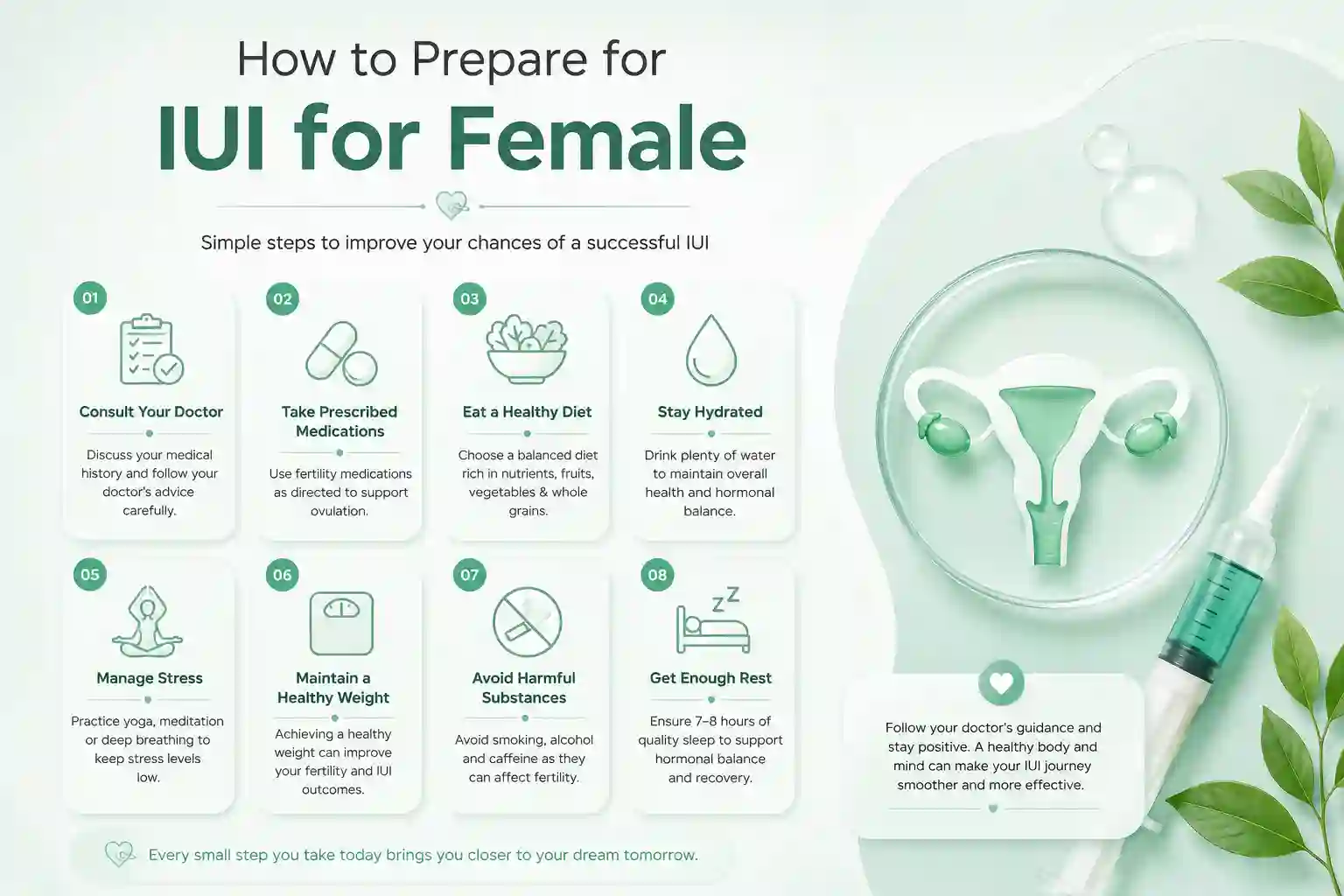
How to Improve IVF Percentage of Success
Patients can improve IVF outcomes by:
- Maintaining a healthy body weight
- Following a balanced diet
- Avoiding smoking and alcohol
- Managing stress levels
- Following medication schedules properly
- Choosing an experienced fertility clinic
Proper medical guidance and lifestyle management can positively affect fertility treatment results.
IVF Success with Advanced Techniques
Modern fertility clinics may use advanced methods to improve success rates, including:
- ICSI (Intracytoplasmic Sperm Injection)
- Blastocyst (Day 5) embryo transfer
- Embryo freezing
- Genetic testing (PGT)
These techniques may help selected patients achieve better outcomes.
Emotional Expectations During IVF
IVF treatment can be emotionally challenging. Patients may experience:
- Anxiety
- Hope and excitement
- Fear of treatment failure
Support from doctors, family, and counselors can make the process easier to manage.
When to See a Fertility Specialist
You should consult a fertility specialist if:
- You’ve been trying to conceive for over a year
- You’re over 35 and trying for 6 months
- You have known fertility problems
- Previous fertility treatments have failed
Early diagnosis and treatment planning can improve your chances of success.
Conclusion
The IVF percentage of success depends on several important factors, especially age and overall fertility health. While IVF cannot guarantee pregnancy, it remains one of the most effective fertility treatments available today.
Working closely with an experienced fertility specialist can help improve your chances and guide you through every step of the journey.
FAQs About IVF Percentage of Success
What is the average IVF percentage of success?
Success rates usually range between 30% and 55% depending on age.
Does age affect IVF success?
Yes, younger women generally have higher success rates.
Can IVF work in the first cycle?
Yes, many couples conceive during the first IVF attempt.
Does lifestyle affect IVF success?
Yes, healthy habits can improve fertility outcomes.
What lowers IVF success rates?
Poor egg quality, age, smoking, and health conditions may reduce success.